Acting
Seiji Miyaguchi
Born — Died
1913-11-15 — 1985-04-12
Place of birth
Tokyo, Japan
Known for
Acting
Credits
62 titles
Seiji Miyaguchi (宮口 精二 Miyaguchi Seiji, November 15, 1913–April 12, 1985) was a Japanese actor who appeared in such films as Akira Kurosawa's Seven Samurai (as Kyuzo, the master swordsman) despite the actor's confession to have never handled a sword before the role, Ikiru as a yakuza boss from "restaurant row," and Masaki Kobayashi's Kwaidan. He died of lung cancer. Description above from the Wikipedia article Seiji Miyaguchi, licensed under CC-BY-SA, full list of contributors on Wikipedia.
Known for
 8.5
8.5A samurai answers a village's request for protection after he falls on hard times. The town needs protection from bandits, so the samurai gathers six others to help him teach the people how to defend themselves, and the villagers provide the soldiers with food.
Seven Samurai
1954
 8.3
8.3Kanji Watanabe is a middle-aged man who has worked in the same monotonous bureaucratic position for decades. Learning he has cancer, he starts to look for the meaning of his life.
Ikiru
1952
 7.6
7.6An English navigator becomes both a player and pawn in complex political games in feudal Japan.
Shōgun
1980
 8.2
8.2After handing in a report on the treatment of Chinese colonial labor, Kaji is offered the post of labour chief at a large mining operation in Manchuria, which also grants him exemption from military service. He accepts and moves with his newlywed wife Michiko, but when he tries to put his ideas of more humane treatment into practice, he finds himself at odds with scheming officials, cruel foremen, and the military police.
The Human Condition I: No Greater Love
1959
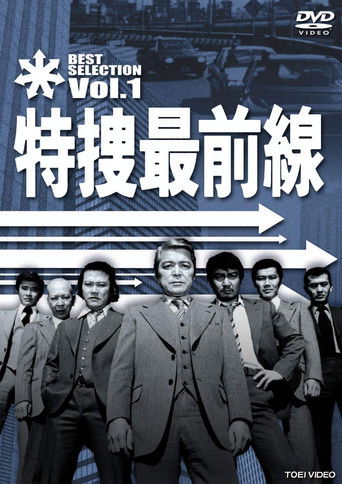 9.5
9.5No synopsis available yet.
Special Crime Investigation Front
1977
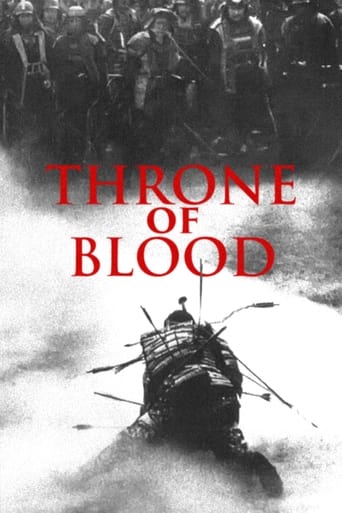 7.9
7.9Returning to their lord's castle, samurai warriors Washizu and Miki are waylaid by a spirit who predicts their futures. When the first part of the spirit's prophecy comes true, Washizu's scheming wife, Asaji, presses him to speed up the rest of the spirit's prophecy by murdering his lord and usurping his place. Director Akira Kurosawa's resetting of William Shakespeare's "Macbeth" in feudal Japan is one of his most acclaimed films.
Throne of Blood
1957
Film credits
1980s · 6 titles
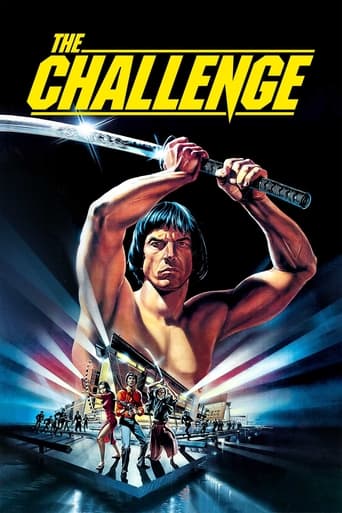 5.9
5.9Rick, a down-and-out American boxer, is hired to transport a sword to Japan, unaware that the whole thing is a set up in a bitter blood-feud between two brothers, one who follows the traditional path of the samurai and the other a businessman. At the behest of the businessman, Rick undertakes samurai training from the other brother, but joins his cause. He also becomes romantically involved with the samurai's daughter.
The Challenge
1982
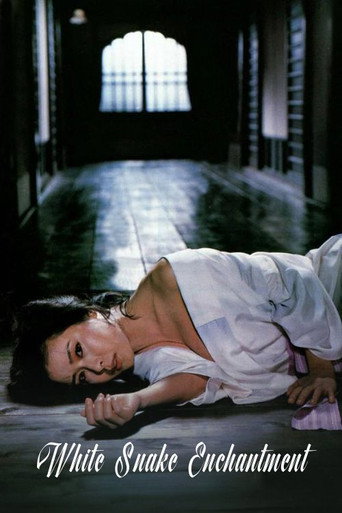 5.6
5.6Uta married a priest who saved her when she tried to commit suicide at a waterfall. The love triangle between a lustful priest, his second wife and his son Masao.
White Snake Enchantment
1983
 7.1
7.1A surreal, isolated village sees its inhabitants gradually leave behind their mutual traditions and superstitions as they leave for the city. Among them are two cousins who love each other and who get into a quarrel with other villagers.
Farewell to the Ark
1984
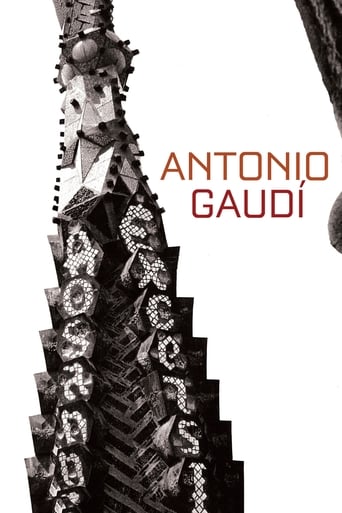 7.1
7.1Catalan architect Antonio Gaudí (1852-1926) designed some of the world's most astonishing buildings, interiors, and parks; Japanese director Hiroshi Teshigahara constructed some of the most aesthetically audacious films ever made. With camera work as bold and sensual as the curves of his subject's organic structures, Teshigahara immortalizes Gaudí on film.
Antonio Gaudí
1984
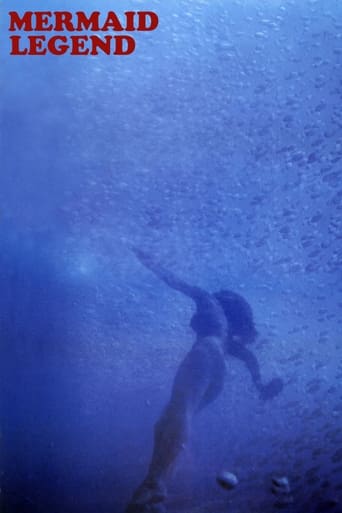 6.4
6.4A married couple of abalone divers must confront ruthless investors taking over their coastline.
Mermaid Legend
1984
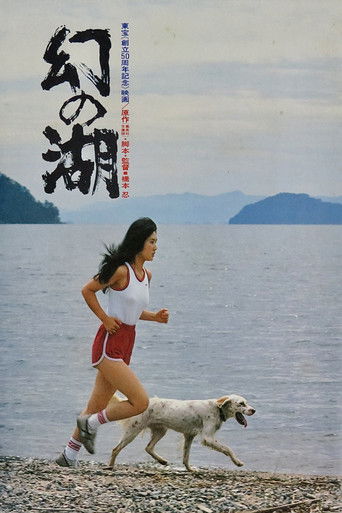 4.0
4.0A free-spirited girl living in a Japanese province spends her time working in a brothel and running with her dog. When her routine is shattered she gets on a path of hate and self discovery.
Lake of Illusions
1982
1970s · 5 titles
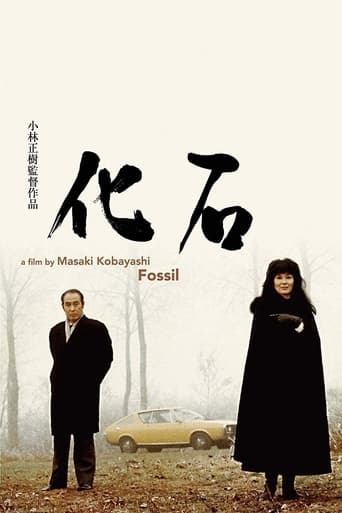 7.2
7.2An industrialist is diagnosed with terminal cancer. He is abroad in Europe at the time, and a glimpse of a Japanese woman in that setting causes him to imagine her as the personification of his impending fate. As his dialogue with his imagined mortality continues, he meets the living woman, the template for his fantasy, and together, they tour rural churches. Gradually, he comes to some kind of peace about the diagnosis. When he returns to Japan, he is met with a series of challenges that profoundly test the lessons he has learned.
The Fossil
1975
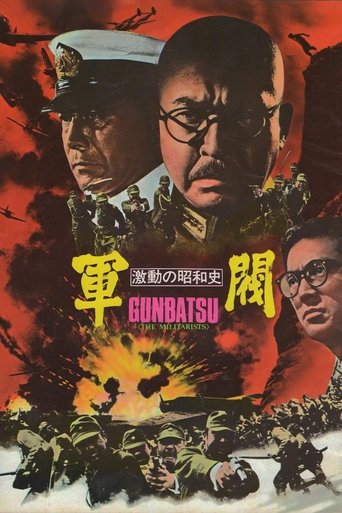 7.5
7.5The second film in Toho's series on the military history of the Showa era, Hiromichi Horikawa's war drama offers a look at the career of controversial politician Hideki Tojo and the strained relationships between Japan's government, military, and the media.
The Militarists
1970
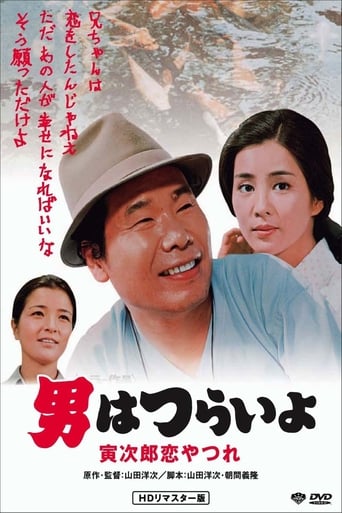 8.0
8.0After Torajiro's latest attempt to find a bride goes awry, he starts traveling again and runs into Utako (last seen in Tora-san's Dear Old Home), now a widow.
Tora-san's Lovesick
1974
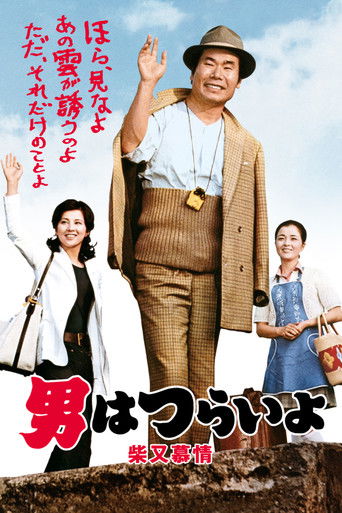 8.3
8.3While Sakura and Hiroshi struggle to save funds to build a house, Torajiro befriends three young women on vacation during his travels.
Tora-san's Dear Old Home
1972
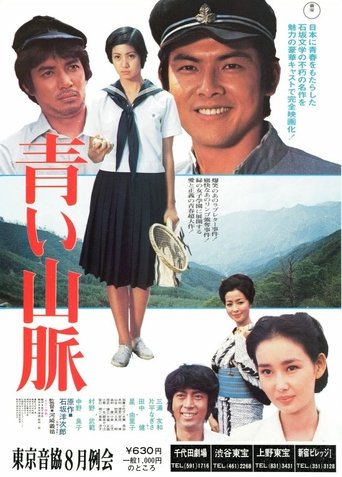 NR
NRRemake of 1949 film
Aoi sanmyaku
1975
1960s · 24 titles
 7.7
7.7Taking its title from an archaic Japanese word meaning "ghost story," this anthology adapts four folk tales. A penniless samurai marries for money with tragic results. A man stranded in a blizzard is saved by Yuki the Snow Maiden, but his rescue comes at a cost. Blind musician Hoichi is forced to perform for an audience of ghosts. An author relates the story of a samurai who sees another warrior's reflection in his teacup.
Kwaidan
1965
 7.7
7.7In this loose adaptation of "Hamlet," illegitimate son Kôichi Nishi climbs to a high position within a Japanese corporation and marries the crippled daughter of company vice president Iwabuchi. At the reception, the wedding cake is a replica of their corporate headquarters, but an aspect of the design reminds the party of the hushed-up death of Nishi's father. It is then that Nishi unleashes his plan to avenge his father's death.
The Bad Sleep Well
1960
 6.4
6.4With her family suffering from extreme poverty, Yuko, as the eldest daughter, is sold to a successful brothel in Kyoto. There she is assigned to serve Takamatsu, one of the brothel’s top customers. But while Takamatsu falls madly in love with Yuko, she finds herself attracted to a young priest named Kunugida. Torn by jealousy, Takamatsu hatches an evil plan to tear them apart.
A House in the Quarter
1963
 7.4
7.4A recently released gangster has to cope with the recent shifts of power between gangs, while taking care of a thrill-seeking young woman, who got in bad company while gambling.
Pale Flower
1964
 7.1
7.1In this first episode, we are introduced to Takezo, what Musashi used to be before he became the man of legend. His beginning are not exactly auspicious. He sides with the Toyotomi at Sekigahara, and as a result finds himself on the losing side of the historic battle. He and his friend Matahachi manage to escape the slaughter although the latter is wounded in his leg. They stumble across the young Akemi who makes her living with her mother Oko by robbing corpses of their armor and anything else they can sell. Oko takes it into her head to seduce Matahachi, which she does first by skillfully sucking the gangrene from his blood, and then just by sucking.
Miyamoto Musashi
1961
 6.4
6.4Years of warfare end in a Japan unified under the Tokugawa shogunate, and samurai spy Sasuke Sarutobi, tired of conflict, longs for peace. When a high-ranking spy named Tatewaki Koriyama defects from the shogun to a rival clan, however, the world of swordsmen is thrown into turmoil. After Sasuke is unwittingly drawn into the conflict, he tracks Tatewaki, while a mysterious, white-hooded figure seems to hunt them both. By tale’s end, no one is who they seemed to be, and the truth is far more personal than anyone suspected. Director Masahiro Shinoda’s Samurai Spy, filled with clan intrigue, ninja spies, and multiple double crosses, marks a bold stylistic departure from swordplay film convention.
Samurai Spy
1965
 7.3
7.3A dramatisation of the 24-hour period in which the Japanese government was deadlocked over the decision to accept or reject the Allies' demand for an unconditional surrender following the bombings of Hiroshima and Nagasaki.
Japan's Longest Day
1967
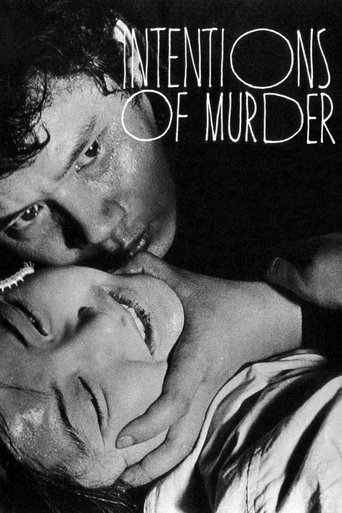 7.0
7.0The neglected common-law wife of a Japanese librarian is repeatedly harassed by a young man with a heart condition who seduces her with the prospect of a better life.
Intentions of Murder
1964
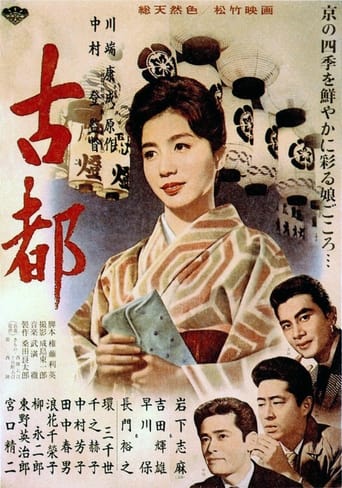 6.5
6.5In this Japanese drama, a dry goods merchant's daughter is surprised to discover that she has a twin sister. In rural Japan it was thought that twins bring bad luck, so the sister was abandoned at birth. Later her parents tell her that her sister was kidnapped. The woman doesn't believe this and when she eventually meets her twin, both women are involved in love affairs. The merchant's daughter is seeing an educated fellow. Trouble ensues when she begins suspecting that he may be more interested in her sister.
Twin Sisters of Kyoto
1963
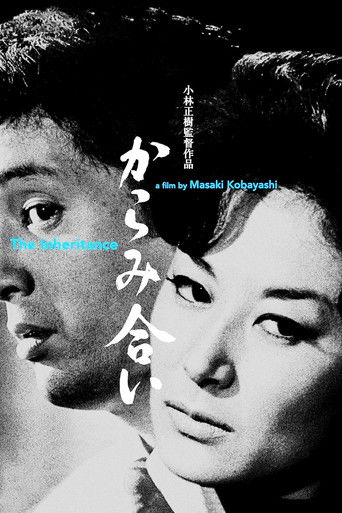 7.3
7.3A dying businessman intends to will ¥200 million to his three illegitimate children, but his associates scheme to take advantage of the situation.
The Inheritance
1962
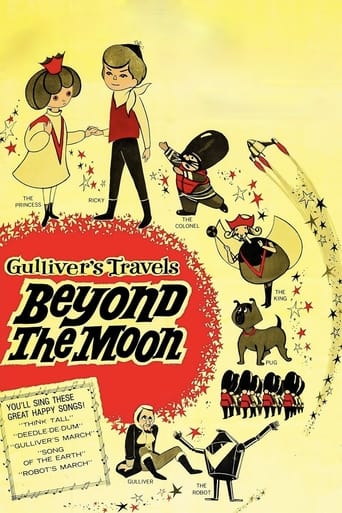 6.3
6.3The story concerns a homeless boy named Ted. After seeing a movie about Gulliver he meets Professor Gulliver himself in a forest. Gulliver is now an elderly, space-traveling scientist. With Dr. Gulliver's assistant Crow, and Ted's companions, a talking dog and a toy soldier, they travel the Milky Way to the Planet of Blue Hope, which has been taken over by the Queen of Purple Planet and her evil group of robots. Armed with water-pistols and water balloons, which melt the villains, Ricky and Gulliver restore Blue Hope to its doll-like owners.
Gulliver's Travels Beyond the Moon
1965
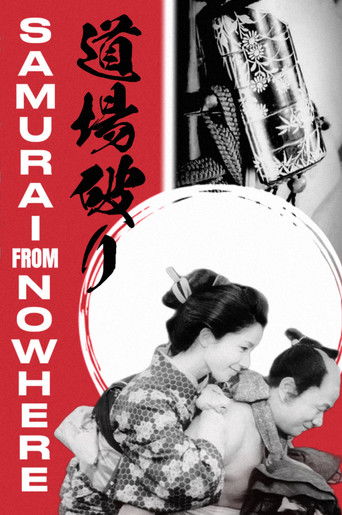 7.1
7.1Misawa Ihei (Nagato) is traveling with his wife Tae (Iwashita Shima) who abhors the practice of sword fighting for prize money. Tae is the daughter of the clan's chief counselor who married the low-ranking Ihei to avoid becoming the clan lord's mistress. Into the mix comes Oba Gunjuro (Tetsurō Tamba), a mysterious ronin who will do anything for money. This leads to a fitting climax as the forces of hate and love converge while the couple attempt to break through the border!
Samurai from Nowhere
1964
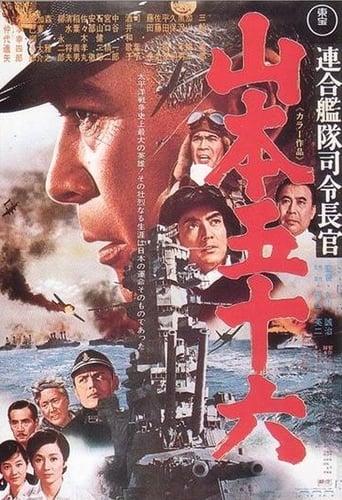 8.5
8.5As Japan joins in a political pact with Nazi Germany and fascist Italy, Admiral Isoroku Yamamoto is appointed supreme commander of the Japanese fleet. With Japan headed inexorably toward war, Yamamoto, despite his misgivings, believes the only possible victory lies in destroying the American fleet by surprise at Pearl Harbor. The attack succeeds, but fails to sink the American carrier fleet. Thus Yamamoto must lead the Japanese navy into war with ever-diminishing likelihood of success.
Admiral Yamamoto
1968
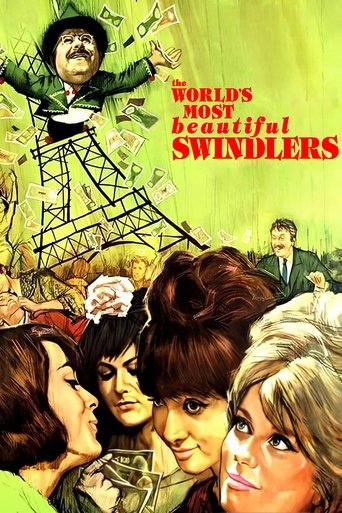 5.4
5.4Five swindle stories, taking place in five international cities: Tokyo, Japan ("Fumiko's Five Benefactors" by Hiromichi Horikawa); Amsterdam, The Netherlands ("A River of Diamonds" by Roman Polanski); Naples, Italy ("The Road Map" by Ugo Gregoretti); Paris, France ("The Man Who Sold the Eiffel Tower" by Claude Chabrol); and Marrakesh, Morocco ("The Confidence Man" by Jean-Luc Godard). Godard's segment was not included in the original French cinema release, and Polanski's segment was not included on the 2016 home disc release.
The World's Most Beautiful Swindlers
1964
 7.0
7.0Gang of robbers quarrel about the loot, but when one of them gets killed, his younger brother seeks them out to ice them one by one.
Get 'em All
1960
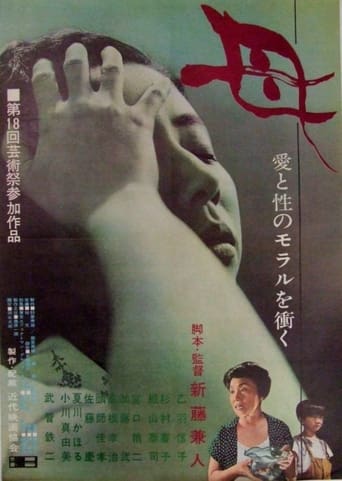 6.8
6.8A divorced woman enters a marriage arranged by her mother in exchange for money to save the life of her seriously ill son.
Mother
1963
 9.0
9.0"Shacho" comedy about the president of a salt manufacturing company.
Five Gents and Karate Grandpa
1968
 6.8
6.8Ushimatsu's father told him never to reveal his lower-caste heritage; years later, he now contemplates confiding in an activist fighting against such discrimination.
The Broken Commandment
1962
 7.0
7.0Lt. Col. Senda resists the idea of sending Japanese fighter pilots on suicide missions. He believes that what is really necessary for Japan to regain momentum in the war is for the air force to gather its most brilliant pilots into an elite squadron and use the unit to pinpoint attacks on the Americans. Disrespected by the kamikaze pilots who think the "non-suicidal" pilots are afraid, the unit redeems itself by stunning victories. But success leads the military leaders to expect too much of the unit, and new orders portend disaster.
Attack Squadron
1963
 NR
NRAfter her mother's funeral, Yuriko, dressed in mourning clothes, sees off her lover Shintaro as he leaves in the powdery snow, and resolves to part ways with him forever. However, in Yuriko's heart... Pure love duo Yoshinaga and Hamada rigorously pursue a life of sincerity and love of the younger generation, and love but parting, in this lyrical and melancholy touching story of Ishizaka literature.
Song of Farewell
1965
 9.0
9.0The executive director of the «Chuo Shoji» company, Hidaka Shiro, is called a "demon of work", but the hostess of the bar calls him "the loneliest person in Japan." He lost his wife ten years ago and has been living as a widower ever since. He plotted to marry off his 22-year-old daughter Keiko for political gain, but Keiko is in love with Okuda, who is her father's subordinate. A story full of sadness and joy, depicting a man gripped by different thoughts, as an employee of the company and a father.
The Naked Executive
1964
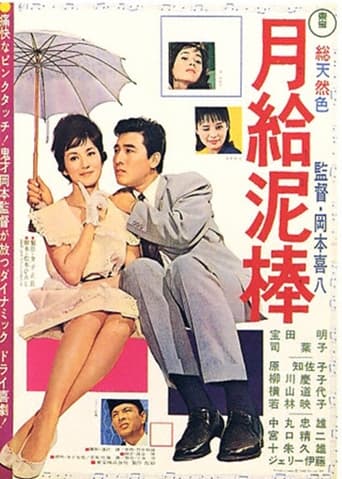 7.0
7.0A "hustler's hustler" (Takarada), works his way up the corporate ladder at a camera company. His biggest scheme involves winning the business of a foreign visitor by setting him up with a beautiful "model" (Tsukasa), actually a bar hostess, but the plan backfires when the would-be executive falls for the woman himself.
Anything For Success
1962
 6.8
6.8This suspense drama set in the mid 1700's depicts the plan of the Tokugawa rulers to send a number of homeless men to a remote island Sado to perform forced labor. Living conditions on the island are terrible and the men soon become rebellious. Based on a short story by Seichō Matsumoto.
Escape from Hell
1963
 7.0
7.0An aging company president pushes a youth-focused corporate fitness campaign but struggles to keep up himself.
Five Gents and a Chinese Merchant
1968
1950s · 24 titles
8.5A samurai answers a village's request for protection after he falls on hard times. The town needs protection from bandits, so the samurai gathers six others to help him teach the people how to defend themselves, and the villagers provide the soldiers with food.
Seven Samurai
1954
8.3Kanji Watanabe is a middle-aged man who has worked in the same monotonous bureaucratic position for decades. Learning he has cancer, he starts to look for the meaning of his life.
Ikiru
1952
8.2After handing in a report on the treatment of Chinese colonial labor, Kaji is offered the post of labour chief at a large mining operation in Manchuria, which also grants him exemption from military service. He accepts and moves with his newlywed wife Michiko, but when he tries to put his ideas of more humane treatment into practice, he finds himself at odds with scheming officials, cruel foremen, and the military police.
The Human Condition I: No Greater Love
1959
7.9Returning to their lord's castle, samurai warriors Washizu and Miki are waylaid by a spirit who predicts their futures. When the first part of the spirit's prophecy comes true, Washizu's scheming wife, Asaji, presses him to speed up the rest of the spirit's prophecy by murdering his lord and usurping his place. Director Akira Kurosawa's resetting of William Shakespeare's "Macbeth" in feudal Japan is one of his most acclaimed films.
Throne of Blood
1957
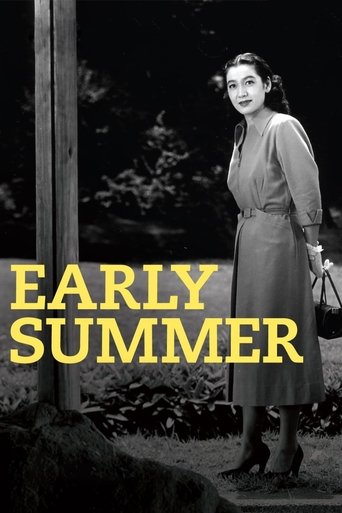 7.9
7.9In postwar Tokyo, Noriko lives with her extended family. Although she enjoys her career and her social life, her more traditional family worries about her single marital status at the advanced age of 28. 40-year-old business associate Takako proposes, Noriko's family press her into accepting, but when her widowed childhood friend Kenkichi returns to the neighborhood, she finds her heart leading in another direction.
Early Summer
1951
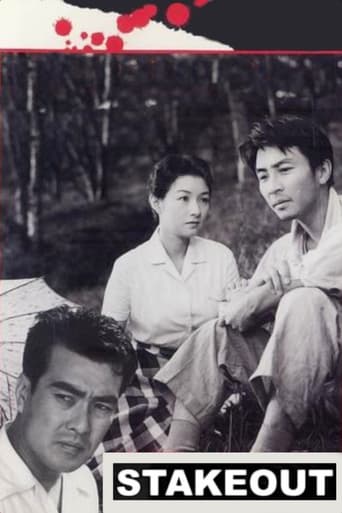 7.1
7.1Two detectives begin a stakeout based on the slim chance of catching a murderer whom they suspect will try to reunite with an old flame.
Stakeout
1958
 7.2
7.2A poor rickshaw driver finds himself helping a young woman and her son after the woman's husband dies suddenly.
The Rickshaw Man
1958
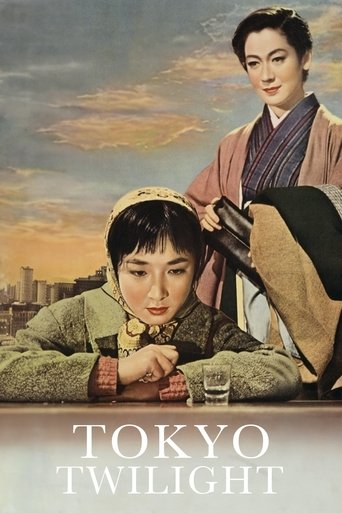 7.7
7.7Two sisters learn about the existence of their long-lost biological mother, but the younger is unable to accept the fact that she was abandoned as a child.
Tokyo Twilight
1957
 7.6
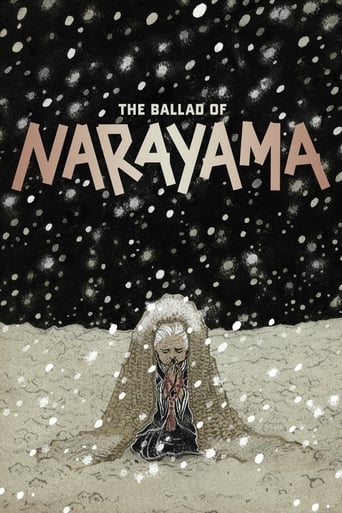
7.6In a remote village where food is scarce, elders who reach the age of 70 are carried by their children to the top of a nearby mountain to die in solitude. Orin, a vibrant 69-year-old grandmother, has accepted her fate — but struggles to prepare the rest of her family for the ritual.
The Ballad of Narayama
1958
 7.5
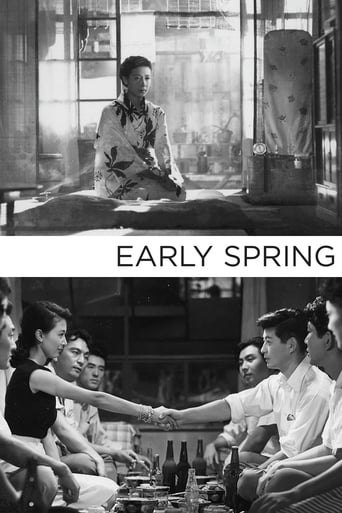
7.5A young salaryman and his wife struggle within the confines of their passionless relationship while he embarks on an extramarital affair.
Early Spring
1956
 6.2
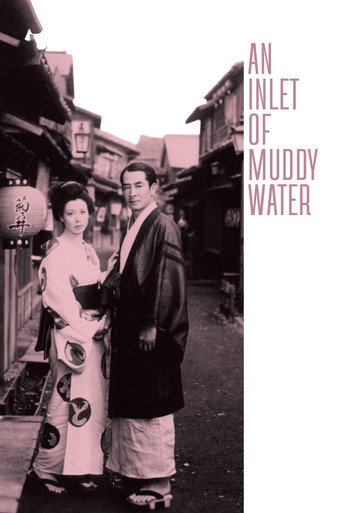
6.2A Japanese woman writes down three stories she has witnessed or heard of in her diary, each about the difficult situation a young woman finds herself in.
An Inlet of Muddy Water
1953
 6.9
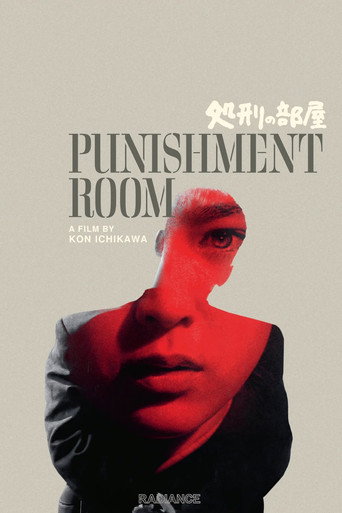
6.9Shimada is a student of U College. When the college's baseball team wins the day, he and his friend Ito drug two girls they met at the game.
Punishment Room
1956
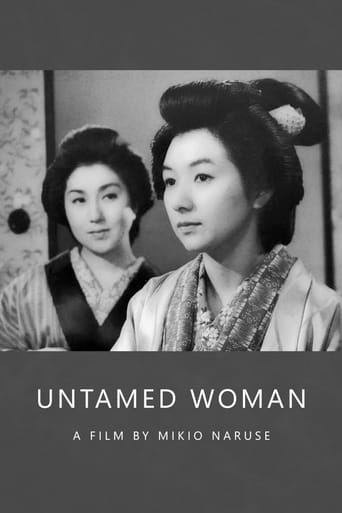 7.5
7.5A woman marries, gives birth to a stillborn child, and divorces, falls in love with a hotel-keeper, only to find herself subordinated to his drive for success, takes up with a tailor who cannot console himself with her strong personality.
Untamed Woman
1957
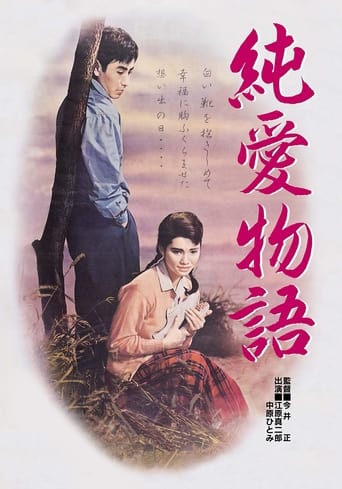 6.8
6.8Junai Monogatari AKA Story of Pure Love is about two poor youths, Mitsuko and Kando, rebelling against society in various ways, who are desperately trying to be together despite tortuous circumstances. The film depicts their lives as thieves, menial laborers who can get little pay, society outcasts, and of course, lovers. Junai Monogatari depicts, mostly, their struggles within the Japanese reformatory system and Mitsuko's worsening sickness.
The Story of Pure Love
1957
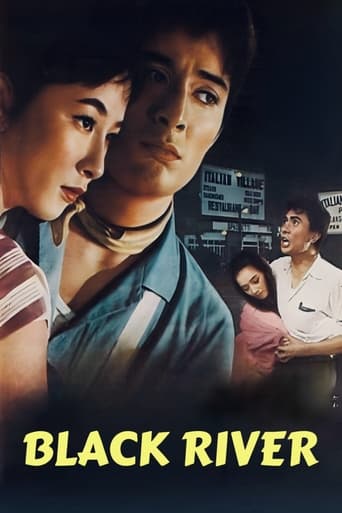 7.0
7.0A love triangle develops between a benevolent student, his innocent girlfriend, and a cruel petty criminal, all as a point of diagnosis of a social disease that had Japan slowly succumbing to lawlessness during the post-War era.
Black River
1957
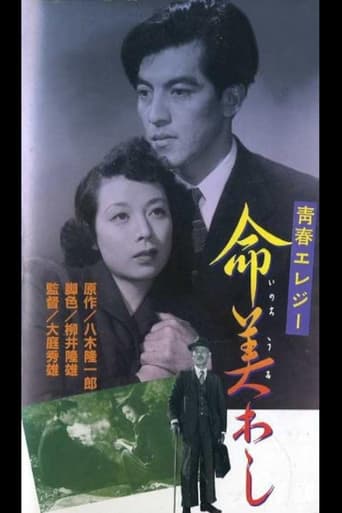 10.0
10.0Inochi uruwashi
Beauty of Life
1951
 6.5
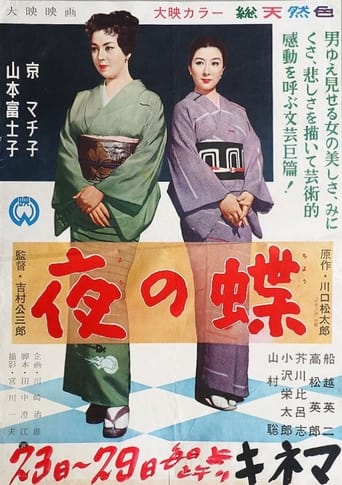
6.5A traditional bar mistress in Kyoto clashes with her Tokyo rival.
Night Butterflies
1957
 7.0
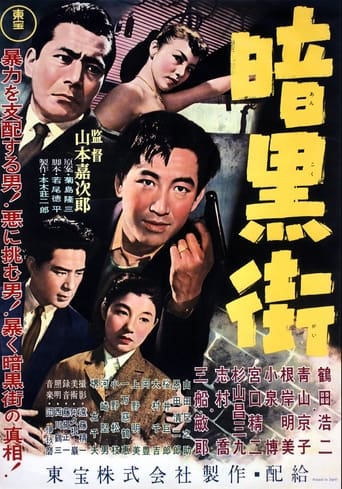
7.0Yakuza boss Furuya leans more and more on his protege Takao Shoji, though Shoji has become romantically involved with Furuya's mistress, Natsue. Furuya himself has fallen in love, with a nurse after his recent hospital stay. As the gang grows more jealous of the favoritism Furuya shows Shoji, they decide to reveal Shoji's relationship with Natsue. But Furuya's affection for Shoji cannot be easily destroyed, even in the gang war that erupts.
The Underworld
1956
 5.4
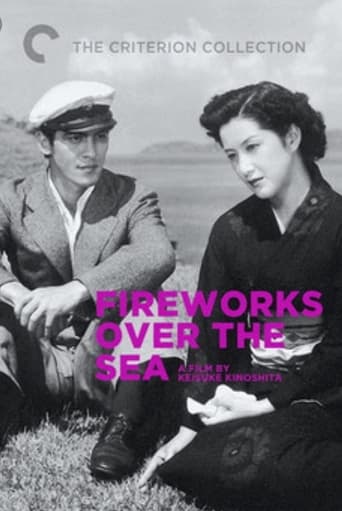
5.4A fishing union depends on two brothers to make up the losses caused by the dishonest captains they replaced.
Fireworks Over the Sea
1951
No synopsis available yet.
In Case of One Woman
1956
 9.0
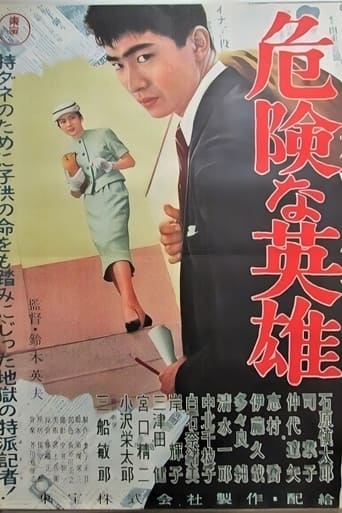
9.0After the son of a wealthy man is kidnapped, a tenacious young reporter decides to find the culprit.
A Dangerous Hero
1957
 8.0
8.0Kyoko is the third daughter of the Nonomiya family, a very ordinary family. Momoko, the eldest daughter, is married to Ichiro, the president of Mihara Shoji, and Riko, the second daughter, is married to Jiro, the managing director, and they plot to marry Kyoko to Saburo, the third son of the Mihara family. Kyoko is angry at the marriage talk that is being pushed forward without her permission, and declares that she "definitely won't get married," but before she knows it, she begins to become aware of the other person...
The Most Valuable Wife
1959
 7.2
7.2Otsuta is running the geisha house Tsuta in Tokyo. Her business is heavily in debt. Her daughter Katsuyo doesn't see any future in her mother's trade in the late days of geisha. But Otsuta will not give up. This film portrays the day time life of geisha when not entertaining customers.
Flowing
1956
 NR
NRNo synopsis available yet.
Akuma no kao
1957