

Directing
Thảo Nguyên Phan
Known for
Directing
Credits
4 titles
Trained as a painter, Phan is a multimedia artist whose practice encompasses video, painting and installation. Drawing from literature, philosophy and daily life, Phan observes ambiguous issues in social conventions and history. She started working in film when she began her MFA in Chicago. Phan exhibits internationally, with solo and group exhibitions including WIELS (Brussels, 2020), Rockbund Art Museum (Shanghai, 2019); Lyon Biennale (Lyon, 2019); Sharjah Biennial (Sharjah Art Foundation, 2019); Gemäldegalerie (Berlin, 2018); Dhaka Art Summit (2018); Para Site (Hong Kong, 2018); Factory Contemporary Art Centre (Ho Chi Minh City, 2017); Nha San Collective (Hanoi, 2017); and Bétonsalon (Pa…
Known for
 NR
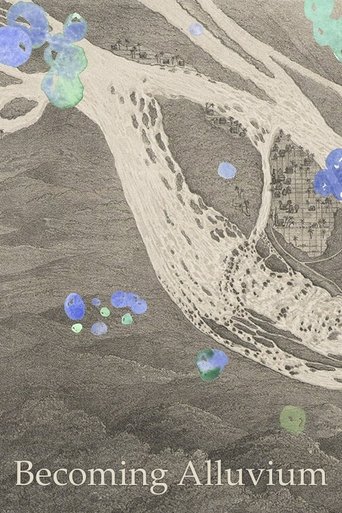
NRIn this emotionally charged contemplation on the glory and the tragedy of the Mekong River, different levels of real and imaginary worlds are brought together. Khmer folk tales, local lore and stories about reincarnation are told through vibrant watercolour animations and observations of daily life. Imbued with a sense of ecological responsibility toward the agricultural realities of the Mekong delta, they reveal a poetic but nonetheless biting consideration of Vietnam's troubled history.
Becoming Alluvium
2019
 NR
NRDepicting the night shift of a young female worker processing cat fish in a factory in Tien Giang province, Mekong Delta, southern Vietnam, "Mêkông Mechanical" presents a day-dreaming journey of the worker, constructed from the perspective of the artist, who intertwines scenes outside of the factory with a single footage of the worker straightening the fish fillets in the assembly line. The footage is gradually slowed down, challenging viewers’ perception while commenting on the industrialization of food processing and its impact on the Mekong Delta region.
Mêkông Mechanical
2012
 NR
NRThe film opens with the fictional narrative of a Vietnamese-Khmer construction worker who specializes in brise-soleil, the concrete lattices for shading and ventilating buildings that, in cities like Ho Chi Minh City (before 1976 named Saigon), unite a traditional Vietnamese building technique with a modern material linked to US domination. The film’s second half, set during the 18th century’s feudal wars, centers on a folkloric love story between a Vietnamese medicinal healer and a Khmer woman that unfolds around the symbolic significance of a durian (or “thouren”) fruit, a major product of the Mekong Delta.
First Rain, Brise-Soleil
2022
 NR
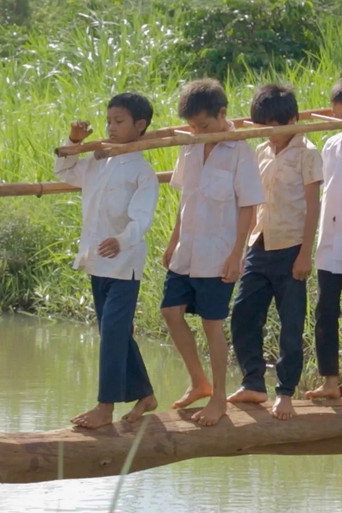
NRTropical Siesta begins in a rural landscape of Vietnam. Very quickly, painted images of students sleeping on their school benches appear. A text speaking of how the communist regime has placed agriculture at the center of its economy reads alongside the images. The script tells of how children have access to only one book History of the Kingdom of Tonkin (1650) by Alexandre de Rhodes, a French Jesuit missionary. In different scenes, children interpret the stories of the book to escape from reality. The landscape of Tropical Siesta recalls the dark period of Communism during which many people were deported or executed— a history that was not written, the amnesia of a people to which the innocence of children respond.
Tropical Siesta
—
Behind the camera
NRIn this emotionally charged contemplation on the glory and the tragedy of the Mekong River, different levels of real and imaginary worlds are brought together. Khmer folk tales, local lore and stories about reincarnation are told through vibrant watercolour animations and observations of daily life. Imbued with a sense of ecological responsibility toward the agricultural realities of the Mekong delta, they reveal a poetic but nonetheless biting consideration of Vietnam's troubled history.
Becoming Alluvium
2019
NRDepicting the night shift of a young female worker processing cat fish in a factory in Tien Giang province, Mekong Delta, southern Vietnam, "Mêkông Mechanical" presents a day-dreaming journey of the worker, constructed from the perspective of the artist, who intertwines scenes outside of the factory with a single footage of the worker straightening the fish fillets in the assembly line. The footage is gradually slowed down, challenging viewers’ perception while commenting on the industrialization of food processing and its impact on the Mekong Delta region.
Mêkông Mechanical
2012
NRThe film opens with the fictional narrative of a Vietnamese-Khmer construction worker who specializes in brise-soleil, the concrete lattices for shading and ventilating buildings that, in cities like Ho Chi Minh City (before 1976 named Saigon), unite a traditional Vietnamese building technique with a modern material linked to US domination. The film’s second half, set during the 18th century’s feudal wars, centers on a folkloric love story between a Vietnamese medicinal healer and a Khmer woman that unfolds around the symbolic significance of a durian (or “thouren”) fruit, a major product of the Mekong Delta.
First Rain, Brise-Soleil
2022
NRTropical Siesta begins in a rural landscape of Vietnam. Very quickly, painted images of students sleeping on their school benches appear. A text speaking of how the communist regime has placed agriculture at the center of its economy reads alongside the images. The script tells of how children have access to only one book History of the Kingdom of Tonkin (1650) by Alexandre de Rhodes, a French Jesuit missionary. In different scenes, children interpret the stories of the book to escape from reality. The landscape of Tropical Siesta recalls the dark period of Communism during which many people were deported or executed— a history that was not written, the amnesia of a people to which the innocence of children respond.
Tropical Siesta
—