
Directing
Randy Brinson
Known for
Directing
Credits
4 titles
Known for
 9.0
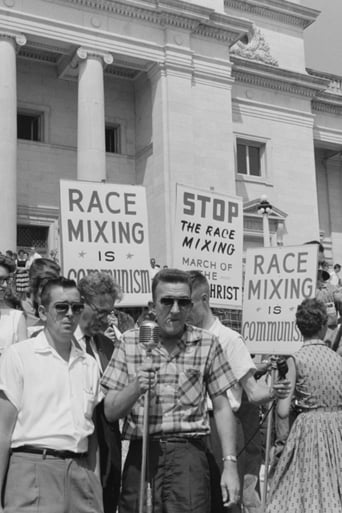
Trilogy of films about race and culture in the Deep South from the end of World War I to the civil rights protests of the 1960's. All three stories deal with fear and isolation, and the role of faith in the lives of those who venture alone into what is unknown around them.
Tales of the Unknown South
1984
Documentary examines the different paths taken by brothers Edward & Asahel Curtis in their photographs of Northwest Indians and Yukon explorers, as well as their influence on Seattle & Washington state
Different Lenses: The Photography of Edward & Asahel Curtis
1996
Anderson is a made-for-TV comic, as this concert at the Guthrie Theatre in his hometown of Minneapolis makes clear. So much of what he is doing with his gentle, little-boy-hurt manner is transmitted with his eyes and facial expressions. Those are nuances you aren’t likely to get if you’re seated beyond the third row, but the home audience sees all. Louie putters through a number of subjects such as driving, guns, shopaholism, car salesmen, the homeless, and being examined at a hospital ER,
Louie Anderson: Comedy On Canvas
1990
Behind the camera
9.0Trilogy of films about race and culture in the Deep South from the end of World War I to the civil rights protests of the 1960's. All three stories deal with fear and isolation, and the role of faith in the lives of those who venture alone into what is unknown around them.
Tales of the Unknown South
1984
Documentary examines the different paths taken by brothers Edward & Asahel Curtis in their photographs of Northwest Indians and Yukon explorers, as well as their influence on Seattle & Washington state
Different Lenses: The Photography of Edward & Asahel Curtis
1996
Documentary examines the different paths taken by brothers Edward & Asahel Curtis in their photographs of Northwest Indians and Yukon explorers, as well as their influence on Seattle & Washington state
Different Lenses: The Photography of Edward & Asahel Curtis
1996
Anderson is a made-for-TV comic, as this concert at the Guthrie Theatre in his hometown of Minneapolis makes clear. So much of what he is doing with his gentle, little-boy-hurt manner is transmitted with his eyes and facial expressions. Those are nuances you aren’t likely to get if you’re seated beyond the third row, but the home audience sees all. Louie putters through a number of subjects such as driving, guns, shopaholism, car salesmen, the homeless, and being examined at a hospital ER,
Louie Anderson: Comedy On Canvas
1990