

Acting
Olga Futemma
São Paulo, São Paulo, Brazil
Acting credits

Behind the camera
 6.0
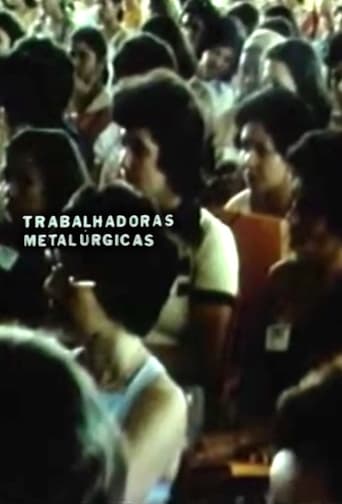
6.0In the late seventies, a group of Brazilian documentary filmmakers traveled to the ABC region in the suburbs of São Paulo with the purpose of recording a wave of worker strikes taking place in response to the negligence of the increasingly powerful and abusive automotive industry. Documenting striking women metal workers, Olga Futemma and Renato Tapajós’ Trabalhadoras Metalúrgicas is a particularly vigorous work among the films produced during this moment in São Paulo worker history. Scenes filmed during the first Congress of Metallurgical Women of São Bernardo and Diadema in 1978 are intercut with images documenting the appalling working conditions against which the women featured in the congress were striking.
Women Metalworkers
1978
6.0In the late seventies, a group of Brazilian documentary filmmakers traveled to the ABC region in the suburbs of São Paulo with the purpose of recording a wave of worker strikes taking place in response to the negligence of the increasingly powerful and abusive automotive industry. Documenting striking women metal workers, Olga Futemma and Renato Tapajós’ Trabalhadoras Metalúrgicas is a particularly vigorous work among the films produced during this moment in São Paulo worker history. Scenes filmed during the first Congress of Metallurgical Women of São Bernardo and Diadema in 1978 are intercut with images documenting the appalling working conditions against which the women featured in the congress were striking.
Women Metalworkers
1978
 NR
NRLiberdade, located in the center of São Paulo, is better known as "the Japanese neighborhood". The film shows immigration, the first Japanese settlements, the daily life of the community and the relationship between tradition and cultural assimilation.
Sob as pedras do chão
1974
 5.0
5.0Four generations of the Japanese woman: the struggle for survival, the cult of traditions, adaptation to the city and cultural dilution.
Retratos de Hideko
1981
5.0Four generations of the Japanese woman: the struggle for survival, the cult of traditions, adaptation to the city and cultural dilution.
Retratos de Hideko
1981
 6.0
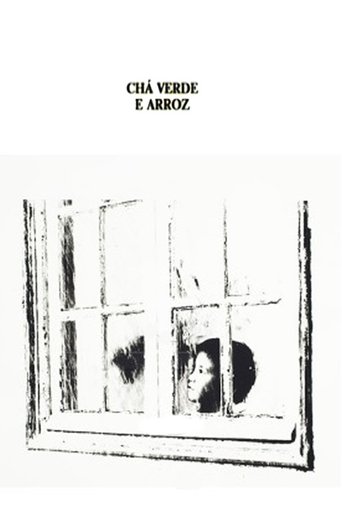
6.0No synopsis available yet.
Chá Verde e Arroz
1989
No synopsis available yet.
Hia Sá-Sá -Hai Yah
1986
 NR
NRThe documentary covers the first phase of the brazilian metalworkers' strike in 1979. It was made to be shown to the workers during the truce between the two phases of the strike, with the aim of mobilizing them for the second phase. The film shows the large assemblies, with more than 100 thousand metalworkers, in the Vila Euclides field, in São Bernardo do Campo; the mobilization for a vigil at the Union; the resulting street conflicts and the triumphant return of the board, headed by Lula, in the great assembly in which the truce was proposed.
Que Ninguém, Nunca Mais, Ouse Duvidar da Capacidade de Luta dos Trabalhadores
1979