
Directing
Chang Chao-Tang
Born — Died
1943-11-17 — 2024-04-02
Place of birth
Taiwan
Known for
Directing
Credits
36 titles
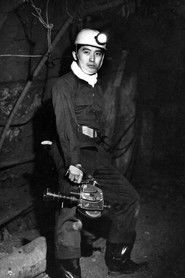
Chang Chao-Tang (張照堂) was a Taiwanese photographer, documentary filmmaker and cinematographer. In 1965, Chang and his teacher Cheng Shang-Hsi (鄭桑溪) organized his first duo exhibition called Modern Photography (現代攝影雙人展). In 1966, he participated in the Modern Poetry Exhibition (現代詩展). In 1967, his 8mm short film Diary (日記) was shown at a screening organized by Theatre Quarterly (劇場). He joined CTV New Channel(中視新聞) in 1968, first as a photojournalist, and then producing documentaries. In 1974, he created an exhibition called Farewell to Photography (攝影告別展). Beside his career as an artist, he also taught at the Institute of Sound and Image of the National University of Taiwan.
Known for
 NR
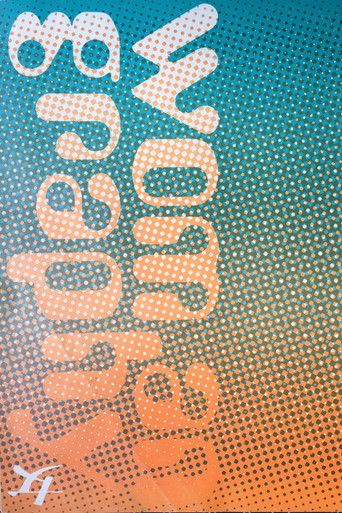
NRA short documentary directed by Chang Chao-Tang (張照堂) while working as a cameraman at China Television Company (中國電視公司), produced for the television program News Highlights (新聞集錦). The film documents the group exhibition “Womangraphy” (「女展」), organized by V-10 (Group Visual-10).
V-10「女展」剪影
1971
 NR
NRArtists contributing to the 1966 Modern Poetry Exhibition included HUANG Hua-cheng, LONG Sih-liang, HUANG Yong-song, and CHANG Chao-tang; each artist chose their favorite modern poems and transformed them into imagery. This film is a time capsule capturing some of the exhibits, as well as the young artists.
Modern Poetry Exhibition/1966
1966
 NR
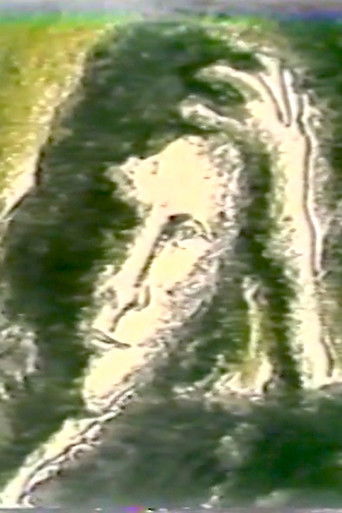
NREarly collaboration between Chang Chan-tang and Christopher Doyle documenting the friendship of their inner circle in Taiwan during the early 80s.
逆旅與幻象
1984
 NR
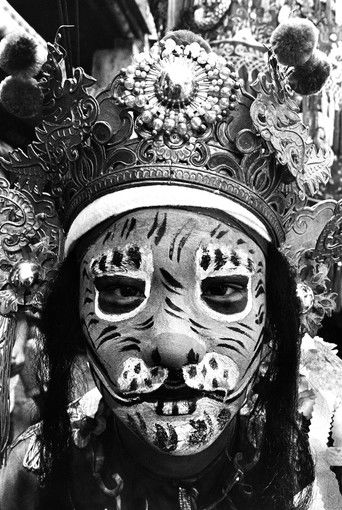
NR"The Beauty of Rituals" (《祭典之美》) by Chang Chao-tang (張照堂) surveys Taiwanese folk festivals across regions and seasons, framing them through the perspectives of archaeologist Chen Chi-lu (陳奇祿), choreographer Lin Hwai-min (林懷民), psychologist Yu Te-hui (余德慧), and painter Shiy De-jinn (席德進). The script and voiceover by Chiang Hsun (蔣勳) articulate the symbolic and affective dimensions of traditional belief.With music by Ma Shui-long (馬水龍), Chou Wen-chung (周文中), Kitaro (喜多郎), and Mike Oldfield, the film juxtaposes Eastern and Western sonic forms, re-mediating ritual as a dynamic contemporary cultural field.
The Beauty of Rituals
1981
 NR
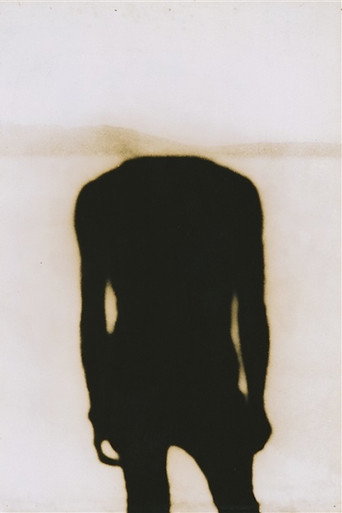
NRA biographical documentary filmed in 1999 on the occasion of Chang Chao-tang (張照堂) receiving the National Award for Arts (國家文藝獎) in the Fine Arts category (美術類). In the film he is credited as both director and editor under the pseudonym “Gao Shang-tu” (高尚土)—a name derived by decomposing the character “tang” (堂) into its constituent elements “gao” (高), “shang” (尚), and “tu” (土). Semantically, the pseudonym implies a counter-reference to the notion of temple-like, institutional “high culture,” redirecting emphasis instead toward the vernacular and the earthy—suggesting that what is truly “noble” lies in the force emerging from the “soil” (土) of the people. For this reason, the film may also be understood as a semi-autobiographical documentary that carries an element of self-writing within its particular historical context.
The Instant of Gaze: Portraits by Chang Chao-Tang
1999
 NR
NRShot by Chang Chao-Tang and cinematographer Christopher Doyle, The Boat Burning Festival captures the ceremony worshipping Wangye(王爺), the local god of plague, held every three years in Sucuo Village(蘇厝) in Tainan(台南), Taiwan. Chang timed the work to "Ommadawn", a Celtic-inspired progressive rock album by Mike Oldfield. Defying genre conventions and deviating stylistically from television or ethnographic documentary, the film testifies to the tense and complex coexistence of traditional rites, local folklore, and discourses about modernisation and identity in 1970s Taiwan.
The Boat-Burning Festival
1979
Film credits
1980s · 2 titles
NREarly collaboration between Chang Chan-tang and Christopher Doyle documenting the friendship of their inner circle in Taiwan during the early 80s.
逆旅與幻象
1984
 NR
NRDuring his period working in Taiwan, Christopher Doyle made this experimental short film documenting the families of friends around him. This film received an Honorable Mention at the 4th Golden Harvest Awards (1981).
家庭/電影
1981
Behind the camera
NRA short documentary directed by Chang Chao-Tang (張照堂) while working as a cameraman at China Television Company (中國電視公司), produced for the television program News Highlights (新聞集錦). The film documents the group exhibition “Womangraphy” (「女展」), organized by V-10 (Group Visual-10).
V-10「女展」剪影
1971
NRArtists contributing to the 1966 Modern Poetry Exhibition included HUANG Hua-cheng, LONG Sih-liang, HUANG Yong-song, and CHANG Chao-tang; each artist chose their favorite modern poems and transformed them into imagery. This film is a time capsule capturing some of the exhibits, as well as the young artists.
Modern Poetry Exhibition/1966
1966
NREarly collaboration between Chang Chan-tang and Christopher Doyle documenting the friendship of their inner circle in Taiwan during the early 80s.
逆旅與幻象
1984
NR"The Beauty of Rituals" (《祭典之美》) by Chang Chao-tang (張照堂) surveys Taiwanese folk festivals across regions and seasons, framing them through the perspectives of archaeologist Chen Chi-lu (陳奇祿), choreographer Lin Hwai-min (林懷民), psychologist Yu Te-hui (余德慧), and painter Shiy De-jinn (席德進). The script and voiceover by Chiang Hsun (蔣勳) articulate the symbolic and affective dimensions of traditional belief.With music by Ma Shui-long (馬水龍), Chou Wen-chung (周文中), Kitaro (喜多郎), and Mike Oldfield, the film juxtaposes Eastern and Western sonic forms, re-mediating ritual as a dynamic contemporary cultural field.
The Beauty of Rituals
1981
NRA biographical documentary filmed in 1999 on the occasion of Chang Chao-tang (張照堂) receiving the National Award for Arts (國家文藝獎) in the Fine Arts category (美術類). In the film he is credited as both director and editor under the pseudonym “Gao Shang-tu” (高尚土)—a name derived by decomposing the character “tang” (堂) into its constituent elements “gao” (高), “shang” (尚), and “tu” (土). Semantically, the pseudonym implies a counter-reference to the notion of temple-like, institutional “high culture,” redirecting emphasis instead toward the vernacular and the earthy—suggesting that what is truly “noble” lies in the force emerging from the “soil” (土) of the people. For this reason, the film may also be understood as a semi-autobiographical documentary that carries an element of self-writing within its particular historical context.
The Instant of Gaze: Portraits by Chang Chao-Tang
1999
NRShot by Chang Chao-Tang and cinematographer Christopher Doyle, The Boat Burning Festival captures the ceremony worshipping Wangye(王爺), the local god of plague, held every three years in Sucuo Village(蘇厝) in Tainan(台南), Taiwan. Chang timed the work to "Ommadawn", a Celtic-inspired progressive rock album by Mike Oldfield. Defying genre conventions and deviating stylistically from television or ethnographic documentary, the film testifies to the tense and complex coexistence of traditional rites, local folklore, and discourses about modernisation and identity in 1970s Taiwan.
The Boat-Burning Festival
1979
 NR
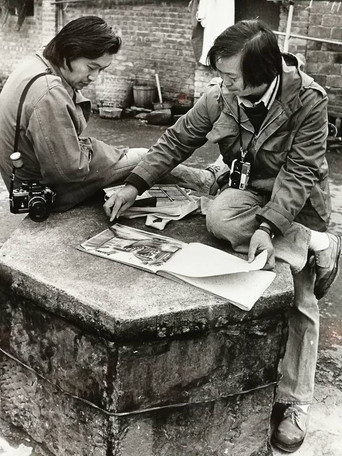
NRThis landmark 1981–82 documentary series consists of weekly 25-minute episodes filmed across Taiwan using an ENG (Electronic News Gathering) camera. It documents local customs and social textures through a distinctly humanistic lens. The project also marks an early collaboration between Christopher Doyle and Chang Chao-Tang.
Journey through Images
1981
 NR
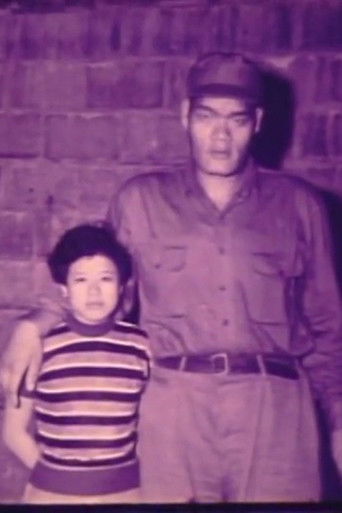
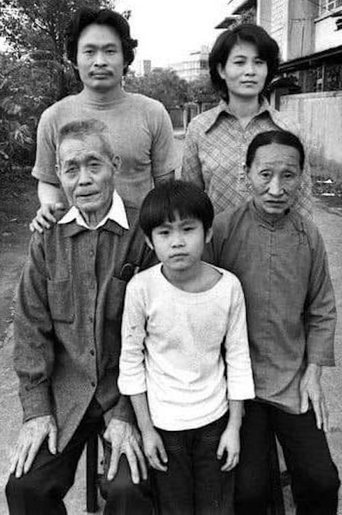
NRThis short documentary portrays Chang Yingwu (1921–1984), a man whose extraordinary body became a site where medicine, spectacle, and state power intersected. Born in Beijing and later relocated to Taiwan, Chang lived with acromegaly, reaching a height far beyond ordinary human scale. Once exhibited, later enlisted, and eventually turned into a public figure through sport and media, his life traces how an anomalous body is disciplined, displayed, and normalized by social institutions. Filmed with restraint rather than sensationalism, the work observes Chang’s daily gestures and silences, allowing his presence to expose the fragile boundary between individuality and social gaze.
張英武素描
1973
 NR
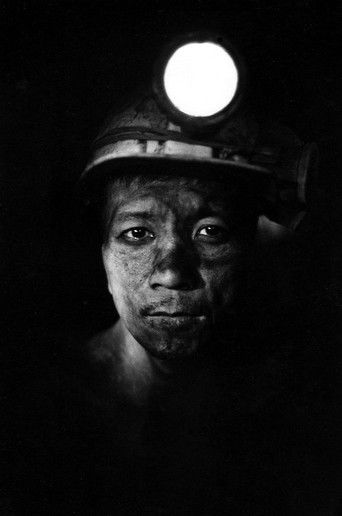
NRAn intimate two-person portrait of painter Hsieh Hsiao-te (謝孝德) and his illiterate, self-taught sculptor father Hsieh Chin-shou (謝金壽), exploring urban-rural tensions, generational differences, and divergences in their choice of media. A short documentary from Chang Chao-tang’s (張照堂) tenure on the China Television Company’s News Highlights (新聞集錦) program.
父子藝術家
1972
 NR
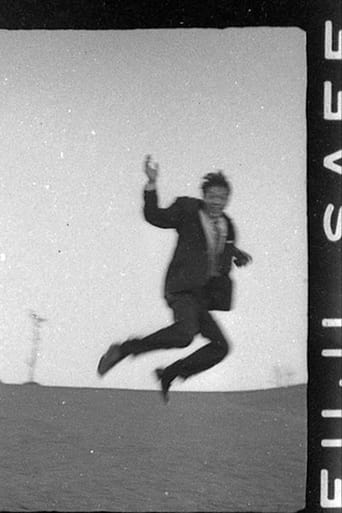
NR“Journey into the Mine” (礦之旅) is a 1981 documentary directed by Chang Chao-Tang (張照堂). Part of the “Journey Through Images” series (映象之旅), it documents the Ruìsān Coal Mine (瑞三煤礦) in Houtong, Ruifang (瑞芳侯硐). Using a portable ENG camera, the crew descended 600 meters underground to record miners working amid heat, coal dust, and gas hazards. Rejecting elite-centered television perspectives, the film foregrounds the resilience of working-class laborers. Its essayistic voice-over is paired with ECM jazz and blues, creating a distinctive tone. In 1982, it won the Golden Bell Award (金鐘獎) for Best Educational and Cultural Program. A rebroadcast added footage of the Neihu Futian Coal Mine disaster (內湖福田煤礦災變), producing a stark dialogue between policy narrative and industrial tragedy. Its footage was later used in Hou Hsiao-hsien’s 1986 film Dust in the Wind”(戀戀風塵).
Journey into the Mine
1981
 NR
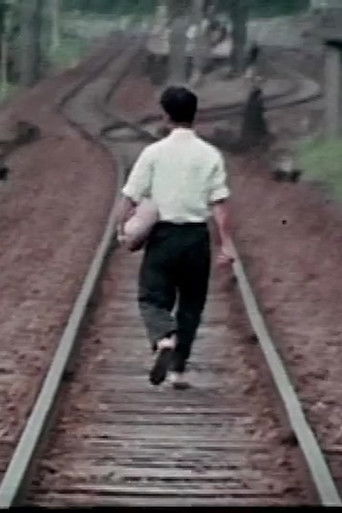
NRAn in-depth documentary on the reclusive Taiwanese artist Huang Hua-Cheng and his avant-garde legacy. Commissioned by the Taipei Fine Arts Museum for the retrospective exhibition: “An Open Ending: Huang Hua-Cheng” (2020).
Regarding Huang Hua-Cheng
2020
 NR
NR"On the Road" has neither script nor narration. It only includes music and percussion by Nana Vasconcelos and Ralph Towner, as well as singing and lute music by a blind woman. The counterpoint and interweaving of these passages in time seem to communicate the transmigration of life and the flow of time. Birth and death move in a cycle like the eternal earth, and people can only constantly walk along the road.
On the Road
2003
 NR
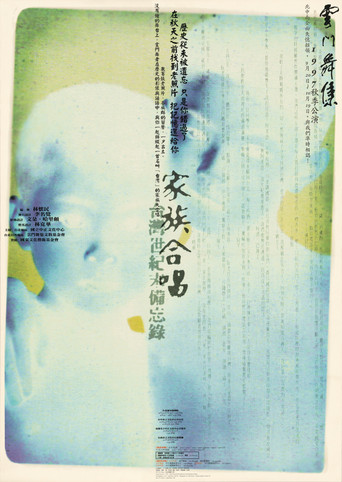
NRThis landmark dance film presents *Portrait of the Families*, a defining work by Lin Hwai-min and Cloud Gate Dance Theatre of Taiwan, directed for screen by Chang Chao-Tang. *Portrait of the Families* is a mournful elegy for loss. Dancers move amid projections of nearly 200 historical Taiwanese photographs collected by Chang Chao-Tang and the voices of oral histories, evoking the deep scars and pain left by the 228 Incident and the White Terror. This film captures the original staging from the work’s 1997 premiere.
Portrait of the Families
1997
 NR
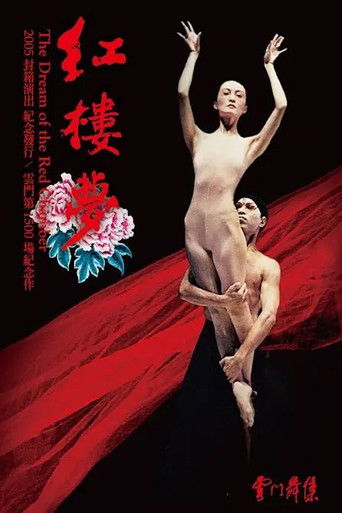
NRThis dance film presents Dream of the Red Chamber as reimagined by Lin Hwai-min and performed by Cloud Gate Dance Theatre of Taiwan, directed for screen by Chang Chao-Tang. Inspired by the classic Chinese novel, the story centers on the fragile love between Jia Baoyu, Lin Daiyu, and Xue Baochai, set against the rise and fall of a great aristocratic family. Lin’s choreography frames the tale as a memory: a young man who has left the garden looks back on a vanished world. The Twelve Beauties appear in flowing, embroidered costumes, moving through falling flowers and shifting seasons. Classical imagery merges with contemporary dance, creating a restrained yet lyrical visual language. Premiered in 1983, the work became one of Cloud Gate’s signature productions. In 2005, Lin retired the piece as the company turned toward a more austere, introspective aesthetic. This film preserves a late-stage performance, documenting a key work from Cloud Gate’s early repertoire.
The Dream of the Red Chamber
2005
 NR
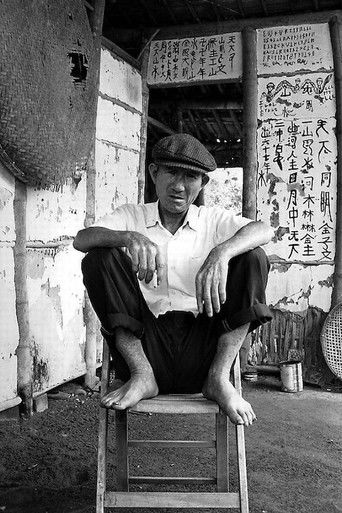
NRUsing footage shot between 1974 and 1978, this experimental documentary offers an intimate portrait of Hung Tung, one of Taiwan’s most singular outsider artists. Born in 1920 in Nankunshen, Tainan, orphaned at a young age, Hung Tung worked as a laborer, fisherman, and spiritual medium before suddenly beginning to paint at fifty. His densely imagined world—filled with plants, humans, animals, gods, ghosts, and symbols—captivated the Taiwanese art scene of the 1970s and secured his reputation as a legendary folk artist. Combining observational footage, interviews, and a distinctive musical structure—from Tibor Szemző’s evocation of innocence to Leonard Cohen’s “Bird on the Wire”—the film traces a life of solitude, frustration, and pride, shaping a restrained yet poignant portrait of an artist who remained fiercely autonomous within his own inner universe.
Homage to Hung Tung
2000
 NR
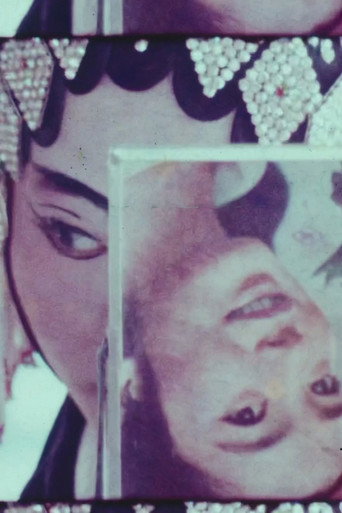
NRThis documentary directed by Chang Chao-Tang (張照堂) captures a pivotal cultural moment in 1977 Taiwan. As traditional performing arts faced the pressures of modernization, professor Chiu Kun-liang (邱坤良) led a group of university students to apprentice under the masters of the historic Ling'an Society, learning "zidixi" (子弟戲)—a form of grassroots, self-organized folk opera troupe tradition. Breaking down the boundaries between academia and vernacular culture, this “cultural action” culminated in a series of open-air public performances. The film functions more as an archival record, preserving fragments of the troupe’s world: the process of stage makeup, the youthful faces of the performers, and fleeting scenes from outdoor stage performances. Through raw and evocative imagery, Chang captures the sweat, rhythms, and fervent idealism of a younger generation attempting to revive the fading sounds and social spirit of Beiguan opera from the ground up.
Archive / Ling-An Society
1977
 NR
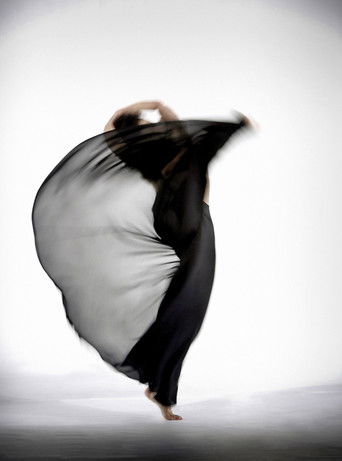
NR"Wild Cursive" is the third piece of Taiwanese dancer and choreographer Lin Hwai-min's Cursive trilogy, a captivating series translating the development of the fascinating art form of Chinese calligraphy into dance. As Lin says himself, the final part marks the climax of the trilogy, because it corresponds to the completely detached, free and highly abstract forms of “spontaneous” calligraphy. The performance contains elements of Tai Chi and is musically accompanied by compositions by Jim Shum and Liang Chun-mei. The performance was recorded in 2009 at the National Theater in Taipei, Taiwan.
Wild Cursive
2009
 NR
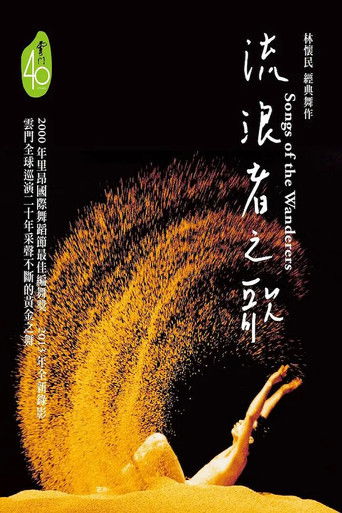
NRThis dance film presents Siddhartha as reimagined by Lin Hwai-min and performed by Cloud Gate Dance Theatre of Taiwan, directed for screen by Chang Chao-Tang. Inspired by Hesse’s novel and a pilgrimage to Bodh Gaya, where the Buddha attained enlightenment, Lin created a work of stillness and elemental force. The stage is shaped by tons of golden rice grains into shifting landscapes—like rain, waterfalls, and deserts. Georgian folk songs flow through the space as dancers, carrying wooden staffs, move in slow, spiraling journeys, while a monk in white remains motionless. In the final scene, a dancer rakes the grains into vast concentric circles, forming an image of quiet intensity. Premiered in 1994, this 90-minute work is one of Lin’s key creations. Widely toured and acclaimed, it remains among Cloud Gate’s most performed works. Recorded in high definition, this 2013 version stands as the definitive edition of this landmark piece.
Songs of the Wanderers
2013
 NR
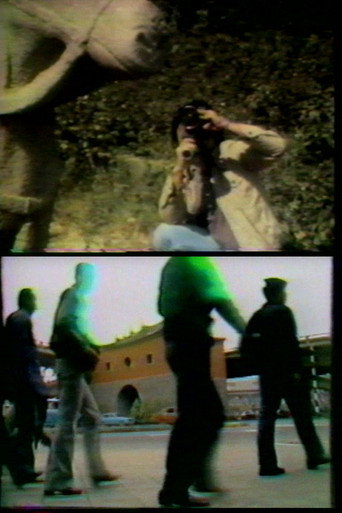
NRIn the late 1970s, public concern over cultural heritage preservation began to emerge in Taiwan. During his tenure at China Television Company (中國電視公司), Chang Chao-Tang (張照堂) produced a special feature for the news program “Sixty Minutes” (《六十分鐘》), documenting sites including the Chen Residence in Yongjing, Changhua (彰化永靖陳厝), the Ye Family Octagonal House in Yanshui, Chiayi (嘉義鹽水葉厝八角樓), the tomb of Zheng Chonghe in Houlong, Miaoli (苗栗後龍鄭崇和墓園), the tomb of Wang Delu in Xingang, Chiayi (嘉義新港王得祿墓園), and the controversial relocation of the Lin An-Tai Historic House in Taipei (台北林安泰古厝). Filmed with Christopher Doyle (杜可風) and featuring interviews with Ma Yi-Kung (馬以工) and Lee Chien-Lang (李乾朗), the program documented the growing tensions between modernization, urban development, and historical preservation in postwar Taiwan.
Archive / Preserving Taiwan’s Historic Sites
1979
 NR
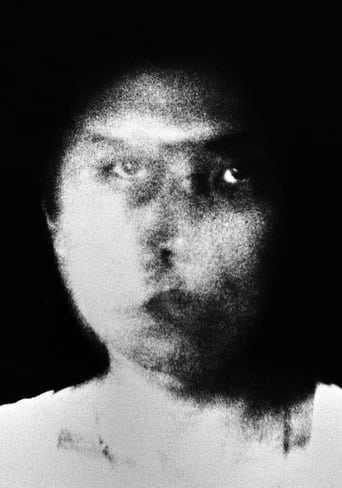
NRFace in Motion depicts Chang Chao-Tang from the shoulders up, dressed in a light tank top, shaking his head and contorting his face. The background is pitch black, and he is lit with an almost otherworldly glow. The artist recorded at two frames per second, rather than the typical twenty-four, speeding up the erratic movement. He occasionally flips upside down or appears in blue and green colourised layers on top of the colourless original. A high-intensity electronic track, ‘Pulstar’, by the Greek musician Vangelis, accompanies the video and accentuates its volatile energy.
Face in Motion
1976
 NR
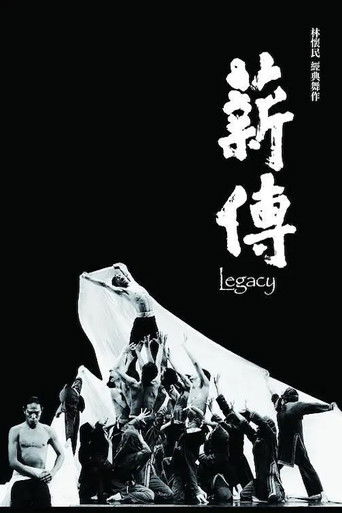
NRThis landmark dance film presents Legacy, a defining work by Lin Hwai-min and Cloud Gate Dance Theatre of Taiwan, directed for screen by Chang Chao-Tang. Premiered in 1978, the work marked one of the first major theatrical productions centered on Taiwan’s own history, leaving a powerful and immediate impact. Built on a strong sense of ritual, Legacy evokes collective memory and identity, reflecting Cloud Gate’s commitment to engaging with society and history through dance. This documentary captures a 2003 performance for the company’s 30th anniversary. With live percussion by JUT Percussion Group and the voice of Chen Da, the dancers push their physical limits in an intense and deeply emotional staging.
Legacy
2003
 NR
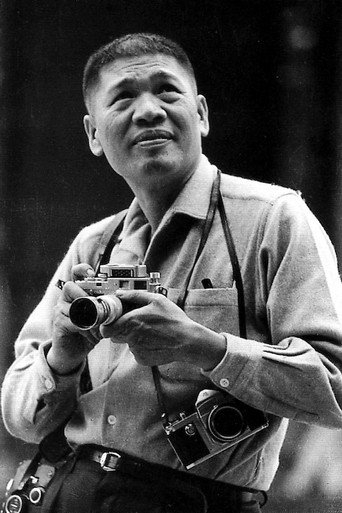
NRDeng Nan-guang (鄧南光, 1907–1971), Chang Tsai (張才, 1916–1994), and Lee Ming-tiao (李鳴鵰, 1922–2013) are regarded as three of the most important prewar-generation photographers in Taiwanese photographic history, collectively known as the “Three Musketeers of Photography”. Directed by Chang Chao-Tang (張照堂), this documentary revisits their artistic trajectories, photographic styles, historical contexts, and contributions to the development of documentary photography in Taiwan. Particularly valuable are the interview segments featuring Chang Tsai and Lee Ming-tiao themselves, which preserve rare firsthand testimonies from two pivotal figures in early Taiwanese realist photography.
Faces of the Century: The Three Musketeers of Taiwanese Photography
2001
 NR
NRChen Da, born in 1905, learned traditional Taitung-style songs as a boy. Working as a cowherd and fisherman, he travelled from Hengchun to Taitung. He began his career as a wandering minstrel at 20. Homage to Chen Da portrays his life and singing in various settings, including his hometown and the well-known musical venue in Taipei, Scarecrow Restaurant.
Homage to Chen Da
2000
 NR
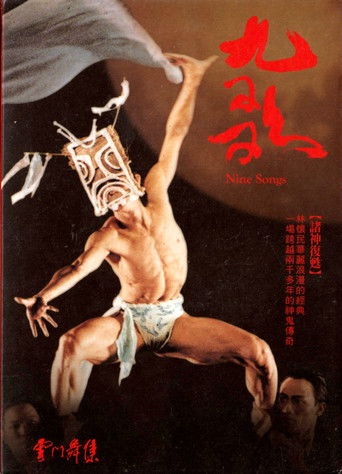
NRThis dance film presents Nine Songs as reimagined by Lin Hwai-min and performed by Cloud Gate Dance Theatre of Taiwan, directed for screen by Chang Chao-Tang. Drawing on ancient ritual poetry, the work evokes prayers to heaven and earth, spirits and ancestors, as well as love and mourning. Masked gods and human figures move together in a ceremonial structure, staging a timeless vision of human experience. Premiered in 1993, Nine Songs became one of Cloud Gate’s most important works. A studio fire in 2008 nearly caused the piece to be lost, but a surviving ceremonial mask remained as a trace of its legacy. This film records the production before the fire, preserving its original form. Moving across layered time and space, the choreography creates a powerful, immersive atmosphere. Through moments of wonder, grief, and ecstasy, the work unfolds toward a state of clarity and quiet transcendence.
Nine Songs
2007
 NR
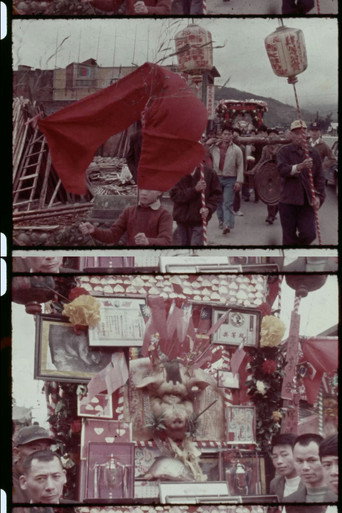
NRThe “Sai Jhu Gong” (賽豬公, Sacred Pig Competition) is a major annual ritual associated with the Sansia Ancestor Master Temple (三峽祖師廟), held each year on the sixth day of the first lunar month. This film documents the ceremonial proceedings of the 1973 “Sai Jhu Gong” (賽豬公) observance. Dispensing with narration altogether, the film’s soundscape consists exclusively of Beiguan (北管) music and liturgical recitation (祭儀口白). In terms of audiovisual construction and thematic orientation, the work may be understood as a transitional piece within the folklore-oriented documentary practice of Chang Chao-Tang (張照堂), situated between the more conventionally structured The Homecoming Pilgrimage of Dajia Mazu (大甲媽祖回娘家, 1974) and the more formally experimental The Boat Burning Festival (王船祭典, 1979).
Archive / The Sacred Pig Competition of Sansia
1973
 NR
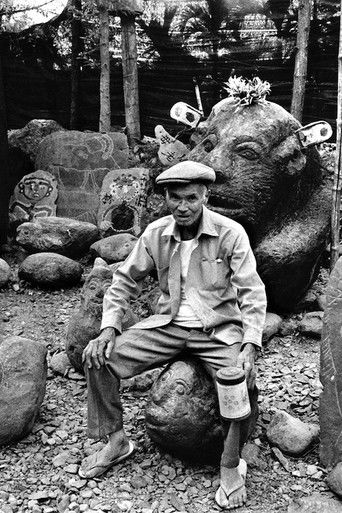
NRDocumenting outsider artist Lin Yuan (林淵, 1913-1992), a self-taught folk artist from Nantou (南投), and his stone sculptures—works marked by simplicity, naturalness, and a vital rural vernacular spirit.
Carving, Lin Yuan
2003
 NR
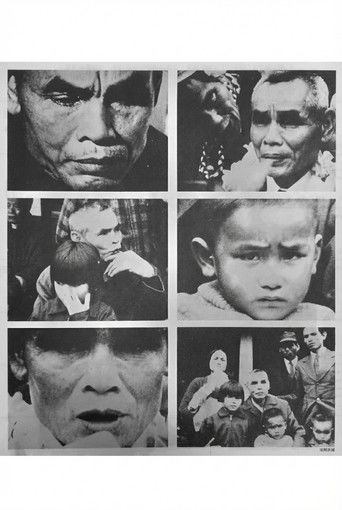
NRArchive / Lee Guang-Hui is a 30-minute compilation film assembled from footage independently preserved by Chang Chao-Tang between 1975 and 1979 during his work as a television cameraman. Documenting the final years of Lee Guang-Hui—an Indigenous Taiwanese former Japanese soldier who lived in isolation in Indonesia for nearly three decades after World War II—the film traces his return to Taiwan, brief media exposure, and death. Neither a conventional documentary nor a completed historical account, the work functions as an unfinished archive, juxtaposing official rituals, media spectacle, and moments of silence to expose the erasure of subjectivity and the unresolved fractures of postwar history.
Archive / Li Guang-hui
1979
 NR
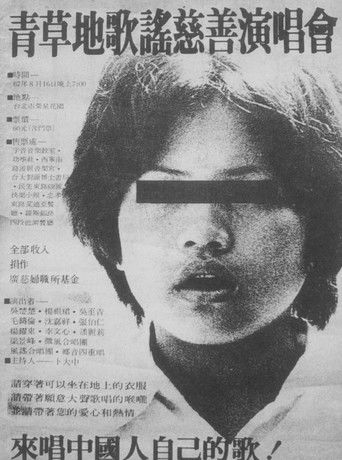
NRDocumenting Taiwan’s first large-scale postwar outdoor concert, this film revisits the 1978 Grass Field Charity Concert, an unprecedented gathering of over 4,000 people. Organized by singer and television host Yang Tsu-Chun (楊祖珺) during the height of the island’s folk song movement, the event foregrounded music’s relationship with everyday life rather than overt political messaging. Yet its significance was inseparable from the era’s tensions: Yang’s self-titled album had recently been banned for the perceived “left-wing” social consciousness of her lyrics, and despite the concert’s stated charitable intent, its scale and popular appeal drew the scrutiny of Kuomintang (KMT) intelligence agencies. Framed against late-1970s Taiwan, the film documents how music, public space, and cultural expression intersected under authoritarian surveillance, marking a pivotal moment in the history of popular music and collective gathering.
Yang Tsu-chuen and the Green Field Charity Concert
1978
 NR
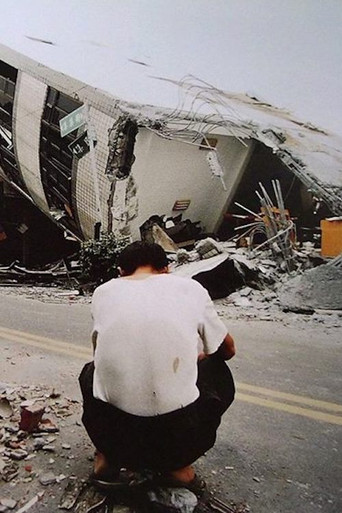
NRAfter the 921 earthquake, seven faculty members and students from Tainan National University of the Arts took cameras and went to six disaster-stricken areas to document and interview. They captured 13 hours of footage, which was structured into ten segments reflecting the grief, resilience, and lessons inspired by the earthquake.
Suffering And Enlightenment
1999
 NR
NR* Not to be confused with the 1979 version. Shot in Sucuo Village, in Tainan, Taiwan, by Chang Chao-Tang and Christopher Doyle, “The Boat Burning Festival” (1979) captures a ritual that takes place every two years. In 2019 a new, alternative version titled “The Boat Burning Festival+” featuring original music by Lim Giong was commissioned by M+ museum in Hong Kong.
The Boat Burning Festival+
2019
 NR
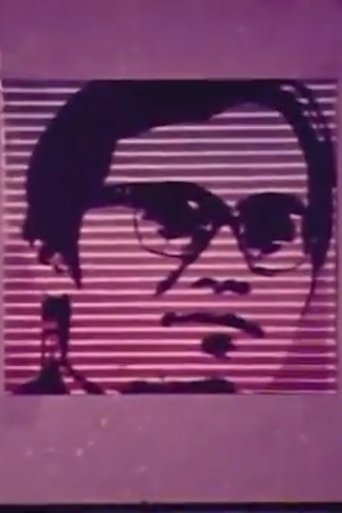
NRA short experimental documentary directed by Chang Chao-Tang (張照堂) during his tenure at the China Television Company (中國電視公司) for the program News Highlights (新聞集錦). Using an abstract visual approach, Chang captures the printmaker Liao Shiou-Ping (廖修平) in his thirties, at the height of his creative vigor. The film is entirely without narration and is accompanied by composer Chou Wen-Chung’s (周文中) modernist piece "Cursive" (草書).
版畫家廖修平
1973