
Directing
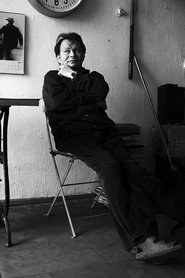
Oleg Morozov
Born — Died
1959-01-01 — 2009-01-01
Known for
Directing
Credits
4 titles
He graduated from the Faculty of Cinematography of the Moscow Institute of Cinematography. Then he collaborated with the experimental film workshop at the Lenfilm studio. At the end of his life, he returned to Kaliningrad, where he shot his last film, The Next Sunday.
Known for
 7.5
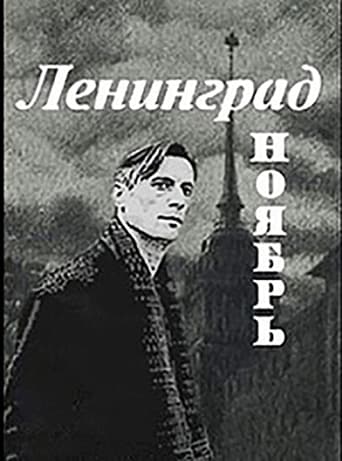
After a ten year long stay in West Germany, Max returns to the Soviet Union to visit his deadly ill father in Leningrad. There he finds a friend in a man who calls himself Igor and he begins a love-affair with the deafmute Lena. Around Max' relationship to his father, Igor and Lena, losely held episodes give a many fasetted portrait of Leningrad and its inhabitants. In the eyes of the returning Max, the city is at once well-known and foreign. Lyrically saturated images and sophisticated editing contributes to making the film an expressive description of a changing city.
Leningrad. November
1990
 NR
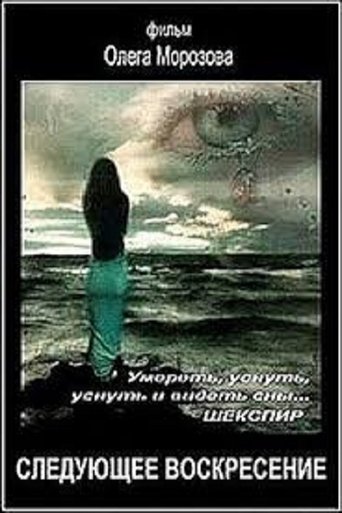
Shortly after the war, Kaliningrad is populated by Russian newcomers and becomes a bleak home to heroes whose inevitable slide towards a tragedy is somewhat similar to the fates of protagonists of classical Russian literature. The film portraying their story had been shot over a period of more than 10 years and doesn't falter eye to eye with physical pain.
Until the Next Resurrection
2008
Behind the camera
7.5After a ten year long stay in West Germany, Max returns to the Soviet Union to visit his deadly ill father in Leningrad. There he finds a friend in a man who calls himself Igor and he begins a love-affair with the deafmute Lena. Around Max' relationship to his father, Igor and Lena, losely held episodes give a many fasetted portrait of Leningrad and its inhabitants. In the eyes of the returning Max, the city is at once well-known and foreign. Lyrically saturated images and sophisticated editing contributes to making the film an expressive description of a changing city.
Leningrad. November
1990
NRShortly after the war, Kaliningrad is populated by Russian newcomers and becomes a bleak home to heroes whose inevitable slide towards a tragedy is somewhat similar to the fates of protagonists of classical Russian literature. The film portraying their story had been shot over a period of more than 10 years and doesn't falter eye to eye with physical pain.
Until the Next Resurrection
2008