
Directing
Juan Forch
Born
1948-01-01 (78)
Place of birth
Santiago de Chile, Chile
Known for
Directing
Credits
11 titles
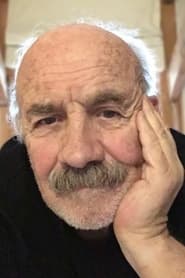
The Chilean director, author and photographer Juan Forch was born in Santiago, Chile, in 1948. He studied journalism at the Universidad de Chile. While still a student, he worked as a photojournalist for Ramona magazine and joined the ChileFilms company as a scriptwriter and director for short documentaries. In 1972, he also co-wrote with Lucho Abarca the well-known study, Viaje por la juventud (A Journey through Youth, Quimantú publishing house), about the subculture youth scene in Chile. After the military coup in Chile in 1973 and a short detention, he immigrated to East Germany via Mexico. After working at the camera manufacturer, Dresden Pentacon, he joined the DEFA Studio for Animation…
Known for
 NR
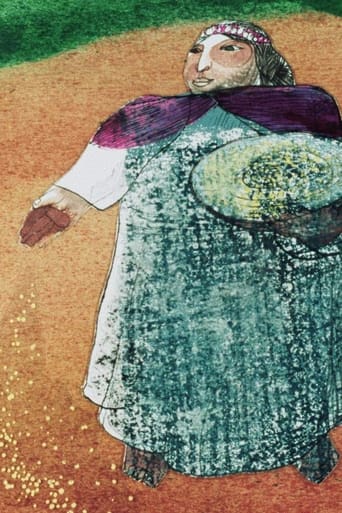
NRThe Mapuche tribe asks their Gods for help in difficult situations, including illness and drought. When the Spanish conquerers on their horses invade their country, the indigenous people think that they are aliens. The Spaniards capture and enslave many of the Mapuche tribe. Lautaro, a young captured native, realizes that these aliens are human beings without any divine power. He learns to use their weapons and organizes a resistance movement against the intruders.
Lautaro
1978
 NR
NRThis silhouette-animated short exposes the Pinochet government through comparisons to Hitler's Nazi regime.
Hitlerpinochet
1975
 NR
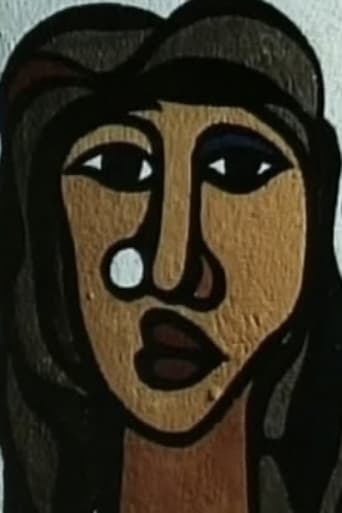
NRThis short animation collage uncovers the financial backing of the Chilean Junta bosses by the US. Screened at the 1976 Oberhausen Int. Film Festival.
Chile
1975
 NR
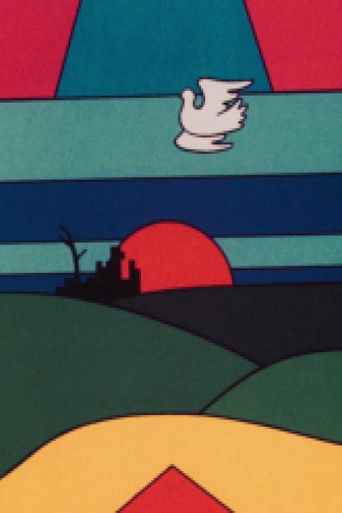
NRArtists in exile make visible the solidarity with Chile in the wake of 11 September 1973: a celebration of colours and shapes in opposition to the dictatorship.
Chile Lives
1976
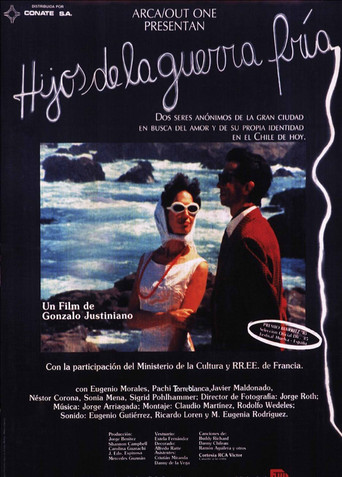 7.0
7.0Gáspar is a public employee and Rebeca works in a funeral home,they reflect the discontent of a generation that has suffered the vicissitudes of Chile in the 1980s. Through it, the film explores how the working middle class survives such a convulsive environment.
Children of the Cold War
1986
A female television journalist has a strange affair with a terrorist.
Mi último hombre
1996
Film credits
1990s · 1 titles
Behind the camera
NRThe Mapuche tribe asks their Gods for help in difficult situations, including illness and drought. When the Spanish conquerers on their horses invade their country, the indigenous people think that they are aliens. The Spaniards capture and enslave many of the Mapuche tribe. Lautaro, a young captured native, realizes that these aliens are human beings without any divine power. He learns to use their weapons and organizes a resistance movement against the intruders.
Lautaro
1978
NRThe Mapuche tribe asks their Gods for help in difficult situations, including illness and drought. When the Spanish conquerers on their horses invade their country, the indigenous people think that they are aliens. The Spaniards capture and enslave many of the Mapuche tribe. Lautaro, a young captured native, realizes that these aliens are human beings without any divine power. He learns to use their weapons and organizes a resistance movement against the intruders.
Lautaro
1978
NRThis silhouette-animated short exposes the Pinochet government through comparisons to Hitler's Nazi regime.
Hitlerpinochet
1975
NRThis silhouette-animated short exposes the Pinochet government through comparisons to Hitler's Nazi regime.
Hitlerpinochet
1975
NRThis short animation collage uncovers the financial backing of the Chilean Junta bosses by the US. Screened at the 1976 Oberhausen Int. Film Festival.
Chile
1975
NRArtists in exile make visible the solidarity with Chile in the wake of 11 September 1973: a celebration of colours and shapes in opposition to the dictatorship.
Chile Lives
1976
 NR
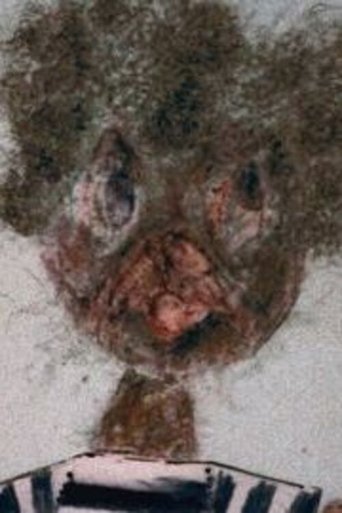
NRPlaying children are hit by the neutron bomb. Their clothes remain behind which a business man collects and puts up for sale.
Neutronenfrieden?
1978
 NR
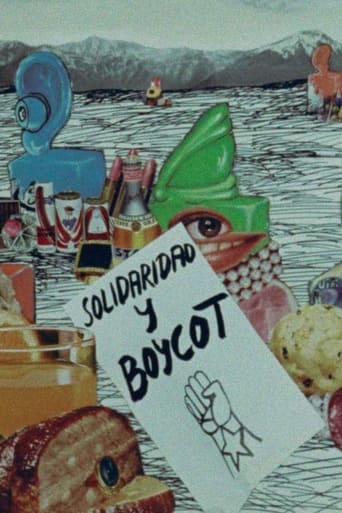
NRCombining collage animation and live action, this short depicts the achievements of the Chilean people under the Allende government and the subsequent reversal of this progress following the military coup. The collages were created by East German media artist Lutz Dammbeck; the Chilean artists Juan Forch and Vivienne Barry did the animation.
Nobody Can Stop the Revolution
1976
 NR
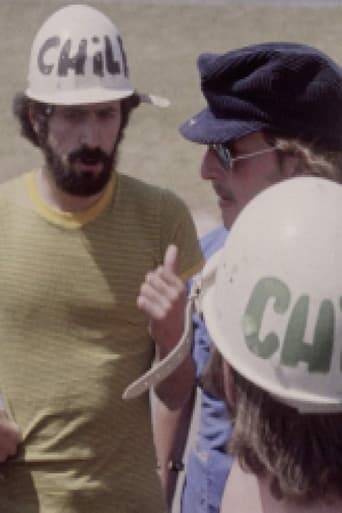
NRDuring the 16th Workers' Festival in Dresden in 1976, a student group of Chilean emigrants paints a mural symbolically depicting the activity of the Unidad Popular during Salvador Allende's reign. Festival guests comment on this work. Music by Chilean music group Jaspampa, formed in Leipzig in 1972.
La Brigada – A Mural for the Unidad Popular in Dresden
1976