

Acting
Y. V. Rao
Born — Died
1903-05-30 — 1973-02-13
Place of birth
Nellore, Madras Presidency, British India
Known for
Acting
Credits
9 titles
Yaragudipati Varada Rao (30 May 1903 – 13 February 1973), also known as Y. V. Rao was an Indian film producer, director, thespian, screenwriter, editor and actor known for his works predominantly in Telugu, Kannada and Tamil cinema. One of the pioneers of Telugu cinema, Rao plunged into drama and did a few stage plays before moving to Kolhapur and Bombay to act in silent films. R. S. Prakash Rao, son of Raghupathi Venkaiah Naidu, cast him as lead actor in many silent films such as Garuda Garva Bhangam, Gajendra Moksham and Rose of Rajasthan. Rao moved into film direction and made silent films such as Pandava Nirvan (1930), Pandava Agnathavaas (1930) and Hari Maya (1932). In 1940, he directe…
Known for
 10.0
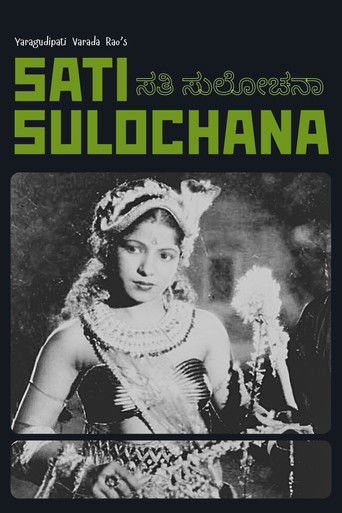
10.0Sati Sulochana is based on the character Sulochana from the Ramayana. She is the wife of Indrajit and the daughter-in-law of Ravana, the demon-king in Ramayana.
Sati Sulochana
1934
 NR
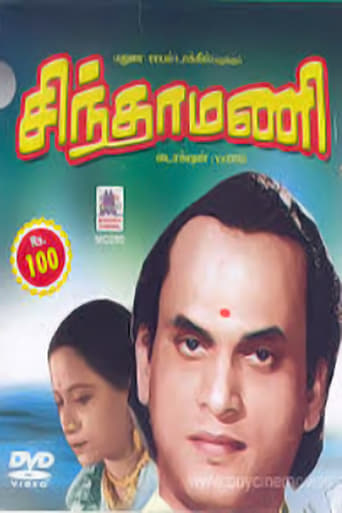
NRChintamani (Tamil: சிந்தாமணி) is a 1937 Tamil-language film directed by Y. V. Rao starring M. K. Thyagaraja Bhagavathar, Serugulathur Sama and Aswathamma.[2] It was the first Tamil film to run for a year in a single theatre. Chintamani was based on the legendary story of a Sanskrit poet and devotee of Lord Krishna named Bilwamangal (M. K. Thyragaraja Bhagavathar). Bilwamangal, a resident of Varanasi, was a Sanskrit scholar, who gets infatuated towards a courtesan called Chintamani (Aswathamma), a woman of ill-fame. As a result, he deserts his wife. However, Chintamani is an ardent devotee of Lord Krishna (Serugalathur Sama) and spends most of her time singing bhajans in praise of Lord Krishna. His attraction towards Chintamani eventually draws Bilwamangal closer towards Lord Krishna and transforms his life forever. Bilwangal, himself, becomes a devotee of Lord Krishna and pens a monumental Sanskrit work Sri Krishna Karnamritam.
Chintamani
1937
Janardhanarao Panthulu has his 6-year-old daughter Lalitha married to an old man who dies shortly after. Lalitha is brought up by her father under the strictures of widowhood.
Malli Pelli
1939
 9.0
9.0Bengaluru Mail is a 1968 Indian Kannada-language mystery thriller film directed by L. S. Narayana and produced by Y. V. Rao. The film stars Rajkumar, Narasimharaju and Jayanthi. The movie is a remake of the 1967 Malayalam movie Cochin Express, which was also subsequently remade in Telugu as Circar Express, in Tamil as Neelagiri Express and in Hindi as The Train.
Bengaluru Mail
1968
Film credits
1930s · 3 titles
10.0Sati Sulochana is based on the character Sulochana from the Ramayana. She is the wife of Indrajit and the daughter-in-law of Ravana, the demon-king in Ramayana.
Sati Sulochana
1934
NRChintamani (Tamil: சிந்தாமணி) is a 1937 Tamil-language film directed by Y. V. Rao starring M. K. Thyagaraja Bhagavathar, Serugulathur Sama and Aswathamma.[2] It was the first Tamil film to run for a year in a single theatre. Chintamani was based on the legendary story of a Sanskrit poet and devotee of Lord Krishna named Bilwamangal (M. K. Thyragaraja Bhagavathar). Bilwamangal, a resident of Varanasi, was a Sanskrit scholar, who gets infatuated towards a courtesan called Chintamani (Aswathamma), a woman of ill-fame. As a result, he deserts his wife. However, Chintamani is an ardent devotee of Lord Krishna (Serugalathur Sama) and spends most of her time singing bhajans in praise of Lord Krishna. His attraction towards Chintamani eventually draws Bilwamangal closer towards Lord Krishna and transforms his life forever. Bilwangal, himself, becomes a devotee of Lord Krishna and pens a monumental Sanskrit work Sri Krishna Karnamritam.
Chintamani
1937
Janardhanarao Panthulu has his 6-year-old daughter Lalitha married to an old man who dies shortly after. Lalitha is brought up by her father under the strictures of widowhood.
Malli Pelli
1939
Behind the camera
10.0Sati Sulochana is based on the character Sulochana from the Ramayana. She is the wife of Indrajit and the daughter-in-law of Ravana, the demon-king in Ramayana.
Sati Sulochana
1934
NRChintamani (Tamil: சிந்தாமணி) is a 1937 Tamil-language film directed by Y. V. Rao starring M. K. Thyagaraja Bhagavathar, Serugulathur Sama and Aswathamma.[2] It was the first Tamil film to run for a year in a single theatre. Chintamani was based on the legendary story of a Sanskrit poet and devotee of Lord Krishna named Bilwamangal (M. K. Thyragaraja Bhagavathar). Bilwamangal, a resident of Varanasi, was a Sanskrit scholar, who gets infatuated towards a courtesan called Chintamani (Aswathamma), a woman of ill-fame. As a result, he deserts his wife. However, Chintamani is an ardent devotee of Lord Krishna (Serugalathur Sama) and spends most of her time singing bhajans in praise of Lord Krishna. His attraction towards Chintamani eventually draws Bilwamangal closer towards Lord Krishna and transforms his life forever. Bilwangal, himself, becomes a devotee of Lord Krishna and pens a monumental Sanskrit work Sri Krishna Karnamritam.
Chintamani
1937
NRChintamani (Tamil: சிந்தாமணி) is a 1937 Tamil-language film directed by Y. V. Rao starring M. K. Thyagaraja Bhagavathar, Serugulathur Sama and Aswathamma.[2] It was the first Tamil film to run for a year in a single theatre. Chintamani was based on the legendary story of a Sanskrit poet and devotee of Lord Krishna named Bilwamangal (M. K. Thyragaraja Bhagavathar). Bilwamangal, a resident of Varanasi, was a Sanskrit scholar, who gets infatuated towards a courtesan called Chintamani (Aswathamma), a woman of ill-fame. As a result, he deserts his wife. However, Chintamani is an ardent devotee of Lord Krishna (Serugalathur Sama) and spends most of her time singing bhajans in praise of Lord Krishna. His attraction towards Chintamani eventually draws Bilwamangal closer towards Lord Krishna and transforms his life forever. Bilwangal, himself, becomes a devotee of Lord Krishna and pens a monumental Sanskrit work Sri Krishna Karnamritam.
Chintamani
1937
Janardhanarao Panthulu has his 6-year-old daughter Lalitha married to an old man who dies shortly after. Lalitha is brought up by her father under the strictures of widowhood.
Malli Pelli
1939
Janardhanarao Panthulu has his 6-year-old daughter Lalitha married to an old man who dies shortly after. Lalitha is brought up by her father under the strictures of widowhood.
Malli Pelli
1939
9.0Bengaluru Mail is a 1968 Indian Kannada-language mystery thriller film directed by L. S. Narayana and produced by Y. V. Rao. The film stars Rajkumar, Narasimharaju and Jayanthi. The movie is a remake of the 1967 Malayalam movie Cochin Express, which was also subsequently remade in Telugu as Circar Express, in Tamil as Neelagiri Express and in Hindi as The Train.
Bengaluru Mail
1968