
Directing
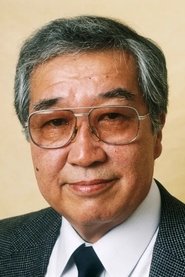
Shōhei Imamura
Born — Died
1926-09-15 — 2006-05-30
Place of birth
Tokyo, Japan
Known for
Directing
Credits
49 titles
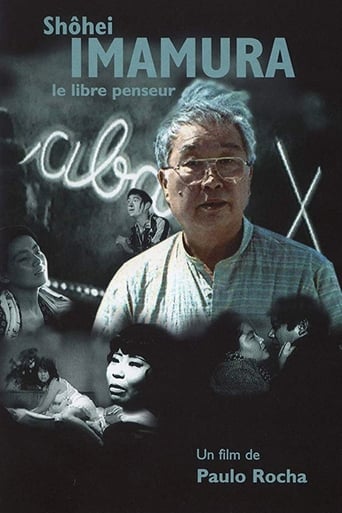
Shōhei Imamura (15 September 1926 – 30 May 2006) was a Japanese film director. He was the first Japanese director to win two Palme d'Or awards, but was never Oscar-nominated in any category.
Known for
 7.5
7.5In a small village in a valley everyone who reaches the age of 70 must leave the village and go to a certain mountain top to die. If anyone should refuse they would disgrace their family. Old Orin is 69. This winter it is her turn to go to the mountain. But first she must make sure that her eldest son Tatsuhei finds a wife.
The Ballad of Narayama
1983
 6.9
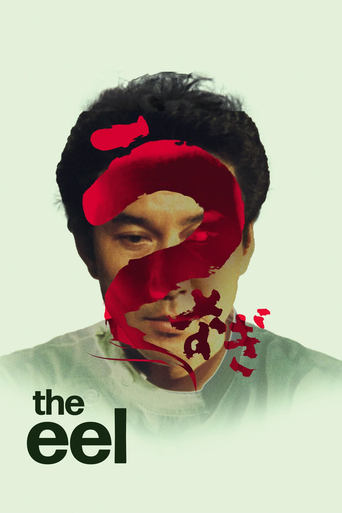
6.9A businessman kills his adulterous wife and is sent to prison. After his release, he opens a barbershop and meets new people, talking to almost no one except for an eel he befriended while in prison.
The Eel
1997
 7.5
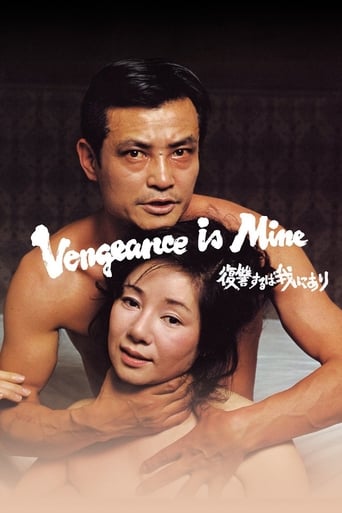
7.5A thief, a murderer, and a charming lady-killer, Iwao Enokizu is on the run from the police.
Vengeance Is Mine
1979
 7.1
7.1In the city of Yokosuka, Kinta and his lover Haruko, both involved with yakuza, brave the post-occupation period with a goal to be together.
Pigs and Battleships
1961
 7.4
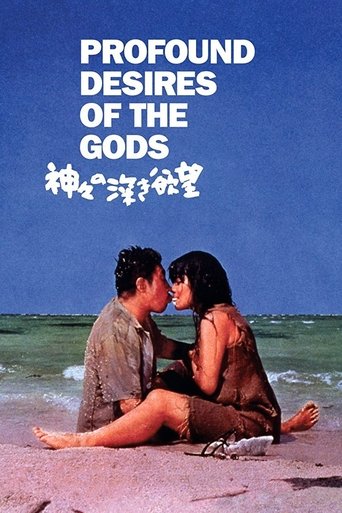
7.4Tokyo engineer Kariya arrives on a primitive tropical island, where he interacts with the Futori clan, to drill a well to power a sugar mill.
Profound Desires of the Gods
1968
 7.2
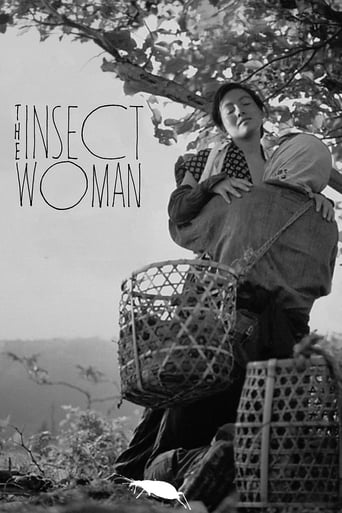
7.2A woman, Tome, is born to a lower class family in Japan in 1918. The title refers to an insect, repeating its mistakes, as in an infinite circle. Imamura, with this metaphor, introduces the life of Tome, who keeps trying to change her poor life.
The Insect Woman
1963
Film credits
2010s · 1 titles

1990s · 1 titles
1970s · 4 titles
 6.5
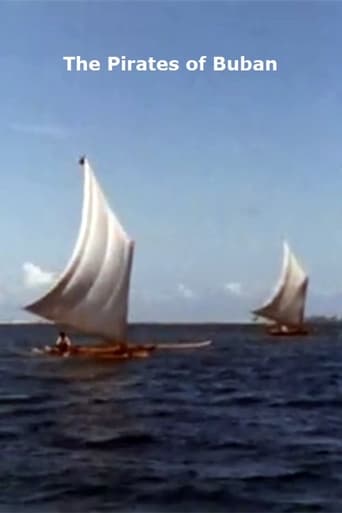
6.5By going to the Philippines, Imamura comes to meet people living in an extreme poverty. He discovers very quickly that some communities are under the control of cruel & armed pirates. Imamura will come to meet those men in order to understand their position.
The Pirates of Buban
1972
 6.3
6.3“In Search of Unreturned Soldiers was about former soldiers of the Japanese army who chose not to return to Japan after the war. I found several of them who had remained in Thailand. Two years later, I invited one of them to make his first return visit to Japan and documented it in Outlaw-Matsu Returns Home. During the filming, my subject Fujita asked me to buy him a cleaver so that he could kill his ‘vicious brother.’ I was shocked, and asked him to wait a day so that I could plan how to film the scene. By the next morning, to my relief, Fujita had calmed down and changed his mind about killing his brother. But I couldn’t have had a sharper insight into the ethical questions provoked by this kind of documentary filmmaking.” —Shôhei Imamura
Outlaw-Matsu Comes Home
1973
 8.2
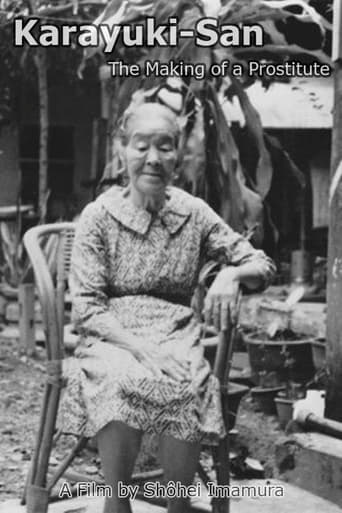
8.2Karayuki-san, the Making of a Prostitute is a 1975 Japanese film by director Shohei Imamura. It is a documentary on one of the Japanese "karayuki-san," who were women that were taken from their homes in Japan and used as prostitutes in the post-war period. Many of these women were told that they were doing this to support their families because of the extreme poverty that the war left much of Japan to live in. Imamura focuses on a particular such woman who was sent to Malaysia and never returned to Japan. Joan Mellen, in The Waves at Genji's Door, called this film, "Perhaps the most brilliant and feeling of Imamura's fine documentaries."
Karayuki-San, the Making of a Prostitute
1973
 NR
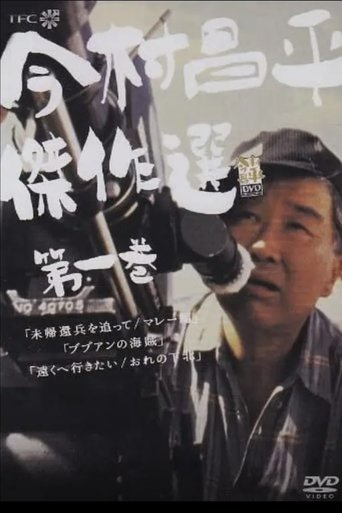
NRPart of a TV series called “I Want To Go Far Away” in which celebrities introduce their regions. Imamura heads to the Shimokita region of Aomori Prefecture, the hometown of his mentor director Yuzo Kawashima and a region with a strong belief in Mount Osorezan.
My Shimokita
1972

Behind the camera
7.5In a small village in a valley everyone who reaches the age of 70 must leave the village and go to a certain mountain top to die. If anyone should refuse they would disgrace their family. Old Orin is 69. This winter it is her turn to go to the mountain. But first she must make sure that her eldest son Tatsuhei finds a wife.
The Ballad of Narayama
1983
7.5In a small village in a valley everyone who reaches the age of 70 must leave the village and go to a certain mountain top to die. If anyone should refuse they would disgrace their family. Old Orin is 69. This winter it is her turn to go to the mountain. But first she must make sure that her eldest son Tatsuhei finds a wife.
The Ballad of Narayama
1983
6.9A businessman kills his adulterous wife and is sent to prison. After his release, he opens a barbershop and meets new people, talking to almost no one except for an eel he befriended while in prison.
The Eel
1997
6.9A businessman kills his adulterous wife and is sent to prison. After his release, he opens a barbershop and meets new people, talking to almost no one except for an eel he befriended while in prison.
The Eel
1997
7.5A thief, a murderer, and a charming lady-killer, Iwao Enokizu is on the run from the police.
Vengeance Is Mine
1979
7.1In the city of Yokosuka, Kinta and his lover Haruko, both involved with yakuza, brave the post-occupation period with a goal to be together.
Pigs and Battleships
1961
7.4Tokyo engineer Kariya arrives on a primitive tropical island, where he interacts with the Futori clan, to drill a well to power a sugar mill.
Profound Desires of the Gods
1968
7.4Tokyo engineer Kariya arrives on a primitive tropical island, where he interacts with the Futori clan, to drill a well to power a sugar mill.
Profound Desires of the Gods
1968
7.2A woman, Tome, is born to a lower class family in Japan in 1918. The title refers to an insect, repeating its mistakes, as in an infinite circle. Imamura, with this metaphor, introduces the life of Tome, who keeps trying to change her poor life.
The Insect Woman
1963
7.2A woman, Tome, is born to a lower class family in Japan in 1918. The title refers to an insect, repeating its mistakes, as in an infinite circle. Imamura, with this metaphor, introduces the life of Tome, who keeps trying to change her poor life.
The Insect Woman
1963
 6.6
6.6When a dying friend tells out-of-work salaryman Yosuke about a hidden treasure, he sets off in search of the only clue about its location: a house by a red bridge. What he finds instead is a woman who transcends all his fantasies.
Warm Water Under a Red Bridge
2001
6.6When a dying friend tells out-of-work salaryman Yosuke about a hidden treasure, he sets off in search of the only clue about its location: a house by a red bridge. What he finds instead is a woman who transcends all his fantasies.
Warm Water Under a Red Bridge
2001
 7.6
7.6Shigematsu Shizuma, who lives with his family in a village near Fukuyama, was in Hiroshima with his wife and niece just after the devastating atomic bombing, a tragedy that cruelly took the lives of thousands of people and forever marked the harsh existence of the survivors.
Black Rain
1989
7.6Shigematsu Shizuma, who lives with his family in a village near Fukuyama, was in Hiroshima with his wife and niece just after the devastating atomic bombing, a tragedy that cruelly took the lives of thousands of people and forever marked the harsh existence of the survivors.
Black Rain
1989
 7.3
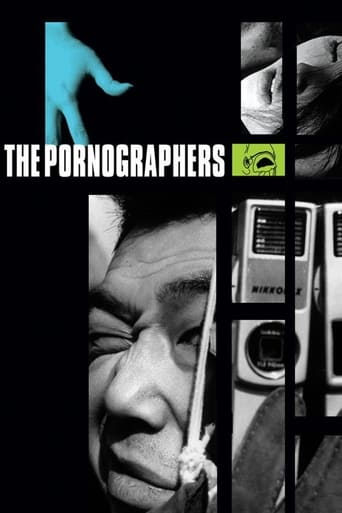
7.3A former Buddhist monk turned erotic filmmaker, Subuyan lives with hairdresser Haru and her two teenage children. Shooting two skin flicks per day, he somehow manages to stay out of the clutches of the yakuza, but real trouble starts when Haru discovers him lusting after her daughter.
The Pornographers
1966
7.3A former Buddhist monk turned erotic filmmaker, Subuyan lives with hairdresser Haru and her two teenage children. Shooting two skin flicks per day, he somehow manages to stay out of the clutches of the yakuza, but real trouble starts when Haru discovers him lusting after her daughter.
The Pornographers
1966
7.3A former Buddhist monk turned erotic filmmaker, Subuyan lives with hairdresser Haru and her two teenage children. Shooting two skin flicks per day, he somehow manages to stay out of the clutches of the yakuza, but real trouble starts when Haru discovers him lusting after her daughter.
The Pornographers
1966
 6.4
6.4At the end of WWII, Japanese doctor Akagi searches for the cure for hepatitis in the prisoner-of-war camp.
Dr. Akagi
1998
6.4At the end of WWII, Japanese doctor Akagi searches for the cure for hepatitis in the prisoner-of-war camp.
Dr. Akagi
1998
 6.4
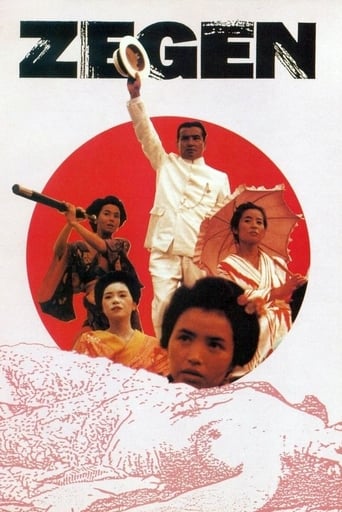
6.4At the time between the World Wars, Japan is involved in empire-building throughout East and Southeast Asia. After a brief career as a low-level military adventurer, Iheiji sets up chains of brothels throughout Asia. As Japan's power in the region grows, so does Iheiji's prosperity and patriotism.
Zegen
1987
6.4At the time between the World Wars, Japan is involved in empire-building throughout East and Southeast Asia. After a brief career as a low-level military adventurer, Iheiji sets up chains of brothels throughout Asia. As Japan's power in the region grows, so does Iheiji's prosperity and patriotism.
Zegen
1987
 7.0
7.0Saheji, a man-about-town, gets stuck at a high-class brothel when he can’t pay the bill. He makes the best of his situation by performing various tasks amidst the tumult of the end of the shogunate—but always by making sure to get a “commission” for his troubles.
A Sun-Tribe Myth from the Bakumatsu Era
1957
 6.3
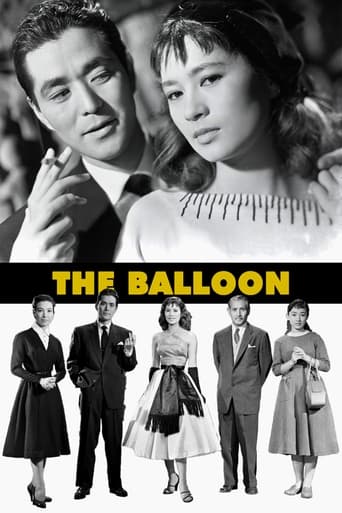
6.3Haruki Murakami is a successful family man and the head of a camera company. Unbeknownst to Murakami, his arrogant son oscillates between a mistress and a new lover who sings at a nightclub. When Murakami’s daughter befriends the mistress, the affair throws the family into turmoil.
The Balloon
1956
 6.4
6.4Eleven directors from eleven countries each contribute an eleven-minute short reflecting on the events of 11 September 2001: A village teacher in Iran tries to explain to her young students what's happened; city kids in Burkina Faso think they've spotted Osama bin Laden; a deaf Frenchwoman in Manhattan writes a Dear John letter to a man who left that morning for work at the World Trade Center; a Chilean remembers Allende; events recall other deaths; a mother endures more than her son's death. Tones vary, as do the locales. Most concern coming to terms with the events of the day, but at least one confronts the viewer with tragedy and death.
September 11
2002
 6.2
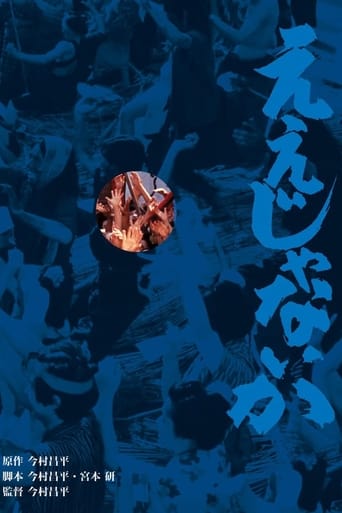
6.2The film depicts carnivalesque atmosphere summed up by the cry "Ei ja nai ka" ("Why not?") in Japan in 1867 and 1868 in the days leading to the Meiji Restoration. It examines the effects of the political and social upheaval of the time, and culminates in a revelrous march on the Tokyo Imperial Palace, which turns into a massacre. Characteristically, Imamura focuses not on the leaders of the country, but on characters in the lower classes and on the fringes of society.
Eijanaika
1981
6.2The film depicts carnivalesque atmosphere summed up by the cry "Ei ja nai ka" ("Why not?") in Japan in 1867 and 1868 in the days leading to the Meiji Restoration. It examines the effects of the political and social upheaval of the time, and culminates in a revelrous march on the Tokyo Imperial Palace, which turns into a massacre. Characteristically, Imamura focuses not on the leaders of the country, but on characters in the lower classes and on the fringes of society.
Eijanaika
1981
6.2The film depicts carnivalesque atmosphere summed up by the cry "Ei ja nai ka" ("Why not?") in Japan in 1867 and 1868 in the days leading to the Meiji Restoration. It examines the effects of the political and social upheaval of the time, and culminates in a revelrous march on the Tokyo Imperial Palace, which turns into a massacre. Characteristically, Imamura focuses not on the leaders of the country, but on characters in the lower classes and on the fringes of society.
Eijanaika
1981
 6.5
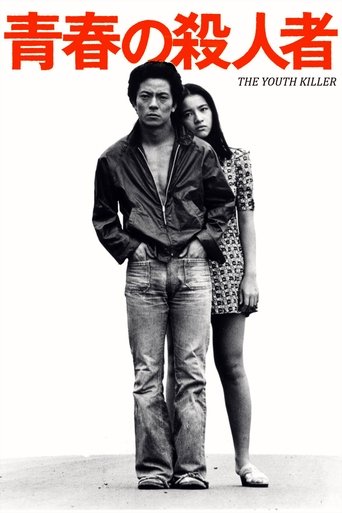
6.5Though his parents help him run the family business, Jun still feels persecuted by their love; when they bar him from meeting with his girlfriend, tensions increase.
The Youth Killer
1976
 7.0
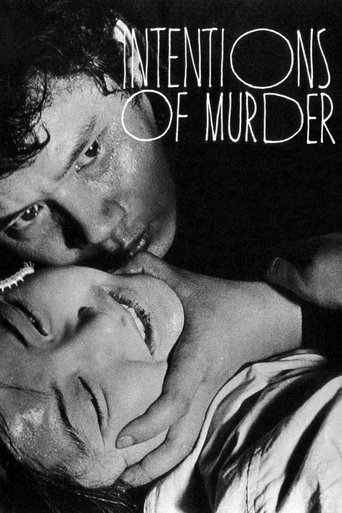
7.0The neglected common-law wife of a Japanese librarian is repeatedly harassed by a young man with a heart condition who seduces her with the prospect of a better life.
Intentions of Murder
1964
7.0The neglected common-law wife of a Japanese librarian is repeatedly harassed by a young man with a heart condition who seduces her with the prospect of a better life.
Intentions of Murder
1964
 6.8
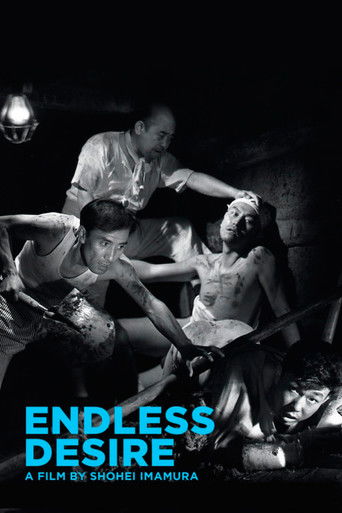
6.8Set in post-war Japan, a group of five, four men and one woman, gathers in the basement of a butcher shop to dig up a cache of morphine buried during the war. A grimly humorous tale of twisted relationships as one by one each of the group is eliminated.
Endless Desire
1958
6.8Set in post-war Japan, a group of five, four men and one woman, gathers in the basement of a butcher shop to dig up a cache of morphine buried during the war. A grimly humorous tale of twisted relationships as one by one each of the group is eliminated.
Endless Desire
1958
 6.1
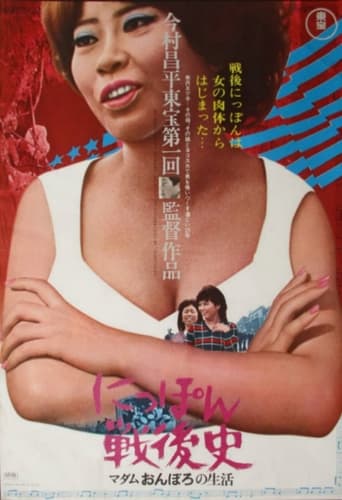
6.1Postwar Japan as it is described by Etsuko, the manager of a bar catering to foreigners in Yokosuka. The way of life of a woman brimming with vitality, who skipped the countryside right after the war and, with her womanhood as a weapon, lived through atomic bombings, black markets, prostitution aimed at American soldiers and the Korean War. Inserting newsreels, Shohei Imamura depicts the history of twenty-five years in the Japanese postwar by way of the female body. (doclisboa)
History of Postwar Japan as Told by a Bar Hostess
1970
6.1Postwar Japan as it is described by Etsuko, the manager of a bar catering to foreigners in Yokosuka. The way of life of a woman brimming with vitality, who skipped the countryside right after the war and, with her womanhood as a weapon, lived through atomic bombings, black markets, prostitution aimed at American soldiers and the Korean War. Inserting newsreels, Shohei Imamura depicts the history of twenty-five years in the Japanese postwar by way of the female body. (doclisboa)
History of Postwar Japan as Told by a Bar Hostess
1970
6.5By going to the Philippines, Imamura comes to meet people living in an extreme poverty. He discovers very quickly that some communities are under the control of cruel & armed pirates. Imamura will come to meet those men in order to understand their position.
The Pirates of Buban
1972
6.5By going to the Philippines, Imamura comes to meet people living in an extreme poverty. He discovers very quickly that some communities are under the control of cruel & armed pirates. Imamura will come to meet those men in order to understand their position.
The Pirates of Buban
1972
 7.8
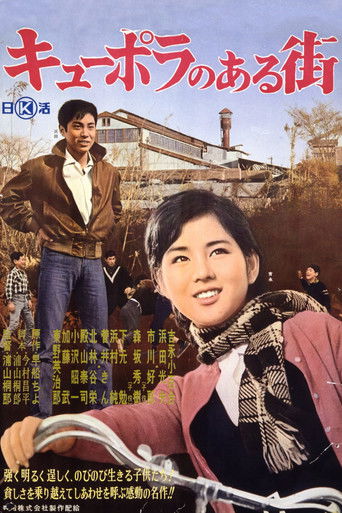
7.8Set in Kawaguchi in the early 60s, this simple story chronicles the lives of foundry families and one girl's dreams of higher education.
Foundry Town
1962
 6.6
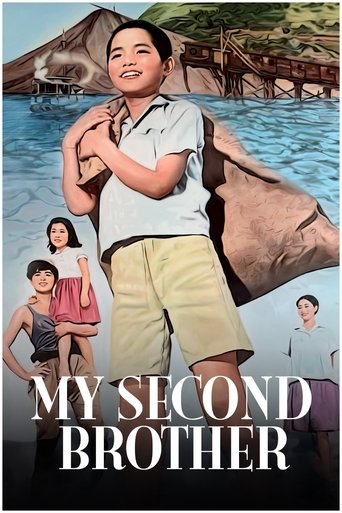
6.6The film tells the story of four orphans living in an impoverished mining town. An adaptation of a best-selling book based on the diary of a ten-year-old zainichi (ethnic Korean Japanese) girl, it was one of the first films to deal with the subject of zainichi identity and struggles in Japan.
My Second Brother
1959
6.6The film tells the story of four orphans living in an impoverished mining town. An adaptation of a best-selling book based on the diary of a ten-year-old zainichi (ethnic Korean Japanese) girl, it was one of the first films to deal with the subject of zainichi identity and struggles in Japan.
My Second Brother
1959
 6.0
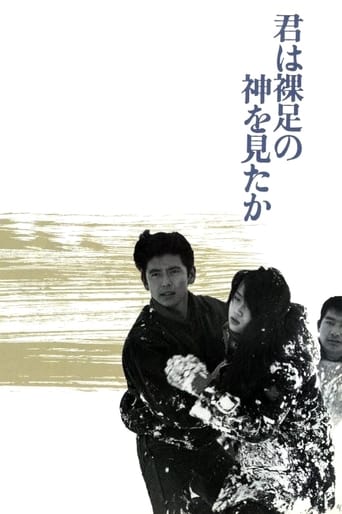
6.02 almost inseparable friends. The talented painter recognized by all decided to leave the town where they live and become an artist and the shy poet who only sees his future in his mother's business.
Have You Seen the Barefoot God?
1986