
Directing
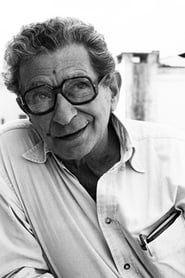
Youssef Chahine
Born — Died
1926-01-25 — 2008-07-27
Place of birth
Alexandria, Egypt
Known for
Directing
Credits
65 titles
Youssef Chahine (born in Alexandria, Egypt, 1926) started studying in a friars' school and then turned to Victoria College until High School Certificate. After one year at the University of Alexandria, he moved to the U.S. and spent two years at the Pasadena Play House, taking courses on film and dramatic arts. After coming back to Egypt, cinematographer Alevise Orfanelli helped him into the film business. His film debut was Baba Amin (1950): one year later, with Son of the Nile (1951) he was first invited to the Cannes Film festival. In 1970, he was awarded a Golden Tanit at the Carthage Festival. With Le moineau (1973), he directed the first Egypt-Algeria co-production. He won a Silver Bea…
Known for
 9.5
9.5Marcello Mastroianni, Isabelle Adjani, Alain Delon, Martin Scorsese, Woody Allen... the biggest stars in cinema were welcomed by Christian Defaye on his show Spécial cinéma. Between intimate confessions from actors and immersion in the world of the greatest filmmakers, Christian Defaye took viewers on a journey into the fascinating world of cinema for nearly thirty years.
Spécial cinéma
1974
 7.7
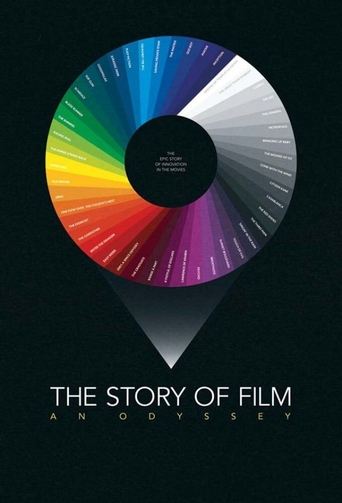
7.7A worldwide guided tour of the greatest movies ever made and the story of international cinema through the history of cinematic innovation.
The Story of Film: An Odyssey
2011
 NR
NRNo synopsis available yet.
Matin Bonheur
1987
 6.4
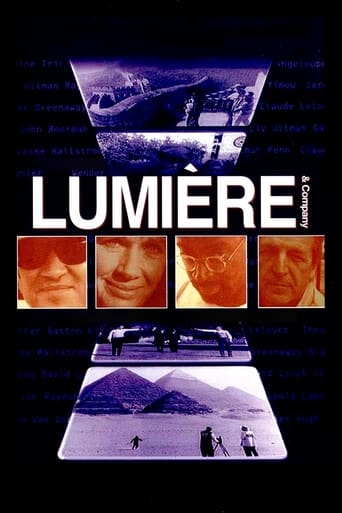
6.440 international directors were asked to make a short film using the original Cinematographe invented by the Lumière Brothers, working under conditions similar to those of 1895. There were three rules: (1) The film could be no longer than 52 seconds, (2) no synchronized sound was permitted, and (3) no more than three takes.
Lumière & Company
1995
 6.4
6.4Eleven directors from eleven countries each contribute an eleven-minute short reflecting on the events of 11 September 2001: A village teacher in Iran tries to explain to her young students what's happened; city kids in Burkina Faso think they've spotted Osama bin Laden; a deaf Frenchwoman in Manhattan writes a Dear John letter to a man who left that morning for work at the World Trade Center; a Chilean remembers Allende; events recall other deaths; a mother endures more than her son's death. Tones vary, as do the locales. Most concern coming to terms with the events of the day, but at least one confronts the viewer with tragedy and death.
September 11
2002
 6.4
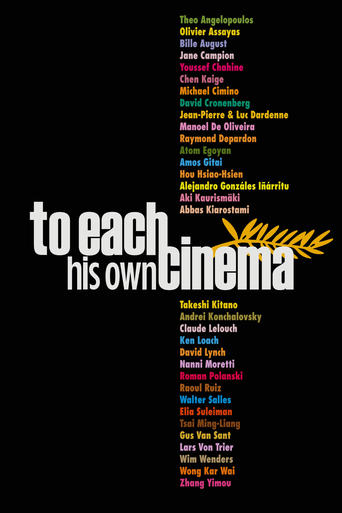
6.4Commissioned to mark the 60th anniversary of the Cannes Film Festival, "To Each His Own Cinema" brought together 33 of the world's pre-eminent filmmakers to produce short pieces exploring the multifarious facets of cinema and their perspective on the state of their chosen artform in the early 21st century.
To Each His Own Cinema
2007
Film credits
2010s · 2 titles
 NR
NRNo synopsis available yet.
Into Studio Masr
2019
 5.0
5.0A mother and her daughter explore together the trajectory of four generations of women from their family, an Egyptian family from the Levant where life and cinema have been intimately linked and still are. A cross look between family archives where the real and the fiction and the autobiographical films of Youssef Chahine mingle. From Alexandria to Cairo, passing through Paris and Havana, an intimate and visceral narrative where mother and daughter cross space and time to trace destinies and question their emotions
Let's Talk
2019
2000s · 4 titles
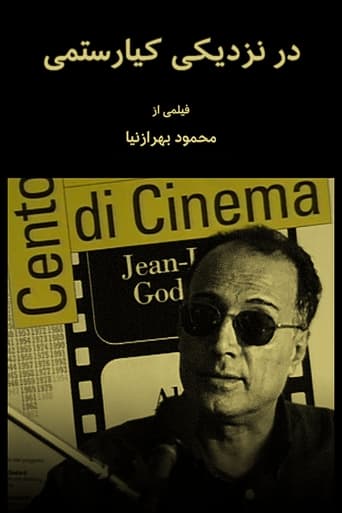 NR
NRA documentary that focuses on Abbas Kiarostami's cinematic philosophy talking to himself and other figures, and also seeks the opinion about his works both inside and outside his homeland.
Kiarostami in Close up
2000
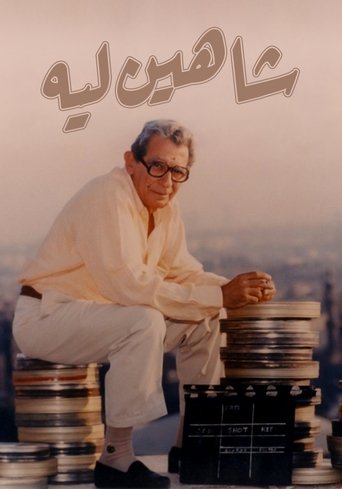 NR
NRThis 2009 documentary by Mona Ghandour details the production of CAIRO STATION and includes interviews with director Youssef Chahine, screenwriter Abdel Hay Adib, and actors Hind Rostom and Farid Shawki.
Chahine…Why?
2009
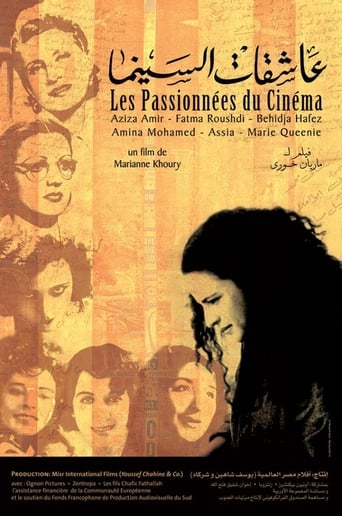 NR
NRSix strong-willed women whose adventurous streak changed the face of film industry in early twentieth century Egypt – a time when the country was, despite the liberal ripples, still steeped in conservative tradition. The film shows how these women, different as they were in class and social background, broke taboos and dismissed conventional wisdom to fulfill their overpowering passion for filmmaking. Women Who Loved Cinema takes us to the past and brings us, seamlessly, to the present day. Aziza ... Fatema ... Behidja ... Amina ... Assia … Mary... theirs is a story that will remain indelibly etched in the memory of Egyptian cinema.
Women Who Loved Cinema
2002
 4.9
4.9Two strangers try to solve a mystery that revolves around both of their tragic pasts. At the heart of the mystery lies a mystic board with an ability to kill.
Ouija
2006
1990s · 3 titles
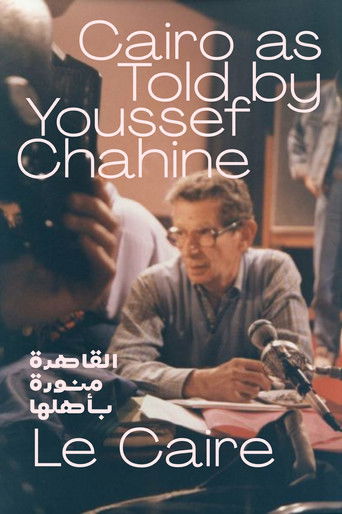 7.2
7.2This concise masterpiece began as a commission by French TV for the news series Envoyé spécial. By filming Cairo with his unique sense of artistic digression, Chahine transformed this portrait of a city into the self-portrait of a filmmaker.
Cairo as Told by Youssef Chahine
1991
 NR
NRA “Cinéma, de notre temps” series episode directed by French film critic Jean-Louis Comolli on the Egyptian director Youssef Chahine.
Chahine & Co
1992
 9.0
9.0Azoz, an employee at the Opera House accompanies a violinist who has just arrived from tours abroad in her errands in the city. He eventually gets influenced by her and starts listening to classical music, and simultaneously gets bored with his life and wife.
Concerto in Darb Saada
1998
1980s · 6 titles
 6.5
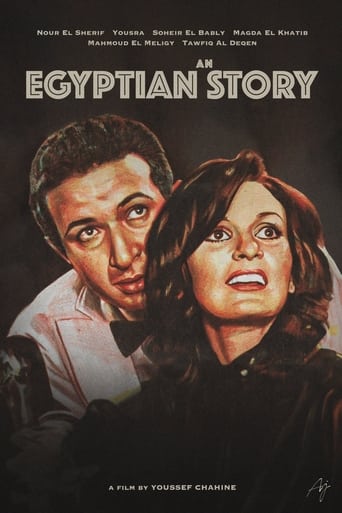
6.5After we last see him in "Alexandria, Why?" Egyptian filmmaker Yehia Mourad is in his thirties, and successful in his work, he has grown distant from his wife and children and suffers a symbolic blockage of the heart while shooting the final scenes of his latest film. After being flown to England for evaluation, it's determined that Yehia must undergo emergency surgery. Fact and fiction blend seamlessly—with healthy doses of cleverly absurdist fantasy—as the film explores the various personalities and forces that have made Yehia (and Youssef Chahine) the man he has become.
An Egyptian Story
1982
 4.8
4.8Set in 1987 against the backdrop of a hunger strike by the Egyptian film industry, Chahine himself steps in to play Yehia, the famed Egyptian director whose life is chronicled in "Alexandria, Why?" and "An Egyptian Story". Obsessed with Amr, the handsome actor he discovered and cast as his alter-ego in parts one and two of The Alexandria Trilogy, Yehia pressures Amr to star in various film projects that change even as Yehia's perception of the young actor begins to change. He first casts Amr as Hamlet, which the actor deems too demanding for his talents, then as the lead in a musical biopic of demigod Alexander the Great, who founded the city of Alexandria in 332 B.C.
Alexandria Again and Forever
1989
 6.0
6.0Focusing on key Arab films produced in the last 20 years. Férid Boughedir traces the development of the film-makers' concern to produce more socially aware cinema. Themes include the issue of Palestinian homeland rights and the nature of Arab identity. The film-makers also share a desire to develop a strong poetic tradition.
Arab Camera
1987
 5.4
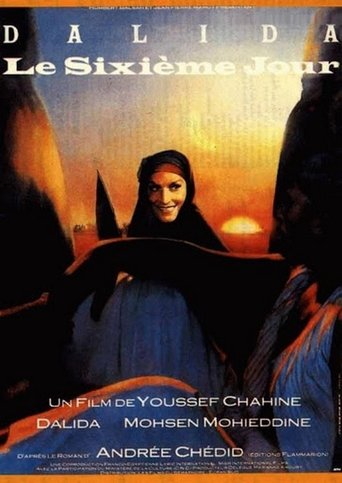
5.4Egypt, 1947: in the midst of a cholera outbreak. A washerwoman tries to take care of her family, while at the same time resisting the advances of a charming suitor who's half her age.
The Sixth Day
1986
 NR
NRTrio is a cinematic series of filmed portraits that shows, in a single large, fixed and silent shot of 3 minutes and 20 seconds, three people free to do what they want.
Trio
1987
Reel 14 of Gérard Courant's on-going Cinematon series.
Cinématon XIV
1981
1950s · 3 titles
 7.4
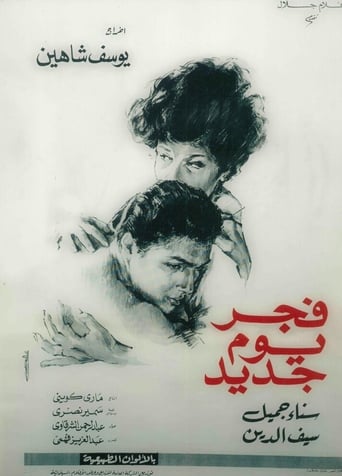
7.4Qinawi, a physically challenged peddler who makes his living selling newspapers in the central Cairo train station, is obsessed with Hanuma, an attractive young woman who sells drinks. While she jokes with him about a possible relationship, she is actually in love with Abu Siri, a strong and respected porter at the station who is struggling to unionize his fellow workers to combat their boss' exploitative and abusive treatment.
Cairo Station
1958
 7.0
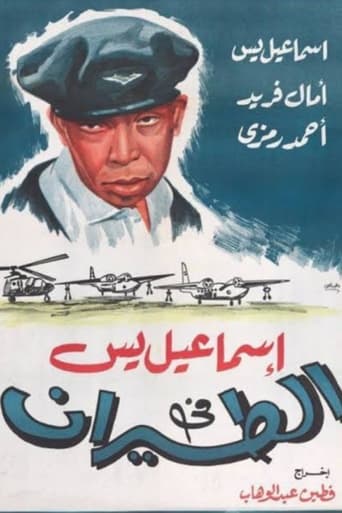
7.0Ismail El Ghandoor works as a stuntman and a small time actor in movies. He falls in love with a young belly dancer, Soheir who dreams of being the wife of a pilot. Ismail dresses up in his brother Hussein’s clothes as a pilot in the force while his brother is away on his honeymoon. When Hussein returns the truth is revealed, and each of them goes back to his real job. Will Soheir accept the real Ismail or will she continue to pursue her dream of marrying a pilot?
Ismail Yassine in the Air Force
1959
 8.0
8.0A brother disagrees with his sister which makes her move to live with her older sister in the countryside. She finds her sister living a harsh life and when the brother goes to visit them, he's surprised by the strict way imposed by the sister at home.
Women Without Men
1953

Series credits
9.5Marcello Mastroianni, Isabelle Adjani, Alain Delon, Martin Scorsese, Woody Allen... the biggest stars in cinema were welcomed by Christian Defaye on his show Spécial cinéma. Between intimate confessions from actors and immersion in the world of the greatest filmmakers, Christian Defaye took viewers on a journey into the fascinating world of cinema for nearly thirty years.
Spécial cinéma
1974
7.7A worldwide guided tour of the greatest movies ever made and the story of international cinema through the history of cinematic innovation.
The Story of Film: An Odyssey
2011
NRNo synopsis available yet.
Matin Bonheur
1987
 NR
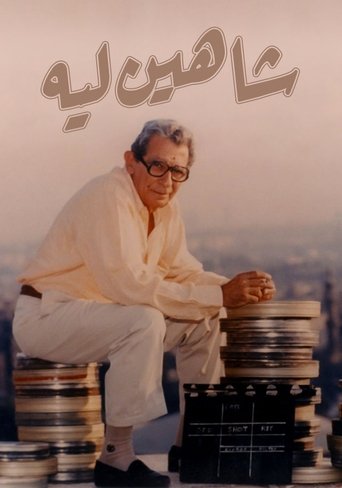
NRThe documentary series (Shaheen... Why?) takes a look at all the musical performances in Youssef Chaheen's films, from his first film to his last, through 6 parts that make up this series. يلقي المسلسل الوثائقي (شاهين.. ليه؟) نظرة على جميع العروض الغنائية في أفلام يوسف شاهين، من أول فيلم له وحتى آخر فيلم من خلال 6 أجزاء هي قوام هذا المسلسل
Shaheen... Why?
—
Behind the camera
6.440 international directors were asked to make a short film using the original Cinematographe invented by the Lumière Brothers, working under conditions similar to those of 1895. There were three rules: (1) The film could be no longer than 52 seconds, (2) no synchronized sound was permitted, and (3) no more than three takes.
Lumière & Company
1995
6.4Eleven directors from eleven countries each contribute an eleven-minute short reflecting on the events of 11 September 2001: A village teacher in Iran tries to explain to her young students what's happened; city kids in Burkina Faso think they've spotted Osama bin Laden; a deaf Frenchwoman in Manhattan writes a Dear John letter to a man who left that morning for work at the World Trade Center; a Chilean remembers Allende; events recall other deaths; a mother endures more than her son's death. Tones vary, as do the locales. Most concern coming to terms with the events of the day, but at least one confronts the viewer with tragedy and death.
September 11
2002
6.4Eleven directors from eleven countries each contribute an eleven-minute short reflecting on the events of 11 September 2001: A village teacher in Iran tries to explain to her young students what's happened; city kids in Burkina Faso think they've spotted Osama bin Laden; a deaf Frenchwoman in Manhattan writes a Dear John letter to a man who left that morning for work at the World Trade Center; a Chilean remembers Allende; events recall other deaths; a mother endures more than her son's death. Tones vary, as do the locales. Most concern coming to terms with the events of the day, but at least one confronts the viewer with tragedy and death.
September 11
2002
6.4Commissioned to mark the 60th anniversary of the Cannes Film Festival, "To Each His Own Cinema" brought together 33 of the world's pre-eminent filmmakers to produce short pieces exploring the multifarious facets of cinema and their perspective on the state of their chosen artform in the early 21st century.
To Each His Own Cinema
2007
7.4Qinawi, a physically challenged peddler who makes his living selling newspapers in the central Cairo train station, is obsessed with Hanuma, an attractive young woman who sells drinks. While she jokes with him about a possible relationship, she is actually in love with Abu Siri, a strong and respected porter at the station who is struggling to unionize his fellow workers to combat their boss' exploitative and abusive treatment.
Cairo Station
1958
 7.1
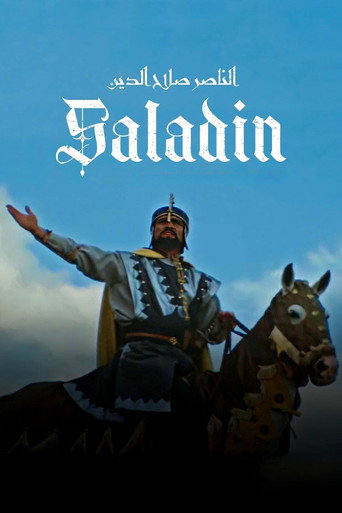
7.1The first Sultan of Egypt and Syria leads the Muslim military campaign against the invading Christians from Europe during the Third Crusade.
Saladin
1963
7.1The first Sultan of Egypt and Syria leads the Muslim military campaign against the invading Christians from Europe during the Third Crusade.
Saladin
1963
 6.8
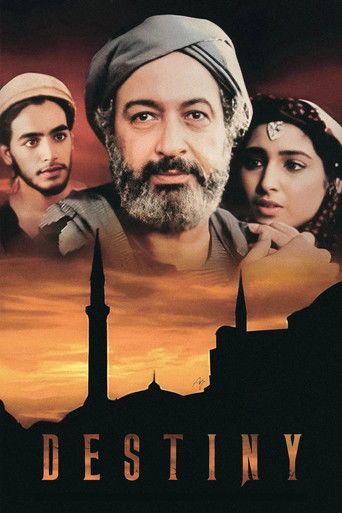
6.8In the 12th century's Andalusia lives Ibn Rushd a prominent Islamic philosopher with his wife Zeinab and daughter Salma. The principality is ruled by Khalifa ElMansour who has two sons, ElNasser, an intellectual that likes Ibn Rush and is in love with his daughter Salma. The younger son Abdallah is more into dancing and poetry, spending most of his times with the gypsy family and getting the daughter pregnant. The Khalifa is depending on the extremists to build his army granting them more power which they use to combat artists and philosophers. The extremists succeed in recruiting Abd Allah and train him to kill his father. Events go on where Marawan, the gypsy singer, is killed and Ibn Rushd's books are burnt. Adapted from the real life of Ibn Rushd AlMasir is Chahine's statement against extremism.
Destiny
1997
6.8In the 12th century's Andalusia lives Ibn Rushd a prominent Islamic philosopher with his wife Zeinab and daughter Salma. The principality is ruled by Khalifa ElMansour who has two sons, ElNasser, an intellectual that likes Ibn Rush and is in love with his daughter Salma. The younger son Abdallah is more into dancing and poetry, spending most of his times with the gypsy family and getting the daughter pregnant. The Khalifa is depending on the extremists to build his army granting them more power which they use to combat artists and philosophers. The extremists succeed in recruiting Abd Allah and train him to kill his father. Events go on where Marawan, the gypsy singer, is killed and Ibn Rushd's books are burnt. Adapted from the real life of Ibn Rushd AlMasir is Chahine's statement against extremism.
Destiny
1997
6.5After we last see him in "Alexandria, Why?" Egyptian filmmaker Yehia Mourad is in his thirties, and successful in his work, he has grown distant from his wife and children and suffers a symbolic blockage of the heart while shooting the final scenes of his latest film. After being flown to England for evaluation, it's determined that Yehia must undergo emergency surgery. Fact and fiction blend seamlessly—with healthy doses of cleverly absurdist fantasy—as the film explores the various personalities and forces that have made Yehia (and Youssef Chahine) the man he has become.
An Egyptian Story
1982
6.5After we last see him in "Alexandria, Why?" Egyptian filmmaker Yehia Mourad is in his thirties, and successful in his work, he has grown distant from his wife and children and suffers a symbolic blockage of the heart while shooting the final scenes of his latest film. After being flown to England for evaluation, it's determined that Yehia must undergo emergency surgery. Fact and fiction blend seamlessly—with healthy doses of cleverly absurdist fantasy—as the film explores the various personalities and forces that have made Yehia (and Youssef Chahine) the man he has become.
An Egyptian Story
1982
6.5After we last see him in "Alexandria, Why?" Egyptian filmmaker Yehia Mourad is in his thirties, and successful in his work, he has grown distant from his wife and children and suffers a symbolic blockage of the heart while shooting the final scenes of his latest film. After being flown to England for evaluation, it's determined that Yehia must undergo emergency surgery. Fact and fiction blend seamlessly—with healthy doses of cleverly absurdist fantasy—as the film explores the various personalities and forces that have made Yehia (and Youssef Chahine) the man he has become.
An Egyptian Story
1982
 6.9
6.9A wealthy landlord floods and destroys a village on purpose to prevent the people living there from making a profit off their crops. What he doesn't know is that his own daughter, Amal, is in love with Ahmed, a young man from the village.
The Blazing Sun
1954
 5.8
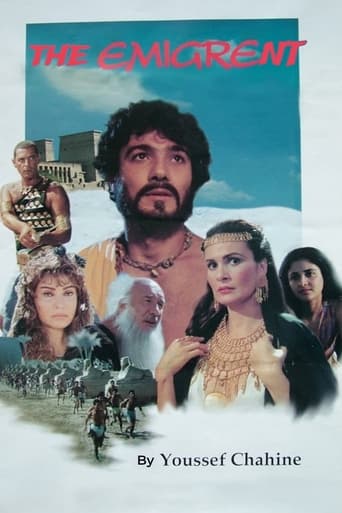
5.8The biblical tale of Joseph is told from an Egyptian perspective in this interesting character study. In this film, Joseph is called Ram. Ram, tired of his family's backward superstitious life, and tired of being picked on by his brothers, wants to go to Egypt to study agriculture. His brothers travel with him across Sinai, but then suddenly sell him to Ozir, an Egyptian who works for a Theban military leader, Amihar. Amihar is impressed by Ram's drive and personal charm and so grants Ram some desolate land outside the capital. Ram soon finds himself a pawn in the political and sexual games between Amihar and his wife Simihit, a high priestess of the Cult of Amun.
The Emigrant
1994
5.8The biblical tale of Joseph is told from an Egyptian perspective in this interesting character study. In this film, Joseph is called Ram. Ram, tired of his family's backward superstitious life, and tired of being picked on by his brothers, wants to go to Egypt to study agriculture. His brothers travel with him across Sinai, but then suddenly sell him to Ozir, an Egyptian who works for a Theban military leader, Amihar. Amihar is impressed by Ram's drive and personal charm and so grants Ram some desolate land outside the capital. Ram soon finds himself a pawn in the political and sexual games between Amihar and his wife Simihit, a high priestess of the Cult of Amun.
The Emigrant
1994
5.8The biblical tale of Joseph is told from an Egyptian perspective in this interesting character study. In this film, Joseph is called Ram. Ram, tired of his family's backward superstitious life, and tired of being picked on by his brothers, wants to go to Egypt to study agriculture. His brothers travel with him across Sinai, but then suddenly sell him to Ozir, an Egyptian who works for a Theban military leader, Amihar. Amihar is impressed by Ram's drive and personal charm and so grants Ram some desolate land outside the capital. Ram soon finds himself a pawn in the political and sexual games between Amihar and his wife Simihit, a high priestess of the Cult of Amun.
The Emigrant
1994
4.8Set in 1987 against the backdrop of a hunger strike by the Egyptian film industry, Chahine himself steps in to play Yehia, the famed Egyptian director whose life is chronicled in "Alexandria, Why?" and "An Egyptian Story". Obsessed with Amr, the handsome actor he discovered and cast as his alter-ego in parts one and two of The Alexandria Trilogy, Yehia pressures Amr to star in various film projects that change even as Yehia's perception of the young actor begins to change. He first casts Amr as Hamlet, which the actor deems too demanding for his talents, then as the lead in a musical biopic of demigod Alexander the Great, who founded the city of Alexandria in 332 B.C.
Alexandria Again and Forever
1989
4.8Set in 1987 against the backdrop of a hunger strike by the Egyptian film industry, Chahine himself steps in to play Yehia, the famed Egyptian director whose life is chronicled in "Alexandria, Why?" and "An Egyptian Story". Obsessed with Amr, the handsome actor he discovered and cast as his alter-ego in parts one and two of The Alexandria Trilogy, Yehia pressures Amr to star in various film projects that change even as Yehia's perception of the young actor begins to change. He first casts Amr as Hamlet, which the actor deems too demanding for his talents, then as the lead in a musical biopic of demigod Alexander the Great, who founded the city of Alexandria in 332 B.C.
Alexandria Again and Forever
1989
 7.8
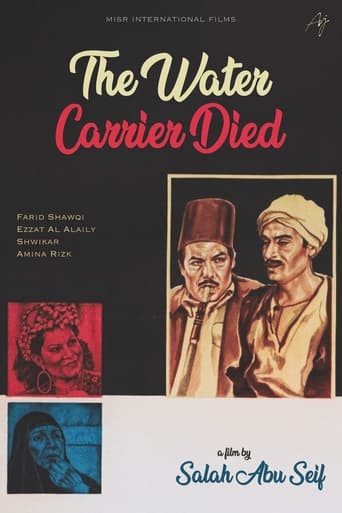
7.8Shousha El-Sakka, fears death because it took his wife. He meets with Shehata, and later knows that he is an undertaker assistant and he becomes pessimistic of him ,but when Shehata dies, Shousha is saddened by his passing.
The Water-Carrier Is Dead
1977
 6.5
6.5Amid the poverty, death, and suffering caused by World War II, 18-year-old Yehia retreats into a private world of fantasy and longing. Obsessed with Hollywood, he dreams of studying filmmaking in America but struggles to pursue his dream, given the constraints of his life in the middle class and the horrors of war.
Alexandria… Why?
1979
6.5Amid the poverty, death, and suffering caused by World War II, 18-year-old Yehia retreats into a private world of fantasy and longing. Obsessed with Hollywood, he dreams of studying filmmaking in America but struggles to pursue his dream, given the constraints of his life in the middle class and the horrors of war.
Alexandria… Why?
1979
6.5Amid the poverty, death, and suffering caused by World War II, 18-year-old Yehia retreats into a private world of fantasy and longing. Obsessed with Hollywood, he dreams of studying filmmaking in America but struggles to pursue his dream, given the constraints of his life in the middle class and the horrors of war.
Alexandria… Why?
1979
 8.3
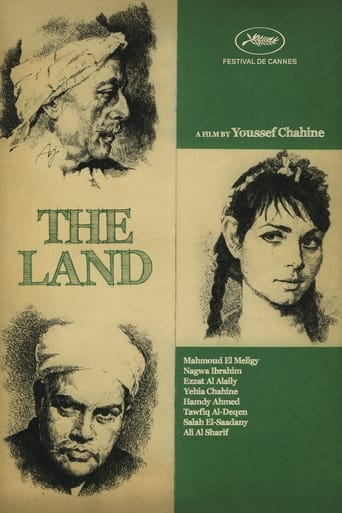
8.3Set in 1933, the mayor informs the peasants that the share of irrigation of their land will be split equally between them and feudal lord Mahmoud Bey. The peasants send Mohamed Effendi to submit a petition to the government. Mahmoud Bey then proposes a project that would require taking part of the peasants' lands.
The Land
1970
 6.5
6.5Ragab, a poor sailor, returns home to Alexandria after three years of absence, during which he tried to save money to marry his one true love, Hamedah. But there's trouble on the harbor, and with an old friend.
Struggle in the Harbor
1956
6.5Ragab, a poor sailor, returns home to Alexandria after three years of absence, during which he tried to save money to marry his one true love, Hamedah. But there's trouble on the harbor, and with an old friend.
Struggle in the Harbor
1956
 5.9
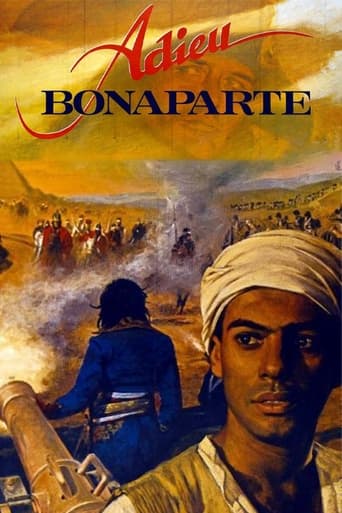
5.9This big-budget historical epic from acclaimed Egyptian director Youssef Chahine features a crazed turn by Patrice Chereau as Napoleon Bonaparte. The film, an Egyptian-French co-production, deals with Napoleon's occupation of Alexandria and its effect on a typical Egyptian family. Michel Piccoli leads the cast as a general in Napoleon's army who tentatively befriends a local poet and falls in love with two young Egyptian brothers, reflecting complex themes of colonial desire, affection, and personal connection.
Adieu Bonaparte
1985
5.9This big-budget historical epic from acclaimed Egyptian director Youssef Chahine features a crazed turn by Patrice Chereau as Napoleon Bonaparte. The film, an Egyptian-French co-production, deals with Napoleon's occupation of Alexandria and its effect on a typical Egyptian family. Michel Piccoli leads the cast as a general in Napoleon's army who tentatively befriends a local poet and falls in love with two young Egyptian brothers, reflecting complex themes of colonial desire, affection, and personal connection.
Adieu Bonaparte
1985
 7.2
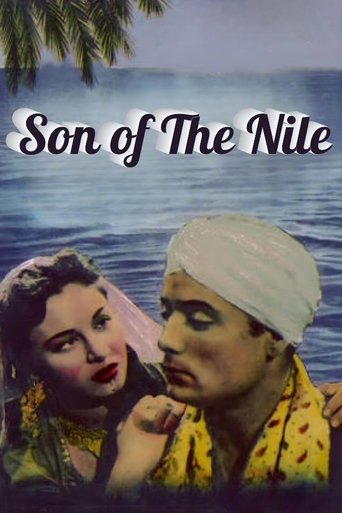
7.2Hemaidah is a Farmer who hates country life. He hates working in fields and taking care of the animals in his farm. Though unsatisfied with her, he marries Zebeidah, a woman in the same village.
Son of the Nile
1951
7.2Hemaidah is a Farmer who hates country life. He hates working in fields and taking care of the animals in his farm. Though unsatisfied with her, he marries Zebeidah, a woman in the same village.
Son of the Nile
1951
 5.8
5.8Adam is the son of a wealthy Egyptian-American family who is studying at UCLA and returns home for a brief vacation. Upon his arrival he meets beautiful reporter Hanane, with whom he begins an intense love affair, and eventually they marry. Trouble arises when Hanane' s journalistic interests lead her to the corrupt business affairs of Adam's parents, who are interested in building an American tourist compound that would allow Americans further control of Egypt's tourist industry, and make them a whole lot richer.
The Other
1999
5.8Adam is the son of a wealthy Egyptian-American family who is studying at UCLA and returns home for a brief vacation. Upon his arrival he meets beautiful reporter Hanane, with whom he begins an intense love affair, and eventually they marry. Trouble arises when Hanane' s journalistic interests lead her to the corrupt business affairs of Adam's parents, who are interested in building an American tourist compound that would allow Americans further control of Egypt's tourist industry, and make them a whole lot richer.
The Other
1999
5.8Adam is the son of a wealthy Egyptian-American family who is studying at UCLA and returns home for a brief vacation. Upon his arrival he meets beautiful reporter Hanane, with whom he begins an intense love affair, and eventually they marry. Trouble arises when Hanane' s journalistic interests lead her to the corrupt business affairs of Adam's parents, who are interested in building an American tourist compound that would allow Americans further control of Egypt's tourist industry, and make them a whole lot richer.
The Other
1999
 6.0
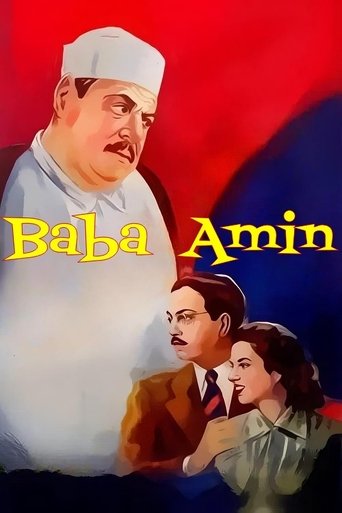
6.01950 Cairo, Amin is a simple employee who lives with his family of three, his wife Zahira, son Nabil and daughter Hoda. Amin’s friend Mabrouk convinces Amin to invest his life savings in a project, which he promises, will get him rich. Amin agrees but forgets to take a receipt. Amin suddenly dies and watches on from the after life.
Baba Amin
1950
6.01950 Cairo, Amin is a simple employee who lives with his family of three, his wife Zahira, son Nabil and daughter Hoda. Amin’s friend Mabrouk convinces Amin to invest his life savings in a project, which he promises, will get him rich. Amin agrees but forgets to take a receipt. Amin suddenly dies and watches on from the after life.
Baba Amin
1950
 7.4
7.4When a free-spirited sailor is found murdered, his twin brother, a famous novelist, is the prime suspect. Investigators uncover a possible liaison between the dead sailor and the writer's wife, and also learn that Sayed's successful fictions owed much to the inspiration of his brother Mahmoud's adventurous life. Just as the evidence against the writer seems overwhelming, Mahmoud turns up alive. But why are the twins never seen together...?
The Choice
1971
7.4When a free-spirited sailor is found murdered, his twin brother, a famous novelist, is the prime suspect. Investigators uncover a possible liaison between the dead sailor and the writer's wife, and also learn that Sayed's successful fictions owed much to the inspiration of his brother Mahmoud's adventurous life. Just as the evidence against the writer seems overwhelming, Mahmoud turns up alive. But why are the twins never seen together...?
The Choice
1971
 6.4
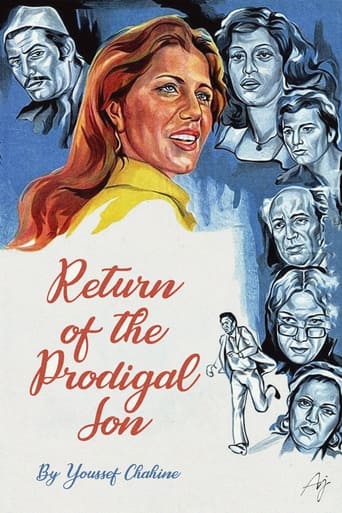
6.4Freed after spending years in prison, an activist's homecoming turns into a dark affair as his disillusion clashes with his family's expectations. Demonstrating Chahine’s eclecticism, this is an elegant melodrama, exuberant musical, layered allegory, and profound portrait of personal and political disillusionment.
Return of the Prodigal Son
1976
6.4Freed after spending years in prison, an activist's homecoming turns into a dark affair as his disillusion clashes with his family's expectations. Demonstrating Chahine’s eclecticism, this is an elegant melodrama, exuberant musical, layered allegory, and profound portrait of personal and political disillusionment.
Return of the Prodigal Son
1976
6.4Freed after spending years in prison, an activist's homecoming turns into a dark affair as his disillusion clashes with his family's expectations. Demonstrating Chahine’s eclecticism, this is an elegant melodrama, exuberant musical, layered allegory, and profound portrait of personal and political disillusionment.
Return of the Prodigal Son
1976
 6.7
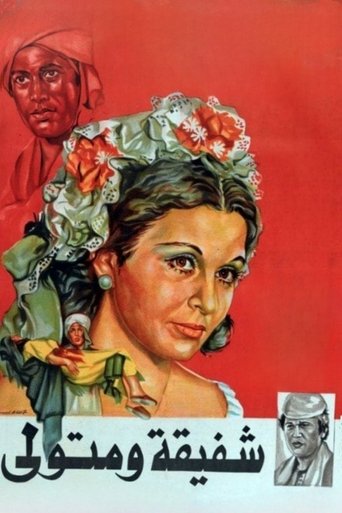
6.7The authorities summon many young men for forced labor in the Suez Canal, so Metwally leaves his sister Shafiqa alone with their old grandfather, whereupon Shafiqa is forced to succumb to the temptations of Diab, the district chief's son. As their sinful relationship is revealed, she is forced to leave for Asyut, where she becomes the mistress of Al Tarabishi, the supplier of slaves.
Shafiqa and Metwally
1978