
Directing
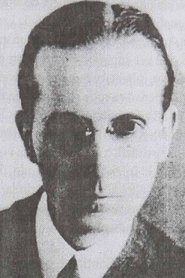
Salvador Giambastiani
Place of birth
Italy
Known for
Directing
Credits
8 titles
Salvador Giambastiani was a director and producer from Italian descent, he was a pioneer in the first years of film in Latin America, founding the production company Giambastiani Films and directing a the first documentaries in the continent.
Known for
No synopsis available yet.
Cuando Chaplin enloqueció de amor
1920
A retrospective about the world of the mineral, following different narrative lines, centered on housing, labor, transport, recreation among others. Original copy is lost, only 14 minutes are available.
Mineral El Teniente
1919
A sentimental adventure about the Mapuche people, also called "Araucanians" by the Spanish colonizers, as they inhabited the historic region called "Arauco", "Araucanía" or also named "Wallmapu" by Mapuche indigenous organizations. The plot develops around the protagonist, who loses her son and her husband
La Agonía de Arauco
1917
In 1916 the Santiago society shuddered with the crime of a wealthy businessman. Corina Rojas, his young wife, was the first woman sentenced to death in Chile and her story inspired the first national feature film.
La Baraja de la Muerte
1916
 NR
No synopsis available yet.
Cuarto Centenario de Magallanes
1921
 NR
No synopsis available yet.
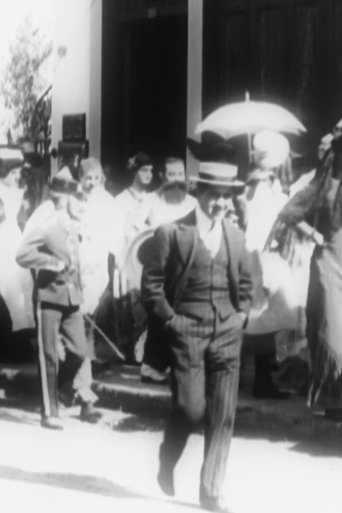
El día de los estudiantes (o Las fiestas de los estudiantes)
1916
Behind the camera
No synopsis available yet.
Cuando Chaplin enloqueció de amor
1920
A retrospective about the world of the mineral, following different narrative lines, centered on housing, labor, transport, recreation among others. Original copy is lost, only 14 minutes are available.
Mineral El Teniente
1919
A retrospective about the world of the mineral, following different narrative lines, centered on housing, labor, transport, recreation among others. Original copy is lost, only 14 minutes are available.
Mineral El Teniente
1919
A sentimental adventure about the Mapuche people, also called "Araucanians" by the Spanish colonizers, as they inhabited the historic region called "Arauco", "Araucanía" or also named "Wallmapu" by Mapuche indigenous organizations. The plot develops around the protagonist, who loses her son and her husband
La Agonía de Arauco
1917
In 1916 the Santiago society shuddered with the crime of a wealthy businessman. Corina Rojas, his young wife, was the first woman sentenced to death in Chile and her story inspired the first national feature film.
La Baraja de la Muerte
1916
In 1916 the Santiago society shuddered with the crime of a wealthy businessman. Corina Rojas, his young wife, was the first woman sentenced to death in Chile and her story inspired the first national feature film.
La Baraja de la Muerte
1916
NRNo synopsis available yet.
Cuarto Centenario de Magallanes
1921
NRNo synopsis available yet.
El día de los estudiantes (o Las fiestas de los estudiantes)
1916