
Production
Kristians Luhaers
Known for
Production
Credits
7 titles
Known for
 NR
“Today you will hear my most honest and truthful story about how I made a movie with Eisenstein and Pudovkin almost 90 years ago, how I shot from a bow in the movie Ivan the Terrible, about how I taught the Red Army to ski, how I built the Riga Film Studio, about Naval ships, about Stalin and life in the Universe."
The Smell Of Cinema
2015
 NR
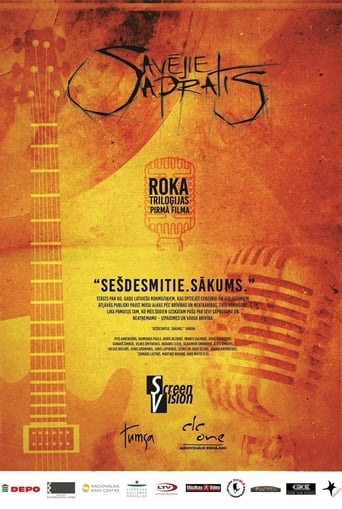
Choosing the fate of a rock musician was similar to being a dissident. From the 60s, the Soviet Union tried to discourage and restrict the expansion of rock music by any means. They called it the “rotten fruit of degraded capitalism, demoralizing the minds of Soviet youth”. Despite that, rock music broke the wall – made a hole in the Iron Curtain – and gained the hearts and minds of tens of thousands of young people.Rock musicians were on the frontline of the rebellion against the Soviet regime. Despite censorship, they managed to deliver, in a hidden, roundabout way through lyrics and music, the spirit of nonconformity and freedom of choice to their audience. A film about Latvian and Soviet rock pioneers, their lives and destinies.
Rockin' Down The Curtain: The 60ies. Beginning
2015
 NR
During the Soviet time, choosing the fate of a rock musician was similar to being a dissident.
Rockin’ Down The Curtain: The 70ies. Glitter And Gloom
2017
 NR
The 1980s in music were marked by the maturation of the 1970s generation of musicians and the emergence of new rock bands in Latvia – Pērkons, Jumprava, Zodiaks, Dzeltenie pastnieki, and Zig Zag. Through their lyrics and later in more direct texts, the bands expressed their views on current issues of the time, such as freedom, independence, and occupation. Party officials did not like this very much, but they were no longer able to stop the process. The Singing Revolution had begun.
Savējie sapratīs: Astoņdesmitie. Jauna ēra. Spīts
2023
A portrait film about Aija Kuģe, an intelligent, charming Latvian woman who is married to a Serb, has lived in Belgrade for 25 years, and is a special correspondent for the American radio station "Brīvība" in Yugoslavia. At the height of NATO air strikes on Belgrade, she continued to report on events in Belgrade, despite increased surveillance by the Yugoslav secret service and NATO bombs. Aija was and is at the very heart of the Yugoslav conflict, as she has gained the trust of all parties involved in the conflict. Aija believes that no conflict can be resolved through repressive methods, weapons or bloodshed. The result of any military action is tears, death, and destruction.
Brīvība tiešajā ēterā
2001
Behind the camera
NR“Today you will hear my most honest and truthful story about how I made a movie with Eisenstein and Pudovkin almost 90 years ago, how I shot from a bow in the movie Ivan the Terrible, about how I taught the Red Army to ski, how I built the Riga Film Studio, about Naval ships, about Stalin and life in the Universe."
The Smell Of Cinema
2015
NRChoosing the fate of a rock musician was similar to being a dissident. From the 60s, the Soviet Union tried to discourage and restrict the expansion of rock music by any means. They called it the “rotten fruit of degraded capitalism, demoralizing the minds of Soviet youth”. Despite that, rock music broke the wall – made a hole in the Iron Curtain – and gained the hearts and minds of tens of thousands of young people.Rock musicians were on the frontline of the rebellion against the Soviet regime. Despite censorship, they managed to deliver, in a hidden, roundabout way through lyrics and music, the spirit of nonconformity and freedom of choice to their audience. A film about Latvian and Soviet rock pioneers, their lives and destinies.
Rockin' Down The Curtain: The 60ies. Beginning
2015
NRDuring the Soviet time, choosing the fate of a rock musician was similar to being a dissident.
Rockin’ Down The Curtain: The 70ies. Glitter And Gloom
2017
NRDuring the Soviet time, choosing the fate of a rock musician was similar to being a dissident.
Rockin’ Down The Curtain: The 70ies. Glitter And Gloom
2017
NRThe 1980s in music were marked by the maturation of the 1970s generation of musicians and the emergence of new rock bands in Latvia – Pērkons, Jumprava, Zodiaks, Dzeltenie pastnieki, and Zig Zag. Through their lyrics and later in more direct texts, the bands expressed their views on current issues of the time, such as freedom, independence, and occupation. Party officials did not like this very much, but they were no longer able to stop the process. The Singing Revolution had begun.
Savējie sapratīs: Astoņdesmitie. Jauna ēra. Spīts
2023
A portrait film about Aija Kuģe, an intelligent, charming Latvian woman who is married to a Serb, has lived in Belgrade for 25 years, and is a special correspondent for the American radio station "Brīvība" in Yugoslavia. At the height of NATO air strikes on Belgrade, she continued to report on events in Belgrade, despite increased surveillance by the Yugoslav secret service and NATO bombs. Aija was and is at the very heart of the Yugoslav conflict, as she has gained the trust of all parties involved in the conflict. Aija believes that no conflict can be resolved through repressive methods, weapons or bloodshed. The result of any military action is tears, death, and destruction.
Brīvība tiešajā ēterā
2001