
Directing
Erika Runge
Born 1939-01-22 · Halle an der Saale, Germany
Erika Runge was a German writer and film director.
Acting credits
No synopsis available yet.
Das schwache Geschlecht muss stärker werden. Teil 2
1988
The weaker sex must become stronger - but how can this be achieved? The central keyword of the six filmmakers Claudia von Alemann, Susanne Beyeler, Erika Runge, Helke Sander, Ula Stöckl and Hanna Laura Klar is: emancipation. Together, they will discuss the importance of films for feminist consciousness-raising and the role of female filmmakers in this process. A statement will be followed by an exemplary feature film scene. Claudia von Alemann talks about the unequal division of housework and advocates the remuneration of this work. How can the relationship between work and family be improved for working women? What about bringing up children? What steps are necessary to overcome the unequal gender order? One thing is clear: Film work is political practice.
Das schwache Geschlecht muss stärker werden
1969
 5.3
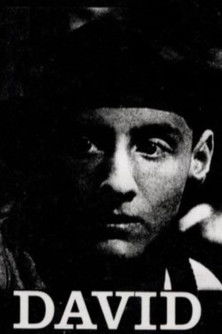
5.3Although members of the Hitler Youth chant anti-Semitic paroles in front of his house during the Purim festival, Rabbi Singer is still profoundly convinced that Germany will stay a safe country for him, his family, and his fellow believers. But several years later, his son David is banned from going to school because he is a Jew. Shortly after, Rabbi Singer and his wife are deported. Now, young David also fears for his life. In constant fear of being detected, he tries to find a way to leave Germany.
David
1979
Behind the camera
A German secretary and a South African-born political campaigner form a relationship.
Lisa and Tshepo
1981
A German secretary and a South African-born political campaigner form a relationship.
Lisa and Tshepo
1981
 6.0
6.0The story of a miner's wife in the Ruhr area, and the story of 40 years of a worker's life in Germany. The biographical film acknowledges the proletarian tradition and is considered to be one of the most important documentary films of the late 60s that tried to combine the private sphere with the reality of society. The film's fascination lies, above all, in the personal charisma of the miner's widow from Duisburg. She knows how to tell the story in a vivacious and exciting way.
Why is Mrs B. Happy?
1968
6.0The story of a miner's wife in the Ruhr area, and the story of 40 years of a worker's life in Germany. The biographical film acknowledges the proletarian tradition and is considered to be one of the most important documentary films of the late 60s that tried to combine the private sphere with the reality of society. The film's fascination lies, above all, in the personal charisma of the miner's widow from Duisburg. She knows how to tell the story in a vivacious and exciting way.
Why is Mrs B. Happy?
1968
Satirical short film about wage labour.
In der Grube
1965
 10.0
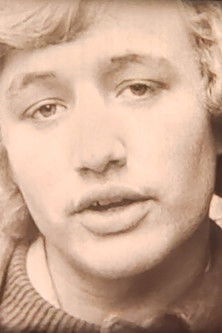
10.0The film focuses on the role played by the parental home and vocational school alongside the training center in the life of an apprentice.
Ich heiße Erwin und bin 17 Jahre
1970
10.0The film focuses on the role played by the parental home and vocational school alongside the training center in the life of an apprentice.
Ich heiße Erwin und bin 17 Jahre
1970