
Directing
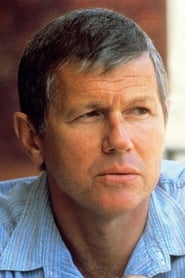
Richard Marquand
Born — Died
1937-09-22 — 1987-09-04
Place of birth
Cardiff, Wales, UK
Known for
Directing
Credits
25 titles
Richard Alfred Marquand (22 September 1937 – 4 September 1987) was a Welsh film director best known for directing the blockbuster Star Wars film, Star Wars Episode VI: Return of the Jedi (1983).
Known for
 7.9
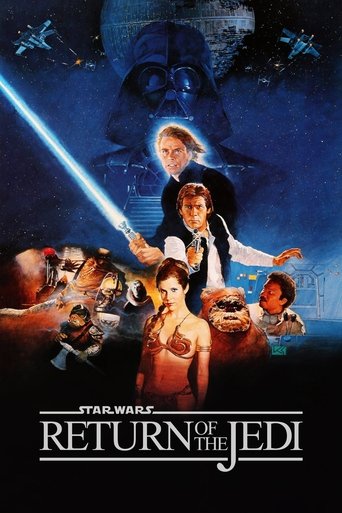
7.9Luke Skywalker leads a mission to rescue his friend Han Solo from the clutches of Jabba the Hutt, the Emperor prepares to crush the Rebellion with a more powerful Death Star, and the Rebel fleet mounts a massive attack on the space station. Luke Skywalker confronts Darth Vader in a final climactic duel before the evil Emperor.
Return of the Jedi
1983
 6.7
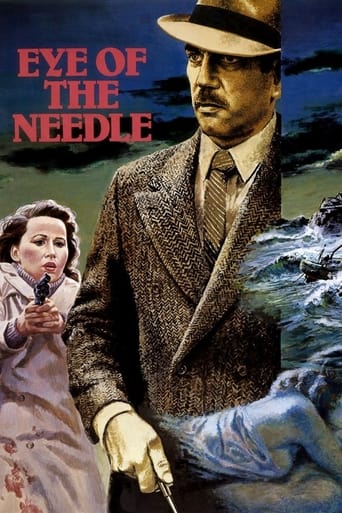
6.7Great Britain, 1944, during World War II. Relentlessly pursued by several MI5 agents, Henry Faber the Needle, a ruthless German spy in possession of vital information about D-Day, takes refuge on Storm Island, an inhospitable, sparsely inhabited island off the coast of northern Scotland.
Eye of the Needle
1981
 6.3
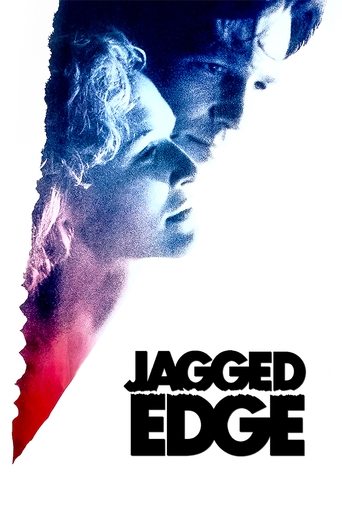
6.3After a wealthy heiress is murdered in her beach house, her devastated husband becomes the prime suspect. He hires a lawyer who hasn’t taken a criminal case in years, and as they work together, a complicated romance develops amidst the trial.
Jagged Edge
1985
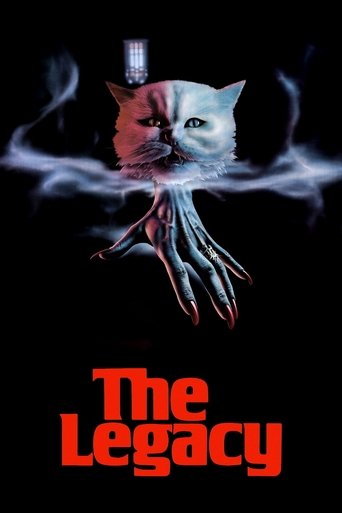 5.4
5.4A couple attempts to unravel a sinister plot within the English countryside estate of a dying man who has gathered an eclectic and notable group of house guests.
The Legacy
1978
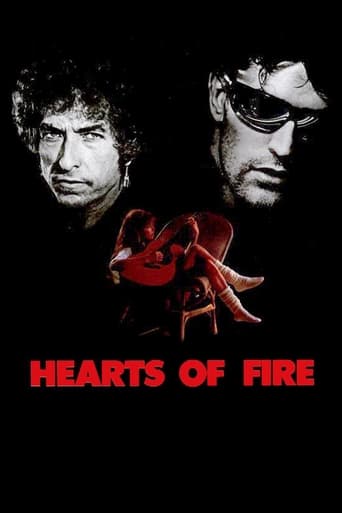 4.1
4.1A reclusive musician, once a huge rock star, takes a young female protegee. While on a tour she meets a younger, more popular rocker and switches her loyalties.
Hearts of Fire
1987
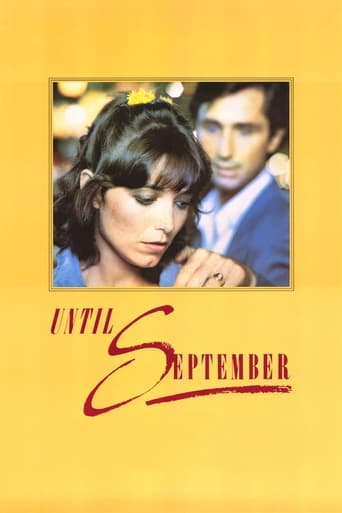 5.0
5.0American tour guide Mo Alexander misses her tour group, and then her flight out of Paris. Stuck in the city of romance, Mo runs into the very suave -- and very married -- Xavier, who attempts to seduce Mo while his family is out of town. His charms prove hard to resist, and Mo succumbs, though her conscience weighs heavy. Soon their bickering romance of convenience takes a serious turn, and, in spite of himself, Xavier finds he's falling in love.
Until September
1984
Film credits
1980s · 4 titles
7.9Luke Skywalker leads a mission to rescue his friend Han Solo from the clutches of Jabba the Hutt, the Emperor prepares to crush the Rebellion with a more powerful Death Star, and the Rebel fleet mounts a massive attack on the space station. Luke Skywalker confronts Darth Vader in a final climactic duel before the evil Emperor.
Return of the Jedi
1983
 7.4
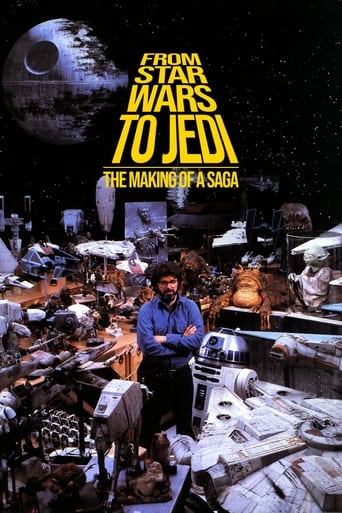
7.4From Star Wars to Jedi: The Making of a Saga is a 1983 television documentary special that originally aired on PBS. It is a behind-the-scenes look at the making of the original Star Wars trilogy, with particular emphasis on the final film, Return of the Jedi. Narrated by actor Mark Hamill, the documentary was written by Richard Schickel who had written the previous television documentaries The Making of Star Wars (1977) and SP FX: The Empire Strikes Back (1980).
From Star Wars to Jedi: The Making of a Saga
1983
 8.8
8.8Go behind the scenes — and into the costumes — as production footage from Return of the Jedi is interspersed with vintage monster movie clips in this in-depth exploration of the painstaking techniques utilized by George Lucas to create the classic creatures and characters seen in the film.
Classic Creatures: Return of the Jedi
1983
 NR
NRIn 1987, Christopher Sykes interviewed Bob Dylan. Their meeting revealed a side of Dylan that is rarely seen - direct, playful and fully engaged in the conversation.
Getting to Dylan
1987
Behind the camera
7.9Luke Skywalker leads a mission to rescue his friend Han Solo from the clutches of Jabba the Hutt, the Emperor prepares to crush the Rebellion with a more powerful Death Star, and the Rebel fleet mounts a massive attack on the space station. Luke Skywalker confronts Darth Vader in a final climactic duel before the evil Emperor.
Return of the Jedi
1983
6.7Great Britain, 1944, during World War II. Relentlessly pursued by several MI5 agents, Henry Faber the Needle, a ruthless German spy in possession of vital information about D-Day, takes refuge on Storm Island, an inhospitable, sparsely inhabited island off the coast of northern Scotland.
Eye of the Needle
1981
6.3After a wealthy heiress is murdered in her beach house, her devastated husband becomes the prime suspect. He hires a lawyer who hasn’t taken a criminal case in years, and as they work together, a complicated romance develops amidst the trial.
Jagged Edge
1985
5.4A couple attempts to unravel a sinister plot within the English countryside estate of a dying man who has gathered an eclectic and notable group of house guests.
The Legacy
1978
4.1A reclusive musician, once a huge rock star, takes a young female protegee. While on a tour she meets a younger, more popular rocker and switches her loyalties.
Hearts of Fire
1987
5.0American tour guide Mo Alexander misses her tour group, and then her flight out of Paris. Stuck in the city of romance, Mo runs into the very suave -- and very married -- Xavier, who attempts to seduce Mo while his family is out of town. His charms prove hard to resist, and Mo succumbs, though her conscience weighs heavy. Soon their bickering romance of convenience takes a serious turn, and, in spite of himself, Xavier finds he's falling in love.
Until September
1984
 6.5
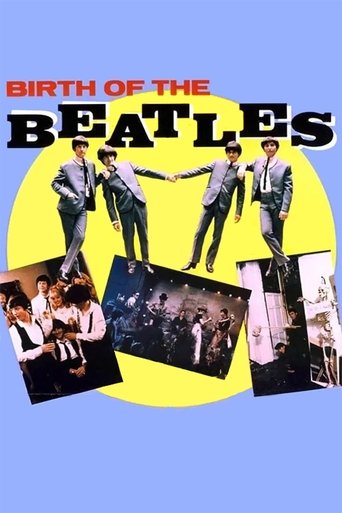
6.5The early days of the Fab Four are traced from their bleakest hours as unknowns on Penny Lane in Liverpool to their triumph on "The Ed Sullivan Show."
Birth of the Beatles
1979
 NR
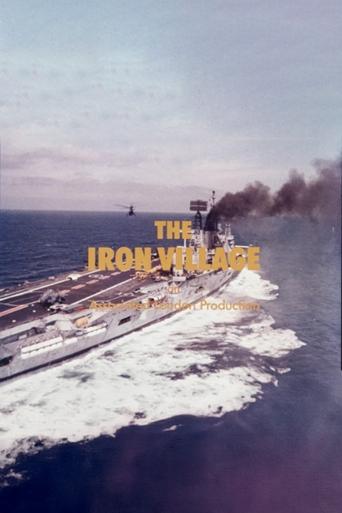
NRDocumentary following life on the Royal Navy ship HMS Ark Royal.
The Iron Village
1973
 NR
NRA 1973 documentary film from the Central Office of Information about the Liverpool and Bootle Constabulary.
Between the Anvil and the Hammer
1973
 NR
NRIn the first of a trilogy of documentaries made in the United States, John Pilger reveals American Secretary of State Henry Kissinger’s policy of refusing aid to countries that do not support his government in the United Nations and the existence of a “Zap Office” – officially, the Office of Multilateral Diplomacy – specially set up in the State Department to monitor voting patterns.
Zap!! The Weapon Is Food
1976
NRIn the first of a trilogy of documentaries made in the United States, John Pilger reveals American Secretary of State Henry Kissinger’s policy of refusing aid to countries that do not support his government in the United Nations and the existence of a “Zap Office” – officially, the Office of Multilateral Diplomacy – specially set up in the State Department to monitor voting patterns.
Zap!! The Weapon Is Food
1976
 NR
NRAmerican defence policy under Gerald Ford, successor to a disgraced president, is the subject of Mr Nixon’s Secret Legacy. John Pilger says that military thinkers in Washington are for the first time “thinking the unthinkable” and Strategic Arms Limitation Talks with the Soviet Union announced by Ford and Henry Kissinger are “no more than a sham”. Before resigning over Watergate, President Richard Nixon had given Pentagon generals a flexible strategy that would blur the distinction between conventional and nuclear warfare.
Mr Nixon's Secret Legacy
1975
NRAmerican defence policy under Gerald Ford, successor to a disgraced president, is the subject of Mr Nixon’s Secret Legacy. John Pilger says that military thinkers in Washington are for the first time “thinking the unthinkable” and Strategic Arms Limitation Talks with the Soviet Union announced by Ford and Henry Kissinger are “no more than a sham”. Before resigning over Watergate, President Richard Nixon had given Pentagon generals a flexible strategy that would blur the distinction between conventional and nuclear warfare.
Mr Nixon's Secret Legacy
1975
 NR
NRJohn Pilger’s first documentary on the aftermath of the Vietnam War, To Know Us Is to Love Us, features a caring, humane American community in Fort Smith, Arkansas, welcoming South Vietnamese refugees just months after the United States’s defeat and humiliation in south-east Asia – while their own dead of the war lie in the town’s graveyard.
To Know Us Is To Love Us
1975
NRJohn Pilger’s first documentary on the aftermath of the Vietnam War, To Know Us Is to Love Us, features a caring, humane American community in Fort Smith, Arkansas, welcoming South Vietnamese refugees just months after the United States’s defeat and humiliation in south-east Asia – while their own dead of the war lie in the town’s graveyard.
To Know Us Is To Love Us
1975
 NR
NRThe second of John Pilger’s three 1976 documentaries made in the United States. In Pyramid Lake Is Dying, he reports on the demise in the culture of native Americans and the stealing of their resources. Pyramid Lake, in Nevada, home to the Paiute peoples and once described as “one of the few remaining unspoiled natural wonders in the American West”, is drying up and its fisheries and wildlife disappearing due to changes to the local ecology made by white settlers. In addition to their natural resources, the Paiute peoples' culture and lifestyle are also under threat.
Pyramid Lake Is Dying
1976
NRThe second of John Pilger’s three 1976 documentaries made in the United States. In Pyramid Lake Is Dying, he reports on the demise in the culture of native Americans and the stealing of their resources. Pyramid Lake, in Nevada, home to the Paiute peoples and once described as “one of the few remaining unspoiled natural wonders in the American West”, is drying up and its fisheries and wildlife disappearing due to changes to the local ecology made by white settlers. In addition to their natural resources, the Paiute peoples' culture and lifestyle are also under threat.
Pyramid Lake Is Dying
1976
 NR
NRMadison Avenue, the centre of the American advertising industry, is the subject of the last of John Pilger’s three 1976 documentaries made in the United States. At a time of recession and nine million unemployed, $26 billion a year is still being spent on advertising.
Street of Joy
1976
NRMadison Avenue, the centre of the American advertising industry, is the subject of the last of John Pilger’s three 1976 documentaries made in the United States. At a time of recession and nine million unemployed, $26 billion a year is still being spent on advertising.
Street of Joy
1976