
Directing
Marcel Ophüls
Born — Died
1927-11-01 — 2025-05-24
Place of birth
Frankfurt am Main, Germany
Known for
Directing
Credits
61 titles
Marcel Ophuls (German: [ˈɔfʏls]; born 1 November 1927) was a German-French documentary film maker and former actor, best known for his films The Sorrow and the Pity and Hôtel Terminus: The Life and Times of Klaus Barbie. Ophuls was born in Frankfurt, Germany, the son of Hildegard Wall and the director Max Ophüls. His family left Germany in 1933 following the coming to power of the Nazi Party and settled in Paris, France. Following the invasion of France by Germany in May 1940 they were forced to flee to the Vichy zone, remaining in hiding for over a year before crossing the Pyrenees into Spain in order to travel to the United States, arriving there in December 1941. Marcel attended Hollywoo…
Known for
 9.5
9.5Marcello Mastroianni, Isabelle Adjani, Alain Delon, Martin Scorsese, Woody Allen... the biggest stars in cinema were welcomed by Christian Defaye on his show Spécial cinéma. Between intimate confessions from actors and immersion in the world of the greatest filmmakers, Christian Defaye took viewers on a journey into the fascinating world of cinema for nearly thirty years.
Spécial cinéma
1974
Annual awarding of the Grimme Awards.
Grimme Award
1964
No synopsis available yet.
Wortwechsel
1982
No synopsis available yet.
Zeil um Zehn
1990
 6.7
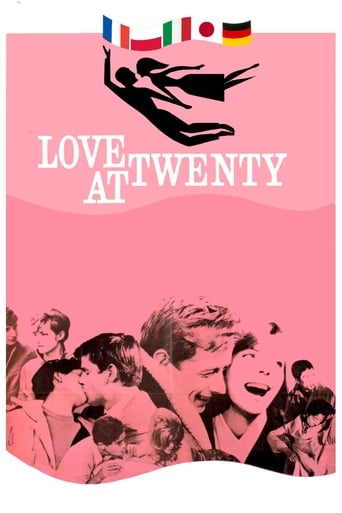
6.7Love at Twenty unites five directors from five different countries to present their different perspectives on what love really is at the age of 20. The episodes are united with the score of Georges Delerue and still photos of Henri Cartier-Bresson.
Love at Twenty
1962
 6.9
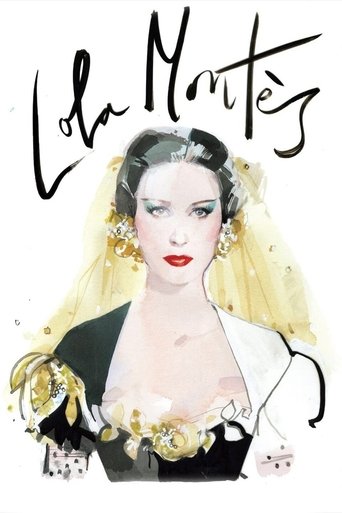
6.9Lola Montes, previously a great adventuress, is reduced to being the attraction of a circus after having been the lover of various important men.
Lola Montès
1955
Film credits
2010s · 4 titles
 6.2
6.218 years after his last film, (The Troubles We've Seen), Marcel Ophuls emerges from retirement as one of our last masters, the most corrosive, the funniest as well. And the most forceful. The director of The Sorrow and the Pity shares with us stories of his exceptionally rich life in this light-hearted yet bitter escapade though the century and the movies. Son of the great Max Ophuls, he is generous in his admiration. We also meet Jeanne Moreau, Bertolt Brecht, Ernst Lubitsch, Otto Preminger, Woody Allen, Stanley Kubrick and of course François Truffaut. There are no great filmmakers without a memory, so here is the memory shop of Marcel Ophuls.
Ain't Misbehavin
2013
 6.8
6.8Claude Lanzmann discusses the long and difficult process of researching, shooting, editing, and presenting his groundbreaking and influential documentary, "Shoah" (1985).
Claude Lanzmann: Spectres of the Shoah
2015
 7.0
7.0In 2009, in a small theater in Geneva, Switzerland, the film directors Marcel Ophuls and Jean-Luc Godard met for an unusual, surprisngly intimate and sometimes contentious dialogue with each other in front of a live audience. Luckily for us, it was filmed.
Marcel Ophuls and Jean-Luc Godard: The Meeting in St-Gervais
2011
An interview with French documentarian Marcel Ophüls about his father Max Ophüls, regarding Max's arrival in Hollywood, how he received approval for Letter from an Unknown Woman (1948) from the head of the studio, his return to France, and what Marcel has learned from his father. An extra on Olive Signature's Blu-Ray release of Letter from an Unknown Woman.
A Deal Made in a Turkish Bath
2017
2000s · 3 titles
 NR
NRIn a series of four documentaries, Marcel Ophuls pays tribute to his father Max, and in this last one discusses his role as an assistant director on "Lola Montès".
Max par Marcel: Lola Montès
2009
Storyville's Nick Fraser meets German-French documentary film maker and former actor, Marcel Ophüls.
Marcel Ophuls: The Memory Hunter
2004
Philippe Roger found the secretary of director Max Ophüls, Ulla de Colstoun, and Valere his first assistant, mobilized them on his project and, together during the documentary, they will both find in Normandy, the filming locations of Maison Tellier, sketch of the film Le Plaisir and the spirit of the film with the still intact impressions of these exceptional witnesses.
A Journey Through Le Plaisir
2002
1990s · 3 titles
 5.6
5.6Twenty-six people - including two daughters, an ex-wife, his last lover, actors, fellow directors and writers, a neighbor, and boyhood friends - talk about François Truffaut. They discuss his attitudes toward wealth, his early writings about cinema, the undercurrent of violence in his films and his personality, the way he used and altered events in his life when making films, his search for a father (both artistic and biological), his relationship with his mother, the scenes in his films that cause a squirm of embarrassment, and his ultimate mysticism. Clips from a dozen of his films are included.
François Truffaut: Stolen Portraits
1993
 5.8
5.8We follow Marcel Ophuls' two journeys to Sarajevo in 1993. He is starting a documentary about war correspondants. But this also becomes a reflexion about truth and life. The form consists in many interviews of mostly French and American journalists and reporters of television or newspapers.
The Troubles We've Seen
1994
 6.8
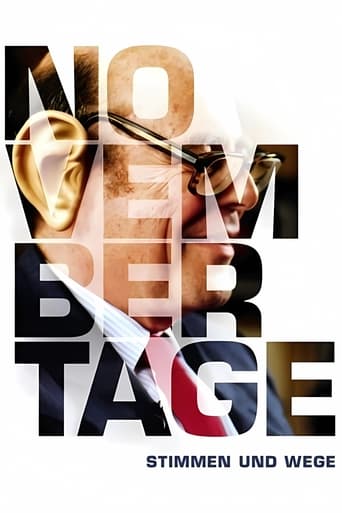
6.8Marcel Ophüls interviews various important Eastern European figures for their thoughts on the reunification of Germany and the fall of Communism.
November Days
1991
1980s · 5 titles
 7.1
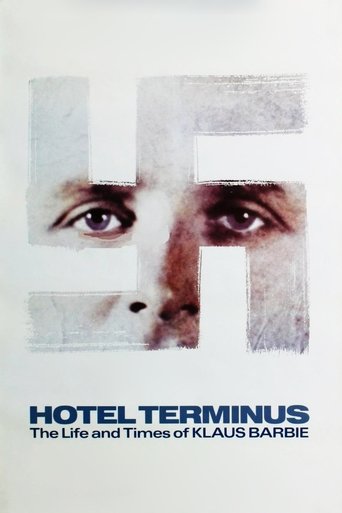
7.1Marcel Ophuls' riveting film details the heinous legacy of the Gestapo head dubbed "The Butcher of Lyon." Responsible for over 4,000 deaths in occupied France during World War II, Barbie would escape—with U.S. help—to South America in 1951, where he lived until a global manhunt led to his 1983 arrest and subsequent trial.
Hôtel Terminus: The Life and Times of Klaus Barbie
1988
 5.5
5.5In 1912, in Austria, the painter Egon Schiele is sent to jail accused of pornography with the nymphet Tatjana in his erotic paints. His mate, the model Vally, gets help from a famous lawyer to release him. Then he leaves Vally, marries with another woman and goes to the war.
Egon Schiele: Excess and Punishment
1980
 4.2
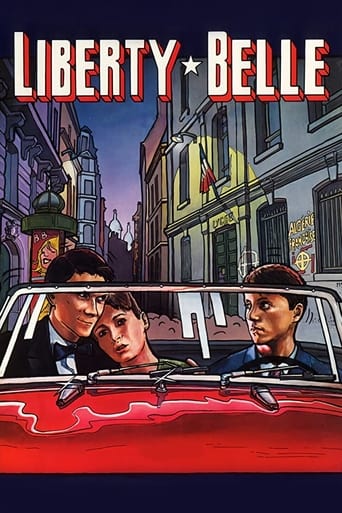
4.2The story of a group of students' involvement with a group who oppose the French-Algerian war.
Liberty Belle
1983
No synopsis available yet.
Das schöne irre Judenmädchen
1984
Television film
Festspiele
1982
Series credits
9.5Marcello Mastroianni, Isabelle Adjani, Alain Delon, Martin Scorsese, Woody Allen... the biggest stars in cinema were welcomed by Christian Defaye on his show Spécial cinéma. Between intimate confessions from actors and immersion in the world of the greatest filmmakers, Christian Defaye took viewers on a journey into the fascinating world of cinema for nearly thirty years.
Spécial cinéma
1974
Annual awarding of the Grimme Awards.
Grimme Award
1964
No synopsis available yet.
Wortwechsel
1982
No synopsis available yet.
Zeil um Zehn
1990
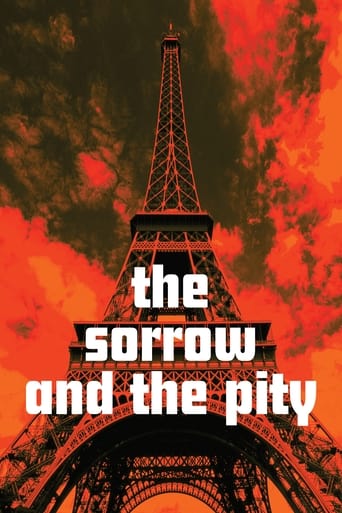 7.9
7.9An investigation into the nature, details and reasons for the collaboration, from 1940 to 1944, during World War II, between the Vichy regime, established in the south of France and headed by Marshal Pétain, and Nazi Germany.
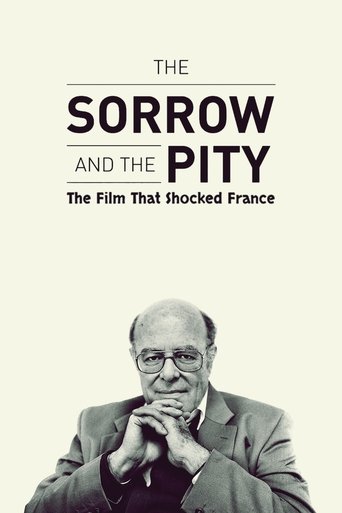
The Sorrow and the Pity
1969
Behind the camera
6.7Love at Twenty unites five directors from five different countries to present their different perspectives on what love really is at the age of 20. The episodes are united with the score of Georges Delerue and still photos of Henri Cartier-Bresson.
Love at Twenty
1962
6.7Love at Twenty unites five directors from five different countries to present their different perspectives on what love really is at the age of 20. The episodes are united with the score of Georges Delerue and still photos of Henri Cartier-Bresson.
Love at Twenty
1962
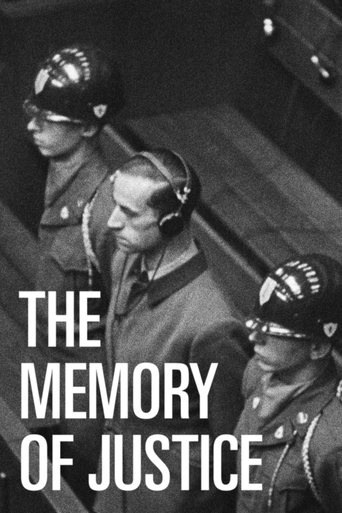 6.8
6.8This exceptional, disturbing, and thought-provoking two-part documentary compares the atrocities committed by the Nazis as revealed during the Nuremberg trials to those committed by the French in Algeria and those done by the Americans in Vietnam. The four-hour epic questions the right of any country to pass self-righteous moral judgements upon the actions of another country.
The Memory of Justice
1976
6.8This exceptional, disturbing, and thought-provoking two-part documentary compares the atrocities committed by the Nazis as revealed during the Nuremberg trials to those committed by the French in Algeria and those done by the Americans in Vietnam. The four-hour epic questions the right of any country to pass self-righteous moral judgements upon the actions of another country.
The Memory of Justice
1976
6.8This exceptional, disturbing, and thought-provoking two-part documentary compares the atrocities committed by the Nazis as revealed during the Nuremberg trials to those committed by the French in Algeria and those done by the Americans in Vietnam. The four-hour epic questions the right of any country to pass self-righteous moral judgements upon the actions of another country.
The Memory of Justice
1976
7.1Marcel Ophuls' riveting film details the heinous legacy of the Gestapo head dubbed "The Butcher of Lyon." Responsible for over 4,000 deaths in occupied France during World War II, Barbie would escape—with U.S. help—to South America in 1951, where he lived until a global manhunt led to his 1983 arrest and subsequent trial.
Hôtel Terminus: The Life and Times of Klaus Barbie
1988
7.1Marcel Ophuls' riveting film details the heinous legacy of the Gestapo head dubbed "The Butcher of Lyon." Responsible for over 4,000 deaths in occupied France during World War II, Barbie would escape—with U.S. help—to South America in 1951, where he lived until a global manhunt led to his 1983 arrest and subsequent trial.
Hôtel Terminus: The Life and Times of Klaus Barbie
1988
7.1Marcel Ophuls' riveting film details the heinous legacy of the Gestapo head dubbed "The Butcher of Lyon." Responsible for over 4,000 deaths in occupied France during World War II, Barbie would escape—with U.S. help—to South America in 1951, where he lived until a global manhunt led to his 1983 arrest and subsequent trial.
Hôtel Terminus: The Life and Times of Klaus Barbie
1988
6.218 years after his last film, (The Troubles We've Seen), Marcel Ophuls emerges from retirement as one of our last masters, the most corrosive, the funniest as well. And the most forceful. The director of The Sorrow and the Pity shares with us stories of his exceptionally rich life in this light-hearted yet bitter escapade though the century and the movies. Son of the great Max Ophuls, he is generous in his admiration. We also meet Jeanne Moreau, Bertolt Brecht, Ernst Lubitsch, Otto Preminger, Woody Allen, Stanley Kubrick and of course François Truffaut. There are no great filmmakers without a memory, so here is the memory shop of Marcel Ophuls.
Ain't Misbehavin
2013
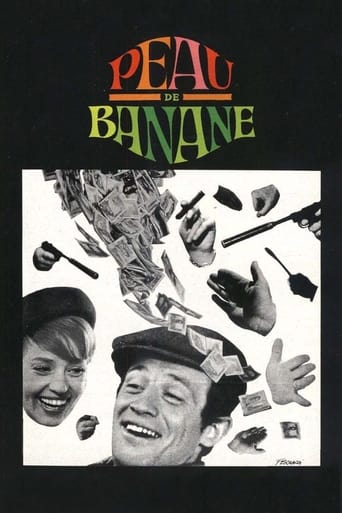 5.9
5.9Two scoundrels cheat a millionaire out of a huge bankroll on the French Riviera.
Banana Peel
1963
5.9Two scoundrels cheat a millionaire out of a huge bankroll on the French Riviera.
Banana Peel
1963
5.8We follow Marcel Ophuls' two journeys to Sarajevo in 1993. He is starting a documentary about war correspondants. But this also becomes a reflexion about truth and life. The form consists in many interviews of mostly French and American journalists and reporters of television or newspapers.
The Troubles We've Seen
1994
5.8We follow Marcel Ophuls' two journeys to Sarajevo in 1993. He is starting a documentary about war correspondants. But this also becomes a reflexion about truth and life. The form consists in many interviews of mostly French and American journalists and reporters of television or newspapers.
The Troubles We've Seen
1994
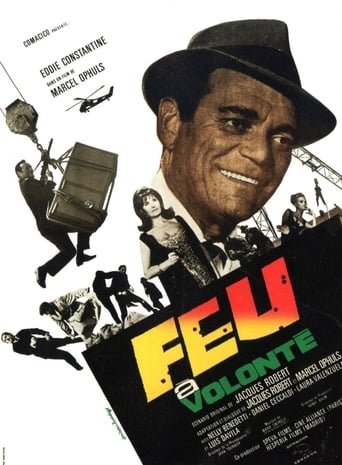 5.5
5.5A famous American secret service agent tries to rescue a German 17-year-old prodigy scientist who has been captured by the Russians.
Make Your Bets Ladies
1965
5.5A famous American secret service agent tries to rescue a German 17-year-old prodigy scientist who has been captured by the Russians.
Make Your Bets Ladies
1965
6.8Marcel Ophüls interviews various important Eastern European figures for their thoughts on the reunification of Germany and the fall of Communism.
November Days
1991
6.8Marcel Ophüls interviews various important Eastern European figures for their thoughts on the reunification of Germany and the fall of Communism.
November Days
1991
From his childhood in the lowlands of northern France to his death in Nice, a look at the life of painter Matisse: his early education, his apprenticeship at the Beaux-Arts and his decades-long career as a painter, sculptor, and draftsman.
Matisse ou Le talent de bonheur
1960
From his childhood in the lowlands of northern France to his death in Nice, a look at the life of painter Matisse: his early education, his apprenticeship at the Beaux-Arts and his decades-long career as a painter, sculptor, and draftsman.
Matisse ou Le talent de bonheur
1960
NRIn a series of four documentaries, Marcel Ophuls pays tribute to his father Max, and in this last one discusses his role as an assistant director on "Lola Montès".
Max par Marcel: Lola Montès
2009
NRIn a series of four documentaries, Marcel Ophuls pays tribute to his father Max, and in this last one discusses his role as an assistant director on "Lola Montès".
Max par Marcel: Lola Montès
2009
 9.0
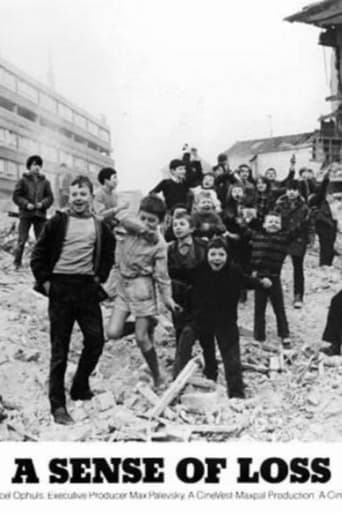
9.0Shot over six weeks in December 1971, and January 1972, the film consisted of interviews with Protestants, Catholics, politicians, and some soldiers, combined with TV news clips of bombings and violence. The deaths of four individuals formed the central focus of the film, which Ophüls described as ‘an old, middle-aged, humanistic, social-democratic attempt to give people an idea that life after all is not that cheap’. The BBC refused to transmit the completed film on the grounds that it was ‘too pro-Irish’ (Sunday Times, 5 Nov. 1972). (via http://cain.ulst.ac.uk/othelem/media/docs/freespeech.htm)
A Sense of Loss
1973
9.0Shot over six weeks in December 1971, and January 1972, the film consisted of interviews with Protestants, Catholics, politicians, and some soldiers, combined with TV news clips of bombings and violence. The deaths of four individuals formed the central focus of the film, which Ophüls described as ‘an old, middle-aged, humanistic, social-democratic attempt to give people an idea that life after all is not that cheap’. The BBC refused to transmit the completed film on the grounds that it was ‘too pro-Irish’ (Sunday Times, 5 Nov. 1972). (via http://cain.ulst.ac.uk/othelem/media/docs/freespeech.htm)
A Sense of Loss
1973
 8.0
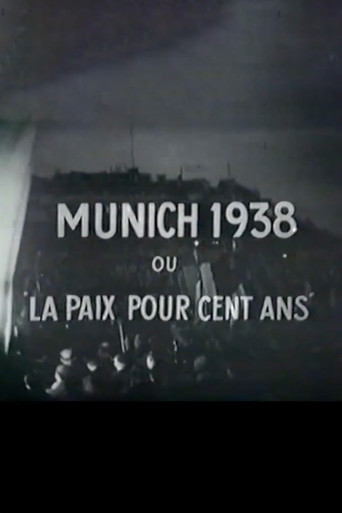
8.0A television documentary directed by Marcel Ophüls examining the Munich Conference of September 28, 1938, when European leaders met to avert the outbreak of war. Through archival documents and interviews, the film reconstructs the political atmosphere surrounding negotiations between Britain and France on one side and Nazi Germany and Fascist Italy on the other, situating the agreement within the broader context of European appeasement in the face of fascism.
Munich, or Peace in Our Time
1967
8.0A television documentary directed by Marcel Ophüls examining the Munich Conference of September 28, 1938, when European leaders met to avert the outbreak of war. Through archival documents and interviews, the film reconstructs the political atmosphere surrounding negotiations between Britain and France on one side and Nazi Germany and Fascist Italy on the other, situating the agreement within the broader context of European appeasement in the face of fascism.
Munich, or Peace in Our Time
1967
 9.0
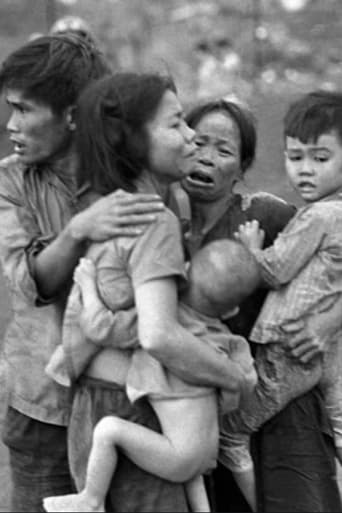
9.0Filmmaker Marcel Ophuls investigates the massacre of My Lai by U.S. soldiers.
The Harvest of My Lai
1970
9.0Filmmaker Marcel Ophuls investigates the massacre of My Lai by U.S. soldiers.
The Harvest of My Lai
1970
No synopsis available yet.
Zwei ganze Tage
1970
No synopsis available yet.
Zwei ganze Tage
1970
 NR
NRIn 1970, the return of Ophuls to the United States from his adolescence, then mired in Vietnam: direct testimonies on the evolution of mentalities, between racism and generosity, reactionaries and hippies.
À la recherche de mon Amérique
1971
German adaptation of The Dock Brief
Das Pflichtmandat
1958
No synopsis available yet.
Clavigo
1970
Television film
Festspiele
1982
Television film
Festspiele
1982
Documentary about director Fritz Korner
Kortnergeschichten
1980
Documentary about director Fritz Korner
Kortnergeschichten
1980
 5.8
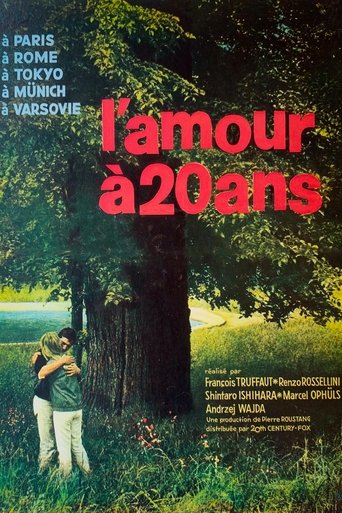
5.8A segment of “Love at Twenty” is a story of an unwed mother who contrives to trap the father of her baby.
Munich
1962
 9.0
9.0Commissioned by French TV, Yorktown covers the bicentennial commemoration of the Siege of Yorktown, near the end of the American Revolutionary War, where the Americans and their French allies defeated the English. The festivities celebrating Franco-American friendship give Ophüls some amusement, as he takes a gleefully ironic look at the formally “friendly” meeting between Mitterand and Reagan, or exposes the absurdity of patriotic folklore.
Yorktown: The Meaning of a Victory
1982