
Known for
 7.1
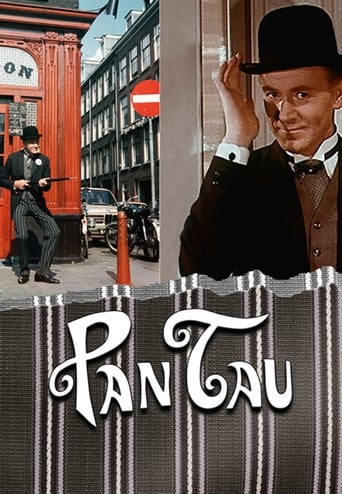
7.1Pan Tau always had a gentle expression and a friendly smile, he was elegantly dressed in a stroller, with an umbrella and a white carnation in the lapel. Foremost, he was famous for his magic bowler hat. By tapping on his hat, Pan Tau was able to change his appearance into a puppet, to conjure up miscellaneous objects or to do other magic. His most characteristically behavior is that he would help children who were experiencing some sort of difficulties in-between their dreams and reality, like finding a place for skiing, settling family problems on Christmas, and even give a boy a good time at a fair when he is supposed to have piano lessons. To adults, he usually remained invisible.
Pan Tau
1970
 8.2
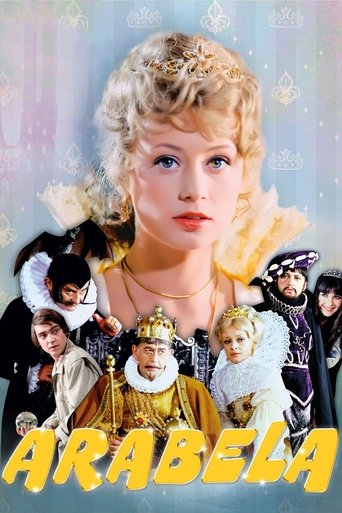
8.2Arabela was a children's television series produced in Czechoslovakia which aired from 1979 to 1981. The series has 13 episodes and is in the Czech language.
Arabela
1980
 7.0
7.0No synopsis available yet.
F. L. Věk
1971
 NR
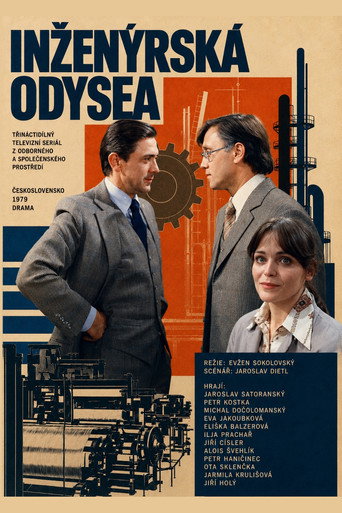
NRInženýrská odysea is a Czechoslovak/Czech TV series about three young students and their lives.
Inženýrská odysea
1980
 NR
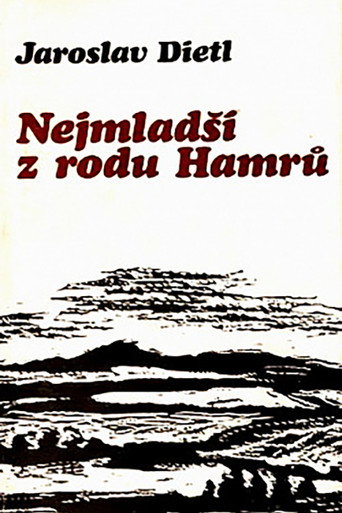
NRNo synopsis available yet.
Nejmladší z rodu Hamrů
1975
 NR
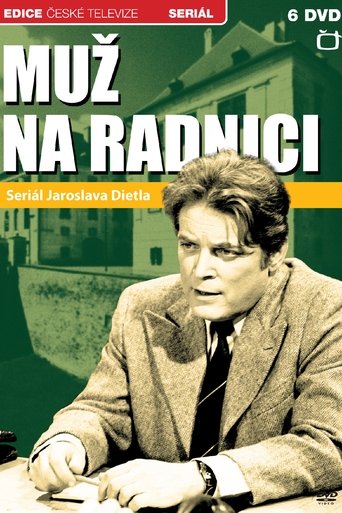
NRMuž na radnici was a Czechoslovak television program which was broadcast in 1976. The program was directed by Evžen Sokolovský. In 2011, it was announced that the program, along with 17 others, would be released on DVD within three years.
Muž na radnici
1976
Film credits
1990s · 4 titles
 6.0
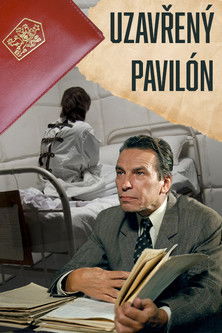
6.0No synopsis available yet.
Uzavřený pavilon
1991
No synopsis available yet.
Ten lokaj
1991
The dramatic fate of a girl forced to live someone else's life...
Útěk do vězení
1991
Anna has been married to Karel for fifteen years and has a teenage daughter with him. Karel is growing distant from Anna, whose daily life consists of taking care of the family. Anna's life balance is unfavorable for everyone involved. Who hasn't felt this way?
Patnácté léto
1994
1980s · 15 titles
 NR
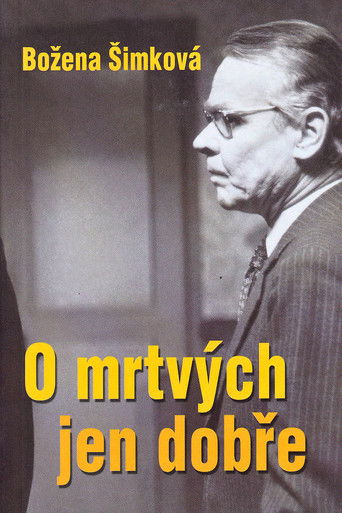
NRNo synopsis available yet.
O mrtvých jen dobře
1986
No synopsis available yet.
Dlouhý, Široký a Bystrozraký
1980
 6.0
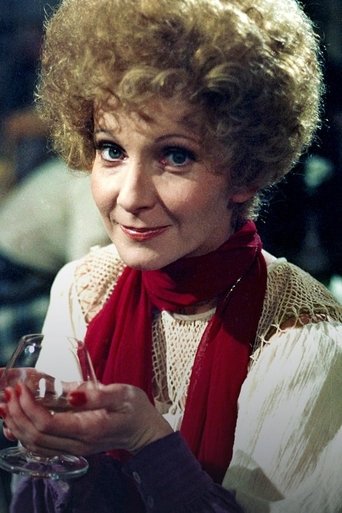
6.0No synopsis available yet.
Druhá první dáma
1980
No synopsis available yet.
Dialogy pro klarinet, cimbál a bicí
1986
 NR
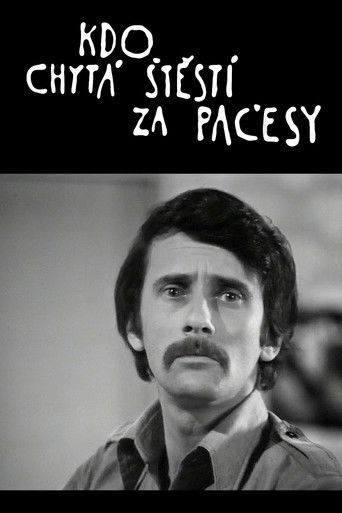
NRNo synopsis available yet.
Kdo chytá štěstí za pačesy
1980
No synopsis available yet.
Vzpurní svědkové
1983
No synopsis available yet.
Bankovní dům Daubner
1989
No synopsis available yet.
Štvrtý rozmer
1983
 8.0
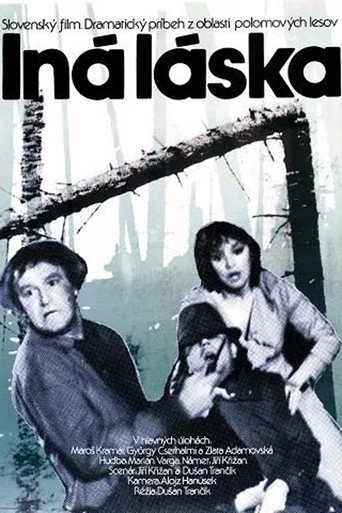
8.0Expelled from medical school for performing an illegal abortion, a young Slovak man takes a job at a remote mountain sawmill to escape his past. Seeking redemption, he instead finds himself trapped in a rural community driven by corruption, greed, and moral compromise.
Another Love
1986
No synopsis available yet.
Cizí lidé
1984
 5.0
5.0In the mid-eighties, screenwriter and director Jaroslav Balík tried to give voice to the problems of an ambitious young woman who decides to get back to work after a few years spent on maternity leave. NFA.CZ
Experiment Eva
1986
No synopsis available yet.
Vnitřní zrak
1989
No synopsis available yet.
Měsíční tónina
1981
Television play
Královská hra
1981
No synopsis available yet.
Rváč
1980
1970s · 14 titles
No synopsis available yet.
Exponát smrti
1979
 6.0
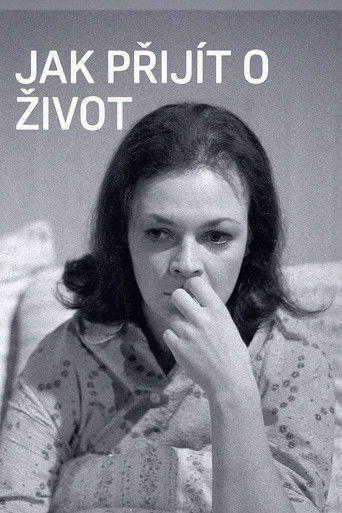
6.0No synopsis available yet.
Jak přijít o život
1974
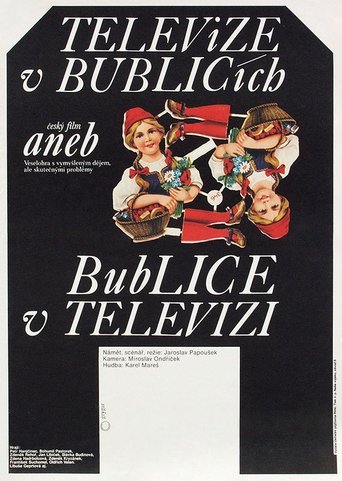 8.0
8.0The news that the television is going to make a film about the cooperative's leisure activities leads the locals to extraordinary social and sporting activity, but the only result is a chain of endless confusions, misunderstandings and disasters...
Televize v Bublicích aneb Bublice v televizi
1974
The merging of reality with legend, the image of reality (Ruthenian Verkhovyna in the 1920s) and its reflection in people's minds - this is what characterizes the story of the modern Transcarpathian bandit Nikola Šuhaj, who "took from the rich and gave to the poor". Ivan Olbracht's novel from the 1930s, one of the artistic peaks of modern Czech prose, is a dramatic story about a war deserter, his love for the beautiful Eržica, a story about revenge for wrongs, persecution, betrayal and death. Šuhaj's fate merged with legends in people's memory. By combining elements of the past and the present, document and myth, the story turned into a ballad about how eternal and strong the human dream of freedom and happiness is.
Nikola Šuhaj loupežník
1978
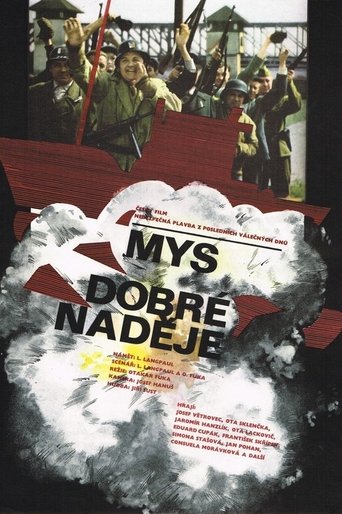 8.0
8.0World War II is slowly coming to an end. On the German side of the border, panic slowly breaks out and the local commander orders the local port to be mined. The Czech boatmen take advantage of the sudden confusion and decide to carry out a crazy plan: steal a German ship full of explosives and sail towards Prague, which according to fascist plans is to become the last German stronghold...
Mys Dobré naděje
1976
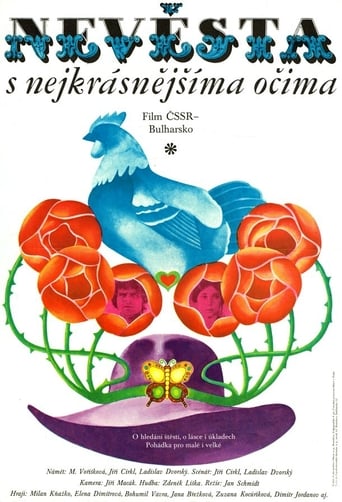 7.5
7.5Exotic, yet lyrically aimed fairy tale about a young gypsy Pista in search of a beautiful, gentle and faithful bride. An old man told him where to find a girl with those qualities, so Pista sets out on a journey to find the girl of his dreams without knowing that she is special: an hour a day human and rest of the day a chicken...
The Bride with the Most Beautiful Eyes
1976
Wenceslas II, who already has adult children Eliška and Václav, refuses to marry the young Alžběta Rejčka. In the end, he succumbs to the insistence of Abbot Konrád. The queen brings him Poland as a dowry, and Wenceslas II thus expands his empire. He still lives in the shadow of his great father, Přemysl Otakar II, and his lords reproach him for his weakness and inability to fight. Wenceslas is truly afraid of the moment when he will have to lead an army into the field and prefers to settle disputes diplomatically. His fencing teacher Hynek of Dubá and his mistress Anežka know about the king's weakness, and Václav seeks their company rather than his young wife. However, Rejčka admires the king and trusts him with the charm of a young girl. The enemy invades the country and advances quickly. It is necessary to confront him in the field, but the king hesitates and postpones the decision.
Královský gambit
1974
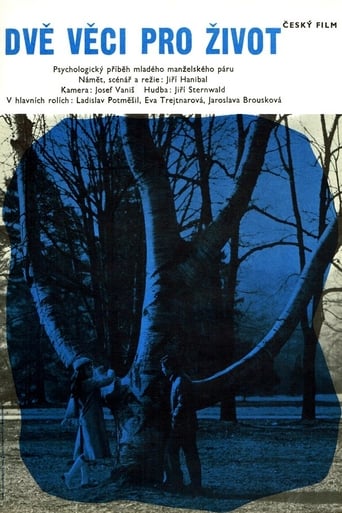 5.0
5.0After returning home from the army, Vasek (Ladislav Potmesil) has married Bozka (Eva Trejtnarová) and the couple now live at her parents' house. Vasek is unhappy both with his work and with sharing the house with Bozka's parents. He and his friend Ruda (Oldrich Vlach) decide to take a temporary job in Ostrava for a year. Bozka is against this, but Vasek gets his way. Mining is hard work but Vasek gradually adapts to it. He gets homesick from time to time and wants to go back, but his pride always wins out. Once he really does travel back to see Bozka, but he doesn't find her at home.
Dvě věci pro život
1973
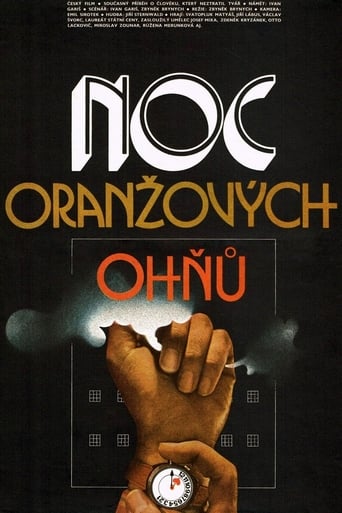 8.0
8.0Petr Rynes (Svatopluk Matyás) is celebrating his forty-fifth birthday in the company of his friends. He is happy with his wife, and his abilities at work have been rewarded with the medal For Outstanding Work. But a few short seconds are enough to change his life when he makes the ill-judged decision to take his car to bring a friend's wife to the celebration, and hits a pedestrian on the way. He has of course been drinking at the party and is consequently sentenced to sixteen months in prison. Being in jail is not an easy thing for a honorable communist. He soon gets into conflict with several violent inmates, who think they can break his spirit by violence.
Night of Orange Fires
1975
No synopsis available yet.
Recepty doktora Kudrny
1976
No synopsis available yet.
Jak se zranit ve službě
1978
The historical television play was written based on Vančura's Pictures from the History of the Czech Nation and takes place against the backdrop of the European situation at the beginning of the thirteenth century. Přemysl Otakar I., father of Agnes of Přemyslid, sought recognition of the Czech lands as a hereditary kingdom. And what about his love and fickleness? The story will answer this, in which poetry and truth diverge only in the degree of emotional movements, in the tremors of souls, which lead to love as well as to hatred.
Vrtkavý král
1975
The ship's first officer, Karel Kip, and his brother, engineer Petr Kip, are convicted as mutineers for the mysterious murder of the captain of the ship James Cook. However, thanks to the intervention of the governor, they only receive life imprisonment in a penal colony. There, they build a hot air balloon with which they escape. The brothers remember that a phonograph was left on the ship, which could be used to identify the captain's real killer...
Bratři Kipové
1979
In the early 1970s, the class struggle flared up in full force on the big screen - the hero of this film, set in the interwar period, is a staunch communist journalist who arrives in the Ostrava region during the economic crisis to instigate a strike. The impoverishment and hopelessness of the miners had exceeded all limits...
Bitva o Hedviku
1972
1960s · 8 titles
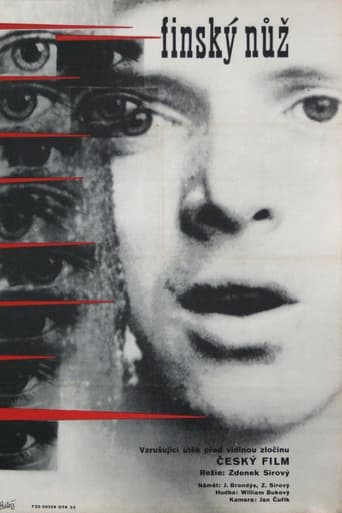 4.7
4.7Two young men, thinking that they've killed someone, flee to Poland.
The Finnish Knife
1965
No synopsis available yet.
Akce Lucy
1966
No synopsis available yet.
Rain
1965
No synopsis available yet.
Útěk do Budína
1966
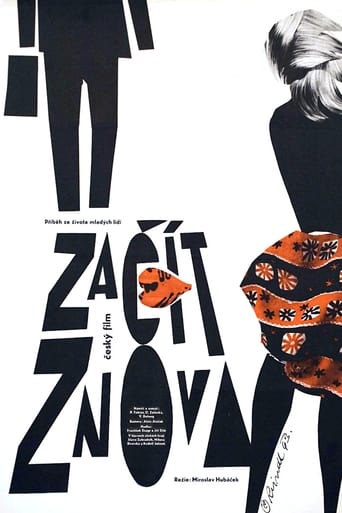 10.0
10.0Young Jan Stehlík signs up for a job to build a new mine. On the train he meets the pretty Alena, who falls in love with him. However, she means nothing to the superficial Jan, and when the girl becomes his lover, he treats her rudely and insultingly. But Alena's relationship troubles the honest Joseph, who really likes her.
Začít znova
1964
A medium-length story about the birth of a father and son friendship.
Oranžový měsíc
1962
No synopsis available yet.
Čtvrtý obratel
1965
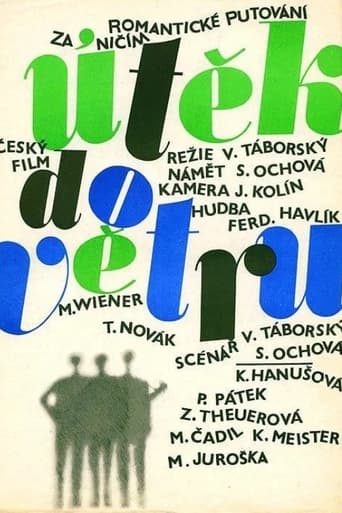 8.0
8.0A story about three teenage boys growing up in less than ideal families who decide to leave their parents and strike out on their own for fear of punishment for truancy.
Útěk do větru
1965
Series credits
7.1Pan Tau always had a gentle expression and a friendly smile, he was elegantly dressed in a stroller, with an umbrella and a white carnation in the lapel. Foremost, he was famous for his magic bowler hat. By tapping on his hat, Pan Tau was able to change his appearance into a puppet, to conjure up miscellaneous objects or to do other magic. His most characteristically behavior is that he would help children who were experiencing some sort of difficulties in-between their dreams and reality, like finding a place for skiing, settling family problems on Christmas, and even give a boy a good time at a fair when he is supposed to have piano lessons. To adults, he usually remained invisible.
Pan Tau
1970
8.2Arabela was a children's television series produced in Czechoslovakia which aired from 1979 to 1981. The series has 13 episodes and is in the Czech language.
Arabela
1980
7.0No synopsis available yet.
F. L. Věk
1971
NRInženýrská odysea is a Czechoslovak/Czech TV series about three young students and their lives.
Inženýrská odysea
1980
NRNo synopsis available yet.
Nejmladší z rodu Hamrů
1975
NRMuž na radnici was a Czechoslovak television program which was broadcast in 1976. The program was directed by Evžen Sokolovský. In 2011, it was announced that the program, along with 17 others, would be released on DVD within three years.
Muž na radnici
1976
 NR
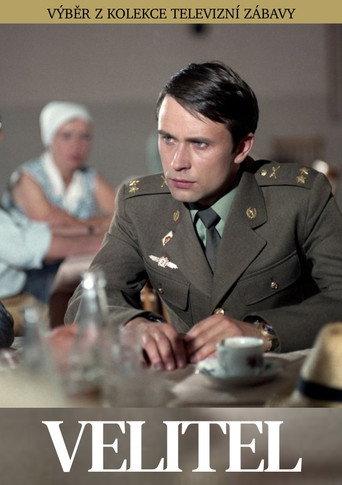
NRNo synopsis available yet.
Velitel
1981