
Acting
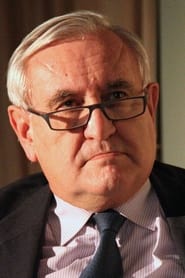
Jean-Pierre Raffarin
Born
1948-08-03 (78)
Place of birth
Poitiers, Vienne, France
Known for
Acting
Credits
14 titles
Jean-Pierre Raffarin OQ (born 3 August 1948) is a French politician who served as Prime Minister of France from 6 May 2002 to 31 May 2005. He resigned after France's rejection of the referendum on the European Union draft constitution. However, after Raffarin resigned, he said that his decision was not based on the outcome of the vote. Opinion polls following his resignation suggested that Raffarin was one of France's least popular Prime Ministers since the Fifth Republic was established in 1958. However, according to the book France: 1815–2003, written by Martin Evans and Emmanuel Godwin, Raffarin was "a remarkably popular Prime Minister" despite his ability "to state the obvious and to ma…
Known for
 4.9
4.9Quotidien (nicknamed "The French Show with the Good Lighting" abroad) is a French daily infotainment television program broadcast in the early evening on TMC since September 12, 2016. The show is hosted by Yann Barthès and produced by Bangumi. It consists of segments and reports produced by the team of commentators and journalists surrounding Yann Barthès and features daily guests including newsmakers, intellectuals, politicians, and French and international celebrities.
Quotidien
2016
 3.6
3.6No synopsis available yet.
Vivement dimanche
1998
 6.1
6.1Every day live on FRANCE 5, Anne-Élisabeth Lemoine and her team receive those who make the news. In the second part, the program welcomes, around a meal prepared by a qualified chef, artists in promotion.
C à vous
2009
 6.0
6.0For thirty years, Zone Interdite has been the magazine that documents and analyzes the upheavals in French society. Conducted over time, the investigations broadcast in the program reveal the taboos, passions, and struggles of the French people at the heart of current events.
Zone interdite
1993
 6.2
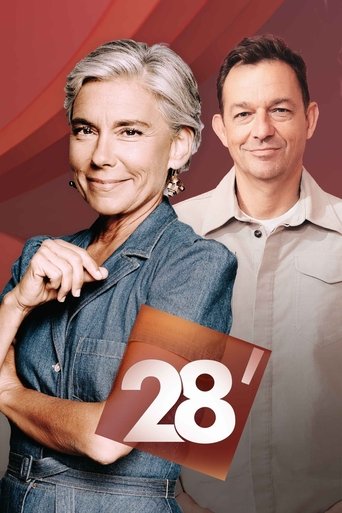
6.2No synopsis available yet.
28 minutes
2012
 6.9
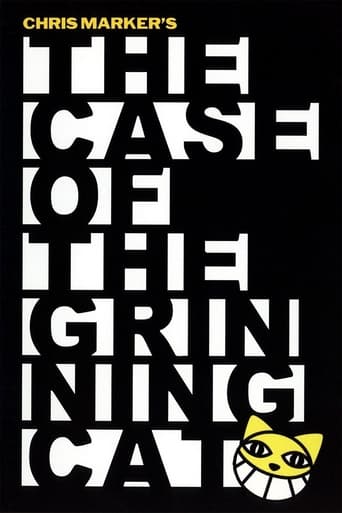
6.9Chris Marker, intrigued by the sight of yellow cats perched on walls on the streets of Paris, films the major national and international sociopolitical events of the early 2000s.
The Case of the Grinning Cat
2006
Film credits
2020s · 2 titles
 NR
NRDocumentary on chansonniers, French singers writing comedy songs about politics.
Liberté, égalité, chansonniers !
2022
 7.0
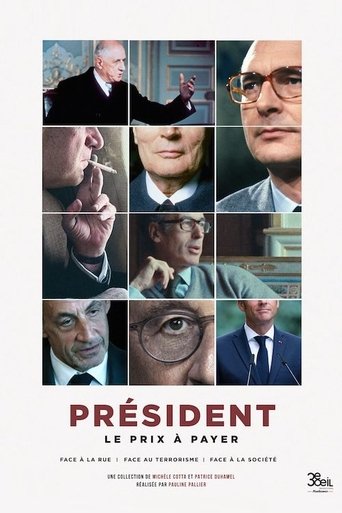
7.0This documentary explores the major social reforms led by the Presidents of the Fifth Republic, from the legalization of the pill under De Gaulle to PMA under Macron. Through rare archives and insights from key political figures like Nicolas Sarkozy and François Hollande, it reveals the hidden motivations behind these decisions; whether driven by conviction, opportunism, or reluctance.
Président : le prix à payer - Face à la rue
2023
2010s · 5 titles
 8.2
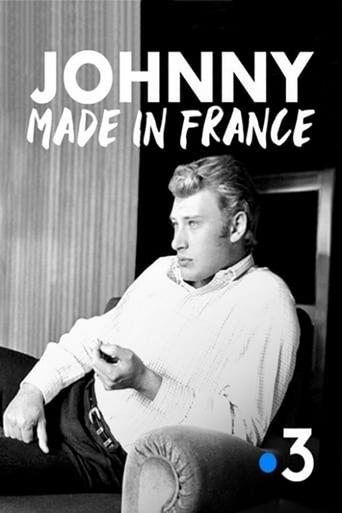
8.2No synopsis available yet.
Johnny made in France
2018
 9.0
9.0No synopsis available yet.
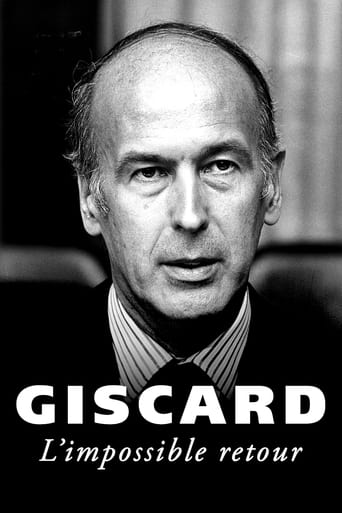
Giscard, l'impossible retour
2014
 7.0
7.0No synopsis available yet.
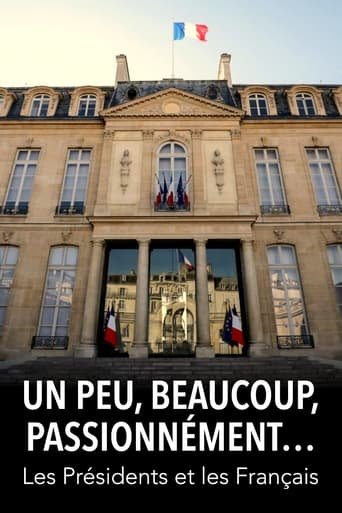
Un peu, beaucoup, passionnément... Les Présidents et les Français
2019
 NR
NRNo synopsis available yet.
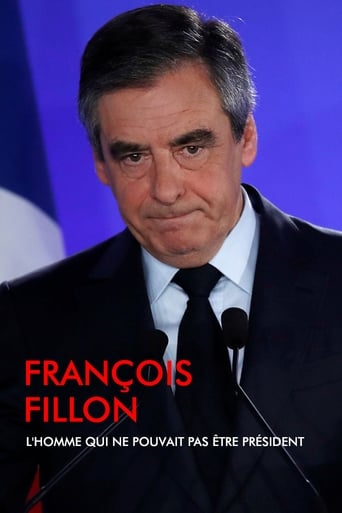
François Fillon, l'homme qui ne pouvait pas être président
2018
 NR
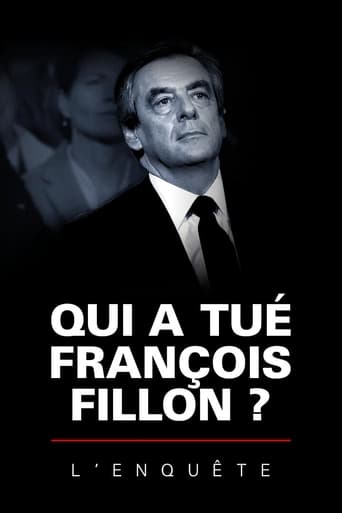
NRFor three months, the teams of Grand Angle investigated the fall of François Fillon. The right-wing candidate was the favorite of the presidential election. Was he the victim of a conspiracy? From a black cabinet? Settling accounts within his own camp? Has not he also been a victim of himself? The main protagonists of this incredible series have agreed to come back behind the scenes of this descent into hell. Headliners on the right, members of the campaign team, friends, enemies.
Qui a tué François Fillon ? L'Enquête
2018
Series credits
4.9Quotidien (nicknamed "The French Show with the Good Lighting" abroad) is a French daily infotainment television program broadcast in the early evening on TMC since September 12, 2016. The show is hosted by Yann Barthès and produced by Bangumi. It consists of segments and reports produced by the team of commentators and journalists surrounding Yann Barthès and features daily guests including newsmakers, intellectuals, politicians, and French and international celebrities.
Quotidien
2016
3.6No synopsis available yet.
Vivement dimanche
1998
6.1Every day live on FRANCE 5, Anne-Élisabeth Lemoine and her team receive those who make the news. In the second part, the program welcomes, around a meal prepared by a qualified chef, artists in promotion.
C à vous
2009
6.0For thirty years, Zone Interdite has been the magazine that documents and analyzes the upheavals in French society. Conducted over time, the investigations broadcast in the program reveal the taboos, passions, and struggles of the French people at the heart of current events.
Zone interdite
1993
6.2No synopsis available yet.
28 minutes
2012
 9.0
9.0No synopsis available yet.
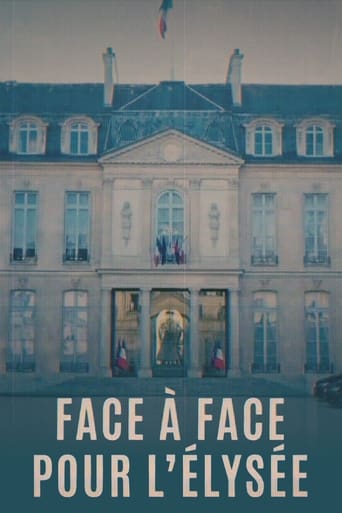
Face à face pour l'Élysée
2021