
Known for
No synopsis available yet.
Francesca... (“Viva la vita!”)
2009
 NR
Independent filmmaker Jim Jarmusch talks at length about his journey from Akron, Ohio to Cannes, France, via punk-rock period New York in the late seventies. He recounts how his first film “Permanent Vacation” (1980) was made and how the singular chain of circumstances, friends and collaborators created "Stranger Than Paradise" (1984), “Down By Law” (1986), “Mystery Train” (1989), “Night On Earth” (1991), “Dead Man” (1995), “Ghost Dog: The Way of the Samurai” (1999), "Coffee and Cigarettes" (2003) and "Broken Flowers" (2005).
Jim Jarmusch: I Love to Take the Subway by Myself
2021
 NR
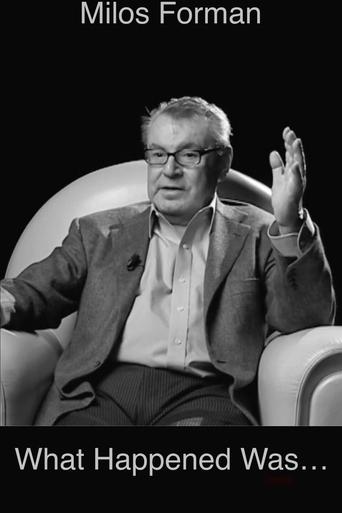
In this 2007 interview two-time Academy Award winner for Best Director, Milos Forman talks at length about his days as a film student in then communist Czechoslovakia, how film festivals and the international success of "Loves of a Blonde" (1965) enabled him to travel abroad, why his last Czech film was "The Fireman's Ball" (1967), coming to America to make "Taking Off" (1971) and why that was a total flop, the extraordinary chain of events that brought him to "One Flew Over the Cuckoos Nest" (1975), making "Hair" (1979), "Ragtime" (1981) and getting James Cagney out of retirement, casting F Murray Abraham and Tom Hulce in "Amadeus" (1985) and Woody Harrelson and Courtney Love in "The People vs. Larry Flynt" (1996), arguing with authors and directing actors, to his last film "Goya's Ghost" (2006) and why Napoleon's invasion of 19th Century Spain should have been a cautionary tale for more recent military adventures. A masterclass from a master filmmaker.
Milos Forman: What Happened Was...
—
In this 2010 interview actor, writer and director Gene Wilder talks about his life from his childhood through drama school, theatre and cinema, studying at the Actors Studio, his first big breaks in 1967 with 'Bonnie and Clyde' and 'The Producers', his relationships with Mel Brooks and Richard Pryor, playing Willy Wonka in 'Willy Wonka and the Chocolate Factory' (1971), why 'Young Frankenstein' (1975) is his favorite film, the controversial scene from 'Silver Streak' (1976), his marriage to Gilda Radner, why he retired from acting to write novels and what he has learned along the way.
Gene Wilder: Be in the Moment, Today
2010
In this 2007 interview filmmaker Terry Gilliam talks about his life and career from a kid doing cartoons to assistant magazine editor in New York to Monty Python and beyond, the usefulness of short films, the transition from animation to film director, making "Time Bandits" (1981), "Brazil" (1985), "The Adventures of Baron Munchausen" (1988), "The Fisher King" (1991), "12 Monkeys" (1995), "Fear and Loathing in Las Vegas" (1988), "The Brothers Grimm" (2005) and "Tideland" (2005), why his reputation as a budget buster is unfounded, what he thought about "Lost in La Mancha" (2002), what he loves about cinema, the pros and cons of CGI, why Hollywood is a strange place of rumors and creative accounting, what he regrets and why he still likes all his films.
Terry Gilliam: It Is Extraordinary, But How Do You Describe It?
2021
Behind the camera
No synopsis available yet.
Francesca... (“Viva la vita!”)
2009
NRIndependent filmmaker Jim Jarmusch talks at length about his journey from Akron, Ohio to Cannes, France, via punk-rock period New York in the late seventies. He recounts how his first film “Permanent Vacation” (1980) was made and how the singular chain of circumstances, friends and collaborators created "Stranger Than Paradise" (1984), “Down By Law” (1986), “Mystery Train” (1989), “Night On Earth” (1991), “Dead Man” (1995), “Ghost Dog: The Way of the Samurai” (1999), "Coffee and Cigarettes" (2003) and "Broken Flowers" (2005).
Jim Jarmusch: I Love to Take the Subway by Myself
2021
NRIn this 2007 interview two-time Academy Award winner for Best Director, Milos Forman talks at length about his days as a film student in then communist Czechoslovakia, how film festivals and the international success of "Loves of a Blonde" (1965) enabled him to travel abroad, why his last Czech film was "The Fireman's Ball" (1967), coming to America to make "Taking Off" (1971) and why that was a total flop, the extraordinary chain of events that brought him to "One Flew Over the Cuckoos Nest" (1975), making "Hair" (1979), "Ragtime" (1981) and getting James Cagney out of retirement, casting F Murray Abraham and Tom Hulce in "Amadeus" (1985) and Woody Harrelson and Courtney Love in "The People vs. Larry Flynt" (1996), arguing with authors and directing actors, to his last film "Goya's Ghost" (2006) and why Napoleon's invasion of 19th Century Spain should have been a cautionary tale for more recent military adventures. A masterclass from a master filmmaker.
Milos Forman: What Happened Was...
—
In this 2010 interview actor, writer and director Gene Wilder talks about his life from his childhood through drama school, theatre and cinema, studying at the Actors Studio, his first big breaks in 1967 with 'Bonnie and Clyde' and 'The Producers', his relationships with Mel Brooks and Richard Pryor, playing Willy Wonka in 'Willy Wonka and the Chocolate Factory' (1971), why 'Young Frankenstein' (1975) is his favorite film, the controversial scene from 'Silver Streak' (1976), his marriage to Gilda Radner, why he retired from acting to write novels and what he has learned along the way.
Gene Wilder: Be in the Moment, Today
2010
In this 2007 interview filmmaker Terry Gilliam talks about his life and career from a kid doing cartoons to assistant magazine editor in New York to Monty Python and beyond, the usefulness of short films, the transition from animation to film director, making "Time Bandits" (1981), "Brazil" (1985), "The Adventures of Baron Munchausen" (1988), "The Fisher King" (1991), "12 Monkeys" (1995), "Fear and Loathing in Las Vegas" (1988), "The Brothers Grimm" (2005) and "Tideland" (2005), why his reputation as a budget buster is unfounded, what he thought about "Lost in La Mancha" (2002), what he loves about cinema, the pros and cons of CGI, why Hollywood is a strange place of rumors and creative accounting, what he regrets and why he still likes all his films.
Terry Gilliam: It Is Extraordinary, But How Do You Describe It?
2021