
Acting
Kazushi Seto
Known for
Acting
Credits
7 titles
Known for
 7.0
7.0The tale of Nakayama Yasubei’s duel is famous, even if he in reality probably did not cut down 18 opponents. The story has been related in film, rakugo, kodan and on stage many times, in part because Nakayama later joined the famous 47 Ronin (Chushingura) as Horibe Yasubei. But Makino and Inagaki’s version gives no hint of this more serious future, playing up the thrills and the comedy with Bando’s bravura performance. The multiple pans of Yasubei running to the duel are an exemplar of the experimental flourishes of 1930s Japanese cinema and the final duel, performed virtually like a dance number, is a marker of Makino’s love of rhythm and one of the best sword fights in Japanese film history. The film was originally released under the title Chikemuri Takadanoba (Bloody Takadanobaba) with a length of 57 minutes, but suffered some cuts and a title change when it was re-released in 1952.
Blood Spilled at Takadanobaba
1937
 6.2
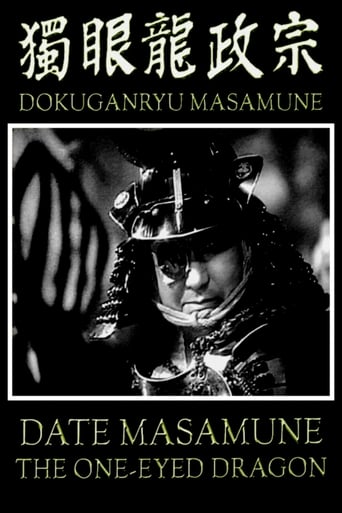
6.2The life, adventures and exploits of warlord Date Masamune the One-eyed Dragon: his early youth as an aggressive warrior, the battles he won until subduing almost all his enemies, the lonely comprehension of knowing that he actually can not take over the whole country because he was born too late.
Date Masamune the One-Eyed Dragon
1942
There is an inn named Asano Ya in the port town, and a beautiful woman works there. Every year, during a local festival, travelling artists and teachers gather from all over the country, including sesame oil sellers and organ grinders. The day before the festival, trouble arises with some horses.
Festival Across the Sea
1941
 9.0
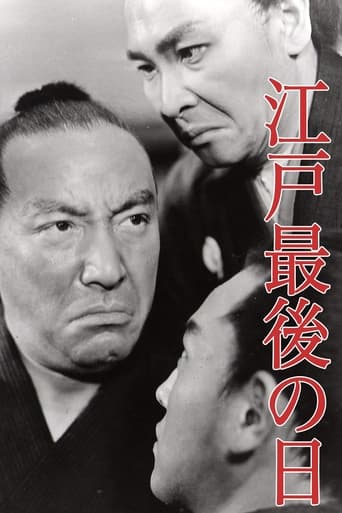
9.0It is a historical drama that follows Katsu Kaishu's efforts to surrender Edo Castle bloodlessly in the first year of the Meiji period.
Last Days of Edo
1941
 NR
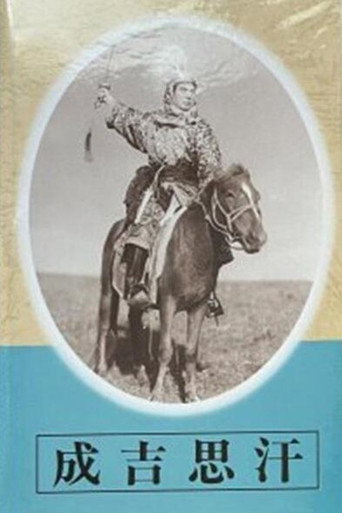
NRFilmed on location in the Mongolian plains.
Genghis Khan
1943
 10.0
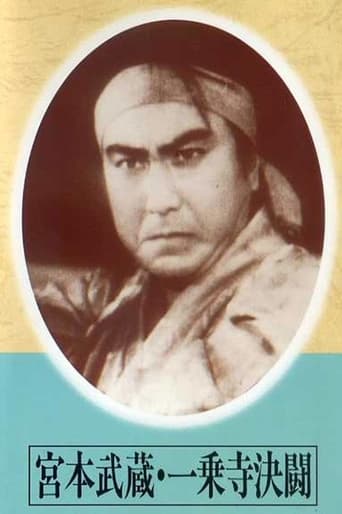
10.01942 Japanese movie
Miyamoto musashi Ichijōji kettō
1942
Film credits
1940s · 6 titles
6.2The life, adventures and exploits of warlord Date Masamune the One-eyed Dragon: his early youth as an aggressive warrior, the battles he won until subduing almost all his enemies, the lonely comprehension of knowing that he actually can not take over the whole country because he was born too late.
Date Masamune the One-Eyed Dragon
1942
There is an inn named Asano Ya in the port town, and a beautiful woman works there. Every year, during a local festival, travelling artists and teachers gather from all over the country, including sesame oil sellers and organ grinders. The day before the festival, trouble arises with some horses.
Festival Across the Sea
1941
9.0It is a historical drama that follows Katsu Kaishu's efforts to surrender Edo Castle bloodlessly in the first year of the Meiji period.
Last Days of Edo
1941
NRFilmed on location in the Mongolian plains.
Genghis Khan
1943
10.01942 Japanese movie
Miyamoto musashi Ichijōji kettō
1942
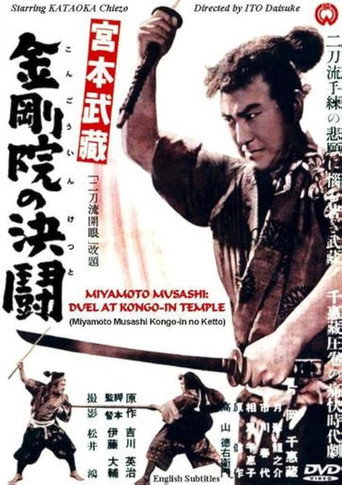 6.0
6.0Ito Daisuke's wartime retelling of the Miyamoto Musashi story.
Initiation of the Two-Sword Style
1943