
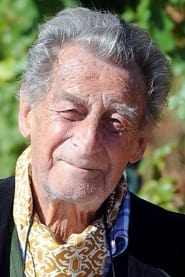
Directing
Jean Lacouture
Born — Died
1921-06-09 — 2015-07-16
Place of birth
Bordeaux, Gironde, France
Known for
Directing
Credits
8 titles
Jean Lacouture (9 June 1921 – 16 July 2015) was a journalist, historian and author. He was particularly famous for his biographies. Jean Lacouture was born in Bordeaux, France. He began his career in journalism in 1950 in Combat as diplomatic redactor. He joined Le Monde in 1951. In 1953, he worked in Cairo for France Soir, before returning to Le Monde as director for the overseas services, and grand reporter (one of the highest titles in French journalism) until 1975. Politically engaged on the Left, Lacouture supported decolonisation, and Mitterrand from 1981. He worked for the Nouvel Observateur, and L'Histoire. He is interviewed in the 1968 documentary film about the Vietnam War entitl…
Known for
 8.5
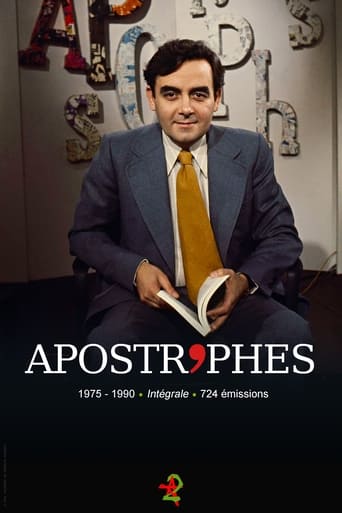
8.5Apostrophes was a live, weekly, literary, prime-time, talk show on French television created and hosted by Bernard Pivot. It ran for fifteen years (724 episodes) from January 10, 1975, to June 22, 1990, and was one of the most watched shows on French television (around 6 million regular viewers). It was broadcast on Friday nights on the channel France 2 (which was called "Antenne 2" from 1975 to 1992). The hourlong show was devoted to books, authors and literature. The format varied between one-on-one interviews with a single author and open discussions between four or five authors.
Apostrophes
1975
 8.0
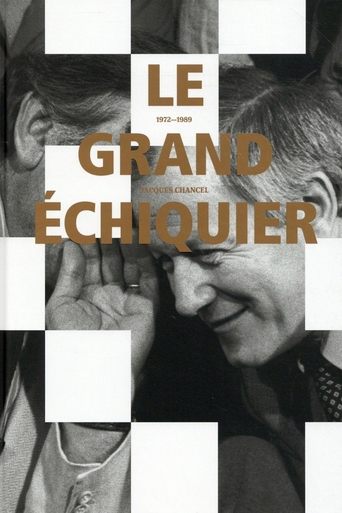
8.0Le Grand Échiquier is a French variety television program created and presented by Jacques Chancel. It aired at 8:30 pm on the first channel of the ORTF from January 12, 1972 to July 12, 1972, then on the second color channel of the ORTF from September 1972 to December 1974, and finally on Antenne 2 from January 1975 to December 21, 1989. The program returned to France 2 on December 20, 2018 and is hosted by Anne-Sophie Lapix.
Le Grand Échiquier
1972
 7.2
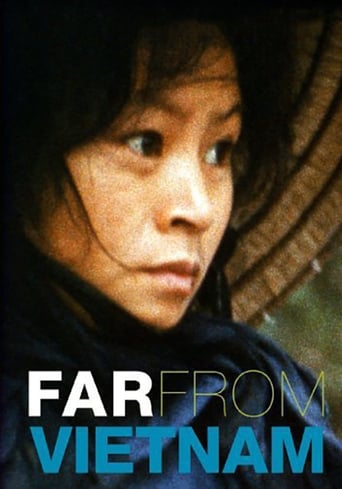
7.2In seven different parts, Godard, Ivens, Klein, Lelouch, Marker, Resnais, and Varda show their sympathy for the North-Vietnamese army during the Vietnam War.
Far from Vietnam
1967
 6.5
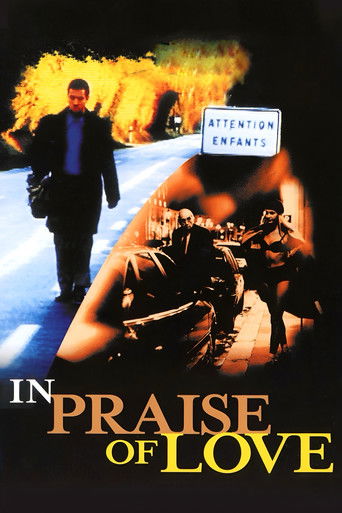
6.5Someone we hear talking - but whom we do not see - speaks of a project which describes the four key moments of love: meeting, physical passion, arguments/separation and making up. This project is to be told through three couples: young, adult and old. We do not know if the project is for a play, a film, a novel or an opera. The author of the project is always accompanied by a kind of servant. Meanwhile, two years earlier, an American civil servant meets with an elderly French couple who had fought in the Resistance during World War II, brokering a deal with a Hollywood director to buy the rights to tell their story. The members of the old couple's family discuss heatedly questions of nation, memory and history.
In Praise of Love
2001
 10.0
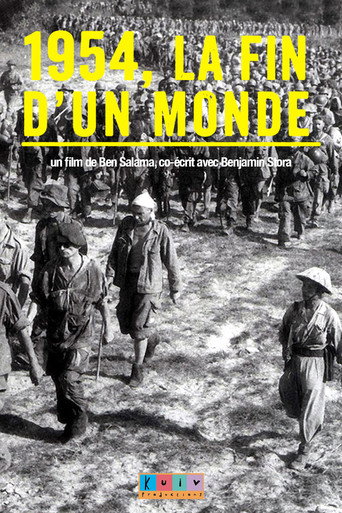
10.0No synopsis available yet.
1954, La fin d'un monde
2014
 NR
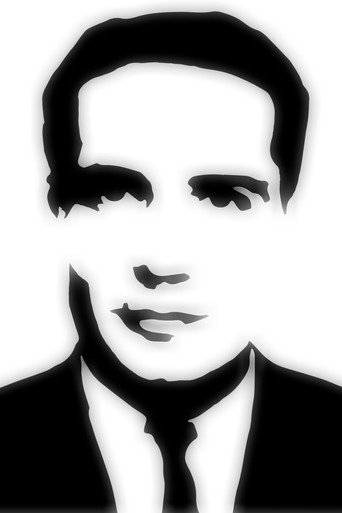
NRFrançois Mitterrand has dominated French history over the last 30 years. Through the longevity of his political career, which spanned two republics; through his rise to the highest office, which he held for 14 years; and through his leadership of the Left, François Mitterrand’s political destiny has been exceptional. Successively leader of a Resistance party a year after leaving Vichy, a minister at the age of 29, leader of the anti-Gaullist movement, the man who reinvented the Socialist Party, President of the Republic and architect of the Maastricht Treaty establishing the European Union, he appears to be a character straight out of a novel, whose life is divided into distinct chapters.
François Mitterrand, le roman du pouvoir
2002
Film credits
2010s · 2 titles
10.0No synopsis available yet.
1954, La fin d'un monde
2014
 10.0
10.0On September 5, 1960, the trial of about twenty French activists from the "Jeanson Network" began, supporters in the metropolis of the action of the Algerian FLN independence activists. But after a few days, the situation was reversed and the trial transformed into a political arena, it was the government, the army, their policy, it was the entire Algerian war whose trial began. Accused, witnesses, lawyers, overflowing a stunned court, transformed the courtroom into a tribune of the opposition. The trial coincided with the publication of the "Manifesto of the 121" on the right to insubordination, signed among others by Jean Paul Sartre, Arthur Adamov, Simone de Beauvoir, André Breton, Marguerite Duras, Pierre Boulez, René Dumont, François Chatelet…
Manifesto of the 121
2011
Series credits
8.5Apostrophes was a live, weekly, literary, prime-time, talk show on French television created and hosted by Bernard Pivot. It ran for fifteen years (724 episodes) from January 10, 1975, to June 22, 1990, and was one of the most watched shows on French television (around 6 million regular viewers). It was broadcast on Friday nights on the channel France 2 (which was called "Antenne 2" from 1975 to 1992). The hourlong show was devoted to books, authors and literature. The format varied between one-on-one interviews with a single author and open discussions between four or five authors.
Apostrophes
1975
8.0Le Grand Échiquier is a French variety television program created and presented by Jacques Chancel. It aired at 8:30 pm on the first channel of the ORTF from January 12, 1972 to July 12, 1972, then on the second color channel of the ORTF from September 1972 to December 1974, and finally on Antenne 2 from January 1975 to December 21, 1989. The program returned to France 2 on December 20, 2018 and is hosted by Anne-Sophie Lapix.
Le Grand Échiquier
1972
Behind the camera
7.2In seven different parts, Godard, Ivens, Klein, Lelouch, Marker, Resnais, and Varda show their sympathy for the North-Vietnamese army during the Vietnam War.
Far from Vietnam
1967
NRFrançois Mitterrand has dominated French history over the last 30 years. Through the longevity of his political career, which spanned two republics; through his rise to the highest office, which he held for 14 years; and through his leadership of the Left, François Mitterrand’s political destiny has been exceptional. Successively leader of a Resistance party a year after leaving Vichy, a minister at the age of 29, leader of the anti-Gaullist movement, the man who reinvented the Socialist Party, President of the Republic and architect of the Maastricht Treaty establishing the European Union, he appears to be a character straight out of a novel, whose life is divided into distinct chapters.
François Mitterrand, le roman du pouvoir
2002
 NR
NRThwarted many times in their quest for independence, the Vietnamese independence movement led by Ho Chi Minh finally decisively defeated Vietnam's French colonial overlords at Dien Bien Phu in May of 1954. This documentary uses interviews and newsreel footage to examine the conflict between the French and the Vietnamese. In addition to Vietnam, French Indochina also included Cambodia and Laos. The French-Indochina War lasted from 1946 to 1956, when a Geneva Conference agreement mandated a cease-fire in a temporarily divided Vietnam. It is well to note that it is only after this time that the two Vietnams went to war against each other.
La république est morte à Diên Biên Phu
1974