
Known for
 1.5
Teacher Majer is lured by his friend to an old farmhouse, where a hitman hired by the last surviving member of the Dostál family is waiting for him. Meanwhile, everyone is waiting for Majer at the newly opened school, which he is supposed to manage. All of his former students wait in vain for Majer; he never arrives. No one understands what has happened, and above all, where the man is on whom they are now completely dependent, each for a different reason. They begin to fear that something has happened to Majer, and so the four “bravest” among them decide to find him.
Bastards: Where´s Majer?
2026
 6.8
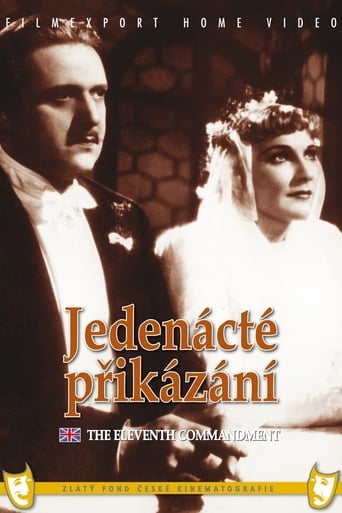
During the New Year's Eve celebration of the arrival of the twentieth century, three friends meet in a nightclub. Notary Jiří Voborský, clerk Emanuel Střela and Lieutenant Miloslav Jičínský.
The Eleventh Commandment
1935
No synopsis available yet.
Pan otec Karafiát
1935
No synopsis available yet.
Román hloupého Honzy
1927
 6.6
A village drama about the tragic culmination of a forced marriage. The film was financed by a Brno company, which required interventions in the generally known original. The reason for moving the location of the action and rewriting the dialogues into the appropriate dialect was the idea of making the spectacular Vlčnov costumes more spectacular. Their distinctive color led the producers to the idea of filming several crowd costumed scenes (the wedding) on color material. However, the parts of the color copy processed abroad were not used in regular distribution. Another requirement was to emphasize the positive influence of the Catholic Church and have a more conciliatory conclusion.
Maryša
1935
No synopsis available yet.
Modche a Rézi
1926
Film credits
1930s · 3 titles
6.8During the New Year's Eve celebration of the arrival of the twentieth century, three friends meet in a nightclub. Notary Jiří Voborský, clerk Emanuel Střela and Lieutenant Miloslav Jičínský.
The Eleventh Commandment
1935
No synopsis available yet.
Pan otec Karafiát
1935
6.6A village drama about the tragic culmination of a forced marriage. The film was financed by a Brno company, which required interventions in the generally known original. The reason for moving the location of the action and rewriting the dialogues into the appropriate dialect was the idea of making the spectacular Vlčnov costumes more spectacular. Their distinctive color led the producers to the idea of filming several crowd costumed scenes (the wedding) on color material. However, the parts of the color copy processed abroad were not used in regular distribution. Another requirement was to emphasize the positive influence of the Catholic Church and have a more conciliatory conclusion.
Maryša
1935