
Acting
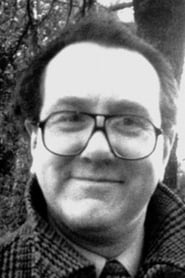
Dominique Noguez
Born — Died
1942-09-12 — 2019-03-15
Place of birth
Bolbec, Seine-Maritime, France
Known for
Acting
Credits
30 titles
Known for
 NR
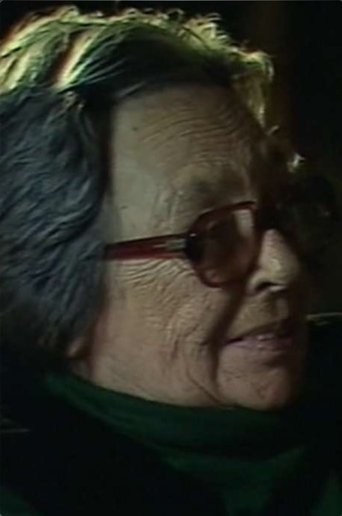
NRConversation between a woman (Duras) and a man (D. Noguez) about a woman and a man.
La Dame des Yvelines
1984
 5.0
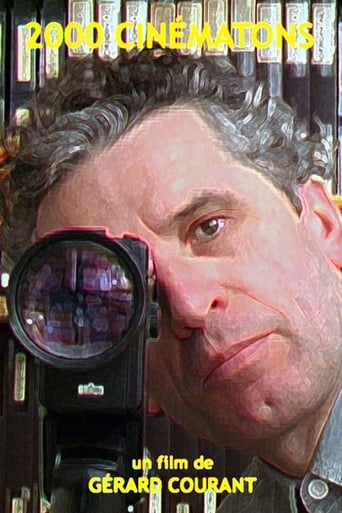
5.0A film about an ongoing cinematic adventure that began in 1978: a vast anthology of personality portraits called Cinématons, dealing with people in the arts. Historical, ethnological, sociological and psychological, this anthology is a living record of the artistic community of the last 20th century which attempts to answer these questions: Why film everyone? Why choose cultural personalities? How do the subjects look at their image? How much exhibitionism and narcissism is involved in being filmed?
2000 Cinématons
2001
 NR
NRReel 1 of Gérard Courant's on-going Cinematon series.
Cinématon I
1978
 NR
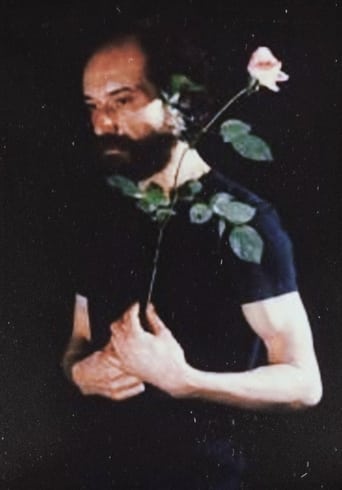
NRA single-screen version of the Portraits / Mirrors multi-projection. Featuring portraits of: Aloual, Gaël Badaud, Raphaël Bassan, Yann Beauvais, Jean-Michel Bouhours, Gérard Courant, Berndt Deprez, Bertrand Gadenne, Mythia Kolésar, Christian Lebrat, Stéphane Marti, Pascal Martin, Michel Nedjar, Dominique Noguez, Vivian Ostrovsky, Bernard Roué, Martine Rousset, Alain Sayag, Unglee, and Catherine Zbinden.
Portraits / Mirrors
1984
 NR
NRFugitive images of the northwestern city of France.
Souvenirs/Rouen
1983
 6.2
6.2Lire is a cinematographic series of filmed portraits that shows, in a single large fixed and sound sequence shot of 3 minutes 20 seconds, a writer reading the beginning of his last published book.
Lire
1986
Film credits
2010s · 3 titles
 3.2
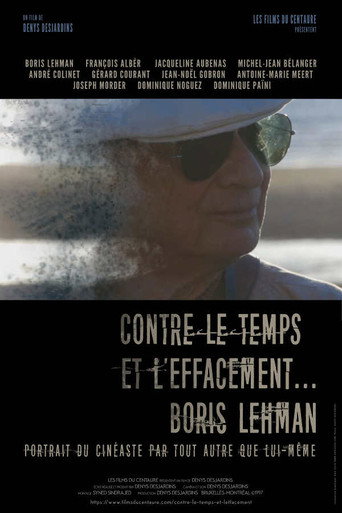
3.2This distinctly personal journey into the artistic possibilities of independent film is not to be missed. Jonas Mekas, Jean-Pierre Gorin, Robert Kramer and many other visionaries and mavericks of the silver screen – as well as a book seller, a critic and a psychoanalyst – discuss what cinema has meant to them, what it is and what it could be and, implicitly, how it has changed over the 18 years in which this film was shot. Director Boris Lehman leads the charge, drawing in moments of absurdist humour and inventive camera work; he keeps things raw and spontaneous. His encounters with the now much-missed Jean Rouch and Stephen Dwoskin are particularly touching and stand testament to their personal playfulness and candour. An engaging, absorbing, epic odyssey of a movie.
My Conversations on Film
2013
 NR
NRNo synopsis available yet.
Une cérémonie secrète
2012
 NR
NRThe ending of filming 24 passions over 24 years in Burzet (France). Shot on a silver film, it takes us on a tour around the area now left empty.
Car seuls les dieux ont mordu la pomme de l'amour
2011
2000s · 4 titles
5.0A film about an ongoing cinematic adventure that began in 1978: a vast anthology of personality portraits called Cinématons, dealing with people in the arts. Historical, ethnological, sociological and psychological, this anthology is a living record of the artistic community of the last 20th century which attempts to answer these questions: Why film everyone? Why choose cultural personalities? How do the subjects look at their image? How much exhibitionism and narcissism is involved in being filmed?
2000 Cinématons
2001
 NR
NR30 years after their artistic revolution, members of the Zanzibar group meet in 1999 in Saint-Sulpice Square in Paris (France) in front of Gérard Courant's camera.
Zanzibar à Saint-Sulpice
2007
 NR
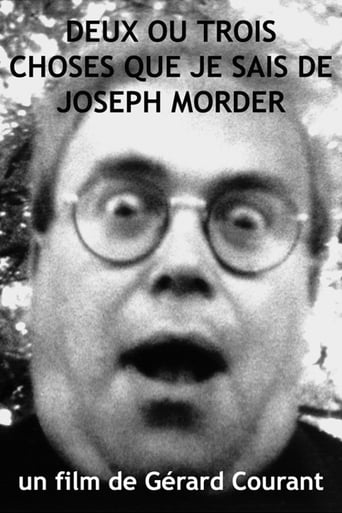
NRNo synopsis available yet.
2 ou 3 choses que je sais de Joseph Morder
2007
 8.0
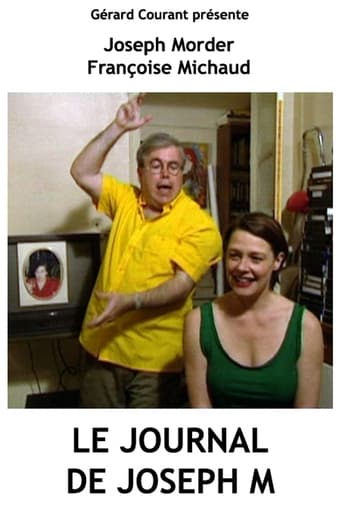
8.0No synopsis available yet.
Le journal de Joseph M.
2000
1980s · 16 titles
NRConversation between a woman (Duras) and a man (D. Noguez) about a woman and a man.
La Dame des Yvelines
1984
NRA single-screen version of the Portraits / Mirrors multi-projection. Featuring portraits of: Aloual, Gaël Badaud, Raphaël Bassan, Yann Beauvais, Jean-Michel Bouhours, Gérard Courant, Berndt Deprez, Bertrand Gadenne, Mythia Kolésar, Christian Lebrat, Stéphane Marti, Pascal Martin, Michel Nedjar, Dominique Noguez, Vivian Ostrovsky, Bernard Roué, Martine Rousset, Alain Sayag, Unglee, and Catherine Zbinden.
Portraits / Mirrors
1984
NRFugitive images of the northwestern city of France.
Souvenirs/Rouen
1983
6.2Lire is a cinematographic series of filmed portraits that shows, in a single large fixed and sound sequence shot of 3 minutes 20 seconds, a writer reading the beginning of his last published book.
Lire
1986
 NR
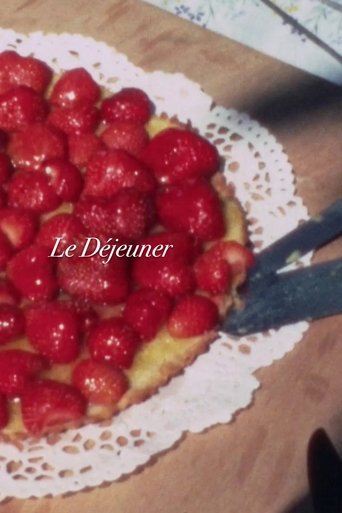
NRFilmed in 1988 on the occasion of the parties at the house of Marie-Noëlle Delorme. Shot with camera in hand to small bursts of frames and almost image by image, but then slowed down.
Le Déjeuner
1988
Reel 8 of Gérard Courant's on-going Cinematon series.
Cinématon VIII
1980
This afterword to India Song (Duras' celebrated 1975 film) is organized in several parts. It begins with an interview to Marguerite Duras by Dominique Noguez, an expert in her work; the interview links the film to the two movies whom it's related to: The Ravishment of Lol V. Stein and The Vice-Consul. Several themes are tackled: childhood, autobiographical traces, relationships between differents characters and different films and more. India Song's main actors — Delphine Seyrig and Michael Lonsdale, who played Anne-Marie Stretter and the French vice-consul — join the conversation and talk about their roles and their craft. Marguerite Duras then evokes her memories of the shooting with the composer Carlos D'Alessio and her camera operato Bruno Nuytten. The conversations are punctuated by clips of the film.
The Colour of Words
1984
 NR
NRTeo Hernandez films waste and scrap found on the pavements of the streets of Paris. “Sidewalks are great subjects: garbage, objects and materials, stains, signs, are a movie subject.”
Mesures de miel et de lait sauvage
1984
Reel 32 of Gérard Courant’s on-going Cinematon series.
Cinématon XXXII
1984
 NR
NRA song of love to the city of Genoa. The film wanders the streets of the city center and explore the beautiful cemetery and then climb the hills which offer an amazing view over the old town crossed by a highway and port.
Genova Genova
1984
 NR
NRNo synopsis available yet.
Cocktail Morlock
1981
 NR
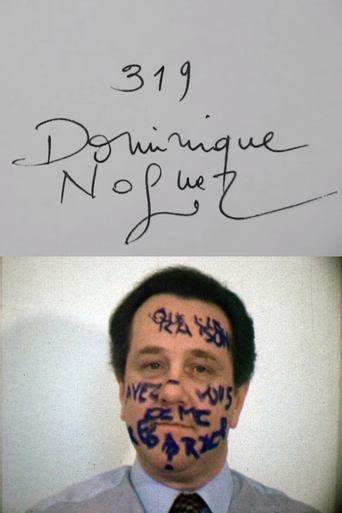
NRNo synopsis available yet.
Cinématon n°319 : Dominique Noguez
1984
 NR
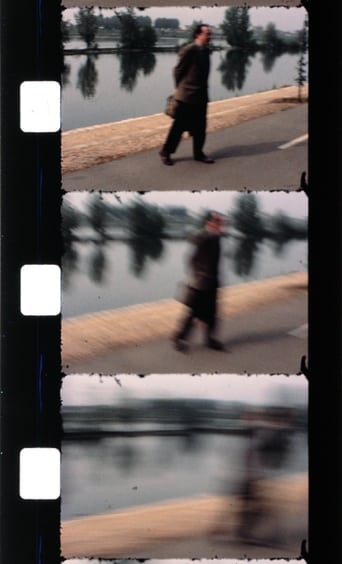
NRNo synopsis available yet.
Effeuiller l'acanthe
1987
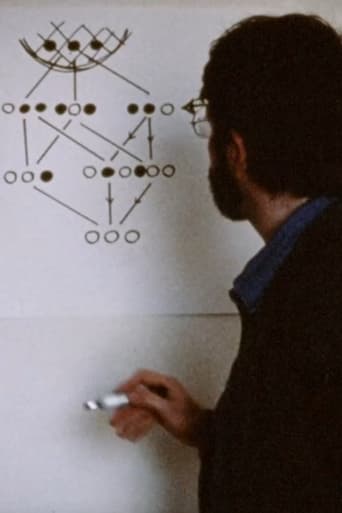
No synopsis available yet.
Cinématon n°71 : Dominique Noguez
1980
 NR
NRFilm by Patrice Kirchhofer.
Pour un temps
1984
Milena Gabanelli sits in her room while listening to one of the last voice recordings of Jean Eustache.
To Jean Eustache
1982
1970s · 3 titles
NRReel 1 of Gérard Courant's on-going Cinematon series.
Cinématon I
1978
 4.9
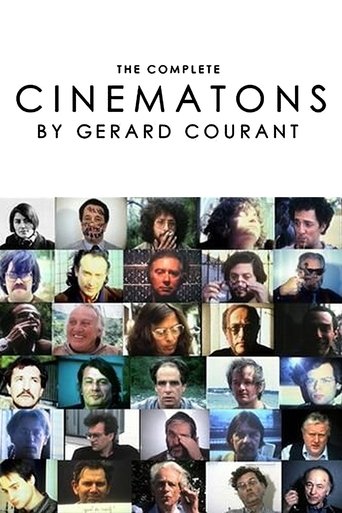
4.9Cinématon is a 156-hour long experimental film by French director Gérard Courant. It was the longest film ever released until 2011. Composed over 36 years from 1978 until 2006, it consists of a series of over 2,821 silent vignettes (cinématons), each 3 minutes and 25 seconds long, of various celebrities, artists, journalists and friends of the director, each doing whatever they want for the allotted time. Subjects of the film include directors Barbet Schroeder, Nagisa Oshima, Volker Schlöndorff, Ken Loach, Benjamin Cuq, Youssef Chahine, Wim Wenders, Joseph Losey, Jean-Luc Godard, Samuel Fuller and Terry Gilliam, chess grandmaster Joël Lautier, and actors Roberto Benigni, Stéphane Audran, Julie Delpy and Lesley Chatterley. Gilliam is featured eating a 100-franc note, while Fuller smokes a cigar. Courant's favourite subject was a 7-month-old baby. The film was screened in its then-entirety in Avignon in November 2009 and was screened in Redondo Beach, CA on April 9, 2010.
Cinématon
1978
 8.0
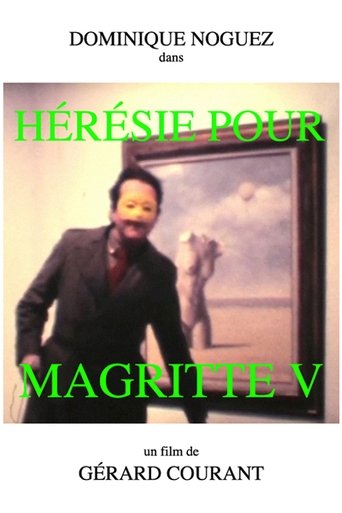
8.0No synopsis available yet.
Hérésie pour Magritte V
1979
Behind the camera
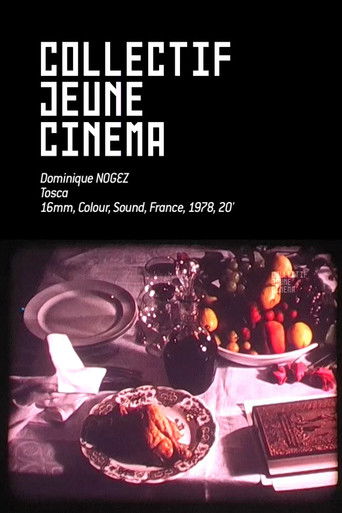 NR
NRNo synopsis available yet.
Tosca
1978
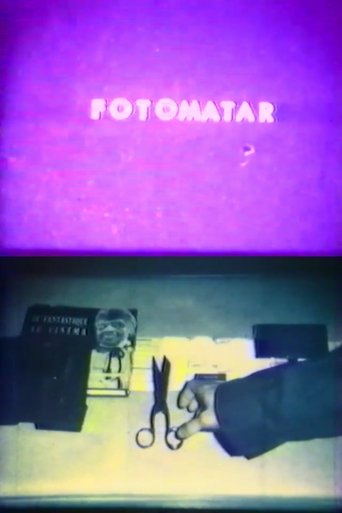 8.0
8.0Fotomatar is a french-spanish word more or less made up, which makes us think of a "phot-booth" (photomaton) and hesitate between "mater" ("mater" is a french slang word for "to look at") and matar (which means "to kill" in spanish). This film plays with narrativity. It's also a film about duration, about appearance of color (rather creepy), about suspense - a concerto for polaroïd triggers and horror scream. An experimental thriller.
Fotomatar
1979
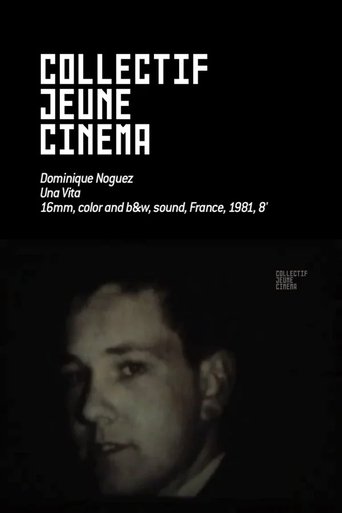 NR
NRFrom the earliest childhood to the death and back. What a life represents, flashing past through photos.
Una Vita
1981