
Directing
Mark Soosaar
Born
1946-01-12 (80)
Place of birth
Viljandi, Estonian SRR, USSR [now Estonia]
Known for
Directing
Credits
41 titles
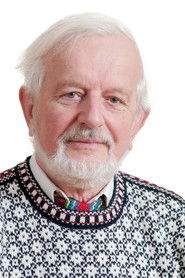
Mark Soosaar (officially Mark-Toomas Soosaar; born January, 12 1946 in Viljandi) is an Estonian film director, cinematographer, screenwriter and politician. He has been member of X and XI Riigikogu. Soosaar graduated from the All-Union State Institute of Cinematography in 1970. He worked for Eesti Televisioon from 1970 until 1978 and Tallinnfilm from 1978 until in 1991 as a director and cinematographer before moving to Pärnu and founding his own film studio, Weiko Saawa Film. He is the director of Museum of New Art, as well the founder chairman of the Kihnu Cultural Institute . He is a member of Estonian Social Democratic Party.
Known for
 NR
NRBoris Lehtlaan performs popular tunes of the time at an open-air concert.
Kuldrannake
1972
 NR
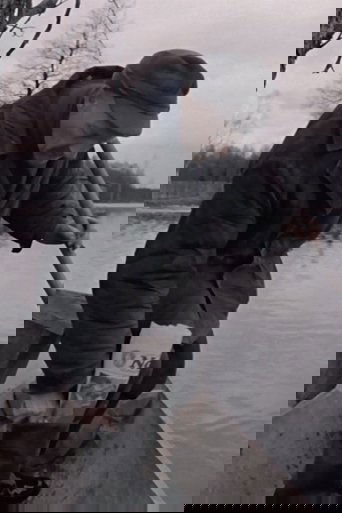
NRJaan Rahumaa, an old boat master living in Soomaa, makes a dugout canoe from an aspen tree, an irreplaceable vehicle during the spring high water.
A Dugout Canoe
1986
The shortage or excess of water is one of the farmer’s main concerns, and solving this problem is the task undertaken by Vello Ott.
Meliorator
1973
 NR
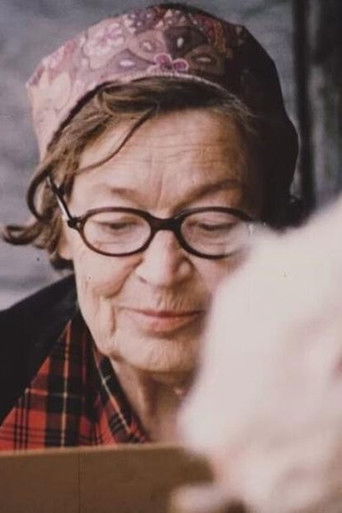
NRThe story of two artists - Aino Bach and Kaarel Liimand, creative and life partners. The film began with material captured for "Maised ihad". Moments from the life of one of our most famous graphic artists Aino Bach were filmed by Mark Soosaar between 1975 and 1978.
Liblikapüüdja
1978
 6.0
6.0The Christmas of 1905 in Vigala is not a peaceful holiday. The manor house has just been pillaged during the peasant's revolt; the air is full of smoke of fire and there is the premonition of inevitable punishment. Bernhard Laipmann is a tenant farmer whose wife is asking him to leave home since her husband keeps drawing the attention of the authorities. Having doubts about leaving, Laipmann is inspired by endeavouring towards freedom and equality and alarmed by the violence of the revolution.
Christmas in Vigala
1981
 NR
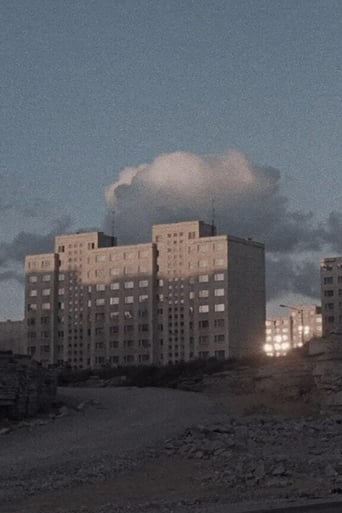
NRThe director asks straightforward questions in a phone call to the lead architect of the district of Lasnamäe, Malle Meelak. The topics include the bureaucracy, planning and living quality in the brutalist district of panel houses. He gets surprisingly straightforward answers because Meelak doesn't know that the call is being recorded. Later, in a public interview conducted in front of the camera, Meelak's answers are quite different.
Lasnamäe
1986
Film credits

Behind the camera
NRBoris Lehtlaan performs popular tunes of the time at an open-air concert.
Kuldrannake
1972
NRJaan Rahumaa, an old boat master living in Soomaa, makes a dugout canoe from an aspen tree, an irreplaceable vehicle during the spring high water.
A Dugout Canoe
1986
NRJaan Rahumaa, an old boat master living in Soomaa, makes a dugout canoe from an aspen tree, an irreplaceable vehicle during the spring high water.
A Dugout Canoe
1986
The shortage or excess of water is one of the farmer’s main concerns, and solving this problem is the task undertaken by Vello Ott.
Meliorator
1973
NRThe story of two artists - Aino Bach and Kaarel Liimand, creative and life partners. The film began with material captured for "Maised ihad". Moments from the life of one of our most famous graphic artists Aino Bach were filmed by Mark Soosaar between 1975 and 1978.
Liblikapüüdja
1978
NRThe story of two artists - Aino Bach and Kaarel Liimand, creative and life partners. The film began with material captured for "Maised ihad". Moments from the life of one of our most famous graphic artists Aino Bach were filmed by Mark Soosaar between 1975 and 1978.
Liblikapüüdja
1978
6.0The Christmas of 1905 in Vigala is not a peaceful holiday. The manor house has just been pillaged during the peasant's revolt; the air is full of smoke of fire and there is the premonition of inevitable punishment. Bernhard Laipmann is a tenant farmer whose wife is asking him to leave home since her husband keeps drawing the attention of the authorities. Having doubts about leaving, Laipmann is inspired by endeavouring towards freedom and equality and alarmed by the violence of the revolution.
Christmas in Vigala
1981
6.0The Christmas of 1905 in Vigala is not a peaceful holiday. The manor house has just been pillaged during the peasant's revolt; the air is full of smoke of fire and there is the premonition of inevitable punishment. Bernhard Laipmann is a tenant farmer whose wife is asking him to leave home since her husband keeps drawing the attention of the authorities. Having doubts about leaving, Laipmann is inspired by endeavouring towards freedom and equality and alarmed by the violence of the revolution.
Christmas in Vigala
1981
NRThe director asks straightforward questions in a phone call to the lead architect of the district of Lasnamäe, Malle Meelak. The topics include the bureaucracy, planning and living quality in the brutalist district of panel houses. He gets surprisingly straightforward answers because Meelak doesn't know that the call is being recorded. Later, in a public interview conducted in front of the camera, Meelak's answers are quite different.
Lasnamäe
1986
NRThe director asks straightforward questions in a phone call to the lead architect of the district of Lasnamäe, Malle Meelak. The topics include the bureaucracy, planning and living quality in the brutalist district of panel houses. He gets surprisingly straightforward answers because Meelak doesn't know that the call is being recorded. Later, in a public interview conducted in front of the camera, Meelak's answers are quite different.
Lasnamäe
1986
 NR
NRNo synopsis available yet.
Eesti Talufilm
1973
NRNo synopsis available yet.
Eesti Talufilm
1973
 NR
NREstonia's suicide rate is one of the highest in the world. The author tries to trace the social causes of the tragic cases in the footsteps of one schoolboy's suicide.
Life without…
1988
NREstonia's suicide rate is one of the highest in the world. The author tries to trace the social causes of the tragic cases in the footsteps of one schoolboy's suicide.
Life without…
1988
No synopsis available yet.
Kihnu lapsed
—
 NR
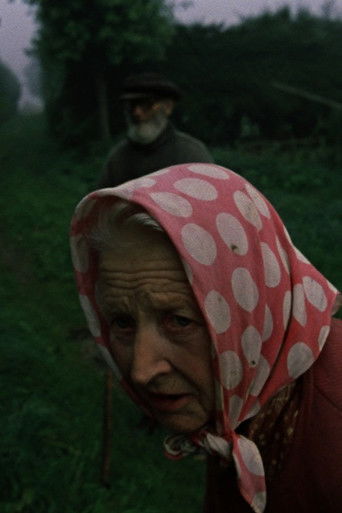
NRThe elderly couple Johann-Voldemar and Ida have found a safe haven in their home in the village of Saulepi in Pärnu County, despite the winds blowing from the sea and the creeping fog. The home yard and the entire farm entrance are bordered by a sturdy spruce hedge planted decades ago, which 93-year-old Voldemar still maintains. The hedge becomes a symbol of their long and hard-working life.
Harbour in the Fog
1987
NRThe elderly couple Johann-Voldemar and Ida have found a safe haven in their home in the village of Saulepi in Pärnu County, despite the winds blowing from the sea and the creeping fog. The home yard and the entire farm entrance are bordered by a sturdy spruce hedge planted decades ago, which 93-year-old Voldemar still maintains. The hedge becomes a symbol of their long and hard-working life.
Harbour in the Fog
1987
 NR
NRIn 1986, twelve years after his film Kihnu Naine (The women of Kishnou), Mark Soosaar made this complementary documentary at the centre of which are the male inhabitants of the island. With a bitter undertone to it, Soosaar shows how, to this view, a lack of possibilities for self-government and the conceited attitude of the mainland towards the islanders have caused great problems to this society. The island has been negligently placed under far too large a kolkhoz. Enormous alcoholism is prevalent among the male population and, increasingly, among the women. Sheer possession of money has become a standard of regard. If a family cannot spare 4,000 roubles for the marriage of their children, they are ignored by the other islanders. In this dramatic as well as poetic documentary we see how the social awareness of a society has gone by the board. Merely concrete and strict reformations can improve the situation the island is in.
Man of Kihnu
1986
NRIn 1986, twelve years after his film Kihnu Naine (The women of Kishnou), Mark Soosaar made this complementary documentary at the centre of which are the male inhabitants of the island. With a bitter undertone to it, Soosaar shows how, to this view, a lack of possibilities for self-government and the conceited attitude of the mainland towards the islanders have caused great problems to this society. The island has been negligently placed under far too large a kolkhoz. Enormous alcoholism is prevalent among the male population and, increasingly, among the women. Sheer possession of money has become a standard of regard. If a family cannot spare 4,000 roubles for the marriage of their children, they are ignored by the other islanders. In this dramatic as well as poetic documentary we see how the social awareness of a society has gone by the board. Merely concrete and strict reformations can improve the situation the island is in.
Man of Kihnu
1986
 NR
NRFilmic study of time by Estonian director Mark Soosaar.
Time
1983
NRFilmic study of time by Estonian director Mark Soosaar.
Time
1983
 NR
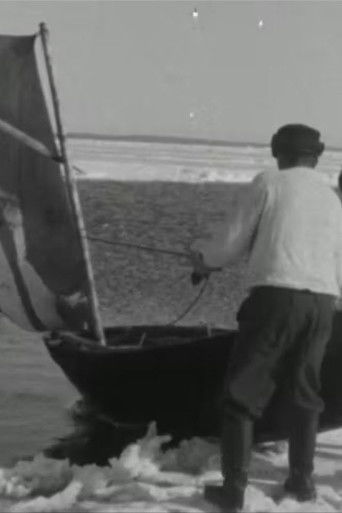
NRDocumentary about seal hunters off the coast of Estonia.
Ülgepüüdäjäd
1965
 NR
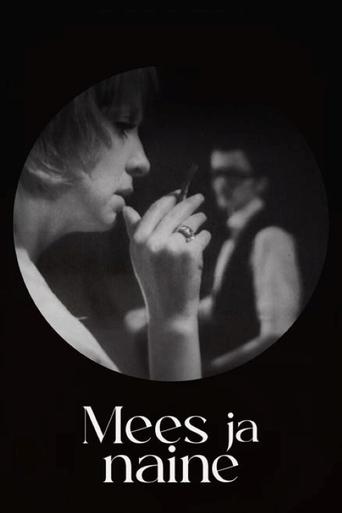
NRA parody of several popular movies such as A Man and Woman (1966) and The Last Relic (1969).
A Man and a Woman
1972
NRA parody of several popular movies such as A Man and Woman (1966) and The Last Relic (1969).
A Man and a Woman
1972
 6.0
6.0Kihnu is a small island in the Gulf of Riga. Soosaar looks at the islanders from the point of view of an explorer, just like his filmmaking hero Robert Flaherty once did. Their traditional lifestyle unfolds in front of his camera: customary songs and rituals, and heartfelt images of people’s daily lives.
Woman from Kihnu
1974
 NR
NRDocumentary film about Nordic volunteers fighting the Estonian War of Independence
Volunteers
2006
 NR
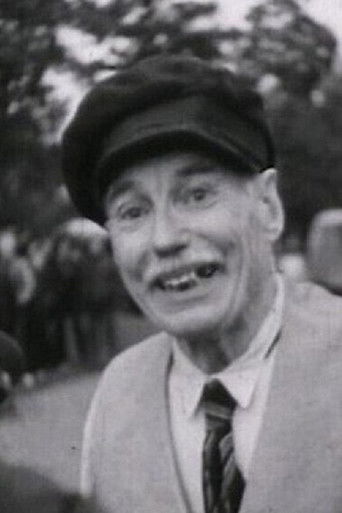
NRFilmmaker Mark Soosaar talks to a remarkable gentleman Leonhard Vene (1902 - 1994), a self-educated antiquity collector thirsty for knowledge. For his whole life Leonhard has lived in a manor where he has all his life collected. Beautiful old pieces of furniture fill the hall of the manor - the old man himself puts up with puritan conditions and lives in a small kitchen. He is always smiling and looks like he comes from the previous century.
Mr. Vene's World
1981
NRFilmmaker Mark Soosaar talks to a remarkable gentleman Leonhard Vene (1902 - 1994), a self-educated antiquity collector thirsty for knowledge. For his whole life Leonhard has lived in a manor where he has all his life collected. Beautiful old pieces of furniture fill the hall of the manor - the old man himself puts up with puritan conditions and lives in a small kitchen. He is always smiling and looks like he comes from the previous century.
Mr. Vene's World
1981
 NR
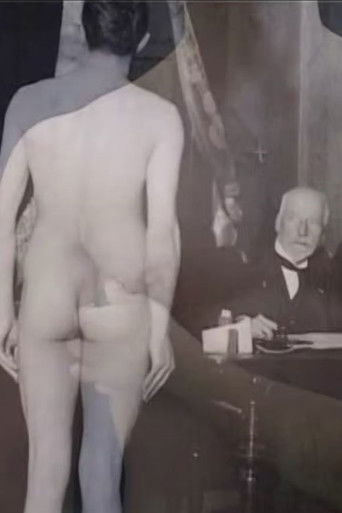
NRMark Soosaar's documentary essay on Eduard Wiiralt - a satanic clairvoyant and angelic artist, as he was described in Le Courrier Graphique magazine in 1937 by critic Pierre Mornand. It's a portrait of Eduard Wiiralt through the eyes of his female models. The camera travels around Estonia, Lapland, Paris and Morocco. Not all models can be found, but the thoughts and spirituality that accompanied the artist can be found.
Maised ihad
1978
NRMark Soosaar's documentary essay on Eduard Wiiralt - a satanic clairvoyant and angelic artist, as he was described in Le Courrier Graphique magazine in 1937 by critic Pierre Mornand. It's a portrait of Eduard Wiiralt through the eyes of his female models. The camera travels around Estonia, Lapland, Paris and Morocco. Not all models can be found, but the thoughts and spirituality that accompanied the artist can be found.
Maised ihad
1978
 10.0
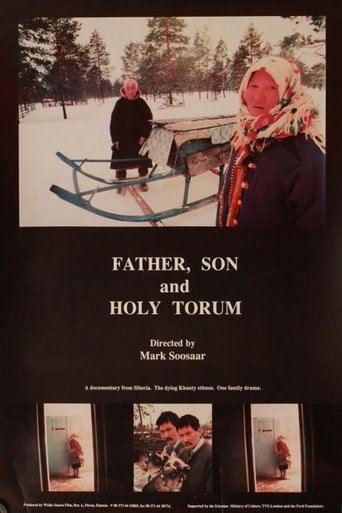
10.0Father, Son and Holy Torum, by Estonian director Mark Soosaar, recounts a particularly ghastly episode in the history of the "new Russia." The film examines the fate of the Khanty people in western Siberia who have been more or less swindled out of their ancestral lands by Russian oil and gas companies.
Father, Son and Holy Torum
1997
10.0Father, Son and Holy Torum, by Estonian director Mark Soosaar, recounts a particularly ghastly episode in the history of the "new Russia." The film examines the fate of the Khanty people in western Siberia who have been more or less swindled out of their ancestral lands by Russian oil and gas companies.
Father, Son and Holy Torum
1997
10.0Father, Son and Holy Torum, by Estonian director Mark Soosaar, recounts a particularly ghastly episode in the history of the "new Russia." The film examines the fate of the Khanty people in western Siberia who have been more or less swindled out of their ancestral lands by Russian oil and gas companies.
Father, Son and Holy Torum
1997
No synopsis available yet.
Liblikate kodu
2004
No synopsis available yet.
Liblikate kodu
2004
 NR
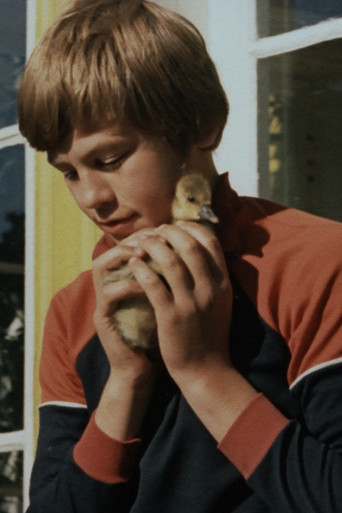
NRA film about the wildlife preserve Vilsandi that used to be the oldest in the former Soviet Union.
Vilsandi, mu kodu
1980
 NR
NRIt is September 17, 1991. Somewhere over Greenland, on a Finnair plane, Foreign Minister Lennart Meri is writing a speech for Arnold Rüütel, which the latter will deliver from the podium of the UN General Assembly in New York two days later. Mark Soosaar's documentary is a twin portrait of Arnold Rüütel and Lennart Meri.
Eesti esimene kodanik
1992
NRIt is September 17, 1991. Somewhere over Greenland, on a Finnair plane, Foreign Minister Lennart Meri is writing a speech for Arnold Rüütel, which the latter will deliver from the podium of the UN General Assembly in New York two days later. Mark Soosaar's documentary is a twin portrait of Arnold Rüütel and Lennart Meri.
Eesti esimene kodanik
1992
 NR
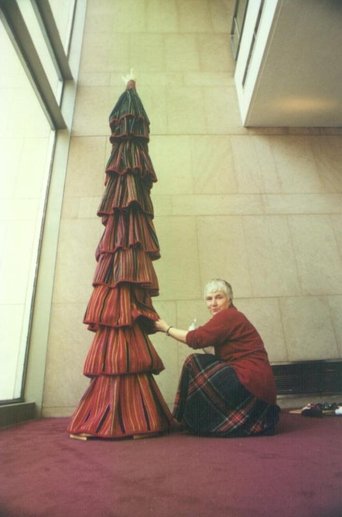
NRKääriku Farm in Viljandi County is home to one of the cornerstones of Estonian textile art. Together with her elderly mother Valda Rau, the esteemed textile artist and lecturer Anu Raud reflects on life and death.
Anu Raud - elumustrid
2002
NRKääriku Farm in Viljandi County is home to one of the cornerstones of Estonian textile art. Together with her elderly mother Valda Rau, the esteemed textile artist and lecturer Anu Raud reflects on life and death.
Anu Raud - elumustrid
2002