
Directing
Tetsuro Nunokawa
Known for
Directing
Credits
6 titles
Known for
 5.3
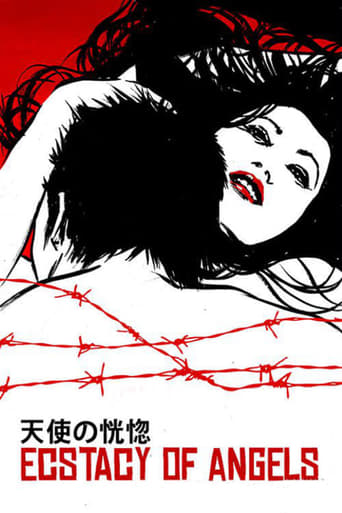
A militant revolutionary group is torn apart by betrayal as its members descend into paranoia and sexual decadence.
Ecstasy of the Angels
1972
 NR
The United States celebrates its bicentennial. The film depicts the history of a rebellious nation that has been overshadowed by the authentic history of the U.S., including slums, Vietnam veterans, incarcerated Nikkei, and indigenous peoples.
Bastard on the Border
1976
 4.0
Pinku from 1972.
Backside of 17
1972
 NR
No synopsis available yet.
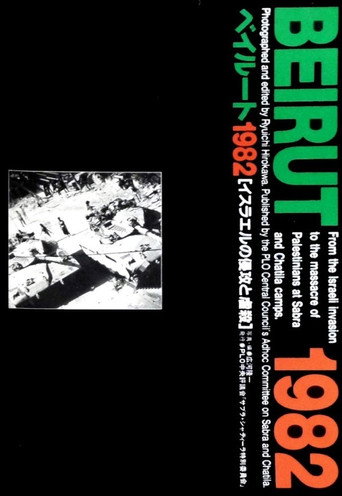
Beirut 1982: From PLO's Withdrawal to the Sabra and Shatila Massacre
1982
 NR
The Kyokuba-kan troupe tour around the Japanese archipelago
Running Against the Wind, Turning Back the Hands of Time
1979
Starting with a scene of a refugee camp in Israeli-occupied Gaza in 1976, the film features shots of various districts, dispensing with narration and interspersing interviews with Palestinian people and fedayeen (guerrillas) in the rubble of Western Beirut. Children who lost their parents in bombings are educated to be soldiers at their orphanage. They say that they want to be soldiers or heroes. Boys and girls sing: "We don't want money. We don't want to play. We will carry guns and enter the Revolutionary Army." Two years after the filming began, the girls have grown but they have not changed their minds.
Palestine 1976–1983: What We Learned from the Palestinian Revolution
1983
Film credits
Behind the camera
NRThe United States celebrates its bicentennial. The film depicts the history of a rebellious nation that has been overshadowed by the authentic history of the U.S., including slums, Vietnam veterans, incarcerated Nikkei, and indigenous peoples.
Bastard on the Border
1976
NRNo synopsis available yet.
Beirut 1982: From PLO's Withdrawal to the Sabra and Shatila Massacre
1982
NRThe Kyokuba-kan troupe tour around the Japanese archipelago
Running Against the Wind, Turning Back the Hands of Time
1979
Starting with a scene of a refugee camp in Israeli-occupied Gaza in 1976, the film features shots of various districts, dispensing with narration and interspersing interviews with Palestinian people and fedayeen (guerrillas) in the rubble of Western Beirut. Children who lost their parents in bombings are educated to be soldiers at their orphanage. They say that they want to be soldiers or heroes. Boys and girls sing: "We don't want money. We don't want to play. We will carry guns and enter the Revolutionary Army." Two years after the filming began, the girls have grown but they have not changed their minds.
Palestine 1976–1983: What We Learned from the Palestinian Revolution
1983