
Acting
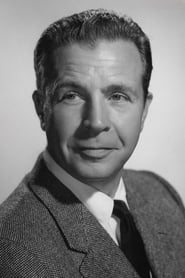
Dick Powell
Born — Died
1904-11-14 — 1963-01-02
Place of birth
Mountain View, Arkansas, USA
Known for
Acting
Credits
109 titles
Richard Ewing "Dick" Powell (November 14, 1904 – January 2, 1963) was an American singer, actor, producer, director and studio boss. Born in Mountain View, the seat of Stone County in northern Arkansas, Powell attended the former Little Rock College in the state capital, before he started his entertainment career as a singer with the Charlie Davis Orchestra, based in the midwest. He recorded a number of records with Davis and on his own, for the Vocalion label in the late 1920s. Powell moved to Pittsburgh, where he found great local success as the Master of Ceremonies at the Enright Theater and the Stanley Theater. In April 1930, Warner Bros. bought up Brunswick Records which at that time …
Known for
 7.0
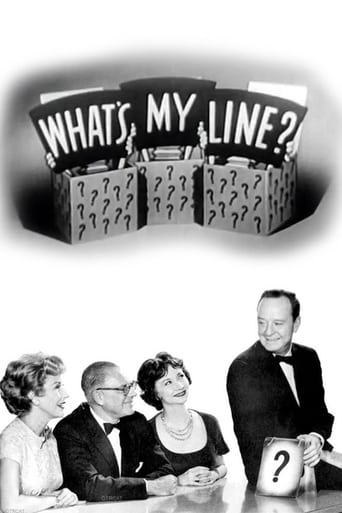
7.0Four panelists must determine guests' occupations - and, in the case of famous guests, while blindfolded, their identity - by asking only "yes" or "no" questions.
What's My Line?
1950
 7.0
7.0An annual awards ceremony recognizing excellence in film and television, both domestic and foreign, bestowed by the Hollywood Foreign Press Association.
Golden Globe Awards
1944
 6.5
6.5TV's most-watched history series brings to life the compelling stories from our past that inform our understanding of the world today.
American Experience
1988
 7.5
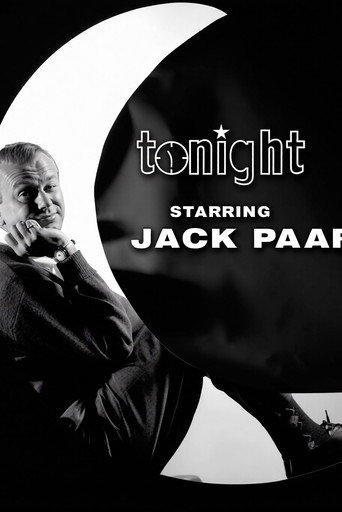
7.5Tonight Starring Jack Paar is an American talk show hosted by Jack Paar under The Tonight Show franchise from 1957 to 1962. It originally aired during late-night. During most of its run it was broadcast from Studio 6B inside the RCA Building. The same studio would also host early episodes of The Tonight Show Starring Johnny Carson, and Late Night with Jimmy Fallon. Its theme song was an instrumental version of "Everything's Coming Up Roses", and the closing theme was "So Until I See You" by Al Lerner.
Tonight Starring Jack Paar
1957
 6.8
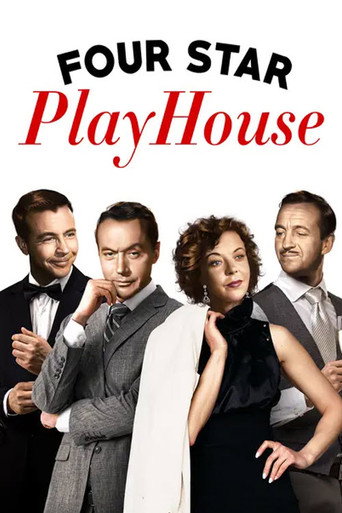
6.8Four Star Playhouse is an American television anthology series that ran from 1952 to 1956, sponsored in its first bi-weekly season by The Singer Company; Bristol-Myers became an alternate sponsor when it became a weekly series in the fall of 1953. The original premise was that Charles Boyer, Ida Lupino, David Niven, and Dick Powell would take turns starring in episodes. However, several other performers took the lead from time to time, including Ronald Colman and Joan Fontaine. Blake Edwards was among the writers and directors who contributed to the series. Edwards created the recurring character of illegal gambling house operator Willie Dante for Dick Powell to play on this series. The character was later revamped and spun off in his own series starring Howard Duff, then-husband of Lupino. The pilot for Meet McGraw, starring Frank Lovejoy, aired here, as did another episode in which Lovejoy recreated his role of Chicago newspaper reporter Randy Stone, from the radio drama Nightbeat.
Four Star Playhouse
1952
 3.8
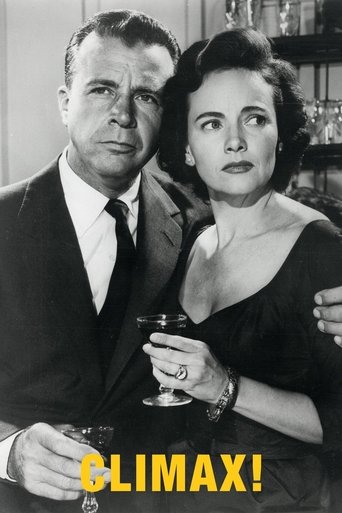
3.8Climax! is an American anthology series that aired on CBS from 1954 to 1958. The series was hosted by William Lundigan and later co-hosted by Mary Costa. It was one of the few CBS programs of that era to be broadcast in color. Many of the episodes were performed and broadcast live.
Climax!
1954
Film credits

1980s · 3 titles
 6.9
6.9A documentary film about dancing on the screen, from its origins after the invention of the movie camera, over the movie musical from the late 20s, 30s, 40s, 50s, and 60s, up to the break dance and music videos from the 80s.
That's Dancing!
1985
 9.0
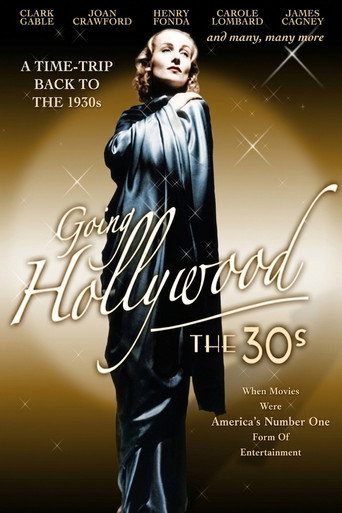
9.0Robert Preston hosts this documentary that shows what people of the 1930s were watching as they were battling the Depression as well as eventually getting ready for another World War.
Going Hollywood: The '30s
1984
 7.0
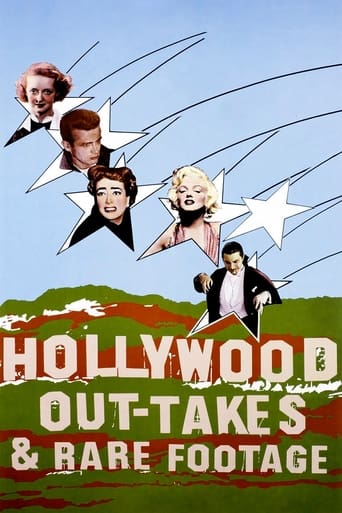
7.0Out-takes (mostly from Warner Bros.), promotional shorts, movie premieres, public service pleas, wardrobe tests, documentary material, and archival footage make up this star-studded voyeuristic look at the Golden age of Hollywood during the 30s, 40, and 50.
Hollywood Out-takes and Rare Footage
1983
1970s · 2 titles
1950s · 8 titles
 7.3
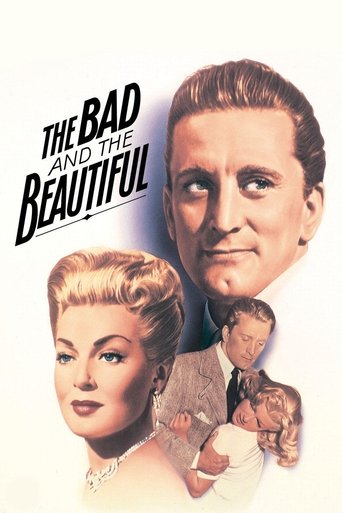
7.3Told in flashback form, the film traces the rise and fall of a tough, ambitious Hollywood producer, Jonathan Shields, as seen through the eyes of various acquaintances, including a writer, James Lee Bartlow; a star, Georgia Lorrison; and a director, Fred Amiel. He is a hard-driving, ambitious man who ruthlessly uses everyone on the way to becoming one of Hollywood's top movie makers.
The Bad and the Beautiful
1952
 6.8
6.8A detective tries to prevent the assassination of President-elect Abraham Lincoln during a train ride headed for Washington in 1861.
The Tall Target
1951
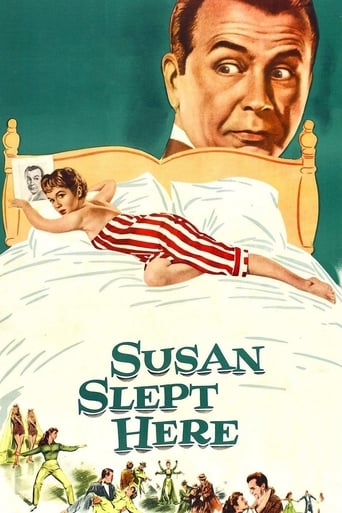 6.1
6.1On Christmas Eve, suffering from a case of writer's block, screenwriter Mark Christopher and his gofer Virgil get an unexpected visit from Sergeant Maizel. Knowing Christopher is working on a juvenile delinquent script, the sergeant brings by delinquent Susan thinking she will inspire Christopher while providing a place for her to spend the holidays outside of juvenile hall.
Susan Slept Here
1954
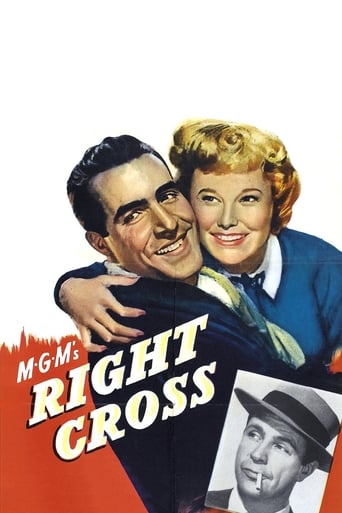 7.3
7.3Prizewinning boxer Johnny Monterez is mad at the world, feeling persecuted because of his Mexican heritage. Worse yet, his right hand is damaged from years of fighting. Then Johnny falls in love with Pat O'Malley, his manager's pretty daughter, even though his best friend, Rick Gavery, is already besotted with her. Everything is on the line when Johnny, against Rick's wishes, agrees to a match with a fearsome opponent.
Right Cross
1950
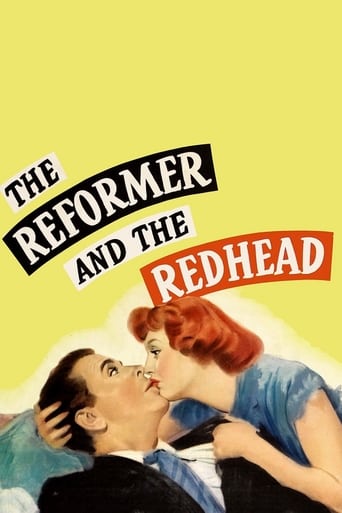 7.6
7.6A small-town politician falls for an idealistic zookeeper.
The Reformer and the Redhead
1950
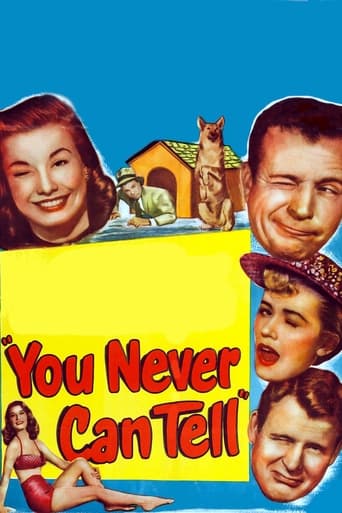 7.0
7.0Retired army dog King inherits a fortune from his eccentric millionaire owner. But someone poisons him for his fortune. He gets to go back to earth as a human detective to bring his killer to justice and protect the kind woman who used to look after him.
You Never Can Tell
1951
 6.7
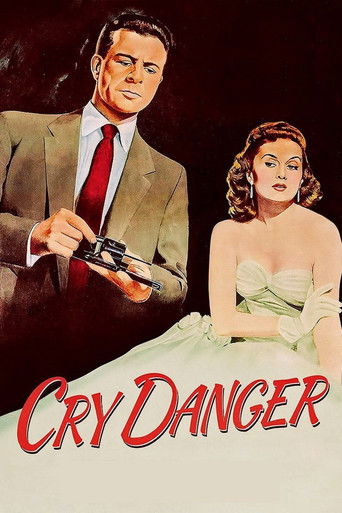
6.7After serving five years of a life sentence, Rocky Mulloy hopes to clear his friend who's still in prison for the same crime.
Cry Danger
1951
 6.0
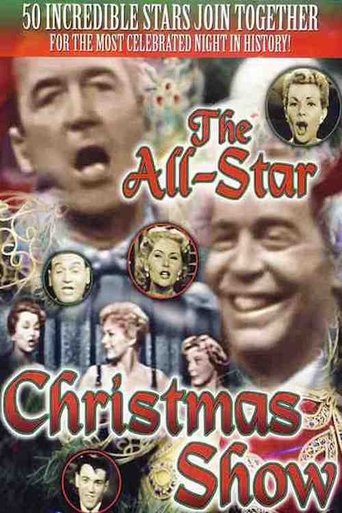
6.0This 1958 Christmas spectacular was produced by the USO for the entertainment of troops stationed overseas. Over 50 top names from stage, screen and television appear in this truly all-star concert film - a magical evening of music, comedy and fun. Feeaturing Bob Hope, Bing Crosby, George Burns, Milton Berle, Jack Benny, Louis Armstrong, Lena Horne, Danny Kaye, Dinah Shore, Shirley MacLaine, Jimmy Durante, Jimmy Stewart, Danny Thomas, Anna Maria Alberghetti, June Allyson, Ray Bolger, Red Buttons, Sid Caesar, Marge & Gower Champion, Cyd Charisse, Van Cliburn, Leo Durocher, Rhonda Fleming, Benny Goodman, Eydie Gormé, Betty Hutton, Frankie Lane, Tony Martin, David Niven, Kim Novak, Gregory Peck, Walter Pidgeon, Dick Powell, Jane Powell, Martha Raye, Jimmie Rogers, Jane Russell, Dick Shawn, Jo Stafford, Gale Storm and Miyoshi Umeki.
The All-Star Christmas Show
1958
1940s · 15 titles
 7.2
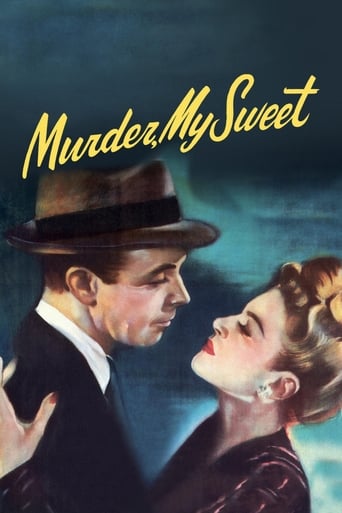
7.2After being hired to find an ex-con's former girlfriend, Philip Marlowe is drawn into a deeply complex web of mystery and deceit.
Murder, My Sweet
1944
 6.8
6.8A young turn-of-the-century newspaper man finds he can get hold of the next day's paper. This brings more problems than fortune, especially as his new girlfriend is part of a phony clairvoyant act.
It Happened Tomorrow
1944
 6.9
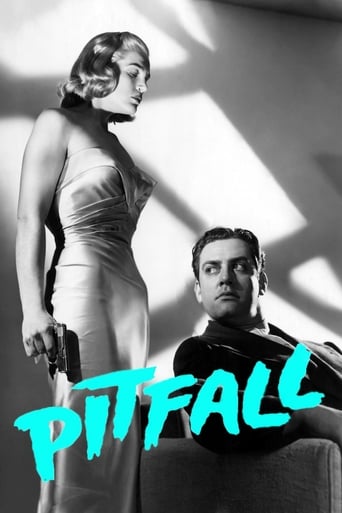
6.9An insurance man wishing for a more exciting life becomes wrapped up in the affairs of an imprisoned embezzler, his model girlfriend, and a violent private investigator.
Pitfall
1948
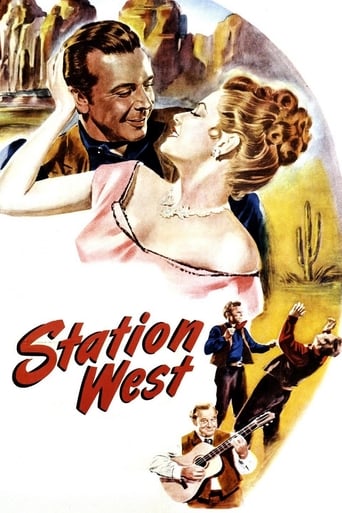 6.4
6.4When two US cavalrymen transporting a gold shipment get killed, US Army Intelligence investigator John Haven goes undercover to a mining and logging town to find the killers.
Station West
1948
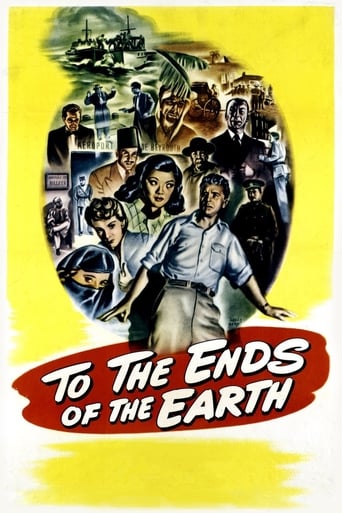 5.9
5.9A treasury agent becomes obsessed with exposing an international drug ring.
To the Ends of the Earth
1948
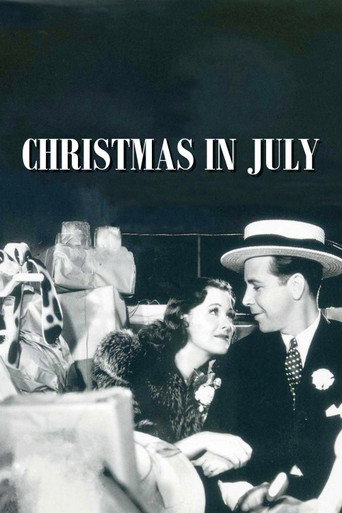 7.0
7.0An office clerk loves entering contests in the hopes of someday winning a fortune and marrying the girl he loves. His latest attempt is the Maxford House Coffee Slogan Contest. As a joke, some of his co-workers put together a fake telegram which says that he won the $25,000 grand prize.
Christmas in July
1940
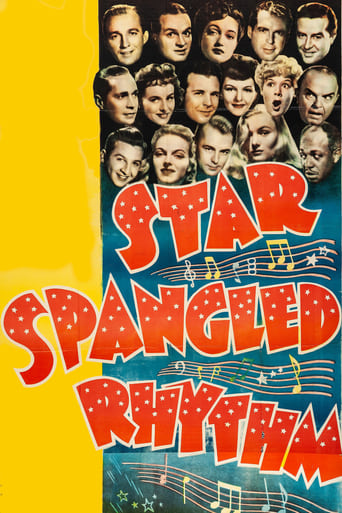 6.2
6.2Pop, a security guard at Paramount has told his son that he's the head of the studio. When his son arrives in Hollywood on shore leave with his buddies, Pop enlists the aid of the studio's dizzy switchboard operator in pulling off the charade. Things get more complicated when Pop agrees to put together a show for the Navy starring Paramount's top contract players.
Star Spangled Rhythm
1942
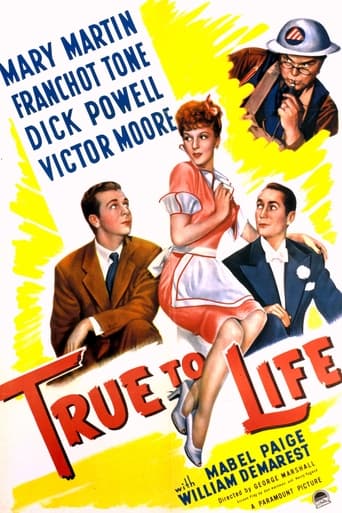 8.0
8.0A writer for a radio program needs some fresh ideas to juice up his show. For inspiration, he rents a room with a typical American family and begins to secretly write about their true life antics. The show becomes a big hit, but he begins to feel guilty about his charade when he falls in love with the family's pretty older daughter.
True to Life
1943
 6.4
6.4Popular crooner Russ Raymond abandons his career at its peak and joins the Navy using an alias, Tommy Halstead. However, Dorothy Roberts, a reporter, discovers his identity and follows him in the hopes of photographing him and revealing his identity to the world. Aboard the Alabama, Tommy meets up with Smoky and Pomeroy, who help hide him from Dorothy, who hatches numerous schemes in an attempt to photograph Tommy/Russ being a sailor.
In the Navy
1941
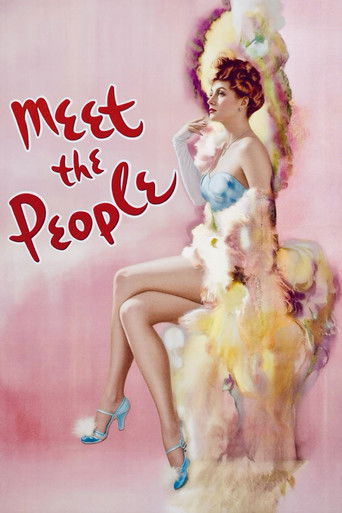 5.8
5.8A idealistic shipyard worker interests a beautiful Hollywood star in staging a musical tribute to the war industry, but they disagree on some important issues.
Meet the People
1944
 6.3
6.3When an employee at an illegal gambling den dies suspiciously, her sister, Nancy, looks into the situation and falls for Johnny O'Clock, a suave partner in the underground casino. Selfish and non-committal by nature, Johnny slowly begins to return Nancy's affection and decides to run away with her, but conflict within his business threatens their plans. As Johnny tries to distance himself from the casino, his shady past comes back to haunt him.
Johnny O'Clock
1947
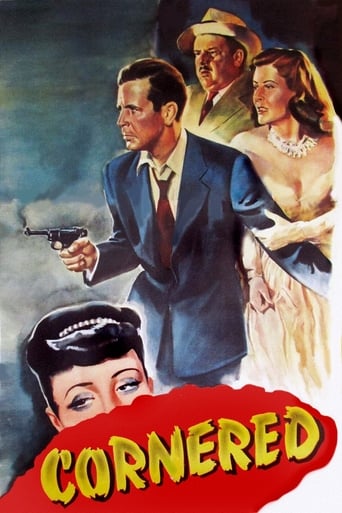 6.2
6.2A World War II veteran hunts down the Nazi collaborators who killed his wife.
Cornered
1945
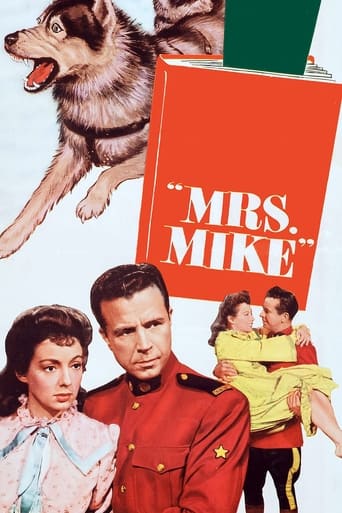 6.0
6.0This film is based on the novel, Mrs. Mike, which is based on the real life woman, Kathy O'Fallon Flannigan. A Boston teenager is sent to live with her uncle in frontier Canada because of her fragile health. She eventually falls in love with one of the few young, white males in the region. They marry and depart for the northern wilderness to set up house and home. The rest of the movie is about her struggles and joys of living and travelling in this rugged country.
Mrs. Mike
1949
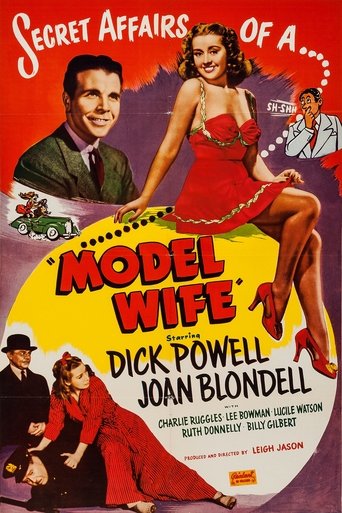 6.5
6.5Complications in a dressmaking firm when a model has to hide her marriage.
Model Wife
1941
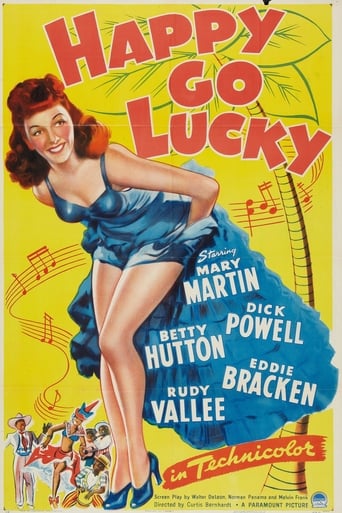 5.5
5.5A gold-digger hopes to land a rich husband in Trinidad, but gets mixed up with a beach boy and voodoo.
Happy Go Lucky
1943
1930s · 29 titles
 7.2
7.2When all Broadway shows are shut down during the Depression, a trio of desperate showgirls scheme to bilk a repugnant high society man of his money to keep their show going.
Gold Diggers of 1933
1933
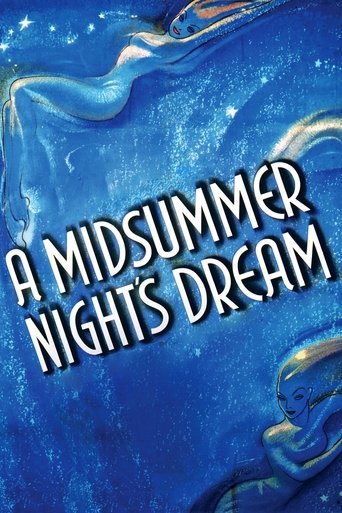 6.4
6.4Mistaken identity, unrequited love, and the supernatural are combined in Shakespeare's classic set in the woods of Greece on a moonlit night.
A Midsummer Night's Dream
1935
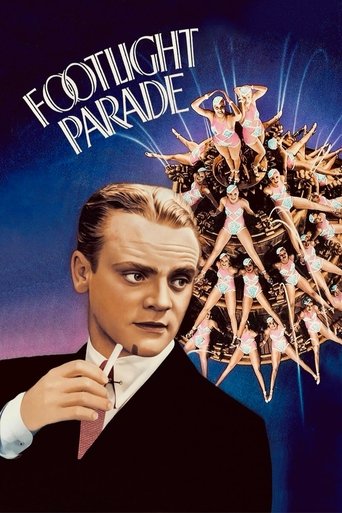 6.8
6.8A fledgling producer finds himself at odds with his workers, financiers and his greedy ex-wife when he tries to produce live musicals for movie-going audiences.
Footlight Parade
1933
 6.9
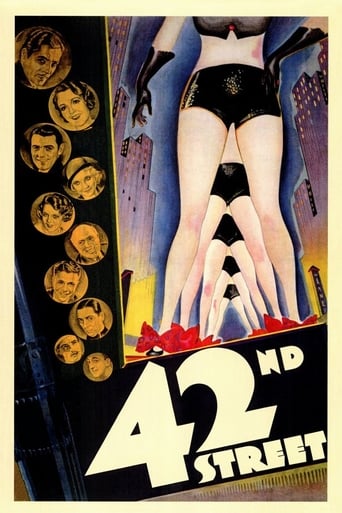
6.9Broadway director Julian Marsh needs just one more hit show so he can retire and recover his health. It looks like he just may pull it off until temperamental star Dorthy Brock breaks her ankle on the eve of the show's premiere and has to be replaced by her understudy Peggy.
42nd Street
1933
 6.0
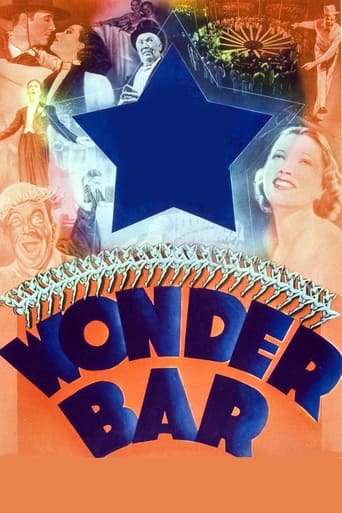
6.0Harry and Inez are a dance team at the Wonder Bar. Inez loves Harry, but he is in love with Liane, the wife of a wealthy business man. Al Wonder and the conductor/singer Tommy are in love with Inez. When Inez finds out that Harry wants to leave Paris and is going to the USA with Liane, she kills him.
Wonder Bar
1934
 NR
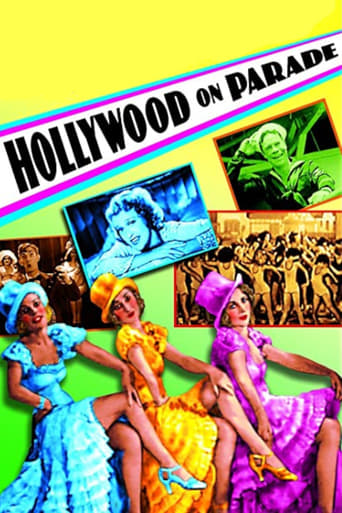
NREssentially an advertisement for Murder at the Vanities (1934). Features Chico Marx, W.C. Fields, Duke Ellington and many others.
Hollywood on Parade No. B-10
1934
 5.8
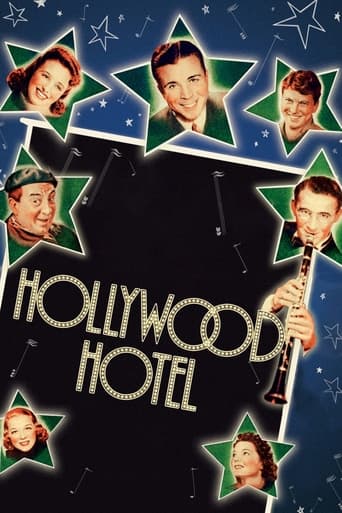
5.8After losing a coveted role in an upcoming film to another actress, screen queen Mona Marshall (Lola Lane) protests by refusing to appear at her current movie's premiere. Her agent discovers struggling actress Virginia Stanton (Rosemary Lane) -- an exact match for Mona -- and sends her to the premiere instead, with young musician Ronnie Bowers (Dick Powell). After various mishaps, including a case of mistaken identity, Ronnie and Virginia struggle to find success in Hollywood.
Hollywood Hotel
1938
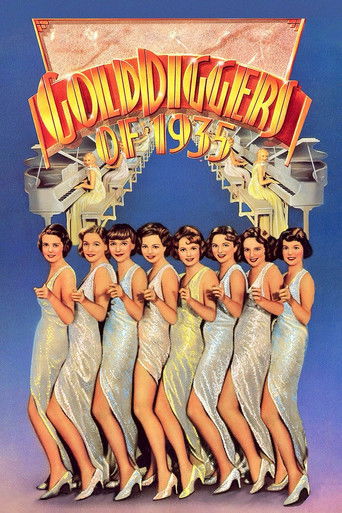 6.5
6.5Romance strikes when a vacationing millionairess and her daughter and son spend their vacation at a posh New England resort.
Gold Diggers of 1935
1935
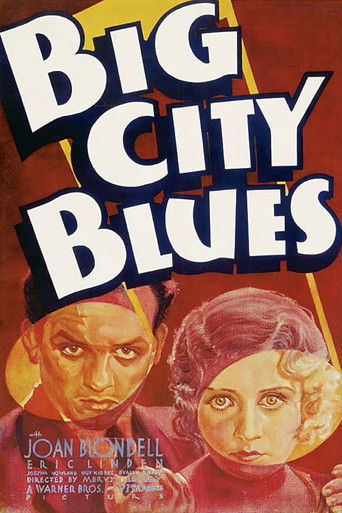 5.9
5.9An Indiana boy comes into an inheritance and moves to New York City, living it up with his girlfriend until he gets in over his head and someone gets killed.
Big City Blues
1932
 5.2
5.2Bob Brent, a young Marine from Arkansas, impresses his comrades with his singing ability, and they pitch in to send him to New York to compete in an amateur contest. Success in the contest, however, sets him up for trouble in romance, in his career, and with the Corps.
The Singing Marine
1937
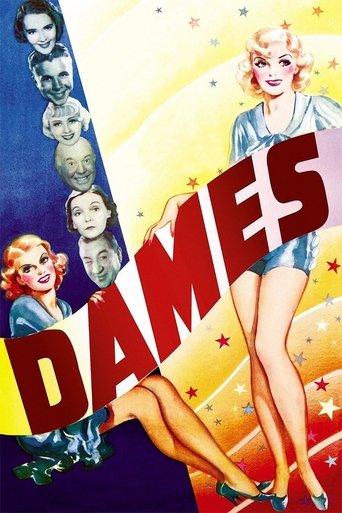 6.5
6.5A reformer's daughter wins the lead role in a scandalous Broadway show.
Dames
1934
 7.0
7.0Students at New York's Rovina Finishing School for Girls send their photographs to the makers of Claybury's Beauty Soap, in the hope of being chosen as "Miss Complexion of 1934." Martha Howson wins the contest, which includes a trip to Hollywood and a tour of the Warner Brothers lot with Lyle Talbot. When she gets to the studio, all she wants to do is meet Dick Powell, star of the new Warner Brothers film Dames (1934).
And She Learned About Dames
1934
 6.2
6.2A promotional short to hype the production of A Midsummer Night's Dream (1935).
A Dream Comes True
1935
 6.8
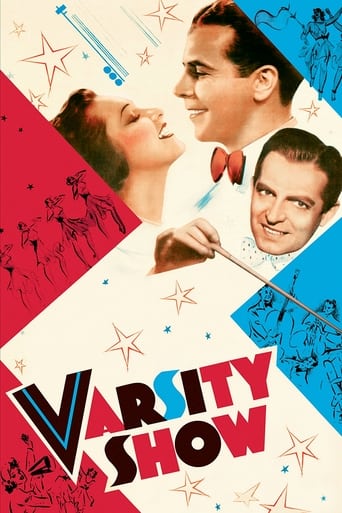
6.8Winfield College students rebel against a stodgy professor who won't permit "swing" music be played in their varsity show. They appeal to a big Broadway alumnus and have him direct their show. What they don't know is that this "star's" last three shows were flops.
Varsity Show
1937
 7.0
7.0A singing cowboy turns out to be a tenderfoot.
Cowboy from Brooklyn
1938
 5.8
5.8Flubs and bloopers that occurred on the set of some of the major Warner Bros. pictures of 1938.
Breakdowns of 1938
1938
 6.6
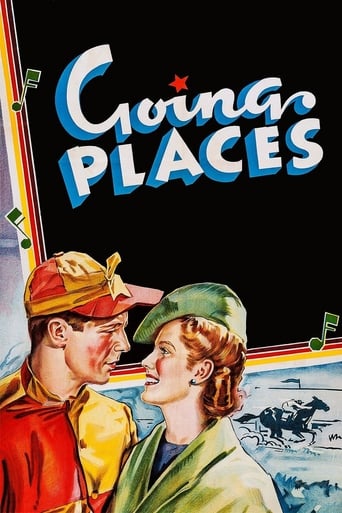
6.6A sports store clerk poses as a famous jockey as an advertising stunt, but gets more than he bargained for.
Going Places
1938
 6.3
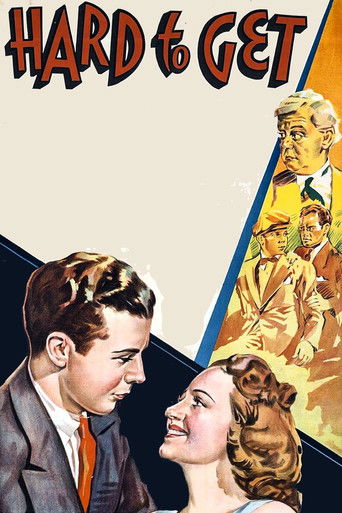
6.3When spoiled young heiress Maggie Richards tries to charge some gasoline at an auto camp run by Bill Davis, he makes her work out her bill by making beds. Resolving to get even, she pretends to have forgiven him, and sends him to her father to get financing for a plan Bill has. What happens next was not part of her original revenge plan.
Hard to Get
1938
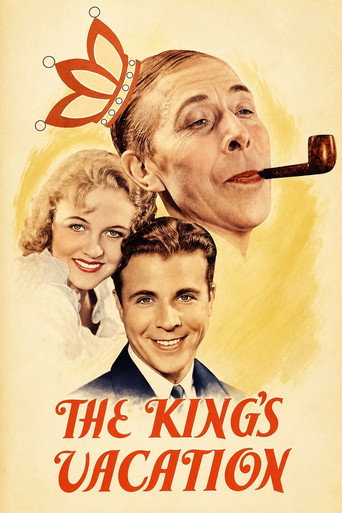 5.7
5.7The king of an unnamed European country abdicates and tries to recapture the happiness with the wife he had to give up for the throne.
The King's Vacation
1933
 6.1
6.1The partners of stage-producer J. J. Hobart gamble away the money for his new show. They enlist a gold-digging chorus girl to help get it back by conning an insurance company. But they don’t count on the persistence of insurance man Rosmer Peck and his secretary Norma Perry.
Gold Diggers of 1937
1936
 4.2
4.2Extra-marital fun and games at a convention of the Honeywell Rubber Company in Atlantic City. President J.B. Honeywell is to choose a new company sales manager. T.R. Kent and George Ellerbe are two salesmen who both want the job. However, they both get into trouble: T.R. is discredited when jealous saleswoman, Arlene Dale, interferes with his attempted seduction of Honeywell's daughter, Claire, and George attempts to seduce Nancy Lorraine. The position of sales manager is bestowed upon a drunken employee as a bribe after he catches J.B. about to visit "Daisy La Rue, Exterminator." Considered a lost film.
Convention City
1933
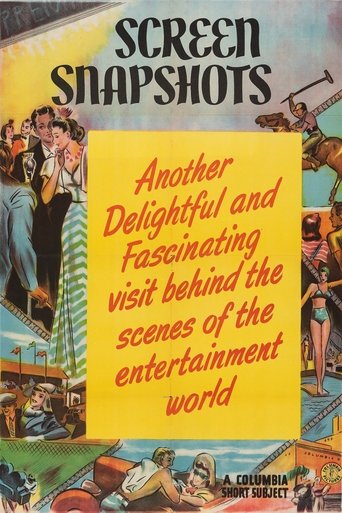 6.0
6.0Viewers are provided a visit to Ken Maynard's private circus; Bette Davis poses for her portrait; Frank McHugh plays with his children; a visit to the West Side Tennis Club affords glimpses of many stars.
Screen Snapshots (Series 16, No. 1)
1936
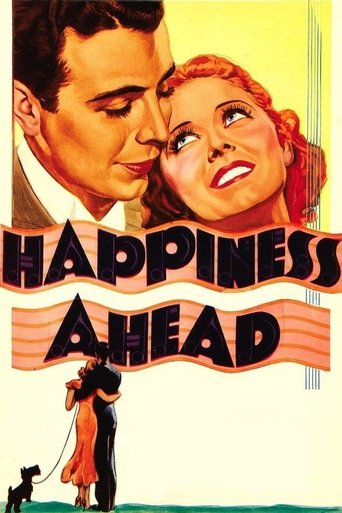 6.6
6.6Society heiress Joan Bradford rebels against her mother's choice of a future husband by masquerading as a working class girl and dating a window washer.
Happiness Ahead
1934
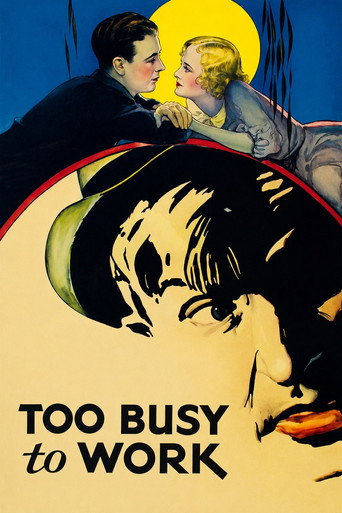 6.5
6.5A hobo searches the countryside for the daughter he lost when his wife left him...
Too Busy to Work
1932
 7.0
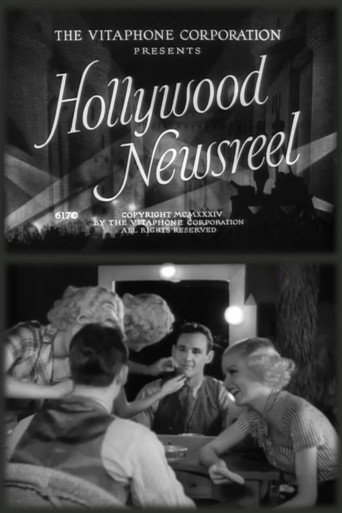
7.0A potpourri of features involving Hollywood celebrities. The Columbia University football team, winner of the 1934 Rose Bowl game, visits the Warner Bros. Studios and is greeted by several stars; Margaret Lindsay, Guy Kibbee, and Dick Powell work at a gold mine; Joan Blondell, recovered from a recent illness, thanks her fans; songs from the movie Harold Teen (1934) are performed by the songwriters and the film's stars.
Hollywood Newsreel
1934
 6.8
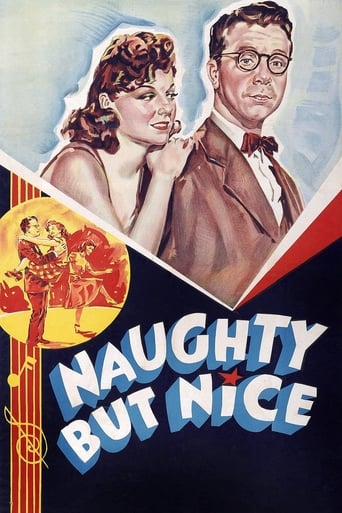
6.8Donald Hardwick (Dick Powell) is a stuffed-shirt, classical music professor. His family and small-town music college that he works are of equal mindset. When Don visits his black-sheep aunt in New York in order to find a buyer for his Rhapsody he is exposed to her shocking swing music crowd. His life begins to make dramatic changes after drinking a "lemonade" that turns out to be a Hurricane.
Naughty but Nice
1939
 6.0
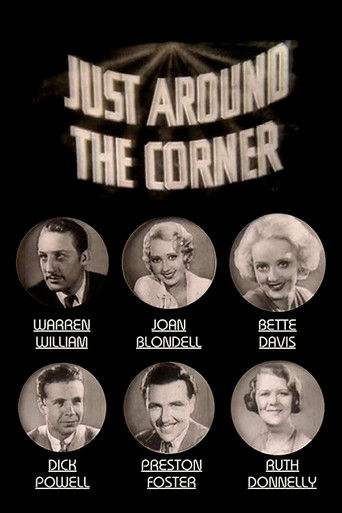
6.0Promotional short produced by General Electric for release through Warner Bros. to advertise GE's home appliances.
Just Around the Corner
1933
 5.8
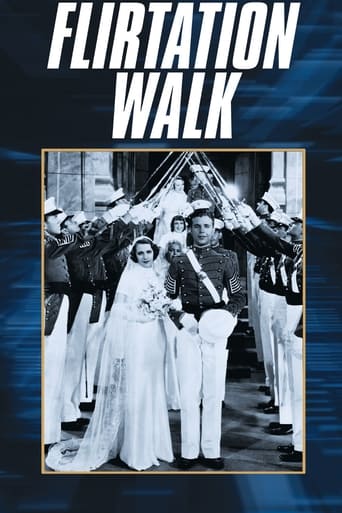
5.8A private stationed in Hawaii gets involved with the general's engaged daughter. In order to avoid a scandal, the pair break up, but meet again years later when he's at West Point producing the annual play that turns out to star her.
Flirtation Walk
1934
 6.7
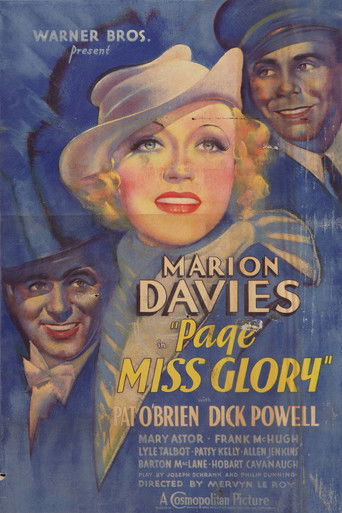
6.7A country girl goes to the city and gets a job in a posh hotel, and winds up becoming an instant celebrity thanks to an ambitious photographer.
Page Miss Glory
1935
Series credits
7.0Four panelists must determine guests' occupations - and, in the case of famous guests, while blindfolded, their identity - by asking only "yes" or "no" questions.
What's My Line?
1950
7.0An annual awards ceremony recognizing excellence in film and television, both domestic and foreign, bestowed by the Hollywood Foreign Press Association.
Golden Globe Awards
1944
6.5TV's most-watched history series brings to life the compelling stories from our past that inform our understanding of the world today.
American Experience
1988
7.5Tonight Starring Jack Paar is an American talk show hosted by Jack Paar under The Tonight Show franchise from 1957 to 1962. It originally aired during late-night. During most of its run it was broadcast from Studio 6B inside the RCA Building. The same studio would also host early episodes of The Tonight Show Starring Johnny Carson, and Late Night with Jimmy Fallon. Its theme song was an instrumental version of "Everything's Coming Up Roses", and the closing theme was "So Until I See You" by Al Lerner.
Tonight Starring Jack Paar
1957
6.8Four Star Playhouse is an American television anthology series that ran from 1952 to 1956, sponsored in its first bi-weekly season by The Singer Company; Bristol-Myers became an alternate sponsor when it became a weekly series in the fall of 1953. The original premise was that Charles Boyer, Ida Lupino, David Niven, and Dick Powell would take turns starring in episodes. However, several other performers took the lead from time to time, including Ronald Colman and Joan Fontaine. Blake Edwards was among the writers and directors who contributed to the series. Edwards created the recurring character of illegal gambling house operator Willie Dante for Dick Powell to play on this series. The character was later revamped and spun off in his own series starring Howard Duff, then-husband of Lupino. The pilot for Meet McGraw, starring Frank Lovejoy, aired here, as did another episode in which Lovejoy recreated his role of Chicago newspaper reporter Randy Stone, from the radio drama Nightbeat.
Four Star Playhouse
1952
6.8Four Star Playhouse is an American television anthology series that ran from 1952 to 1956, sponsored in its first bi-weekly season by The Singer Company; Bristol-Myers became an alternate sponsor when it became a weekly series in the fall of 1953. The original premise was that Charles Boyer, Ida Lupino, David Niven, and Dick Powell would take turns starring in episodes. However, several other performers took the lead from time to time, including Ronald Colman and Joan Fontaine. Blake Edwards was among the writers and directors who contributed to the series. Edwards created the recurring character of illegal gambling house operator Willie Dante for Dick Powell to play on this series. The character was later revamped and spun off in his own series starring Howard Duff, then-husband of Lupino. The pilot for Meet McGraw, starring Frank Lovejoy, aired here, as did another episode in which Lovejoy recreated his role of Chicago newspaper reporter Randy Stone, from the radio drama Nightbeat.
Four Star Playhouse
1952
6.8Four Star Playhouse is an American television anthology series that ran from 1952 to 1956, sponsored in its first bi-weekly season by The Singer Company; Bristol-Myers became an alternate sponsor when it became a weekly series in the fall of 1953. The original premise was that Charles Boyer, Ida Lupino, David Niven, and Dick Powell would take turns starring in episodes. However, several other performers took the lead from time to time, including Ronald Colman and Joan Fontaine. Blake Edwards was among the writers and directors who contributed to the series. Edwards created the recurring character of illegal gambling house operator Willie Dante for Dick Powell to play on this series. The character was later revamped and spun off in his own series starring Howard Duff, then-husband of Lupino. The pilot for Meet McGraw, starring Frank Lovejoy, aired here, as did another episode in which Lovejoy recreated his role of Chicago newspaper reporter Randy Stone, from the radio drama Nightbeat.
Four Star Playhouse
1952
6.8Four Star Playhouse is an American television anthology series that ran from 1952 to 1956, sponsored in its first bi-weekly season by The Singer Company; Bristol-Myers became an alternate sponsor when it became a weekly series in the fall of 1953. The original premise was that Charles Boyer, Ida Lupino, David Niven, and Dick Powell would take turns starring in episodes. However, several other performers took the lead from time to time, including Ronald Colman and Joan Fontaine. Blake Edwards was among the writers and directors who contributed to the series. Edwards created the recurring character of illegal gambling house operator Willie Dante for Dick Powell to play on this series. The character was later revamped and spun off in his own series starring Howard Duff, then-husband of Lupino. The pilot for Meet McGraw, starring Frank Lovejoy, aired here, as did another episode in which Lovejoy recreated his role of Chicago newspaper reporter Randy Stone, from the radio drama Nightbeat.
Four Star Playhouse
1952
6.8Four Star Playhouse is an American television anthology series that ran from 1952 to 1956, sponsored in its first bi-weekly season by The Singer Company; Bristol-Myers became an alternate sponsor when it became a weekly series in the fall of 1953. The original premise was that Charles Boyer, Ida Lupino, David Niven, and Dick Powell would take turns starring in episodes. However, several other performers took the lead from time to time, including Ronald Colman and Joan Fontaine. Blake Edwards was among the writers and directors who contributed to the series. Edwards created the recurring character of illegal gambling house operator Willie Dante for Dick Powell to play on this series. The character was later revamped and spun off in his own series starring Howard Duff, then-husband of Lupino. The pilot for Meet McGraw, starring Frank Lovejoy, aired here, as did another episode in which Lovejoy recreated his role of Chicago newspaper reporter Randy Stone, from the radio drama Nightbeat.
Four Star Playhouse
1952
6.8Four Star Playhouse is an American television anthology series that ran from 1952 to 1956, sponsored in its first bi-weekly season by The Singer Company; Bristol-Myers became an alternate sponsor when it became a weekly series in the fall of 1953. The original premise was that Charles Boyer, Ida Lupino, David Niven, and Dick Powell would take turns starring in episodes. However, several other performers took the lead from time to time, including Ronald Colman and Joan Fontaine. Blake Edwards was among the writers and directors who contributed to the series. Edwards created the recurring character of illegal gambling house operator Willie Dante for Dick Powell to play on this series. The character was later revamped and spun off in his own series starring Howard Duff, then-husband of Lupino. The pilot for Meet McGraw, starring Frank Lovejoy, aired here, as did another episode in which Lovejoy recreated his role of Chicago newspaper reporter Randy Stone, from the radio drama Nightbeat.
Four Star Playhouse
1952
6.8Four Star Playhouse is an American television anthology series that ran from 1952 to 1956, sponsored in its first bi-weekly season by The Singer Company; Bristol-Myers became an alternate sponsor when it became a weekly series in the fall of 1953. The original premise was that Charles Boyer, Ida Lupino, David Niven, and Dick Powell would take turns starring in episodes. However, several other performers took the lead from time to time, including Ronald Colman and Joan Fontaine. Blake Edwards was among the writers and directors who contributed to the series. Edwards created the recurring character of illegal gambling house operator Willie Dante for Dick Powell to play on this series. The character was later revamped and spun off in his own series starring Howard Duff, then-husband of Lupino. The pilot for Meet McGraw, starring Frank Lovejoy, aired here, as did another episode in which Lovejoy recreated his role of Chicago newspaper reporter Randy Stone, from the radio drama Nightbeat.
Four Star Playhouse
1952
6.8Four Star Playhouse is an American television anthology series that ran from 1952 to 1956, sponsored in its first bi-weekly season by The Singer Company; Bristol-Myers became an alternate sponsor when it became a weekly series in the fall of 1953. The original premise was that Charles Boyer, Ida Lupino, David Niven, and Dick Powell would take turns starring in episodes. However, several other performers took the lead from time to time, including Ronald Colman and Joan Fontaine. Blake Edwards was among the writers and directors who contributed to the series. Edwards created the recurring character of illegal gambling house operator Willie Dante for Dick Powell to play on this series. The character was later revamped and spun off in his own series starring Howard Duff, then-husband of Lupino. The pilot for Meet McGraw, starring Frank Lovejoy, aired here, as did another episode in which Lovejoy recreated his role of Chicago newspaper reporter Randy Stone, from the radio drama Nightbeat.
Four Star Playhouse
1952
6.8Four Star Playhouse is an American television anthology series that ran from 1952 to 1956, sponsored in its first bi-weekly season by The Singer Company; Bristol-Myers became an alternate sponsor when it became a weekly series in the fall of 1953. The original premise was that Charles Boyer, Ida Lupino, David Niven, and Dick Powell would take turns starring in episodes. However, several other performers took the lead from time to time, including Ronald Colman and Joan Fontaine. Blake Edwards was among the writers and directors who contributed to the series. Edwards created the recurring character of illegal gambling house operator Willie Dante for Dick Powell to play on this series. The character was later revamped and spun off in his own series starring Howard Duff, then-husband of Lupino. The pilot for Meet McGraw, starring Frank Lovejoy, aired here, as did another episode in which Lovejoy recreated his role of Chicago newspaper reporter Randy Stone, from the radio drama Nightbeat.
Four Star Playhouse
1952
6.8Four Star Playhouse is an American television anthology series that ran from 1952 to 1956, sponsored in its first bi-weekly season by The Singer Company; Bristol-Myers became an alternate sponsor when it became a weekly series in the fall of 1953. The original premise was that Charles Boyer, Ida Lupino, David Niven, and Dick Powell would take turns starring in episodes. However, several other performers took the lead from time to time, including Ronald Colman and Joan Fontaine. Blake Edwards was among the writers and directors who contributed to the series. Edwards created the recurring character of illegal gambling house operator Willie Dante for Dick Powell to play on this series. The character was later revamped and spun off in his own series starring Howard Duff, then-husband of Lupino. The pilot for Meet McGraw, starring Frank Lovejoy, aired here, as did another episode in which Lovejoy recreated his role of Chicago newspaper reporter Randy Stone, from the radio drama Nightbeat.
Four Star Playhouse
1952
6.8Four Star Playhouse is an American television anthology series that ran from 1952 to 1956, sponsored in its first bi-weekly season by The Singer Company; Bristol-Myers became an alternate sponsor when it became a weekly series in the fall of 1953. The original premise was that Charles Boyer, Ida Lupino, David Niven, and Dick Powell would take turns starring in episodes. However, several other performers took the lead from time to time, including Ronald Colman and Joan Fontaine. Blake Edwards was among the writers and directors who contributed to the series. Edwards created the recurring character of illegal gambling house operator Willie Dante for Dick Powell to play on this series. The character was later revamped and spun off in his own series starring Howard Duff, then-husband of Lupino. The pilot for Meet McGraw, starring Frank Lovejoy, aired here, as did another episode in which Lovejoy recreated his role of Chicago newspaper reporter Randy Stone, from the radio drama Nightbeat.
Four Star Playhouse
1952
6.8Four Star Playhouse is an American television anthology series that ran from 1952 to 1956, sponsored in its first bi-weekly season by The Singer Company; Bristol-Myers became an alternate sponsor when it became a weekly series in the fall of 1953. The original premise was that Charles Boyer, Ida Lupino, David Niven, and Dick Powell would take turns starring in episodes. However, several other performers took the lead from time to time, including Ronald Colman and Joan Fontaine. Blake Edwards was among the writers and directors who contributed to the series. Edwards created the recurring character of illegal gambling house operator Willie Dante for Dick Powell to play on this series. The character was later revamped and spun off in his own series starring Howard Duff, then-husband of Lupino. The pilot for Meet McGraw, starring Frank Lovejoy, aired here, as did another episode in which Lovejoy recreated his role of Chicago newspaper reporter Randy Stone, from the radio drama Nightbeat.
Four Star Playhouse
1952
6.8Four Star Playhouse is an American television anthology series that ran from 1952 to 1956, sponsored in its first bi-weekly season by The Singer Company; Bristol-Myers became an alternate sponsor when it became a weekly series in the fall of 1953. The original premise was that Charles Boyer, Ida Lupino, David Niven, and Dick Powell would take turns starring in episodes. However, several other performers took the lead from time to time, including Ronald Colman and Joan Fontaine. Blake Edwards was among the writers and directors who contributed to the series. Edwards created the recurring character of illegal gambling house operator Willie Dante for Dick Powell to play on this series. The character was later revamped and spun off in his own series starring Howard Duff, then-husband of Lupino. The pilot for Meet McGraw, starring Frank Lovejoy, aired here, as did another episode in which Lovejoy recreated his role of Chicago newspaper reporter Randy Stone, from the radio drama Nightbeat.
Four Star Playhouse
1952
6.8Four Star Playhouse is an American television anthology series that ran from 1952 to 1956, sponsored in its first bi-weekly season by The Singer Company; Bristol-Myers became an alternate sponsor when it became a weekly series in the fall of 1953. The original premise was that Charles Boyer, Ida Lupino, David Niven, and Dick Powell would take turns starring in episodes. However, several other performers took the lead from time to time, including Ronald Colman and Joan Fontaine. Blake Edwards was among the writers and directors who contributed to the series. Edwards created the recurring character of illegal gambling house operator Willie Dante for Dick Powell to play on this series. The character was later revamped and spun off in his own series starring Howard Duff, then-husband of Lupino. The pilot for Meet McGraw, starring Frank Lovejoy, aired here, as did another episode in which Lovejoy recreated his role of Chicago newspaper reporter Randy Stone, from the radio drama Nightbeat.
Four Star Playhouse
1952
6.8Four Star Playhouse is an American television anthology series that ran from 1952 to 1956, sponsored in its first bi-weekly season by The Singer Company; Bristol-Myers became an alternate sponsor when it became a weekly series in the fall of 1953. The original premise was that Charles Boyer, Ida Lupino, David Niven, and Dick Powell would take turns starring in episodes. However, several other performers took the lead from time to time, including Ronald Colman and Joan Fontaine. Blake Edwards was among the writers and directors who contributed to the series. Edwards created the recurring character of illegal gambling house operator Willie Dante for Dick Powell to play on this series. The character was later revamped and spun off in his own series starring Howard Duff, then-husband of Lupino. The pilot for Meet McGraw, starring Frank Lovejoy, aired here, as did another episode in which Lovejoy recreated his role of Chicago newspaper reporter Randy Stone, from the radio drama Nightbeat.
Four Star Playhouse
1952
6.8Four Star Playhouse is an American television anthology series that ran from 1952 to 1956, sponsored in its first bi-weekly season by The Singer Company; Bristol-Myers became an alternate sponsor when it became a weekly series in the fall of 1953. The original premise was that Charles Boyer, Ida Lupino, David Niven, and Dick Powell would take turns starring in episodes. However, several other performers took the lead from time to time, including Ronald Colman and Joan Fontaine. Blake Edwards was among the writers and directors who contributed to the series. Edwards created the recurring character of illegal gambling house operator Willie Dante for Dick Powell to play on this series. The character was later revamped and spun off in his own series starring Howard Duff, then-husband of Lupino. The pilot for Meet McGraw, starring Frank Lovejoy, aired here, as did another episode in which Lovejoy recreated his role of Chicago newspaper reporter Randy Stone, from the radio drama Nightbeat.
Four Star Playhouse
1952
6.8Four Star Playhouse is an American television anthology series that ran from 1952 to 1956, sponsored in its first bi-weekly season by The Singer Company; Bristol-Myers became an alternate sponsor when it became a weekly series in the fall of 1953. The original premise was that Charles Boyer, Ida Lupino, David Niven, and Dick Powell would take turns starring in episodes. However, several other performers took the lead from time to time, including Ronald Colman and Joan Fontaine. Blake Edwards was among the writers and directors who contributed to the series. Edwards created the recurring character of illegal gambling house operator Willie Dante for Dick Powell to play on this series. The character was later revamped and spun off in his own series starring Howard Duff, then-husband of Lupino. The pilot for Meet McGraw, starring Frank Lovejoy, aired here, as did another episode in which Lovejoy recreated his role of Chicago newspaper reporter Randy Stone, from the radio drama Nightbeat.
Four Star Playhouse
1952
6.8Four Star Playhouse is an American television anthology series that ran from 1952 to 1956, sponsored in its first bi-weekly season by The Singer Company; Bristol-Myers became an alternate sponsor when it became a weekly series in the fall of 1953. The original premise was that Charles Boyer, Ida Lupino, David Niven, and Dick Powell would take turns starring in episodes. However, several other performers took the lead from time to time, including Ronald Colman and Joan Fontaine. Blake Edwards was among the writers and directors who contributed to the series. Edwards created the recurring character of illegal gambling house operator Willie Dante for Dick Powell to play on this series. The character was later revamped and spun off in his own series starring Howard Duff, then-husband of Lupino. The pilot for Meet McGraw, starring Frank Lovejoy, aired here, as did another episode in which Lovejoy recreated his role of Chicago newspaper reporter Randy Stone, from the radio drama Nightbeat.
Four Star Playhouse
1952
6.8Four Star Playhouse is an American television anthology series that ran from 1952 to 1956, sponsored in its first bi-weekly season by The Singer Company; Bristol-Myers became an alternate sponsor when it became a weekly series in the fall of 1953. The original premise was that Charles Boyer, Ida Lupino, David Niven, and Dick Powell would take turns starring in episodes. However, several other performers took the lead from time to time, including Ronald Colman and Joan Fontaine. Blake Edwards was among the writers and directors who contributed to the series. Edwards created the recurring character of illegal gambling house operator Willie Dante for Dick Powell to play on this series. The character was later revamped and spun off in his own series starring Howard Duff, then-husband of Lupino. The pilot for Meet McGraw, starring Frank Lovejoy, aired here, as did another episode in which Lovejoy recreated his role of Chicago newspaper reporter Randy Stone, from the radio drama Nightbeat.
Four Star Playhouse
1952
6.8Four Star Playhouse is an American television anthology series that ran from 1952 to 1956, sponsored in its first bi-weekly season by The Singer Company; Bristol-Myers became an alternate sponsor when it became a weekly series in the fall of 1953. The original premise was that Charles Boyer, Ida Lupino, David Niven, and Dick Powell would take turns starring in episodes. However, several other performers took the lead from time to time, including Ronald Colman and Joan Fontaine. Blake Edwards was among the writers and directors who contributed to the series. Edwards created the recurring character of illegal gambling house operator Willie Dante for Dick Powell to play on this series. The character was later revamped and spun off in his own series starring Howard Duff, then-husband of Lupino. The pilot for Meet McGraw, starring Frank Lovejoy, aired here, as did another episode in which Lovejoy recreated his role of Chicago newspaper reporter Randy Stone, from the radio drama Nightbeat.
Four Star Playhouse
1952
6.8Four Star Playhouse is an American television anthology series that ran from 1952 to 1956, sponsored in its first bi-weekly season by The Singer Company; Bristol-Myers became an alternate sponsor when it became a weekly series in the fall of 1953. The original premise was that Charles Boyer, Ida Lupino, David Niven, and Dick Powell would take turns starring in episodes. However, several other performers took the lead from time to time, including Ronald Colman and Joan Fontaine. Blake Edwards was among the writers and directors who contributed to the series. Edwards created the recurring character of illegal gambling house operator Willie Dante for Dick Powell to play on this series. The character was later revamped and spun off in his own series starring Howard Duff, then-husband of Lupino. The pilot for Meet McGraw, starring Frank Lovejoy, aired here, as did another episode in which Lovejoy recreated his role of Chicago newspaper reporter Randy Stone, from the radio drama Nightbeat.
Four Star Playhouse
1952
6.8Four Star Playhouse is an American television anthology series that ran from 1952 to 1956, sponsored in its first bi-weekly season by The Singer Company; Bristol-Myers became an alternate sponsor when it became a weekly series in the fall of 1953. The original premise was that Charles Boyer, Ida Lupino, David Niven, and Dick Powell would take turns starring in episodes. However, several other performers took the lead from time to time, including Ronald Colman and Joan Fontaine. Blake Edwards was among the writers and directors who contributed to the series. Edwards created the recurring character of illegal gambling house operator Willie Dante for Dick Powell to play on this series. The character was later revamped and spun off in his own series starring Howard Duff, then-husband of Lupino. The pilot for Meet McGraw, starring Frank Lovejoy, aired here, as did another episode in which Lovejoy recreated his role of Chicago newspaper reporter Randy Stone, from the radio drama Nightbeat.
Four Star Playhouse
1952
6.8Four Star Playhouse is an American television anthology series that ran from 1952 to 1956, sponsored in its first bi-weekly season by The Singer Company; Bristol-Myers became an alternate sponsor when it became a weekly series in the fall of 1953. The original premise was that Charles Boyer, Ida Lupino, David Niven, and Dick Powell would take turns starring in episodes. However, several other performers took the lead from time to time, including Ronald Colman and Joan Fontaine. Blake Edwards was among the writers and directors who contributed to the series. Edwards created the recurring character of illegal gambling house operator Willie Dante for Dick Powell to play on this series. The character was later revamped and spun off in his own series starring Howard Duff, then-husband of Lupino. The pilot for Meet McGraw, starring Frank Lovejoy, aired here, as did another episode in which Lovejoy recreated his role of Chicago newspaper reporter Randy Stone, from the radio drama Nightbeat.
Four Star Playhouse
1952
6.8Four Star Playhouse is an American television anthology series that ran from 1952 to 1956, sponsored in its first bi-weekly season by The Singer Company; Bristol-Myers became an alternate sponsor when it became a weekly series in the fall of 1953. The original premise was that Charles Boyer, Ida Lupino, David Niven, and Dick Powell would take turns starring in episodes. However, several other performers took the lead from time to time, including Ronald Colman and Joan Fontaine. Blake Edwards was among the writers and directors who contributed to the series. Edwards created the recurring character of illegal gambling house operator Willie Dante for Dick Powell to play on this series. The character was later revamped and spun off in his own series starring Howard Duff, then-husband of Lupino. The pilot for Meet McGraw, starring Frank Lovejoy, aired here, as did another episode in which Lovejoy recreated his role of Chicago newspaper reporter Randy Stone, from the radio drama Nightbeat.
Four Star Playhouse
1952
3.8Climax! is an American anthology series that aired on CBS from 1954 to 1958. The series was hosted by William Lundigan and later co-hosted by Mary Costa. It was one of the few CBS programs of that era to be broadcast in color. Many of the episodes were performed and broadcast live.
Climax!
1954
 6.2
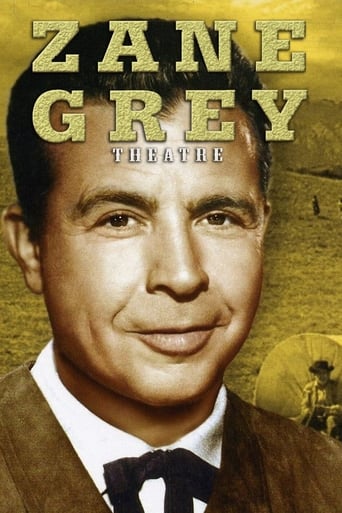
6.2Dick Powell's Zane Grey Theatre, sometimes simply called Zane Grey Theatre, is an American Western anthology series which ran on CBS from 1956 to 1961.
Dick Powell's Zane Grey Theatre
1956
 6.8
6.8The Ed Sullivan Show is an American TV variety show that originally ran on CBS from Sunday June 20, 1948 to Sunday June 6, 1971, and was hosted by New York entertainment columnist Ed Sullivan. It was replaced in September 1971 by the CBS Sunday Night Movie, which ran only one season and was eventually replaced by other shows. In 2002, The Ed Sullivan Show was ranked #15 on TV Guide's 50 Greatest TV Shows of All Time.
The Ed Sullivan Show
1948
 7.8
7.8Laugh along with funnyman Jack Benny as he brings his underplayed humor to TV along with regular performers from his radio show days.
The Jack Benny Program
1950
 6.5
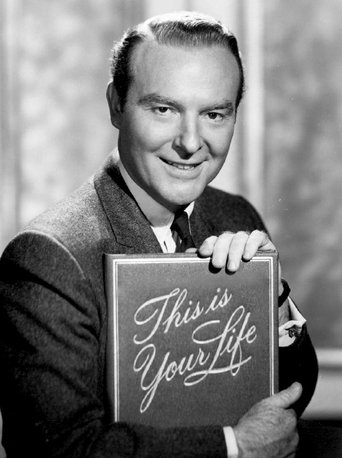
6.5This Is Your Life is an American television documentary series broadcast on NBC, originally hosted by its producer, Ralph Edwards from 1952 to 1961. In the show, the host surprises a guest, and proceeds to take them through their life in front of an audience, including special guest appearances by colleagues, friends and family. Edwards revived the show in 1971-72, while Joseph Campanella hosted a version in 1983. Edwards returned for some specials in the late 1980s, before his death in 2005. The show originated as a radio show on NBC Radio airing from 1948 to 1952.
This Is Your Life
1952
 6.8
6.8The DuPont Show with June Allyson is an American anthology drama series which aired on CBS from September 21, 1959 to April 3, 1961 with rebroadcasts continuing until June 12, 1961. The series was hosted by actress June Allyson.
The DuPont Show with June Allyson
1959
6.8The DuPont Show with June Allyson is an American anthology drama series which aired on CBS from September 21, 1959 to April 3, 1961 with rebroadcasts continuing until June 12, 1961. The series was hosted by actress June Allyson.
The DuPont Show with June Allyson
1959
 6.7
6.7Lux Video Theatre is an American anthology series that was produced from 1950 until 1959. The series presented both comedy and drama in original teleplays, as well as abridged adaptations of films and plays.
Lux Video Theatre
1950
 5.7
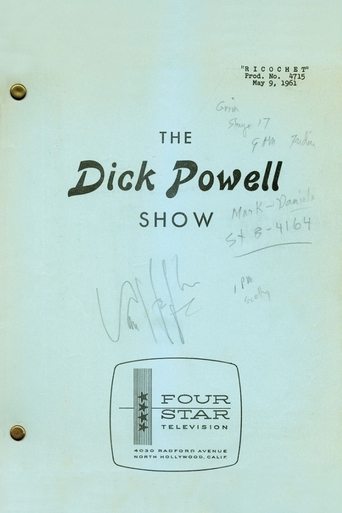
5.7The Dick Powell Show is an American anthology series that ran on NBC from 1961- 1963, primarily sponsored by the Reynolds Metals Company. It was hosted by longtime film star Dick Powell until his death from lymphatic cancer on January 2, 1963, then by a series of guest hosts until the series ended. The first of these was Gregory Peck, who began the January 8 program with a tribute to Powell, recognizing him as "a great and good friend to our industry." Peck was followed by fellow actors such as Robert Mitchum, Frank Sinatra, Glenn Ford, Charles Boyer, Jackie Cooper, Rock Hudson, Milton Berle, Jack Lemmon, Dean Martin, Robert Taylor, Steve McQueen, David Niven, Danny Thomas, Robert Wagner and John Wayne.
The Dick Powell Show
1961
 7.9
7.9An annual awards ceremony honoring the best in U.S. prime time television programming as chosen by the Academy of Television Arts & Sciences.
The Emmy Awards
1949
 7.0
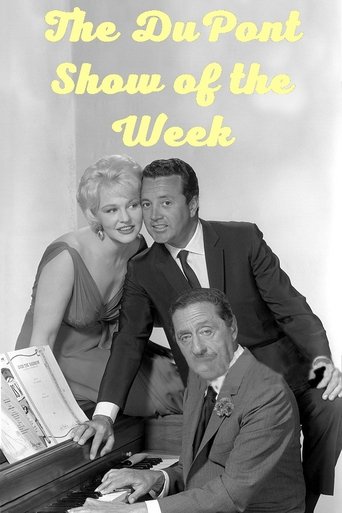
7.0The DuPont Show of the Week is an American anthology drama series which aired for three seasons on NBC from September 17, 1961 to August 30, 1964.
The DuPont Show of the Week
1961
Behind the camera
 7.2
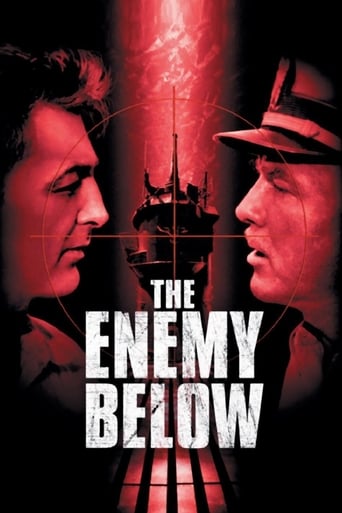
7.2The crew of the American destroyer escort, the USS Haynes, detects a German U-Boat—resulting in a prolonged, deadly battle of wits.
The Enemy Below
1957
7.2The crew of the American destroyer escort, the USS Haynes, detects a German U-Boat—resulting in a prolonged, deadly battle of wits.
The Enemy Below
1957
 5.4
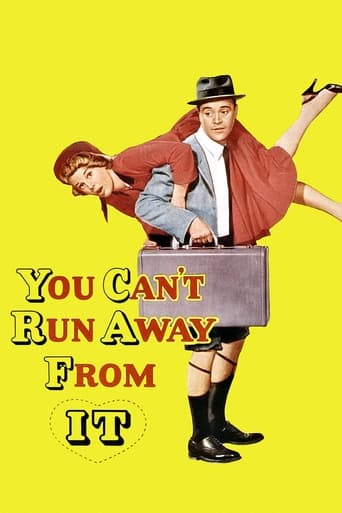
5.4A reporter stumbles on a runaway heiress whose story could salvage his career.
You Can't Run Away from It
1956
 5.8
5.8With its electrifying flight sequences and high-powered cast, The Hunters is a mesmerizing film based on the best-selling novel by veteran fighter pilot James Salter. Set during the height of the Korean War, the story centers on Major Cleve Saville (Robert Mitchum), a master of the newly operational F-86 Sabre fighter jets. But adept as he is at flying, Saville¹s personal life takes a nosedive when he falls in love with his wingman¹s (Lee Philips) beautiful wife (May Britt). To make matters worse, Saville must cope with a loud-mouthed rookie (Robert Wagner) in a daring rescue mission that threatens all their lives in this well-crafted war drama.
The Hunters
1958
5.8With its electrifying flight sequences and high-powered cast, The Hunters is a mesmerizing film based on the best-selling novel by veteran fighter pilot James Salter. Set during the height of the Korean War, the story centers on Major Cleve Saville (Robert Mitchum), a master of the newly operational F-86 Sabre fighter jets. But adept as he is at flying, Saville¹s personal life takes a nosedive when he falls in love with his wingman¹s (Lee Philips) beautiful wife (May Britt). To make matters worse, Saville must cope with a loud-mouthed rookie (Robert Wagner) in a daring rescue mission that threatens all their lives in this well-crafted war drama.
The Hunters
1958
 3.6
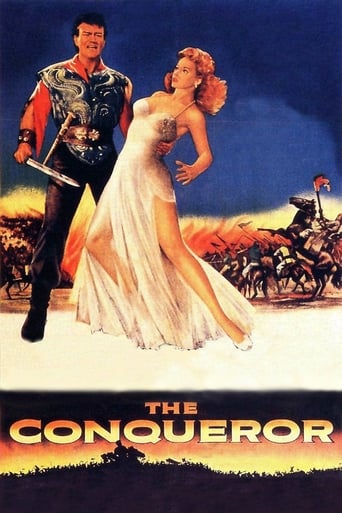
3.6Mongol chief Temujin battles against Tartar armies and for the love of the Tartar princess Bortai. Temujin becomes the emperor Genghis Khan.
The Conqueror
1956
3.6Mongol chief Temujin battles against Tartar armies and for the love of the Tartar princess Bortai. Temujin becomes the emperor Genghis Khan.
The Conqueror
1956
 6.4
6.4Escaped convicts hold hostages in a ghost town targeted for a nuclear bomb test.
Split Second
1953
Pilot episode, directed by Dick Powell.
Woman on the Run
1959
 5.5
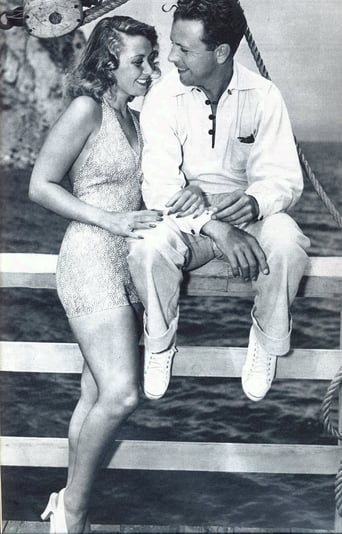
5.5These home movies shot by Dick Powell feature his wife Joan Blondell in a series of poses and dances as she tries on various dresses.
One And One Is One
1936