
Acting
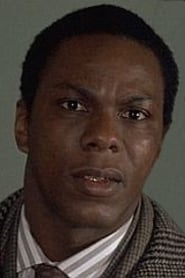
Lawrence T. Wrentz
Born — Died
1954-02-09 — 1997-06-16
Known for
Acting
Credits
7 titles
Known for
 8.0
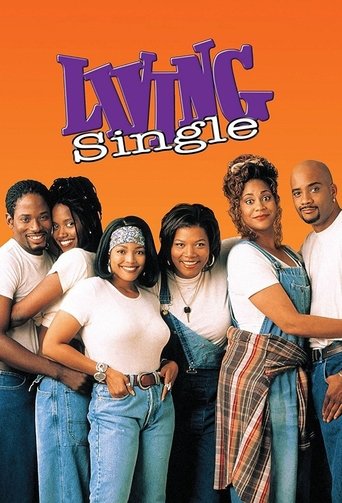
8.0Living Single is an American television sitcom that aired for five seasons on the Fox network from August 22, 1993, to January 1, 1998. The show centered on the lives of six friends who share personal and professional experiences while living in a Brooklyn brownstone. Throughout its run, Living Single became one of the most popular African-American sitcoms of its era, ranking among the top five in African-American ratings in all five seasons. The series was produced by Yvette Lee Bowser's company, Sister Lee, in association with Warner Bros. Television. In contrast to the popularity of NBC's "Must See TV" on Thursday nights in the 1990s, many African American and Latino viewers flocked to Fox's Thursday night line-up of Martin, Living Single, and New York Undercover. In fact, these were the three highest-rated series among black households for the 1996–1997 season.
Living Single
1993
 7.7
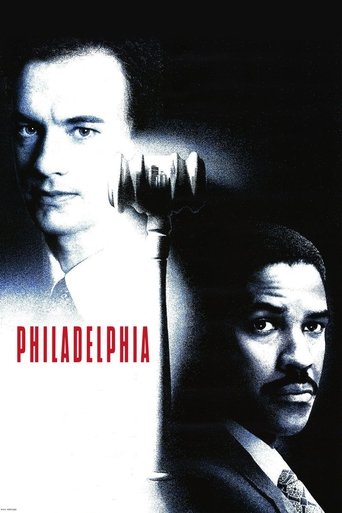
7.7Two competing lawyers join forces to sue a prestigious law firm for AIDS discrimination. As their unlikely friendship develops, their courage overcomes the prejudice and corruption of their powerful adversaries.
Philadelphia
1993
 8.3
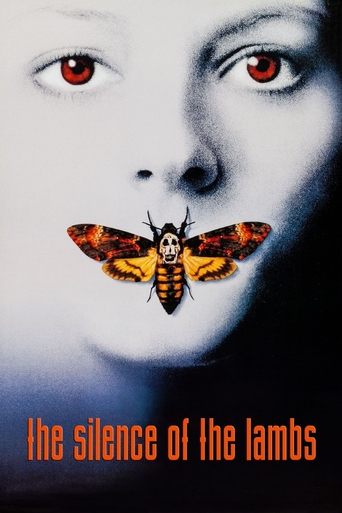
8.3Clarice Starling is a top student at the FBI's training academy. Jack Crawford wants Clarice to interview Dr. Hannibal Lecter, a brilliant psychiatrist who is also a violent psychopath, serving life behind bars for various acts of murder and cannibalism. Crawford believes that Lecter may have insight into a case and that Starling, as an attractive young woman, may be just the bait to draw him out.
The Silence of the Lambs
1991
 5.6
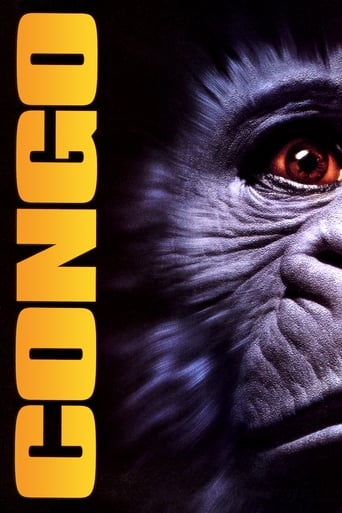
5.6Eight people embark on an expedition into the Congo, a mysterious expanse of unexplored Africa, where human greed and the laws of nature have gone berserk.
Congo
1995
 5.2
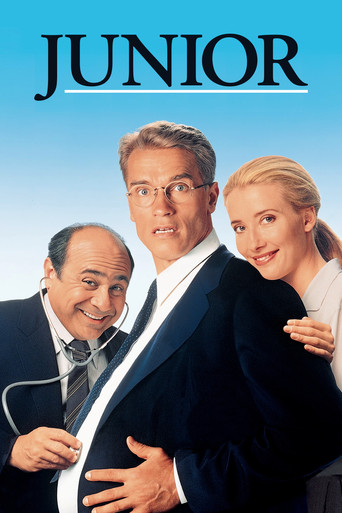
5.2A research scientist becomes the world's first pregnant man in order to test a drug he and a colleague have designed for expectant women. To carry out the trial, he has an embryo implant, believing that he will only carry the baby for three months – hardly expecting to face the prospect of giving birth.
Junior
1994
 5.1
5.1The story takes place in alternative America where the blacks are members of social elite, and whites are inhabitants of inner city ghettos. Louis Pinnock is a white worker in a chocolate factory, loving husband and father of two children. While delivering a package for black CEO Thaddeus Thomas, he is mistaken for a voyeur and, as a result, loses his job, gets beaten by black cops and his family gets evicted from their home. Desperate Pinnock takes a gun and kidnaps Thomas, demanding justice.
White Man's Burden
1995
Film credits
1990s · 6 titles
7.7Two competing lawyers join forces to sue a prestigious law firm for AIDS discrimination. As their unlikely friendship develops, their courage overcomes the prejudice and corruption of their powerful adversaries.
Philadelphia
1993
8.3Clarice Starling is a top student at the FBI's training academy. Jack Crawford wants Clarice to interview Dr. Hannibal Lecter, a brilliant psychiatrist who is also a violent psychopath, serving life behind bars for various acts of murder and cannibalism. Crawford believes that Lecter may have insight into a case and that Starling, as an attractive young woman, may be just the bait to draw him out.
The Silence of the Lambs
1991
5.6Eight people embark on an expedition into the Congo, a mysterious expanse of unexplored Africa, where human greed and the laws of nature have gone berserk.
Congo
1995
5.2A research scientist becomes the world's first pregnant man in order to test a drug he and a colleague have designed for expectant women. To carry out the trial, he has an embryo implant, believing that he will only carry the baby for three months – hardly expecting to face the prospect of giving birth.
Junior
1994
5.1The story takes place in alternative America where the blacks are members of social elite, and whites are inhabitants of inner city ghettos. Louis Pinnock is a white worker in a chocolate factory, loving husband and father of two children. While delivering a package for black CEO Thaddeus Thomas, he is mistaken for a voyeur and, as a result, loses his job, gets beaten by black cops and his family gets evicted from their home. Desperate Pinnock takes a gun and kidnaps Thomas, demanding justice.
White Man's Burden
1995
A pilot for a sketch comedy show. A single stationary camera was mounted inside the center of a large rotating platform. As the platform rotated around the camera, a scene would come into view of the camera. The wheel would stop and a sketch would play out in the scene, which was often framed by some piece of appropriate artwork or prop (for the purposes of forced perspective). At the end of the scene, the wheel would rotate, carrying one scene out of the camera's view and bringing another in, and a new sketch would begin in the new scene. Some scenes were self-contained on the platform, while others were open to the studio beyond the platform (and additional action would take place in the background).
The TV Wheel
1995