

Writing
Maya Merkel
Born — Died
1927-05-11 — 2015-03-30
Known for
Writing
Credits
9 titles
Maya Maksovna Merkel was a Soviet and Russian documentary filmmaker and screenwriter.
Known for
 NR
The following guests take part in the music concert-documentary: Rosa Rymbaeva, Dmitry Pokrovsky folklore Ensemble, Elena Kamburova, Alla Pugacheva, Bulat Okudzhava and the Nergebi children's vocal ensemble from Georgia.
The Golden Record
1983
 NR
“You have to love people, really. If you don’t, you’ll get them trapped in the tram doors,” says the central figure Lyudmila. She takes the viewer on three of her shifts as a tram driver; she speaks frankly and tenderly about her profession and introduces her passengers. People, streets, light and mood change, and with them an image of Leningrad takes shape.
A Tram Runs Through the City
1973
 5.0
The documentary concert consists of performances by Soviet pop performers such as Anne Veski, Alexander Gradsky, Nani Bregvadze, and others.
The Golden Record 2
1986
 NR
A documentary on the staging of Georgi Tovstonogov's acclaimed production of The Three Sisters at the Gorky Bolshoi Drama Theater, from the first table read to the opening night.
The Premiere is Tonight
1965
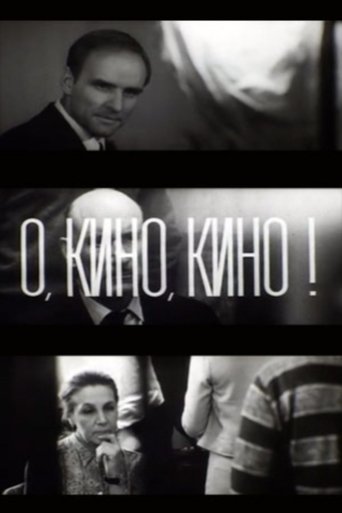 NR
A report from the set of the movie "To Love a Man" directed by S. A. Gerasimov.
Oh, Cinema, Cinema!
1973
Scenes from the life of the creative laboratory of the USSR Folk Dance Ensemble under the direction of Igor Moiseyev.
Perpetuum Mobile
1967
Behind the camera
NRThe following guests take part in the music concert-documentary: Rosa Rymbaeva, Dmitry Pokrovsky folklore Ensemble, Elena Kamburova, Alla Pugacheva, Bulat Okudzhava and the Nergebi children's vocal ensemble from Georgia.
The Golden Record
1983
NR“You have to love people, really. If you don’t, you’ll get them trapped in the tram doors,” says the central figure Lyudmila. She takes the viewer on three of her shifts as a tram driver; she speaks frankly and tenderly about her profession and introduces her passengers. People, streets, light and mood change, and with them an image of Leningrad takes shape.
A Tram Runs Through the City
1973
5.0The documentary concert consists of performances by Soviet pop performers such as Anne Veski, Alexander Gradsky, Nani Bregvadze, and others.
The Golden Record 2
1986
NRA documentary on the staging of Georgi Tovstonogov's acclaimed production of The Three Sisters at the Gorky Bolshoi Drama Theater, from the first table read to the opening night.
The Premiere is Tonight
1965
NRA report from the set of the movie "To Love a Man" directed by S. A. Gerasimov.
Oh, Cinema, Cinema!
1973
NRA report from the set of the movie "To Love a Man" directed by S. A. Gerasimov.
Oh, Cinema, Cinema!
1973
Scenes from the life of the creative laboratory of the USSR Folk Dance Ensemble under the direction of Igor Moiseyev.
Perpetuum Mobile
1967
Scenes from the life of the creative laboratory of the USSR Folk Dance Ensemble under the direction of Igor Moiseyev.
Perpetuum Mobile
1967
 NR
In the history of the Russian ballet theater, the name of Olga Spesivtseva occupies a place no less significant than the names of Anna Pavlova and Tamara Karsavina. The audience first saw her in 1913 as a beautiful young girl, gentle, captivating and timid, with huge eyes full of mystery. In the early twenties, this girl was a real idol of youth and a conqueror of Paris, and in the early nineties, after a long mental illness, she ended her days away from her homeland, in one of the nursing homes. A star and a victim of her time, a forced hermit and a prisoner of madness, her life is a tangle of glory and oblivion, her name is surrounded by an aura of mystery, delight and contempt...
The Divine Giselle
1997