

Directing
Alan Bridges
Born — Died
1927-09-28 — 2013-12-07
Place of birth
Liverpool, England, UK
Known for
Directing
Credits
38 titles
Alan Bridges was an English television and film director. In 1967 Bridges directed a television adaptation of Charles Dickens' Great Expectations starring Gary Bond as Pip. He won the Grand Prix at the 1973 Cannes Film Festival for his film The Hireling.
Known for
 NR
NRJack Black is a disturbed commercial actor who believes himself to be trapped in a television play, followed around by an invisible camera.
Follow the Yellow Brick Road
1972
 7.0
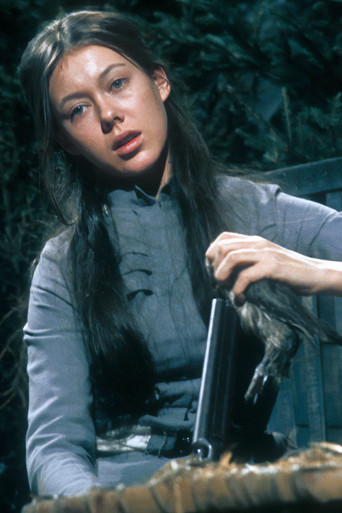
7.0A devestating, yet bracing look at a family whose proximity to each other belies the decay of their relationships, The Wild Duck is just as modern today as it was when first staged. When Gregors Werle comes to stay with the Ekdals, his idealist nature refuses to tolerate the dreamworld of lies the family is living. However, in his bid to force the Ekdals to see the truth, the skeletons he unearths destroy the family that he wanted to redeem.
The Wild Duck
1971
A first secretary in the British Embassy in a South American country is kidnapped by a terrorist group to blackmail their Government into releasing 25 political prisoners
Savages
—
Western journalists visit Moscow to interview Adrian Harris, a former controller in British intelligence who was also a double agent for the USSR. Harris believes in both Communism and Englishness, believing himself to have betrayed his class, but not his country. The press find these beliefs incompatible, and want to find out why he became a ‘traitor’. Harris is plagued by anxieties over both his actions and his upper-class childhood, and drinks to a state of collapse
Traitor
1971
 5.0
5.0Theme of a powerful and respected man tearing his life to pieces.
Very Like a Whale
1981
Unable to marry the divorced Wallis Simpson, King Edward VIII has to choose between the crown and love.
Crown Matrimonial
1974
Film credits
Behind the camera
NRJack Black is a disturbed commercial actor who believes himself to be trapped in a television play, followed around by an invisible camera.
Follow the Yellow Brick Road
1972
7.0A devestating, yet bracing look at a family whose proximity to each other belies the decay of their relationships, The Wild Duck is just as modern today as it was when first staged. When Gregors Werle comes to stay with the Ekdals, his idealist nature refuses to tolerate the dreamworld of lies the family is living. However, in his bid to force the Ekdals to see the truth, the skeletons he unearths destroy the family that he wanted to redeem.
The Wild Duck
1971
A first secretary in the British Embassy in a South American country is kidnapped by a terrorist group to blackmail their Government into releasing 25 political prisoners
Savages
—
Western journalists visit Moscow to interview Adrian Harris, a former controller in British intelligence who was also a double agent for the USSR. Harris believes in both Communism and Englishness, believing himself to have betrayed his class, but not his country. The press find these beliefs incompatible, and want to find out why he became a ‘traitor’. Harris is plagued by anxieties over both his actions and his upper-class childhood, and drinks to a state of collapse
Traitor
1971
5.0Theme of a powerful and respected man tearing his life to pieces.
Very Like a Whale
1981
Unable to marry the divorced Wallis Simpson, King Edward VIII has to choose between the crown and love.
Crown Matrimonial
1974
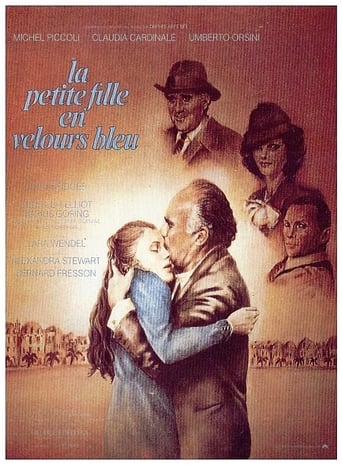 5.7
5.7An ageing surgeon falls in love with a thirteen-year-old girl.
Little Girl in Blue Velvet
1978
5.7An ageing surgeon falls in love with a thirteen-year-old girl.
Little Girl in Blue Velvet
1978
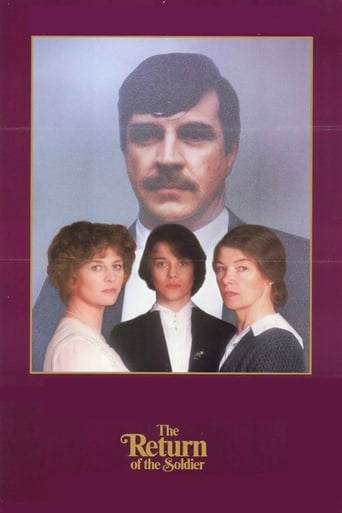 6.3
6.3The horrors of World War I have robbed returning veteran Chris Baldry of his memory. The traumatized soldier doesn't even recognize his own wife, Kitty, or remember their years together. While Baldry attempts to cope with the unfamiliar surroundings of his own home, he seeks out the company of an old flame from his childhood, Margaret Grey. His amnesia also makes him a ready target for the affections of his older cousin, Jenny.
The Return of the Soldier
1983
 NR
NR"They say that in the wood you get what nearly everybody here is longing for – a second chance." J. M. Barrie's fantasy play, depicting alternative realities for its characters and their eventual return to real life.
Dear Brutus
1981
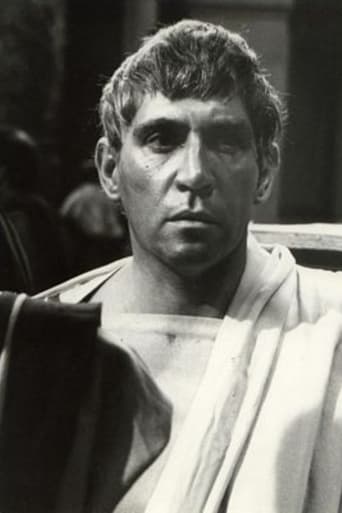 7.5
7.5The play by William Shakespeare.
Julius Caesar
1969
 NR
NRA college professor remembers the humor and sorrow of his youth in World War II Britain.
Forget-Me-Not Lane
1975
 5.0
5.0Two strangers, both married to others, meet in a railway station and soon find themselves in a brief but intense affair.
Brief Encounter
1976
 6.2
6.2Another of Dennis Potter's "visitation dramas": Adultery by John disturbs Janet, so she flirts with the simple, mistreated Billy during the middle of giving him a reading lesson. Unfortunately, it triggers aggressive behavior in Billy which he directs toward John.
Rain on the Roof
1980
 NR
NRThe Countess lives in her East European palace, oblivious to the new regime that has moved in. After the war Volubin, a Marxist writer, is instructed to obtain from her the keys to her wine-cellar, which are needed for a celebration dinner. First shown in 1970, this play charts the transition of dictatorial power in the 20th century.
The Cellar and the Almond Tree
1970
 6.6
6.61913, shortly before the outbreak of WWI. A group of aristocrats gathers at the estate of Sir Randolph Nettleby for a weekend shoot. As the terminal decrepitude of a dying class is reflected in the social interactions and hypocrisy of its members, only world weary Sir Randolph seems to realise that the sun is setting.
The Shooting Party
1985
The trustees of Midwestern University have forced three teachers out of their jobs for being suspected communists. Trustee Ed Keller has also threatened mild mannered English Professor Tommy Turner, because he plans to read a controversial piece of prose in class. Lost episode of BBC Play of the Month.
The Male Animal
1968
 7.0
7.0A boy is skilled at telepathy and in mind control. He attracts the attention of the government.
Stranger in the Family
1965
 NR
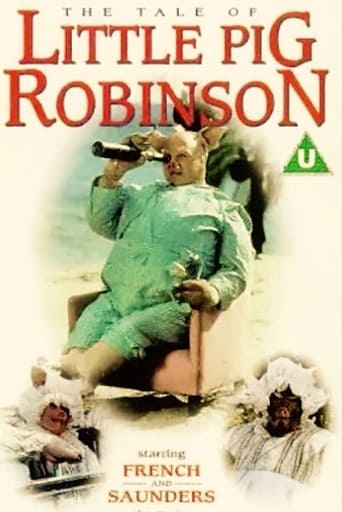
NRAdapted from the Beatrix Potter story tells the story of the pignap of Little Pig Robinson by Captain Barnabus Butcher who fools Robinson into believing he is being taken on a trip to visit the land of the Bong tree; the truth of the matter is more sinister.
The Tale of Little Pig Robinson
1990
 6.5
6.5Ingmar Bergman play looking at the cool and brittle relationship between a successful architect (Frank Finlay) and his academic wife (Gemma Jones). Commissioned by the Swedish Broadcasting Corporation on behalf of European members participating in ‘The Largest Theatre in the World’. This, the Radio Times explained, was ‘a project which enabled a play to be broadcast simultaneously in several languages across Europe.’ This UK Play For Today version was directed by Alan Bridges, whilst an American version was put out on CBS, directed by Alex Segal
The Lie
1970
An ex-tennis pro carries out a plot to murder his wife. When things go wrong, he improvises a brilliant plan B.
Dial M for Murder
1962
 5.8
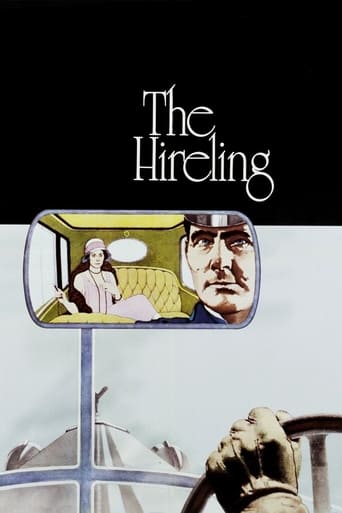
5.8Based on the novel by L. P. Hartley, The Hireling is a dissection of antiquated but hardly dormant British class distinctions as a lonely socialite and her chauffeur become more than friends.
The Hireling
1973
 6.1
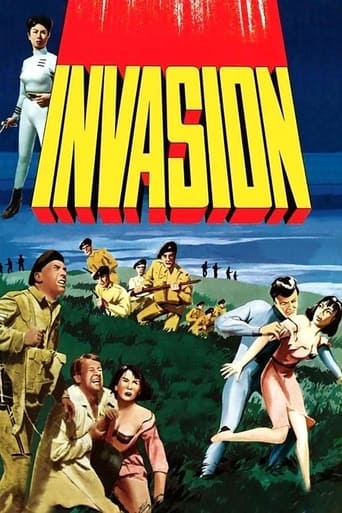
6.1Routine tests on a traffic accident victim lead to shocking discoveries when the man's blood is found to be unidentifiable and x-rays reveal a disc embedded in his brain. His fabulous tale of being an escaped prisoner from an alien spaceship takes a turn for the sinister when the hospital staff realise that they're under a state of siege...
Invasion
1965
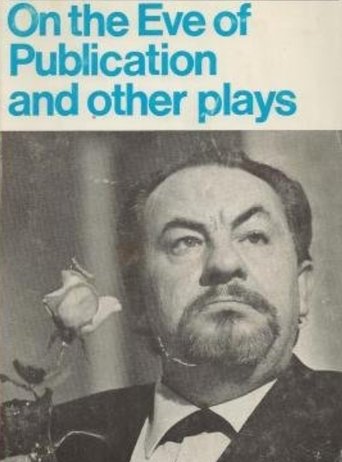 7.0
7.0TV play by David Mercer. First in a trilogy concerning Marxist novelist Robert Kelvin. The occasion is a dinner party, Kelvin is concerned with a summation of his life, addressed in his head to his lover, Emma.
On the Eve of Publication
1968
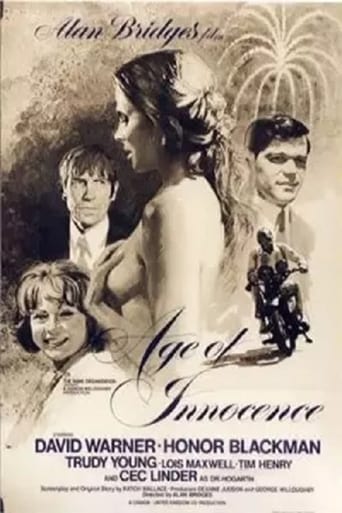 4.8
4.8A British schoolteacher finds trouble in a conservative Canadian town.
Age of Innocence
1977
A contemporary retelling of the Mary Shelley story, produced as a tribute to the poet Percy Bysshe Shelley on the 150th anniversary of his death.
Shelley
1972
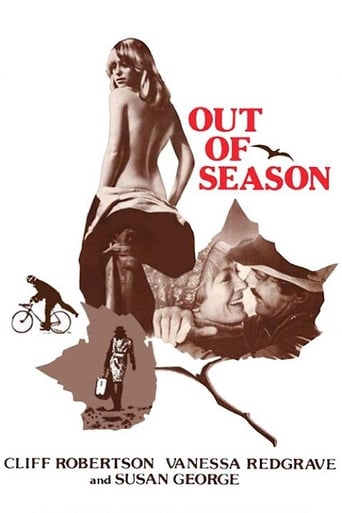 5.5
5.5Middle-aged Ann and her teenage daughter Joanna manage a failing hotel on an island off the British coast. One day, the hotel receives an unexpected guest, a man named Joe.
Out of Season
1975
Two couples let tensions build between them in this 'Wednesday Play'.
Let's Murder Vivaldi
1968
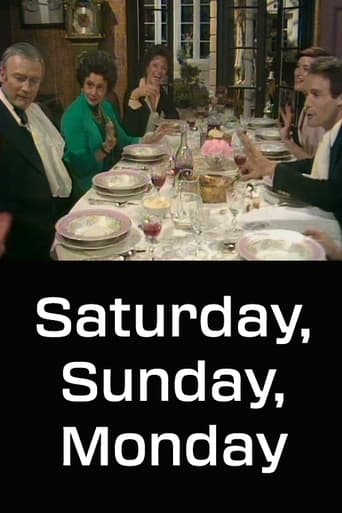 7.0
7.0One Saturday evening Rosa Priore is preparing a magnificent Sunday lunch for her family and their friends. By Sunday afternoon her life and marriage are in ruins.
Saturday, Sunday, Monday
1978
 6.0
6.0A dangerous psychological game plays out between a man and the husband of the lover who spurned him.
Act of Murder
1964
Displaced Person is a 1985 Emmy award winning drama based on a short story by Kurt Vonnegut. It was directed by Alan Bridges and adapted by Fred Barron from a story in the Welcome to the Monkey House collection.
Displaced Person
1985
A man enters into a correspondence with his colleague's eight-year-old daughter.
A Child and a Half
1969
A student architect and his black girlfriend set out from South Africa to Britain. On the voyage, the student shares a cabin with an enigmatic Austrian.
Blood of the Lamb
1969
 NR
NRAfter the death of novelist Robert Kelvin, his mistress Emma tries to adjust and reflects upon their relationship.
Emma's Time
1970
 8.0
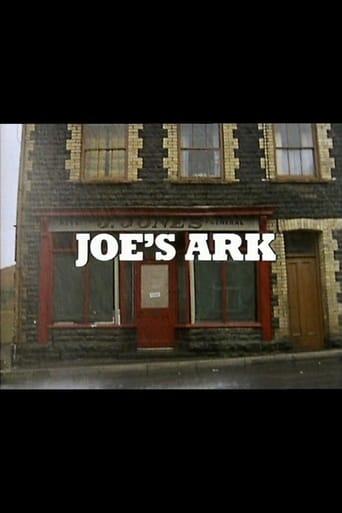
8.0The religious beliefs of pet shop owner Joe (Freddie Jones) are shaken by the terminal illness of his daughter Lucy (Angharad Rees). For Potter, this play "makes more than a wry nod at possibilities which can comprehend pain, or disgust, or the implacable presence of death itself."
Joe's Ark
1974
Miss Julie has a torrid, strange relationship with her servant, Jean.
Miss Julie
1965
 7.0
7.0A psychologist comes to believe that the acutely autistic 17-year-old girl that he has been attempting to treat is gifted with telepathic powers, and begins to exhaustively test her capabilities, enlisting the aid of a psychiatric colleague to impartially observe.
Double Echo
1976