
Acting
Marianne Gerzner
Known for
Acting
Credits
7 titles
Known for
 9.0
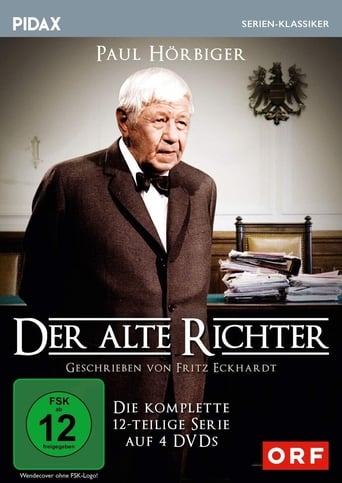
No synopsis available yet.
Der alte Richter
1969
 7.0
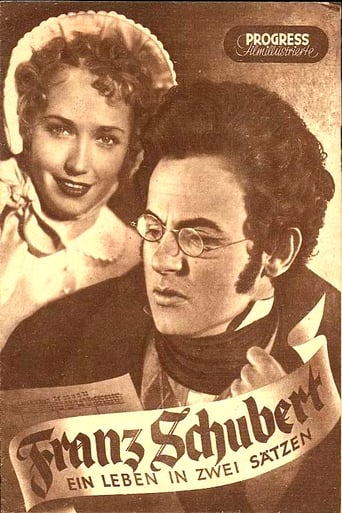
Franz Schubert toils by day as his father’s clerk while secretly composing in Beethoven’s shadow, gaining little recognition until friends persuade publisher Diabelli to host a public performance where he meets and falls for soprano Therese Grob. Abandoning a teaching career, he moves in with artist and poet friends, finds inspiration for the “Erlkönig,” and together with Therese sustains himself by performing his songs.
Franz Schubert – Ein Leben in zwei Sätzen
1953
 8.0
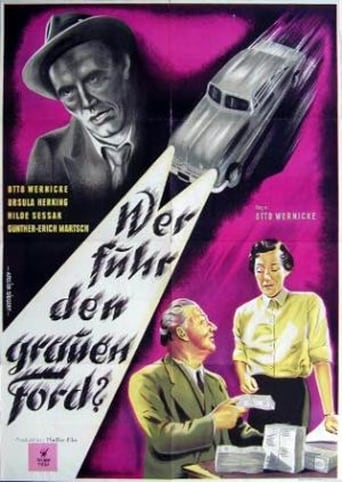
"Who Drove the Grey Ford?" ("Wer fuhr den grauen Ford?") is a 1950 West German crime film directed by Otto Wernicke, marking his only directorial effort, and starring Wernicke as Kriminalkommissar Thieme alongside Ursula Herking, Hilde Sessak, and Wolfgang Neuss. The movie was filmed at numerous original locations in post-war Mannheim. It draws directly from a real-life 1949 post office robbery in Mannheim, exploring the social dislocations of the era through a documentary-style depiction of petty crime and moral dilemmas among young survivors of World War II. The plot centers on three young men scraping by through car stunts and minor cons in the uncertain landscape of Nachkriegsdeutschland, where one sensitive outsider, Peter "Penny," seeks to leave the life behind for love but is coerced into participating in a high-stakes robbery of a money transport. The heist unfolds according to plan, but Penny's well-intentioned yet careless action alerts the police...
Who Drove the Grey Ford?
1950
 NR
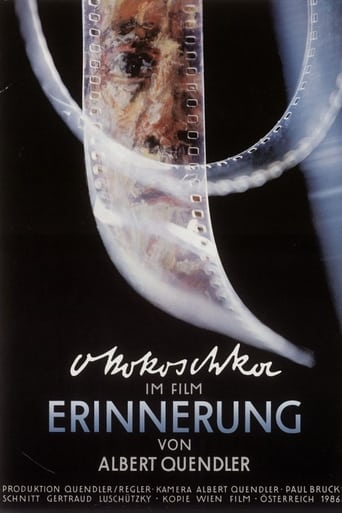
No synopsis available yet.
Erinnerung - ein Film mit Oskar Kokoschka
1986
 8.0
In the year 1970 several Austrian newspapers reported of Viennese people beating a homeless person to death because they thought he had stolen 50 Schilling. This story was the foundation for the play JESUS VON OTTAKRING which Pellert brought to the big screen in his directorial debut. A parable about intolerance in society.
Jesus of Ottakring
1976
 1.0
Else is the pretty daughter of a Viennese lawyer. The young lady has been invited by her aunt to spend a few days on a summer holiday in San Martino. There she receives an express letter from her mother requesting her to ask the wealthy art dealer Dorsday for a much-needed loan. Her father is facing bankruptcy due to embezzlement. Else approaches Dorsday and describes the difficult family situation. Dorsday is willing to lend the necessary money, but stipulates that Else must expose herself to him naked for a quarter of an hour. Else reacts indignantly to this request, but over the course of the evening realizes the dilemma she faces. Caught between unconditional loyalty to her father and a strong longing for autonomy and self-determined femininity, she cannot commit to either alternative.
Fräulein Else
1975
Film credits
1970s · 2 titles
8.0In the year 1970 several Austrian newspapers reported of Viennese people beating a homeless person to death because they thought he had stolen 50 Schilling. This story was the foundation for the play JESUS VON OTTAKRING which Pellert brought to the big screen in his directorial debut. A parable about intolerance in society.
Jesus of Ottakring
1976
1.0Else is the pretty daughter of a Viennese lawyer. The young lady has been invited by her aunt to spend a few days on a summer holiday in San Martino. There she receives an express letter from her mother requesting her to ask the wealthy art dealer Dorsday for a much-needed loan. Her father is facing bankruptcy due to embezzlement. Else approaches Dorsday and describes the difficult family situation. Dorsday is willing to lend the necessary money, but stipulates that Else must expose herself to him naked for a quarter of an hour. Else reacts indignantly to this request, but over the course of the evening realizes the dilemma she faces. Caught between unconditional loyalty to her father and a strong longing for autonomy and self-determined femininity, she cannot commit to either alternative.
Fräulein Else
1975

1950s · 2 titles
7.0Franz Schubert toils by day as his father’s clerk while secretly composing in Beethoven’s shadow, gaining little recognition until friends persuade publisher Diabelli to host a public performance where he meets and falls for soprano Therese Grob. Abandoning a teaching career, he moves in with artist and poet friends, finds inspiration for the “Erlkönig,” and together with Therese sustains himself by performing his songs.
Franz Schubert – Ein Leben in zwei Sätzen
1953
8.0"Who Drove the Grey Ford?" ("Wer fuhr den grauen Ford?") is a 1950 West German crime film directed by Otto Wernicke, marking his only directorial effort, and starring Wernicke as Kriminalkommissar Thieme alongside Ursula Herking, Hilde Sessak, and Wolfgang Neuss. The movie was filmed at numerous original locations in post-war Mannheim. It draws directly from a real-life 1949 post office robbery in Mannheim, exploring the social dislocations of the era through a documentary-style depiction of petty crime and moral dilemmas among young survivors of World War II. The plot centers on three young men scraping by through car stunts and minor cons in the uncertain landscape of Nachkriegsdeutschland, where one sensitive outsider, Peter "Penny," seeks to leave the life behind for love but is coerced into participating in a high-stakes robbery of a money transport. The heist unfolds according to plan, but Penny's well-intentioned yet careless action alerts the police...
Who Drove the Grey Ford?
1950