
Directing
Michel Nedjar
Born
1947-10-12 (79)
Place of birth
Soisy-sous-Montmorency, Val d'Oise, France
Known for
Directing
Credits
65 titles
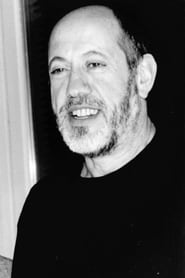
Master of Art Brut, Michel Nedjar was born in 1947 in the Val d'Oise to a Jewish family marked by war and the holocaust. His father, born in Algiers, settled in Paris in 1921 as a tailor. At home, he tinkered on a sewing machine doll clothes for his sisters. During the Second World War, a large part of his family fell victim to Nazi oppression. In 1960, he became aware of the magnitude of the Holocaust. At the age of fourteen, he enrolled in a vocational school to become a tailor and sells jeans with his flea grandfather from Saint-Ouen and accompanies his grandmother to the scrap fair; she makes him share his love for Shmattès (the worn cloth) that she picks up and stacks. In the spring of…
Known for
 10.0
10.0The tetralogy pieces are dominated by the concept and presence of death, foreclosure, fetal vertigo. As such, CRISTAUX is a real descent into an inner labyrinth, which we do not know if it is organic or cultural. At the same time, the film contains a dialectical break that initiates other semantic directions in Hernandez's work. Under the influence of Michel NEDJAR, the filmmaker abandons his traditional method of editing based on rushes. The operation is now completed inside the camera, filming. This more flexible way of proceeding ("the camera must become a second eye") is already reflected in the clear openings of Lacrima Christi: the Christian myth seems to be on the way to exorcising. The pantheistic intoxication - close to that evoked by Nietzsche - seizes places, objects and participants.
Cristaux
1978
 5.0
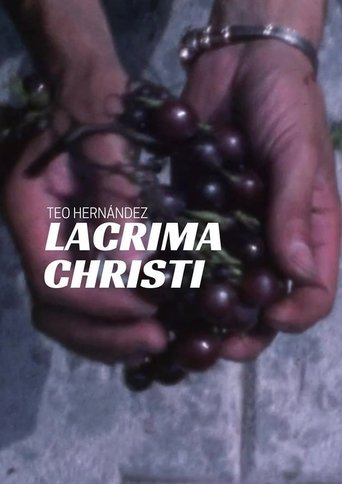
5.0Lacrima Christi is an exploration of the transfer between desire and myth that takes as its starting point a series of objects found in the flea market of Belleville.
Lacrima Christi
1980
 7.0
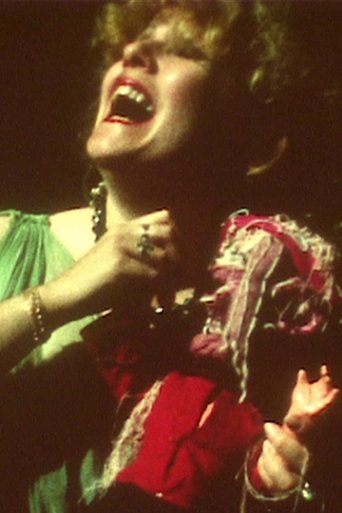
7.0With Esmeralda, Hernandez shifts to the romantic mythology, but this descriptive aspect is secondary in the filmmaker's work, whose purpose is the constitution, by interposed myths, of a baroque cinematographic language. From this point of view, he joins the approaches of other contemporary filmmakers like Bene or Schroeter. In Esmeralda, he introduces masks from his creation to work on the physical and not only the filmic material. But Hernandez adds to his series of aesthetic variations of "stock-shots" of war plans, desolations, genocides, which brutally fall within the visual framework of his film. The filmmaker thus points out the cracks that overflow the myth in its darkest areas: the historical and social reality that obsesses us, that terrorizes us every moment.
Esmeralda
1977
 NR
NRA single-screen version of the Portraits / Mirrors multi-projection. Featuring portraits of: Aloual, Gaël Badaud, Raphaël Bassan, Yann Beauvais, Jean-Michel Bouhours, Gérard Courant, Berndt Deprez, Bertrand Gadenne, Mythia Kolésar, Christian Lebrat, Stéphane Marti, Pascal Martin, Michel Nedjar, Dominique Noguez, Vivian Ostrovsky, Bernard Roué, Martine Rousset, Alain Sayag, Unglee, and Catherine Zbinden.
Portraits / Mirrors
1984
 NR
NRNo synopsis available yet.
Plus Venise
1990
 NR
NRFugitive images of the northwestern city of France.
Souvenirs/Rouen
1983
Film credits
1990s · 1 titles
1980s · 15 titles
5.0Lacrima Christi is an exploration of the transfer between desire and myth that takes as its starting point a series of objects found in the flea market of Belleville.
Lacrima Christi
1980
NRA single-screen version of the Portraits / Mirrors multi-projection. Featuring portraits of: Aloual, Gaël Badaud, Raphaël Bassan, Yann Beauvais, Jean-Michel Bouhours, Gérard Courant, Berndt Deprez, Bertrand Gadenne, Mythia Kolésar, Christian Lebrat, Stéphane Marti, Pascal Martin, Michel Nedjar, Dominique Noguez, Vivian Ostrovsky, Bernard Roué, Martine Rousset, Alain Sayag, Unglee, and Catherine Zbinden.
Portraits / Mirrors
1984
NRFugitive images of the northwestern city of France.
Souvenirs/Rouen
1983
 6.0
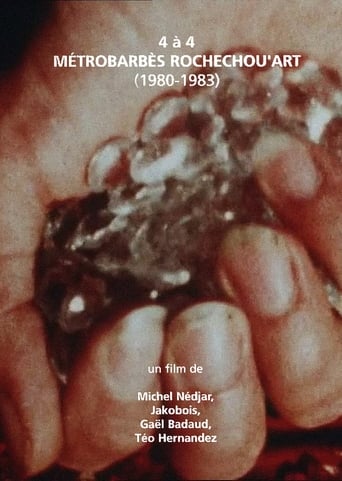
6.0In the early '80s, this collective of artists invented a style of cinema made in 4 hands, where each of the protagonists is also a filmmaker.
4 à 4 Métro-Barbès-Rochechou-Art
1983
 2.3
2.3The film Graal goes (as well as all the films which precede it) toward an open and avowed paganism, in which pagan force and magic imbue all the subjects at all times. (...) This is not about "the" Holy Grail and its legend but about the concept of the Grail, taken in a larger sense as a universal archetype: abbreviation, metaphor of the cosmos. In fact, achievement. That is what the Grail is: the achievement's completion.
Graal
1980
 NR
NREyes and ears travel discontinuously through everyday life and the sub-worlds of the city and the body. A fragmented and subjective day-to-day chronicle that outlines a recurring obsession for registering even the most ordinary things, where the least poetic aspects of life, that is to say, the most somber ones, become the eye’s filter.
Fragments
1987
 4.2
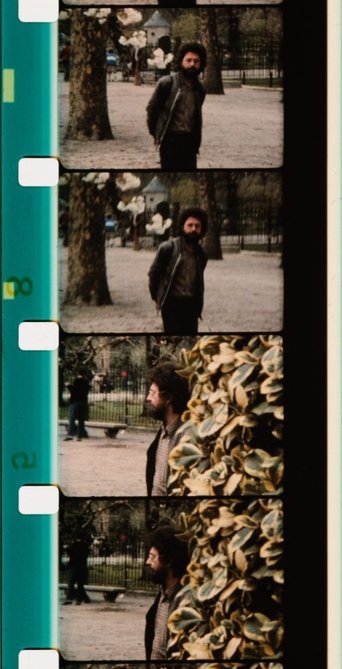
4.2No synopsis available yet.
Sur Graal de T.H.
1981
 NR
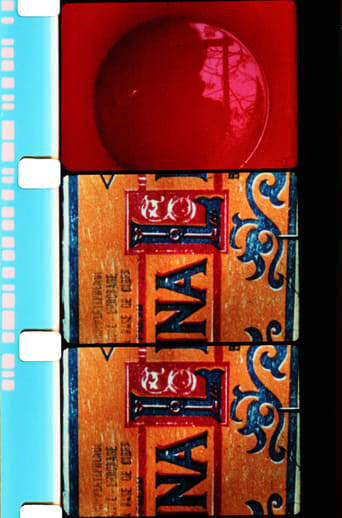
NRTeo Hernandez films waste and scrap found on the pavements of the streets of Paris. “Sidewalks are great subjects: garbage, objects and materials, stains, signs, are a movie subject.”
Mesures de miel et de lait sauvage
1984
 NR
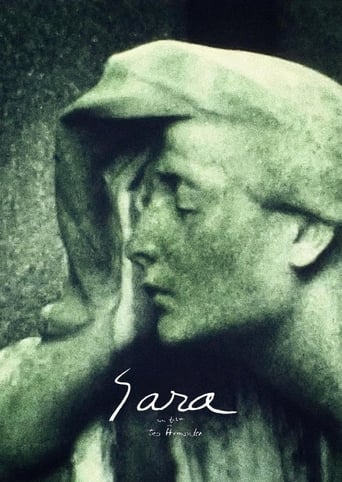
NRPortrait of the filmmaker's mother during her visit to Paris.
Sara
1981
 NR
NRChutes de Lacrima Christi is an 95‑minute experimental collage film assembled entirely from unused outtakes of Teo Hernández’s earlier work Lacrima Christi. Co‑created with Gaël Badaud between 1979 and 1980, it repurposes discarded Super 8 color footage into a series of non‑linear vignettes that fuse Christian myth with everyday imagery. Using the “chute” technique—physically gluing scraps of film into new sequences—the film explores the meeting of two cultures, Europe and America, and reveals dreamlike resonances in mundane moments. By reframing offcuts from the Passion tetralogy, Hernández invites viewers to discover hidden narratives and poetic meaning in material that was originally deemed surplus.
Chutes de Lacrima Christi
1984
 NR
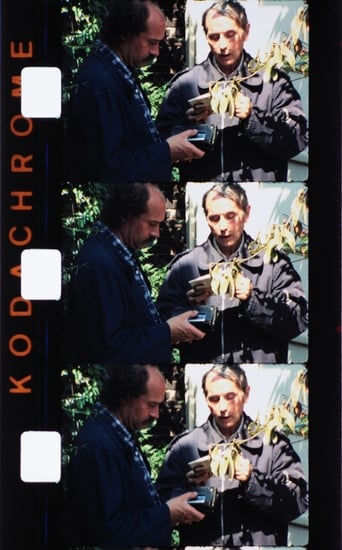
NRNo synopsis available yet.
Le chant de l'âme
1989
 NR
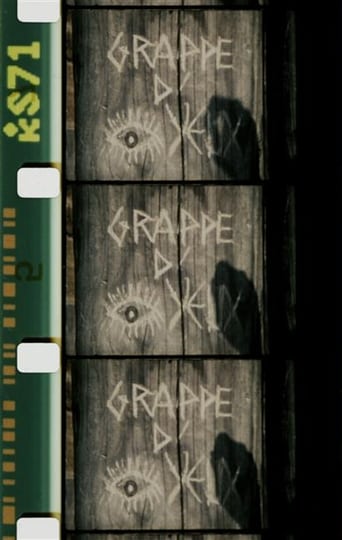
NRThrough the use of portraits, shadow play and reflections, this series of exercises with and from body language compose a "four-handed" look against the notion of authorship: a vindication of the community content (repressed?) in every image.
Bouquet of Eyes
1983
 NR
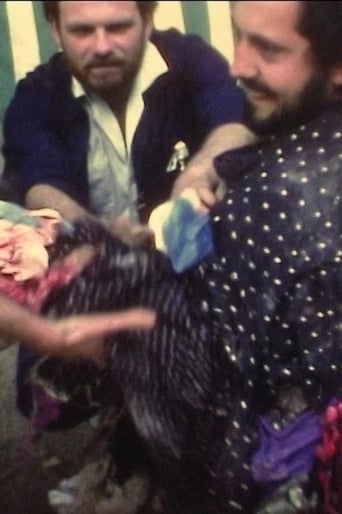
NROuttakes from the movie
Chutes de Michel Nedjar
1984
 NR
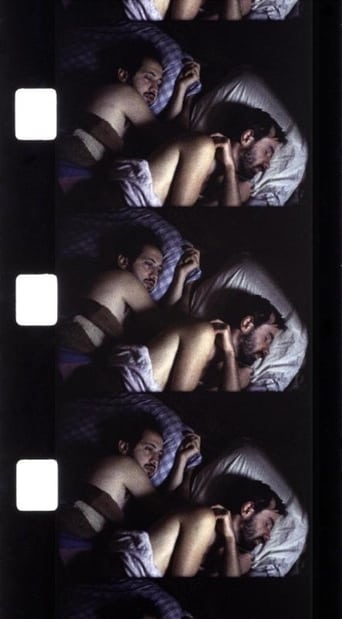
NROuttakes from the movie
Chutes de Pascal
1981
 NR
NRShort film by Teo Hernández.
Robillard André, Nedjar Michel
1986
1970s · 12 titles
10.0The tetralogy pieces are dominated by the concept and presence of death, foreclosure, fetal vertigo. As such, CRISTAUX is a real descent into an inner labyrinth, which we do not know if it is organic or cultural. At the same time, the film contains a dialectical break that initiates other semantic directions in Hernandez's work. Under the influence of Michel NEDJAR, the filmmaker abandons his traditional method of editing based on rushes. The operation is now completed inside the camera, filming. This more flexible way of proceeding ("the camera must become a second eye") is already reflected in the clear openings of Lacrima Christi: the Christian myth seems to be on the way to exorcising. The pantheistic intoxication - close to that evoked by Nietzsche - seizes places, objects and participants.
Cristaux
1978
7.0With Esmeralda, Hernandez shifts to the romantic mythology, but this descriptive aspect is secondary in the filmmaker's work, whose purpose is the constitution, by interposed myths, of a baroque cinematographic language. From this point of view, he joins the approaches of other contemporary filmmakers like Bene or Schroeter. In Esmeralda, he introduces masks from his creation to work on the physical and not only the filmic material. But Hernandez adds to his series of aesthetic variations of "stock-shots" of war plans, desolations, genocides, which brutally fall within the visual framework of his film. The filmmaker thus points out the cracks that overflow the myth in its darkest areas: the historical and social reality that obsesses us, that terrorizes us every moment.
Esmeralda
1977
 3.2
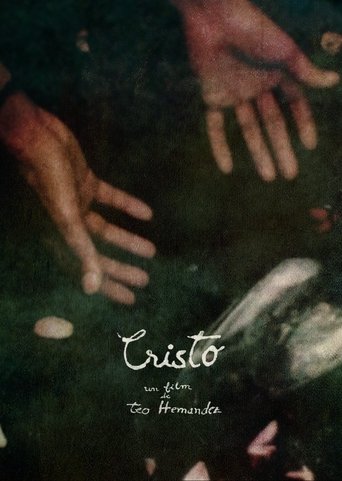
3.2All of history, that of Christ or any other, permeates the world, leaves its mark, modifying and informing history, and all that the human reproduces and creates. The best way for historical interpretation or literary adaptation is to move as far as possible from literal interpretation. That is, it is a contemporary and personal interpretation. The story of Christ is an archetypal story. It has modified and informed a morality and a vision of the human being in the West, it must be taken for what it is and what it has become: matter.
Cristo
1977
Reel 3 of Gérard Courant's on-going Cinematon series.
Cinématon III
1978
 4.9
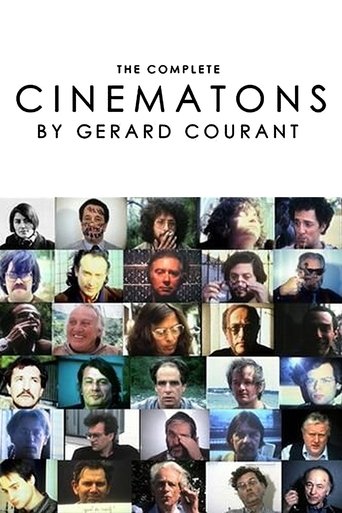
4.9Cinématon is a 156-hour long experimental film by French director Gérard Courant. It was the longest film ever released until 2011. Composed over 36 years from 1978 until 2006, it consists of a series of over 2,821 silent vignettes (cinématons), each 3 minutes and 25 seconds long, of various celebrities, artists, journalists and friends of the director, each doing whatever they want for the allotted time. Subjects of the film include directors Barbet Schroeder, Nagisa Oshima, Volker Schlöndorff, Ken Loach, Benjamin Cuq, Youssef Chahine, Wim Wenders, Joseph Losey, Jean-Luc Godard, Samuel Fuller and Terry Gilliam, chess grandmaster Joël Lautier, and actors Roberto Benigni, Stéphane Audran, Julie Delpy and Lesley Chatterley. Gilliam is featured eating a 100-franc note, while Fuller smokes a cigar. Courant's favourite subject was a 7-month-old baby. The film was screened in its then-entirety in Avignon in November 2009 and was screened in Redondo Beach, CA on April 9, 2010.
Cinématon
1978
 NR
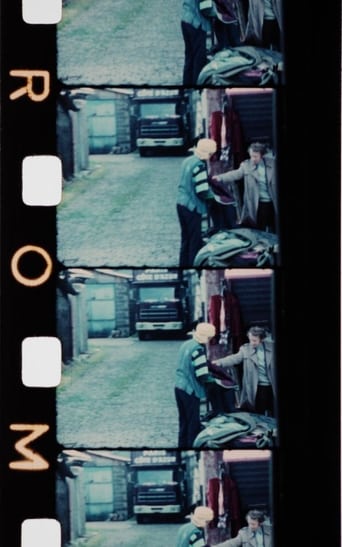
NRAn early Téo Hernandez film exploring the space of a garden. Shot in July 1970 in the Carlsberg Glyptotek garden in Copenhagen, Pause is a 8 mm black‑and‑white silent short in which Téo Hernández roams the museum garden, alternating tight close‑ups of bodies (hands, feet, faces) and textures with sculptures and vegetation; the camera’s halting, scanning movement turns the stroll into a study of matter, framing and rhythm. Featuring Michel Nedjar, Léon Pizano and Sheena Mark, the film dispenses with narration and treats the garden’s statuary and foliage as anchors for a tactile observation of bodies in space.
Pause
1970
 NR
NRNo synopsis available yet.
J'aime
1978
 NR
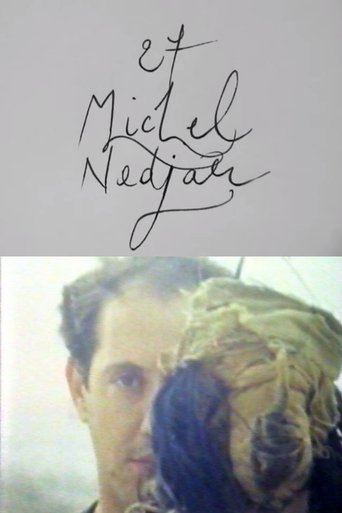
NRSplendid portrait of the artist Michel Nedjar making one of his dolls, which allows to fully follow the entire genesis of the act of creation.
Michel Nedjar
1978
 4.2
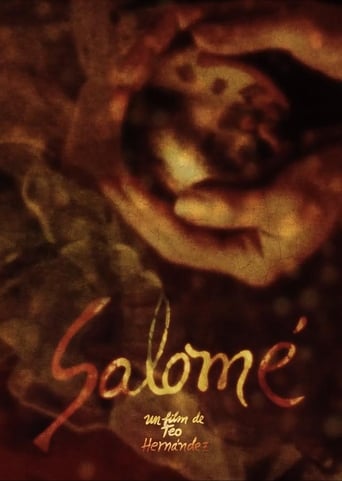
4.2A personal interpretation of Oscar Wilde Salome from three basic elements: the light, the color, and the projection speed.
Salomé
1976
 1.0
1.0The desert, the sea, someone. I meet Michel Nedjar; together we went to the south of Morocco. There, a movie begins to take shape and develops as our journey continues. This is Michel là-bas.
Michel Over There
1970
 NR
NRNo synopsis available yet.
Cinématon n°27 : Michel Nedjar
1978
 NR
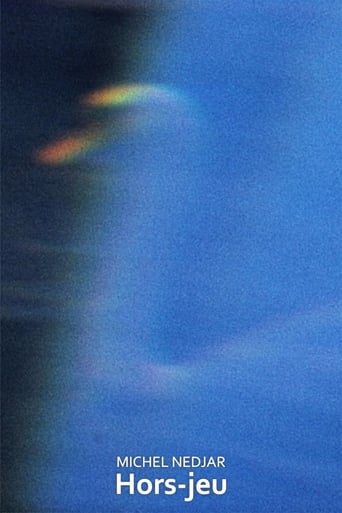
NRAs this title indicates, the rule of the game is random. The protagonist invites us to play rhythmic palpitations of radio parasites and broken images.
Hors-jeu
1979
Behind the camera
NRNo synopsis available yet.
Plus Venise
1990
 1.0
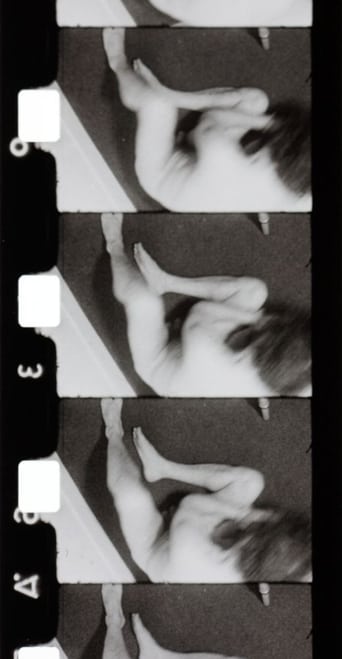
1.0"ANGLE, with its brief black and white shots, almost always plunging and oblique, of naked bodies or parts of bodies, is a film of rupture. Punctuations of black primers break up the filmic continuity, isolating snapshots or brief furtive movements: the body rolling over itself, colliding with the other or falling (these terrible falls, as sharp as a fainting spell, like that of the hero of The Andalusian Dog, whose hand, as he falls, brushes for a moment against the naked back of a beautiful, insensitive woman, and which is, it seems to me, the most striking representation of the link between passion in love and death that can be given). Often these movements are repeated and the actors seem to be the descendants of Muybridge's bonshommes lost in a white room. At the end - this is the longest shot in the film - in a corner of the room, one of the two actors remains crouched, hiding his eyes in his hands. Then the corner reappears, empty."
Angle
1978
6.0In the early '80s, this collective of artists invented a style of cinema made in 4 hands, where each of the protagonists is also a filmmaker.
4 à 4 Métro-Barbès-Rochechou-Art
1983
4.2No synopsis available yet.
Sur Graal de T.H.
1981
 NR
NRNo synopsis available yet.
Désir
1977
 NR
NRThis film is the most "plastic", the most "actionist" of Nedjar: it is his In contextus or his Double Labyrinth. Except that here - a single actor filmed in close-up on a plain black background. Nedjar "wiggles" his camera, with Gaël Badaud manipulating a green net or a mirror, wearing a gas mask or covering his head with a red-skinned knit like a bloody balaclava, he inaugurates a search for luminous calligraphies that will soon be shared with Teo Hernandez.-- Dominique Noguez.
Gestuel
1978
 NR
NRNo synopsis available yet.
Teo
1978
 NR
NROuttakes from the movie
Chutes de 4 à 4 Métro-Barbès-Rochechou-Art
1983
 1.7
1.7Exploration of bodies. Point, counterpoint. A black glove goes in search of a red glove.
Le gant de l'autre
1977
 1.0
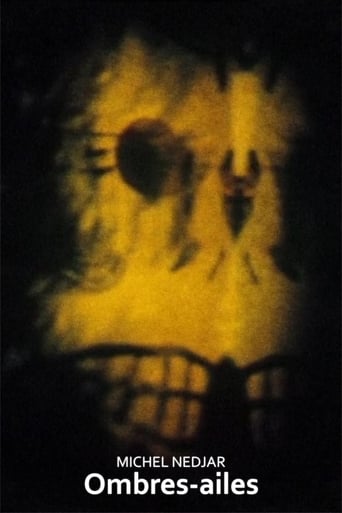
1.0A nocturnal "offside". Pascal Martin and the celluloid bather summon us to a strange magical rite that refers to the ambiguous games of childhood.
Ombres-ailes
1980
 NR
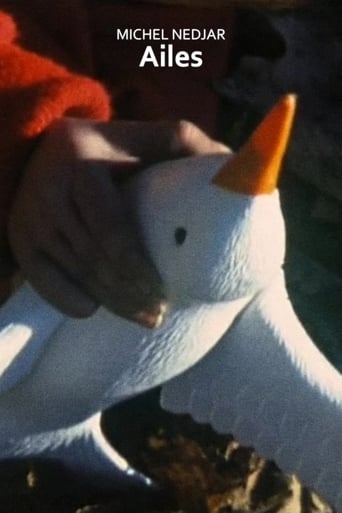
NRWings white, she's red, wings scream, she sings, wings fly, she moans, wings rise, she hides, wings move, she teaches me. Leila, night name, exhumates my childhood memories and introduces me to the marvelous.
Ailes
1979
NRThrough the use of portraits, shadow play and reflections, this series of exercises with and from body language compose a "four-handed" look against the notion of authorship: a vindication of the community content (repressed?) in every image.
Bouquet of Eyes
1983
 NR
NR"In this swirling and colorful hymn to Paris, a kind of new Symphony - but jazzed up - of a big city, we find the almost ethnological attention to others, the work of concrete sound. In just over an hour, condensing almost a year of filming in Paris, we get the impression of a single day of sunshine, a continuous kaleidoscope in the most diverse city in the world. The novelty is the attention to detail, which earned us, right in the middle of a series of sweeps, capsizes, Mathieu-style calligraphy, veritable little Gnoli-style paintings: a woman's shoe, a sweater button, or still lifes, in the cubist way, graphic elements: such and such of the thousand and prescriptions that populate the streets. This film thus takes its place at the forefront of all thosewho celebrate the capital today. Weaving together so many "energies", making the disparate elements communicate, it is the most complete, the most beautiful of Michel Nedjar's filmic works." - Dominique Nogues.
Capitale-paysage
1983
 1.0
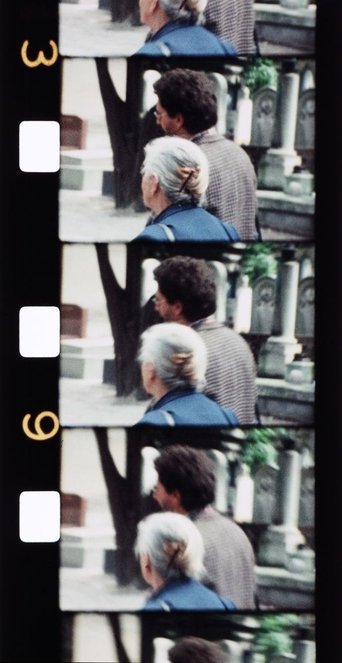
1.0An autobiographical film that orchestrates the fragments of Michel Nedjar's life, to compose an architecture. The family films shot by his father, pieces of Michel's first films shot in the Balearic Islands and in Athens, contemporary images with Teo Hernandez, to stolen dialogues between his mother and and his aunt, recorded without their knowledge. The author is the spider, at the center of a device that allows him to survive: he has woven the threads of his own web and is now in control of his personal situation.
À quoi rêve l'araignée ?
1982
 NR
NRNo synopsis available yet.
Sara/Teo
1980
 1.0
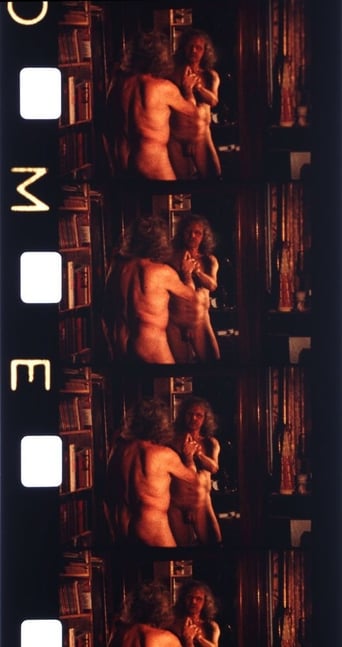
1.0A sexagenarian transvestite in his room, confronted with his fantasies and his solitude.
La tasse
1977
NRAs this title indicates, the rule of the game is random. The protagonist invites us to play rhythmic palpitations of radio parasites and broken images.
Hors-jeu
1979
 NR
NRNo synopsis available yet.
Monsieur Loulou
1981
 NR
NRNo synopsis available yet.
Une journée avec Pascal Martin et André Robillard
1985
 NR
NRNo synopsis available yet.
Malik
1977
 NR
NRNo synopsis available yet.
Chantilly/Sarah (journal septembre 85)
1985
 NR
NRNo synopsis available yet.
Diaph limite 1,2 Posture d'exil
1983
 NR
NRNo synopsis available yet.
Une journée avec les Cantrill
1985
 NR
NRNo synopsis available yet.
Le grain de la peau
1980
No synopsis available yet.
Chutes de Capitale-paysage
1982
 NR
NRNo synopsis available yet.
Signaux lumineux pour un ballet nuptial
1983
No synopsis available yet.
Le grain de la peau / Streap tease
1986
No synopsis available yet.
Chutes de Ombres-ailes
1980
No synopsis available yet.
Journal à durée indéterminée
1980
 NR
NRNo synopsis available yet.
Journal de Michel Nedjar (août 85)
1985
 NR
NR"The nocturnal animal life in the dark ... There you go. Here is what put the flea in my ear or rather the flea in the eye ... In almost absolute darkness, I film what I do not see, I am guided and, carried because I hear ... I FILM - I FLY - I PLAY ..." -Michel Nedjar, 23 Nov 2003
Black Room Revealed
2003
 NR
NRDiary video work by Michel Nedjar.
Bouche D'Oeil
2001
No synopsis available yet.
Chutes de Hors-jeu
1979
Black room revealed
Black room révélée
2003
Black room revealed
Black room révélée
2003