
Writing
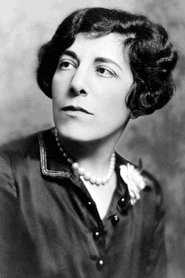
Edna Ferber
Born — Died
1885-08-15 — 1968-04-16
Place of birth
Kalamazoo, Michigan, USA
Known for
Writing
Credits
6 titles
Edna Ferber (August 15, 1885 – April 16, 1968) was an American novelist, short story writer and playwright. Her novels include the Pulitzer Prize-winning So Big (1924), Show Boat (1926; made into the celebrated 1927 musical), Cimarron (1930; adapted into the 1931 film which won the Academy Award for Best Picture), Giant (1952; made into the 1956 film of the same name) and Ice Palace (1958), which also received a film adaptation in 1960. She helped adapt her short story "Old Man Minick", published in 1922, into a play (Minick) and it was thrice adapted to film, in 1925 as the silent film Welcome Home, in 1932 as The Expert, and in 1939 as No Place to Go. From Wikipedia.
Known for
 6.5
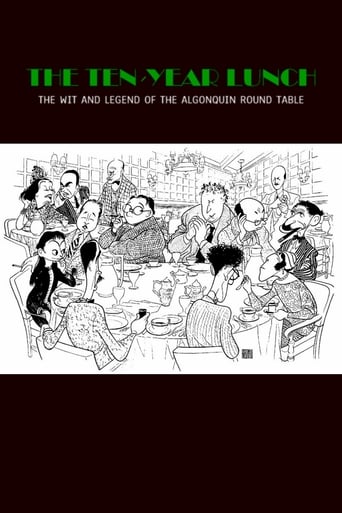
6.5The story of the legendary wits who lunched daily at the Algonquin Hotel in New York City during the 1920s. The core of the so-called Round Table group included short story and poetry writer Dorothy Parker; comic actor and writer Robert Benchley; The New Yorker founder Harold Ross; columnist and social reformer Heywood Broun; critic Alexander Woollcott; and playwrights George S. Kaufman, Marc Connelly, Edna Ferber and Robert Sherwood.
The Ten-Year Lunch
1987
 8.0
8.0George S. Kaufman and Edna Ferber collaborated on this 1927 hit comedy about an eminent and slightly eccentric theatrical clan. A Barrymore-like brood, the Cavendishes are as flamboyant offstage as they are on. Their real-life family drama occurs in a Manhattan apartment when the grand matriarch, Fanny Cavendish, learns that her daughter and granddaughter may both be giving up the stage for marriage. Theatre legends Rosemary Harris, Eva LeGallienne, Sam Levene and Ellis Rabb have great fun portraying characters they know all too well from their years on stage.
The Royal Family
1977
 6.8
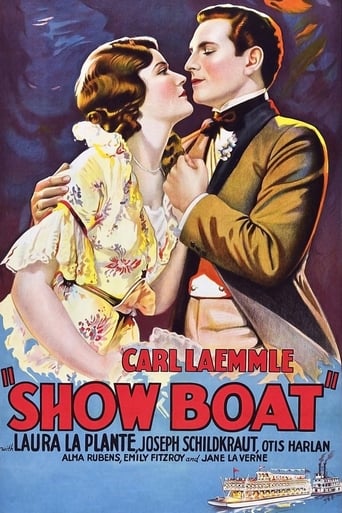
6.8This film sticks very closely to the Edna Ferber novel, rather than the musical based on the novel. There are only two major changes from Ferber's book : *Julie in this version is a white woman, not a racially mixed one; therefore she and her husband are not unlawfully married. * Ravenal returns at the end, instead of dying as in the novel
Show Boat
1929
 4.2
4.2An ambitious chorus girl finds fame, marriage, and motherhood with a talented composer, only to leave him for a handsome singer.
Glamour
1934
A stage-actress mother and her daughter in a battle-of-wills in a "don't do this, daughter" and "don't do that, daughter" story of youthful folly and over-zealous parental devotion.
Mother Knows Best
1928
 NR
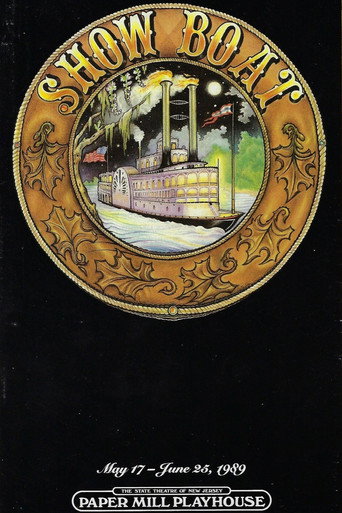
NRA stage production of the classic musical, videotaped in front of a live audience at the Paper Mill Playhouse, New Jersey.
Show Boat
1989
Film credits
Behind the camera
8.0George S. Kaufman and Edna Ferber collaborated on this 1927 hit comedy about an eminent and slightly eccentric theatrical clan. A Barrymore-like brood, the Cavendishes are as flamboyant offstage as they are on. Their real-life family drama occurs in a Manhattan apartment when the grand matriarch, Fanny Cavendish, learns that her daughter and granddaughter may both be giving up the stage for marriage. Theatre legends Rosemary Harris, Eva LeGallienne, Sam Levene and Ellis Rabb have great fun portraying characters they know all too well from their years on stage.
The Royal Family
1977
6.8This film sticks very closely to the Edna Ferber novel, rather than the musical based on the novel. There are only two major changes from Ferber's book : *Julie in this version is a white woman, not a racially mixed one; therefore she and her husband are not unlawfully married. * Ravenal returns at the end, instead of dying as in the novel
Show Boat
1929
4.2An ambitious chorus girl finds fame, marriage, and motherhood with a talented composer, only to leave him for a handsome singer.
Glamour
1934
A stage-actress mother and her daughter in a battle-of-wills in a "don't do this, daughter" and "don't do that, daughter" story of youthful folly and over-zealous parental devotion.
Mother Knows Best
1928
NRA stage production of the classic musical, videotaped in front of a live audience at the Paper Mill Playhouse, New Jersey.
Show Boat
1989