
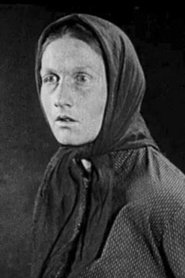
Acting
Ursula Krug
Born — Died
1896-04-22 — 1942-01-13
Known for
Acting
Credits
11 titles
Known for
Lost movie.
Wind in the Face
1930
 8.5
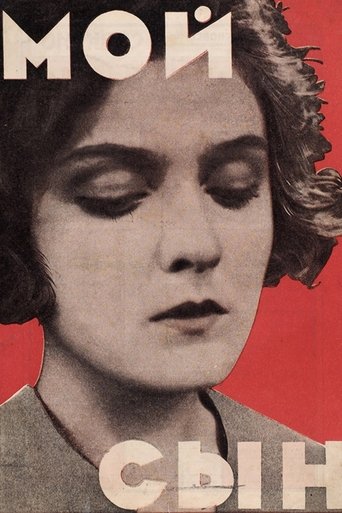
8.5A man discovers that he's not the father of his wife's baby.
My Son
1928
 NR
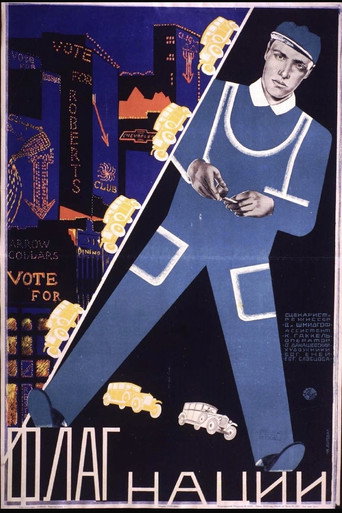
NRIn the United States, oil magnate Johnston backs Roberts, a ruthless political candidate who has his main rival murdered and rises to the governorship. When journalist Jack Lawrence exposes Roberts’s corruption, the authorities crush a workers’ strike and silence the newspaper, ultimately framing Lawrence for murder and executing him.
Flag of the Nation
1929
 5.7
5.7Director Frederick Ermler’s last silent feature and the last of four collaborations with actor Fiodor Nikitin. Nikitin plays an officer who spends a decade after the Great War as a shell-shocked amnesiac, until a glimpse of a woman through a train window sparks the return of his memory. He makes his way back to St. Petersburg, now Leningrad, a man out of time who struggles to make sense of the new society brought about by the revolution.
Fragment of an Empire
1929
Story of the class struggle in Germany and the participation of workers' children in it. Lost movie.
Fritz Bauer
1930
 9.5
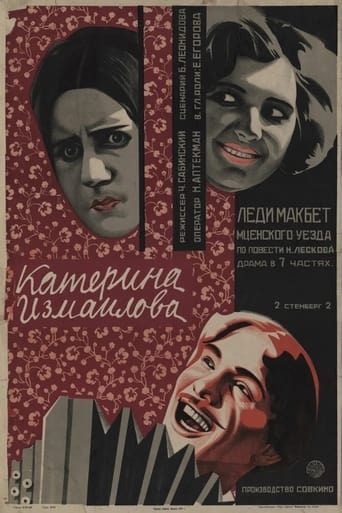
9.5Katerina murders her husband and her father-in-law. She and her new beau are both sent to Siberia, where the lover almost immediately takes up with a younger woman.
Katerina Izmailova
1926
Film credits
1930s · 3 titles
Lost movie.
Wind in the Face
1930
Story of the class struggle in Germany and the participation of workers' children in it. Lost movie.
Fritz Bauer
1930
 7.0
7.0Biographical film "Youth of the poet", dedicated to Pushkin-Lyceum student. At the 1937 world exhibition in Paris, the film was awarded a gold medal. The Director managed to accurately recreate the historic era, to convey the atmosphere of the Tsarskoye Selo Lyceum in the years of the formation of the poetic genius of Pushkin.
Youth of the Poet
1937
1920s · 8 titles
8.5A man discovers that he's not the father of his wife's baby.
My Son
1928
NRIn the United States, oil magnate Johnston backs Roberts, a ruthless political candidate who has his main rival murdered and rises to the governorship. When journalist Jack Lawrence exposes Roberts’s corruption, the authorities crush a workers’ strike and silence the newspaper, ultimately framing Lawrence for murder and executing him.
Flag of the Nation
1929
5.7Director Frederick Ermler’s last silent feature and the last of four collaborations with actor Fiodor Nikitin. Nikitin plays an officer who spends a decade after the Great War as a shell-shocked amnesiac, until a glimpse of a woman through a train window sparks the return of his memory. He makes his way back to St. Petersburg, now Leningrad, a man out of time who struggles to make sense of the new society brought about by the revolution.
Fragment of an Empire
1929
9.5Katerina murders her husband and her father-in-law. She and her new beau are both sent to Siberia, where the lover almost immediately takes up with a younger woman.
Katerina Izmailova
1926
Partially lost.
The Comediant Girl
1923
 NR
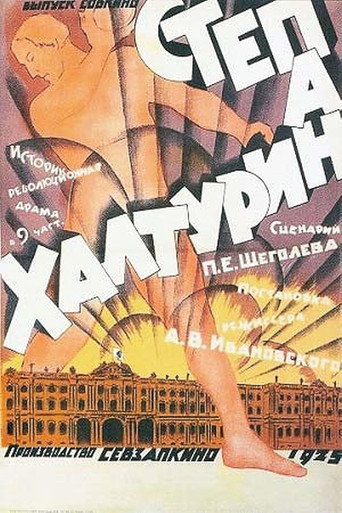
NRThe film depicts the life of Stepan Khalturin, a 19th-century Russian worker and revolutionary terrorist belonging to the Narodnaya Volya (People's Will) organization.
Stepan Khalturin
1925
 8.0
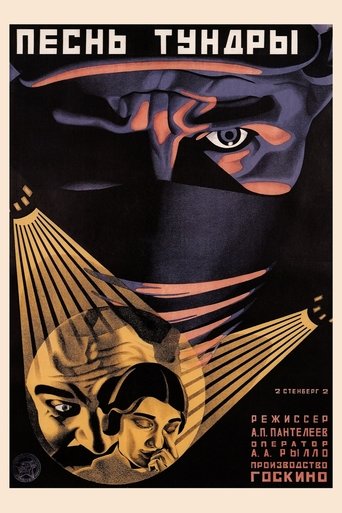
8.0About the participation of the exiled Russian revolutionary in the struggle of the Sami against the arbitrariness of the tsarist police and predatory merchants. Lost movie.
The Tundra Song
1926
On the powerless position of peasant women in pre-revolutionary Russia. Marisha, a village girl, is in love with the coachman Yakov. Marisha’s father, a wealthy peasant, refuses to consent to his daughter’s marriage. The lovers are forced to meet in secret. Soon Marisha gives birth to a child, and the coachman abandons his beloved. Harassed by the villagers, Marisha throws herself and her son into the river. Lost film. The title is taken from the first stanza of Russian poet's Nikolay Nekrasov's poem, titled "The village harvest is in full swing..."
O you—Russian fate, a woman’s lot!
1922