
Directing
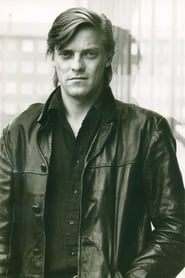
Jösta Hagelbäck
Born — Died
1945-10-13 — 2009-10-23
Place of birth
Kolsva, Västmanlands län, Sweden
Known for
Directing
Credits
14 titles
Jösta Hagelbäck, born Nils Gösta Hagelbäck, was a Swedish film-director, writer, actor, poet, artist and musician. Studied the film directing program at the Dramatic Institute, Stockholm, in the 70's. Jösta Hagelbäck was considered an offbeat and gifted artist. An invitation to Hollywood took hom nowhere. But the feature film "Kejsaren/The Emperor" (1979) did. He directed a number of feature films, documentaries, music videos and television productions. The cinematographer Thomas Ljungqvist made in 2005 the award-winning documentary film about Jösta Hagelbäck called "Desperadon från Kolsva".
Known for
 8.0
"Crocodile tears" - Fellowship is replaced by suspicion and hatred in a Stockholm suburb. Wheelchair-bound retiree Hugo lives with his wife and his mentally unstable son.
Gråtvalsen
1983
 NR
The Swedish IB (Information Bureau) agents Henry Malm and Richard Ramberg travel to the Finnish-Russian border in order to receive a KGB agent who wants to defect.
Henry's Shadow
1986
 7.0
Mania is a new employee at a mental hospital, where she meets a young man with mutism. He gets her to realize that it is a fluid boundary between being healthy and being regarded as sick.
Near and Far Away
1976
Director Jösta Hagelbäck speaks on the importance of Werner Herzog.
Jösta Hagelbäck & Werner Herzog
—
 9.0
The Swedish IB (Information Bureau) agents Henry Malm and Richard Ramberg travel to the Finnish-Russian border in order to receive a KGB agent who wants to defect.
Henry's Shadow
1986
 NR
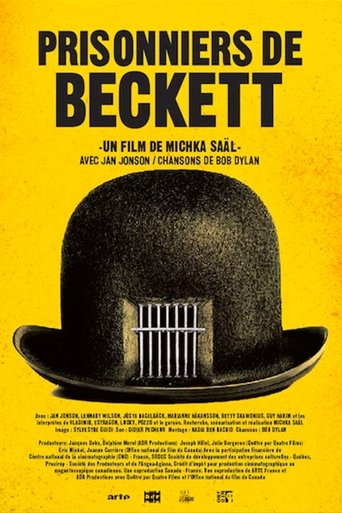
The meeting of two worlds that never met. One of poetry and freedom, and the other of silence and darkness. A story that begins in a maximum security prison in Sweden where a young actor, Jan Jönson, decides to stage " Waiting for Godot "with five prisoners as actors.
Prisoners of Beckett
2005
Film credits
2000s · 2 titles
NRThe meeting of two worlds that never met. One of poetry and freedom, and the other of silence and darkness. A story that begins in a maximum security prison in Sweden where a young actor, Jan Jönson, decides to stage " Waiting for Godot "with five prisoners as actors.
Prisoners of Beckett
2005
 NR
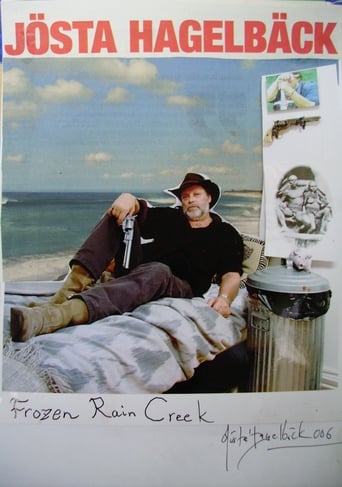
About Jösta Hagelbäck (1945-2009), Swedish film director, writer, poet, musician, actor etc. A human bipolar mixture of genius and madman. Invited to Hollywood, had an artistic hit with the film "Kejsaren/The Emperor" (1979) at the Berlin Film Festival.
The Desperado from Kolsva
2004
1980s · 3 titles
9.0The Swedish IB (Information Bureau) agents Henry Malm and Richard Ramberg travel to the Finnish-Russian border in order to receive a KGB agent who wants to defect.
Henry's Shadow
1986
 NR
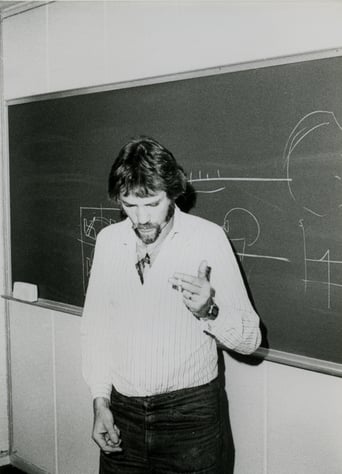
Based on the conversations Jösta Hagelbäck and Erik Ostlund had with Lars Kristiansson, a professor of information theory with data communication at Chalmers University in Gothenburg, Sweden. The talks took place at the difficult cancer sufferer Kristiansson's sick-bed and dealt with his insights in computer technology, his hopes and fears for the new technology, the role of religion, the history of mathematics, reasoning about algebra, analytic geometry and the fourth dimension, along with cultural outlooks over the Western society's lack of mysticism and spiritual values.
Illustrated conversation with Professor Lars Kristiansson
1985
 8.0
A film crew travels out in a future Europe to make a documentary about the birds and threats to the ecological contexts. The motto of the film has been downloaded from the Indian chief, Chief Seattle's famous words from 1855; "You can not sell the sky, and everything that affects the Earth affect the humans".
Venus 90
1988
Series credits
Behind the camera
8.0"Crocodile tears" - Fellowship is replaced by suspicion and hatred in a Stockholm suburb. Wheelchair-bound retiree Hugo lives with his wife and his mentally unstable son.
Gråtvalsen
1983
8.0"Crocodile tears" - Fellowship is replaced by suspicion and hatred in a Stockholm suburb. Wheelchair-bound retiree Hugo lives with his wife and his mentally unstable son.
Gråtvalsen
1983
 9.0
Before World War II, Swedish workers had to deal with low wages, scarce work, and the extensive importation of foreign labor, particularly for the purpose of breaking strikes. This did not make foreigners of any stripe very popular, and those from "guest worker" countries were particularly disliked. In this film, set in 1938, a half-Polish boy goes to Poland in search of his mother, runs into financial and psychological difficulties there, and is sent back to a Swedish mental hospital. In another story, an unfortunate woman suffers a miscarriage and ends up at the asylum where the Polish boy is being kept.
Kejsaren
1979
9.0Before World War II, Swedish workers had to deal with low wages, scarce work, and the extensive importation of foreign labor, particularly for the purpose of breaking strikes. This did not make foreigners of any stripe very popular, and those from "guest worker" countries were particularly disliked. In this film, set in 1938, a half-Polish boy goes to Poland in search of his mother, runs into financial and psychological difficulties there, and is sent back to a Swedish mental hospital. In another story, an unfortunate woman suffers a miscarriage and ends up at the asylum where the Polish boy is being kept.
Kejsaren
1979
NRBased on the conversations Jösta Hagelbäck and Erik Ostlund had with Lars Kristiansson, a professor of information theory with data communication at Chalmers University in Gothenburg, Sweden. The talks took place at the difficult cancer sufferer Kristiansson's sick-bed and dealt with his insights in computer technology, his hopes and fears for the new technology, the role of religion, the history of mathematics, reasoning about algebra, analytic geometry and the fourth dimension, along with cultural outlooks over the Western society's lack of mysticism and spiritual values.
Illustrated conversation with Professor Lars Kristiansson
1985
8.0A film crew travels out in a future Europe to make a documentary about the birds and threats to the ecological contexts. The motto of the film has been downloaded from the Indian chief, Chief Seattle's famous words from 1855; "You can not sell the sky, and everything that affects the Earth affect the humans".
Venus 90
1988