
Production
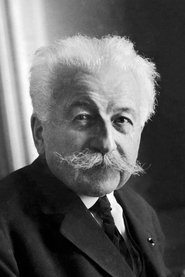
Auguste Lumière
Born — Died
1862-10-19 — 1954-04-10
Place of birth
Besançon, Doubs, France
Known for
Production
Credits
51 titles
Auguste Lumière (1862–1954) was a French engineer, industrialist, biologist, and illusionist. In 1894 and 1895, he and his brother Louis invented an animated photographic camera and projection device, the cinematograph, which met with worldwide success.
Known for
Produced for television by Claude-Jean Philippe, the « Encyclopédie audiovisuelle du cinéma », recounts the history of French cinema from its birth to the beginning of the 1960s. With commentary read by Jean Rochefort.
Encyclopédie audiovisuelle du cinéma
1978
 7.1
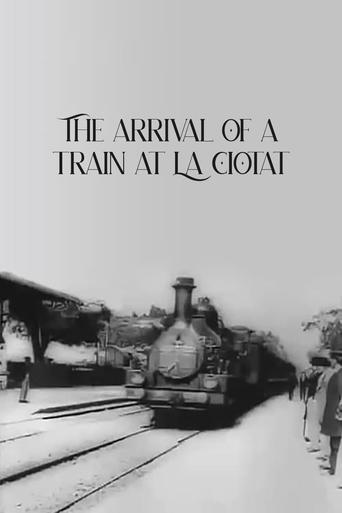
7.1A group of people are standing along the platform of a railway station in La Ciotat, waiting for a train. One is seen coming, at some distance, and eventually stops at the platform. Doors of the railway-cars open and attendants help passengers off and on. Popular legend has it that, when this film was shown, the first-night audience fled the café in terror, fearing being run over by the "approaching" train. This legend has since been identified as promotional embellishment, though there is evidence to suggest that people were astounded at the capabilities of the Lumières' cinématographe.
The Arrival of a Train at La Ciotat
1896
 5.0
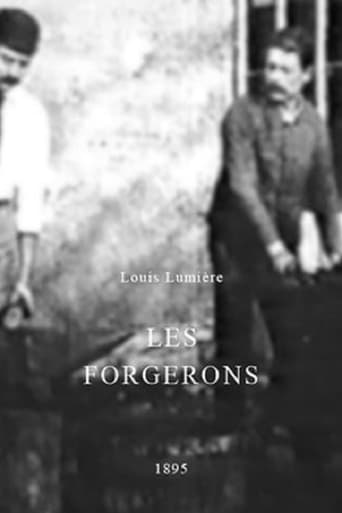
5.0While his aide continuously turns the handle of the bellows, keeping hot a small furnace in front of him, a blacksmith is pounding a piece of metal on an anvil, then plunges the shaft into a tub of water, causing a cloud of vapor in the process.
Blacksmiths
1895
 6.7
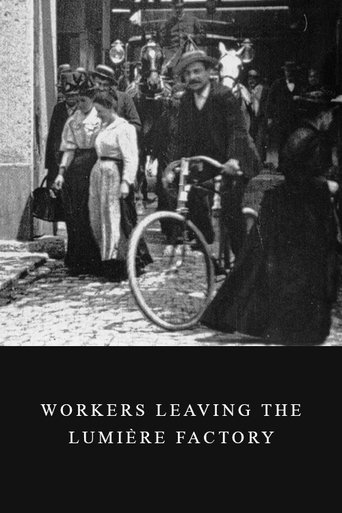
6.7“The workers leave the Lumière factory.” Workers pass through the gate of the Lumière factory and are followed by a carriage drawn by two horses.
Workers Leaving the Lumière Factory
1895
 6.3
6.3Passers-by on a street market in Marseille.
Marché
1896
 NR
NRGroups of men and women, parading in Interlaken, Switzerland, some of them carrying banners.
Procession, I
1897
Film credits
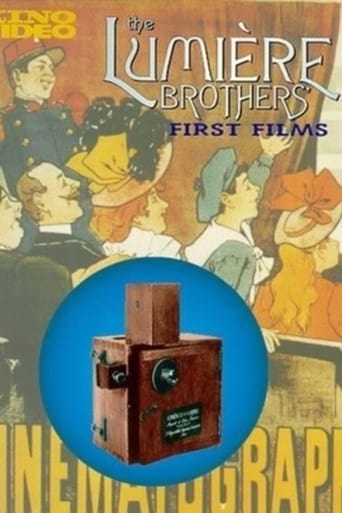


1890s · 7 titles
 5.6
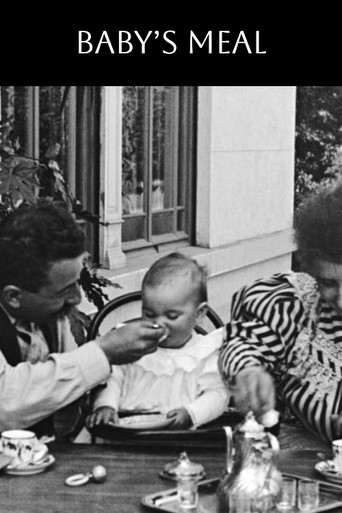
5.6A dad feeds his lunch to a baby.
Baby's Meal
1895
 5.7
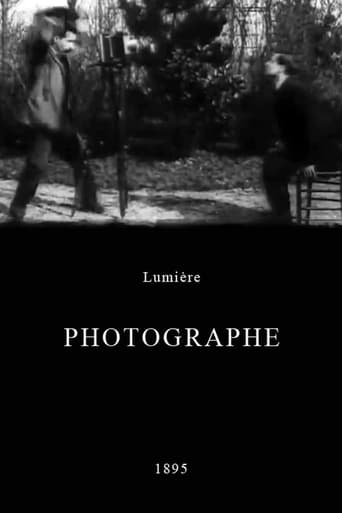
5.7A photographer has his camera all set up to take a gentleman's picture. The subject checks his face in a hand mirror, and the photographer poses him. Just as the photographer is about to take the picture, the subject gets up to look at the camera more closely. The frustrated photographer soon becomes quite impatient.
Photograph
1895
 5.3
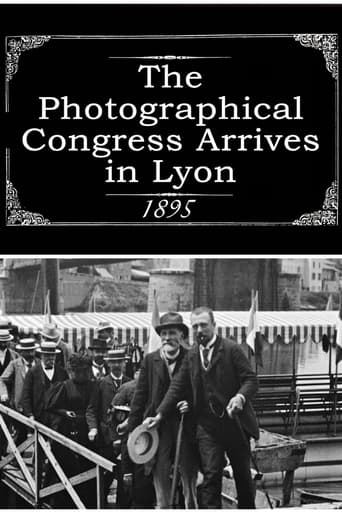
5.3Down the gangway, photographers leave the deck of a riverboat in large numbers.
The Photographical Congress Arrives in Lyon
1895
 4.9
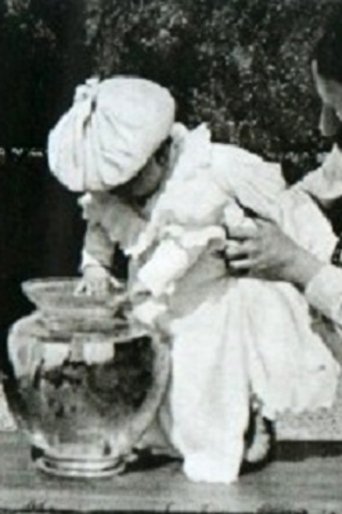
4.9A man, holding a baby up in his hands, is standing next to a fishbowl. The baby is trying, in vain, to catch a goldfish with her bare hands.
Fishing for Goldfish
1895
 6.2
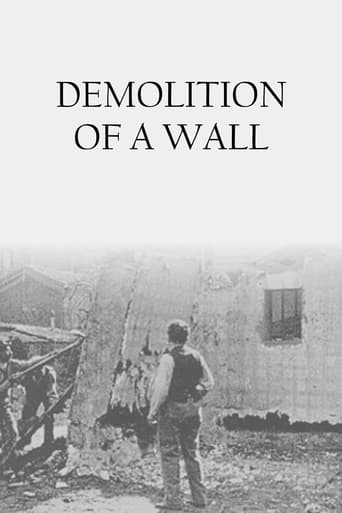
6.2“The scene depicts the collapse of a section of wall in a factory.” Three workers demolish a wall in the presence of Auguste Lumière.
Demolition of a Wall
1896
 5.3
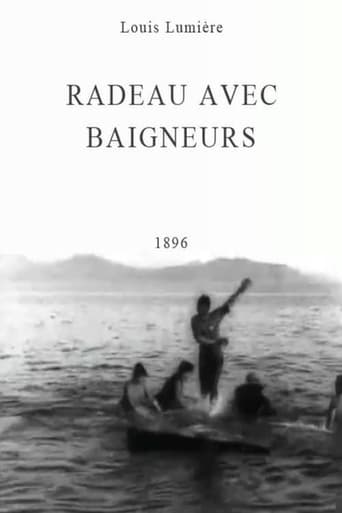
5.3Young people dive into the sea by jumping off a manmade wooden raft, while a small boat loaded with passengers passes by.
Raft with Bathers
1896
 4.8
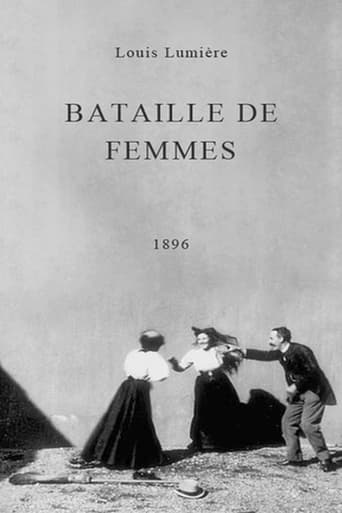
4.8A quarrel between two women that a man attempts to separate.
Women Fighting
1896
Series credits
Behind the camera
7.1A group of people are standing along the platform of a railway station in La Ciotat, waiting for a train. One is seen coming, at some distance, and eventually stops at the platform. Doors of the railway-cars open and attendants help passengers off and on. Popular legend has it that, when this film was shown, the first-night audience fled the café in terror, fearing being run over by the "approaching" train. This legend has since been identified as promotional embellishment, though there is evidence to suggest that people were astounded at the capabilities of the Lumières' cinématographe.
The Arrival of a Train at La Ciotat
1896
7.1A group of people are standing along the platform of a railway station in La Ciotat, waiting for a train. One is seen coming, at some distance, and eventually stops at the platform. Doors of the railway-cars open and attendants help passengers off and on. Popular legend has it that, when this film was shown, the first-night audience fled the café in terror, fearing being run over by the "approaching" train. This legend has since been identified as promotional embellishment, though there is evidence to suggest that people were astounded at the capabilities of the Lumières' cinématographe.
The Arrival of a Train at La Ciotat
1896
5.0While his aide continuously turns the handle of the bellows, keeping hot a small furnace in front of him, a blacksmith is pounding a piece of metal on an anvil, then plunges the shaft into a tub of water, causing a cloud of vapor in the process.
Blacksmiths
1895
6.7“The workers leave the Lumière factory.” Workers pass through the gate of the Lumière factory and are followed by a carriage drawn by two horses.
Workers Leaving the Lumière Factory
1895
6.3Passers-by on a street market in Marseille.
Marché
1896
NRGroups of men and women, parading in Interlaken, Switzerland, some of them carrying banners.
Procession, I
1897
 NR
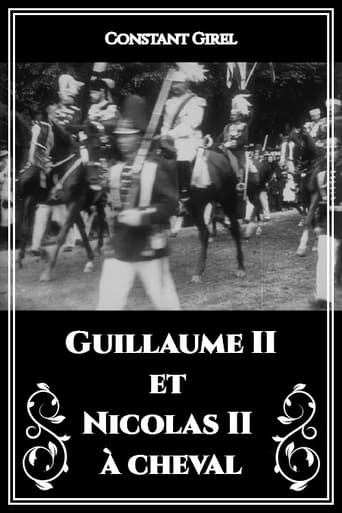
NRWilhelm II and Nicholas II, on horseback, parade in front of the cheering crowd, during the inauguration ceremony of William I's monument in Breslau, Germany (nowadays Wroclaw, Poland).
Guillaume II et Nicolas II à cheval
1896
 NR
NRNo synopsis available yet.
Métropolitain
1896
 5.1
5.1Passengers disembarking in the port of Nice.
Disembarkment
1897
5.1Passengers disembarking in the port of Nice.
Disembarkment
1897
Released on October 4, 1896 in Lyon ( France ) under the title “ Fêtes de l'inauguration du monument de Guillaume Ier à Breslau : II. - Le voile tombe (Lyon républicain, 4 octobre 1896)”. (catalogue-lumiere.com)
II. Inauguration
1896
 NR
NRMovement of pedestrians, cabs, carts and trams at the crossroads of two avenues.
New York, Broadway and Wall Street
1896
Pierrot woos Columbine, who abandons Harlequin. An old witch hands Harlequin a magical flute that will make his wishes come true, whenever it is played. It is now time for Harlequin to play his tricks.
Pierrot et la flûte enchantée
1902
 6.8
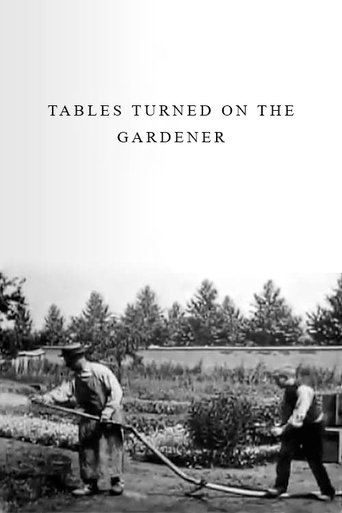
6.8A boy steps on the hose a gardener is using to water his garden. The gardener, surprised to see the jet stop, examines the nozzle; at that moment the boy lifts his foot; the jet starts up again and the gardener gets water in the face; furious, he runs after the boy and gives him a beating.
The Sprinkler Sprinkled
1895
 1.0
1.0These two views were taken during the celebrations given in 1896 on the occasion of the millennium of the foundation of the kingdom of Hungary. Horsemen and men on foot parade, all dressed in historic uniforms.
Budapest : cortège du sceptre royal
1896
 NR
NRNo synopsis available yet.
Train présidentiel
1897
 6.2
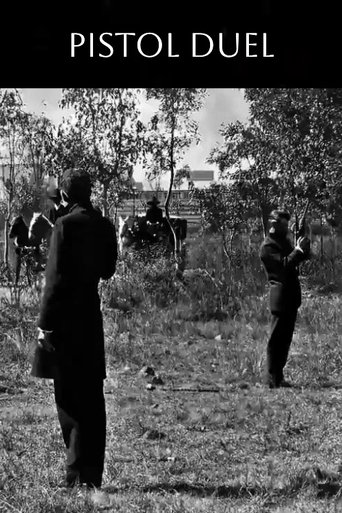
6.2Two duelists, armed with pistols, open fire: one of them is hit and collapses. First aid is given to him, while the other is taken away.
Pistol Duel
1897
 4.8
4.8A woman feeds pigeons on the Piazza San Marco in Venice.
Pigeons sur la place Saint-Marc
1896
 1.0
1.0No synopsis available yet.
Danse russe
1896
1.0No synopsis available yet.
Danse russe
1896
 NR
NRTurcos regiment parade.
Turcos (défilé)
1896
 5.1
5.1Circulation of passers-by and cars in the paved street on the occasion of the Tsar's coronation.
Moscow, Tverskaia Street
1896
 5.0
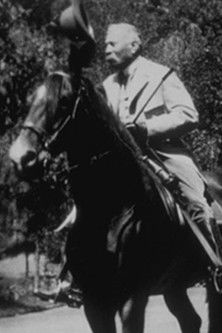
5.0A mounted Mexican president poses for the camera.
Le Président en Promenade
1896
People waiting in line for, what one can only assume, a Lumiere production.
Vienne, entrée du cinématographe
1896
 NR
NRPassage of a Shintoist procession, whose members carry banners and lanterns, somewhere in Kyoto.
Procession shintoïste
1898
 5.0
5.0A street scene in Munich from the Lumière Brothers.
Maximilianeum
1896
5.0A street scene in Munich from the Lumière Brothers.
Maximilianeum
1896
Panorama of the Swiss city.
Montreux Panorama
1900
 4.8
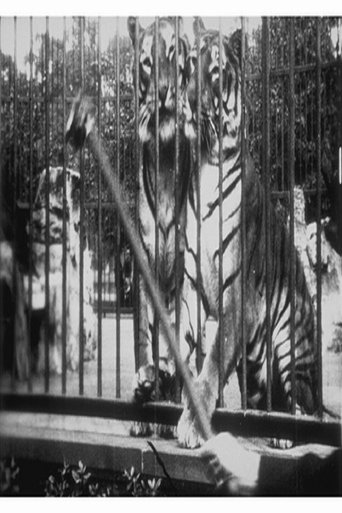
4.8A keeper gives food to two tigers through the bars of the cage.
Tigers
1896
 4.6
4.6On the terrace of a villa, a violinist, two pianists and a singer are playing, until they are interrupted by a false note.
Concert
1896
4.6On the terrace of a villa, a violinist, two pianists and a singer are playing, until they are interrupted by a false note.
Concert
1896
 4.8
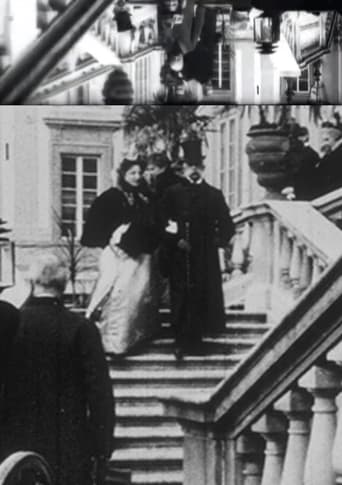
4.8King Umberto I and Queen Margherita of Savoy stepping down a staircase, followed by their escort, before climbing into a horse-drawn carriage.
Roi et Reine d'Italie
1896
 5.7
5.7A mother takes her children for a walk, lifts her baby girl out of the buggy and gently sets her down to the ground. She then moves a few steps away and calls her name, to demonstrate that her baby can walk.
Baby's First Steps
1896
 5.4
5.419th century carnival ride.
Swings
1896
 5.1
5.1No synopsis available yet.
Le goûter des bébés
1897
 4.6
4.6A stationary camera looks west across Niagara Falls from the United States' side (the Niagara River rushes toward the falls from right to left). Virtually overlooking the falls and surrounded by the swift current not far from the camera is a small island where six or eight tourists watch the water, talk, and move about.
Niagara Falls
1896
 5.5
5.5Four men stand holding what appears to be a blanket, while one wearing a hat stands watching. A sixth man then runs towards them and attempts to jump into the blanket.
Jumping the Blanket
1895
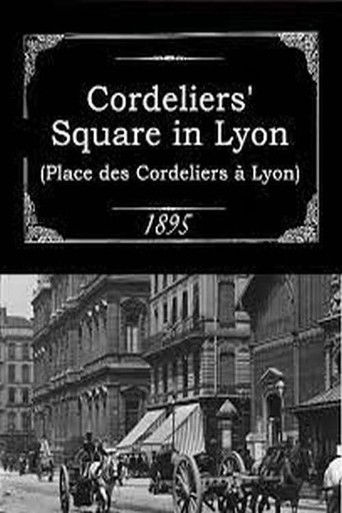 5.4
5.4Pedestrian and horse-drawn vehicles traffic, across the Place des Cordeliers, in Lyon.
Cordeliers' Square in Lyon
1895
A group of tambours and dancers in traditional outfits pass the camera.
Maillane : défilé des tambourinaires
1900
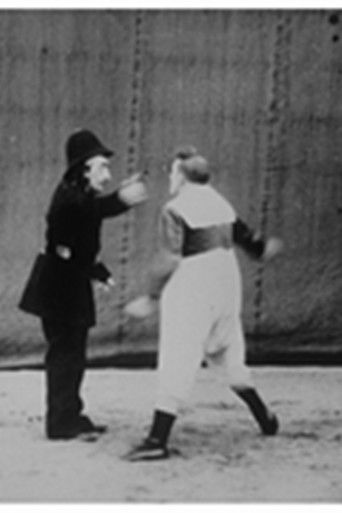 4.0
4.0Comic scenes taken at the Nouveau-Cirque by the two famous clowns Foottit and Chocolat. To separate Foottit and Chocolat who are fighting, their servant brings a policeman to whom the two accomplices play all sorts of tricks.
Le policeman
1900