
Writing
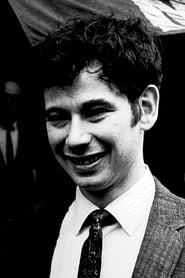
Ronald Tavel
Born — Died
1936-05-17 — 2009-03-23
Place of birth
Brooklyn, New York, USA
Known for
Writing
Credits
29 titles
Ronald Tavel (May 17, 1936 – March 23, 2009) was an American screenwriter, director, novelist, poet and actor, best known for his work with Andy Warhol and The Factory. Description above from the Wikipedia article Ronald Tavel, licensed under CC-BY-SA, full list of contributors on Wikipedia.
Known for
 5.5
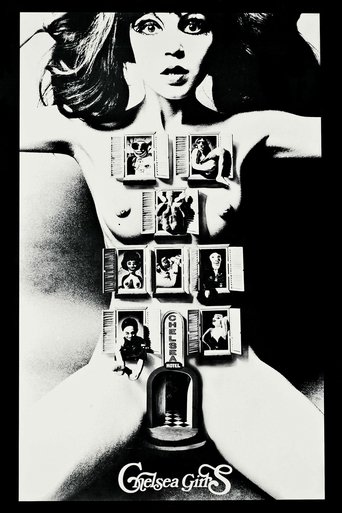
5.5Follows various residents of the Chelsea Hotel in 1966 New York City.
Chelsea Girls
1966
 6.2
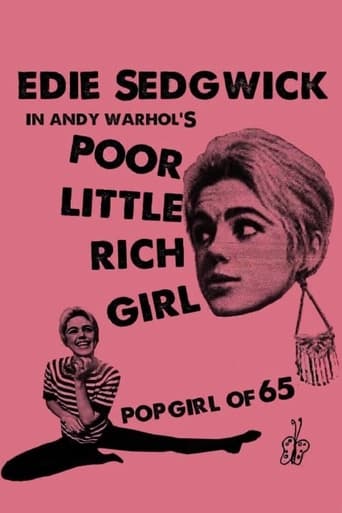
6.2A young, jobless woman stays in bed, reads, talks on the phone, smokes cigarettes, makes fresh coffee, and tries on some clothes from a large wardrobe.
Poor Little Rich Girl
1965
 7.2
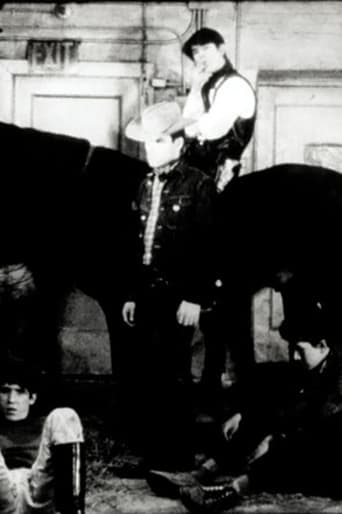
7.2Warhol plunked a horse named Mighty Byrd in the middle of the Factory for this dark, homoerotic take on the classic oater that later anticipates his later western epic Lonesome Cowboys.
Horse
1965
 8.0
8.0The films were made between 1964 and 1966 at Warhol's Factory studio in New York City. Subjects were captured in stark relief by a strong key light, and filmed by Warhol with his stationary 16mm Bolex camera on silent, black and white, 100-foot rolls of film at 24 frames per second. The resulting two-and-a-half-minute film reels were then screened in 'slow motion' at 16 frames per second.
Andy Warhol Screen Tests
1965
 7.5
7.5One of Andy Warhol's screen tests, focusing on an actor's face for 4-5 mins.
Screen Test #3
1966
 6.7
6.7In this entrancing documentary on performance artist, photographer and underground filmmaker Jack Smith, photographs and rare clips of Smith's performances and films punctuate interviews with artists, critics, friends and foes to create an engaging portrait of the artist. Widely known for his banned queer erotica film Flaming Creatures, Smith was an innovator and firebrand who influenced artists such as Andy Warhol and John Waters.
Jack Smith and the Destruction of Atlantis
2007
Film credits
1960s · 8 titles
8.0The films were made between 1964 and 1966 at Warhol's Factory studio in New York City. Subjects were captured in stark relief by a strong key light, and filmed by Warhol with his stationary 16mm Bolex camera on silent, black and white, 100-foot rolls of film at 24 frames per second. The resulting two-and-a-half-minute film reels were then screened in 'slow motion' at 16 frames per second.
Andy Warhol Screen Tests
1965
 9.0
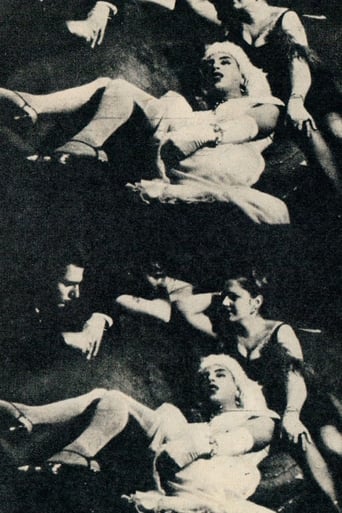
9.0Jean Harlow-lookalike Harlot (Mario Montez), Gerard Malanga, Philip Fagan, and Carol Koshinskie (with a cat) sit in a room eating bananas as the off-screen voices of Billy Name, Ronald Tavel, and Harry Fainlight discuss various topics.
Harlot
1965
Egotistical faded star Hedy Lamarr visits a plastic surgeon to be transformed into the "14-year-old girl" she believes herself to be. She is then caught shoplifting by Mary Woronov and is put on trial, with Tavel as the judge and her five ex-husbands the jury. Hedy remains self-centered and detached throughout, posing and primping and bursting out renditions of "I Feel Pretty" and "Young at Heart."
Hedy
1966
 6.9
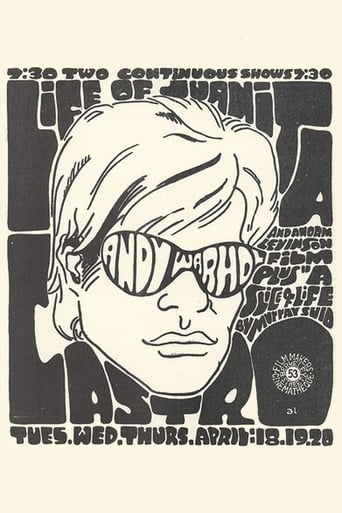
6.9A playwright taunts a number of actors into improvising a truly ridiculous but subtlely meaningful meditation on Fidel Castro and his family.
The Life of Juanita Castro
1965
 6.9
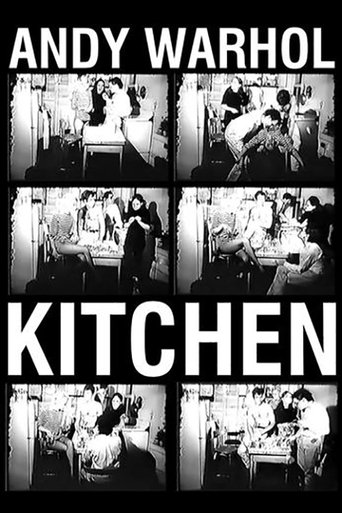
6.9Instructed by Warhol to write a vehicle for Edie Sedgwick in a “completely white” setting, scenarist Ronald Tavel created one of Warhol’s most iconic films. Here a group of performers of all stripes – the sink and litter basket receive equal billing to the human actors – are forced into Warhol and Tavel’s cruelly comical theatre of the absurd. Inside this cramped domestic space, boredom, confusion and a sense of existential dread hang heavy in the air. Warhol and Tavel transform the modern 1960s kitchen – replete with the latest gadgets and conveniences – into a chaotic laboratory for self-creation and interpersonal conflict.
Kitchen
1966
 6.8
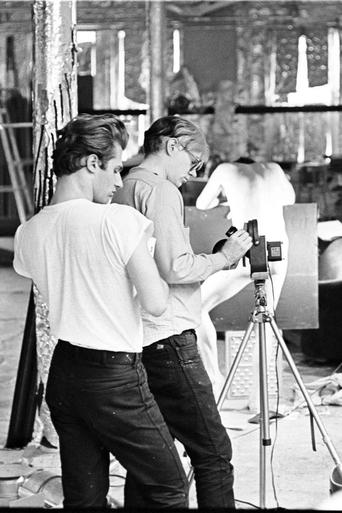
6.8Ronald Tavel taunts Philip Fagan, who lacks the verbal dexterity to counter the clever spider’s web of words that Ronald Tavel weaves to ensnare him, so that Fagan’s only response is to refuse to respond and stare silently off-screen, turning the screen test into a strange form of psychodrama.
Screen Test #1
1965
 9.5
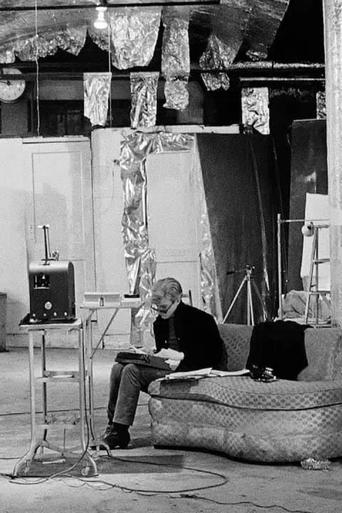
9.5Warhol and scenarist Ronald Tavel offer a brutal vision of the Hollywood casting couch with this record of ingenue Mario Montez performing a humiliating auditions for a dictatorial, unseen director.
Screen Test #2
1965
Two men verbally enact the chronology of an actor’s failed romantic connections and repeated suicide attempts. The two men maintain an intimate physical proximity, but as the film progresses, the actor becomes increasingly despondent, burdened by the process of reliving his past.
Suicide
1965
Behind the camera
5.5Follows various residents of the Chelsea Hotel in 1966 New York City.
Chelsea Girls
1966
6.2A young, jobless woman stays in bed, reads, talks on the phone, smokes cigarettes, makes fresh coffee, and tries on some clothes from a large wardrobe.
Poor Little Rich Girl
1965
7.2Warhol plunked a horse named Mighty Byrd in the middle of the Factory for this dark, homoerotic take on the classic oater that later anticipates his later western epic Lonesome Cowboys.
Horse
1965
7.5One of Andy Warhol's screen tests, focusing on an actor's face for 4-5 mins.
Screen Test #3
1966
 4.6
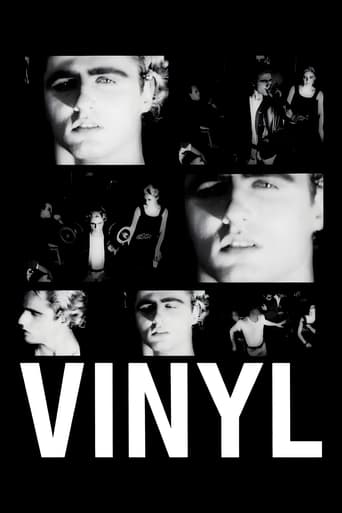
4.6Andy Warhol’s screen adaptation of Burgess's "A Clockwork Orange”.
Vinyl
1965
Egotistical faded star Hedy Lamarr visits a plastic surgeon to be transformed into the "14-year-old girl" she believes herself to be. She is then caught shoplifting by Mary Woronov and is put on trial, with Tavel as the judge and her five ex-husbands the jury. Hedy remains self-centered and detached throughout, posing and primping and bursting out renditions of "I Feel Pretty" and "Young at Heart."
Hedy
1966
6.9A playwright taunts a number of actors into improvising a truly ridiculous but subtlely meaningful meditation on Fidel Castro and his family.
The Life of Juanita Castro
1965
 5.4
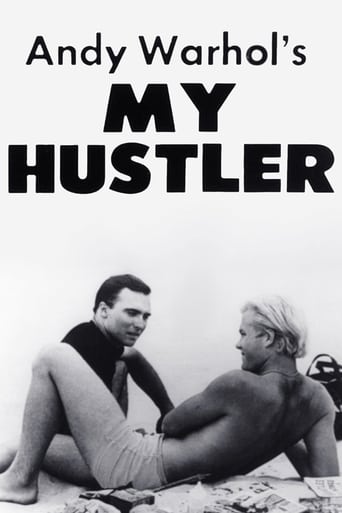
5.4Set on Fire Island, My Hustler depicts competition over the affections of a young male hustler among a straight woman, a former male hustler, and the man who hired the boy's companionship via a "Dial-A-Hustler" service.
My Hustler
1966
6.9Instructed by Warhol to write a vehicle for Edie Sedgwick in a “completely white” setting, scenarist Ronald Tavel created one of Warhol’s most iconic films. Here a group of performers of all stripes – the sink and litter basket receive equal billing to the human actors – are forced into Warhol and Tavel’s cruelly comical theatre of the absurd. Inside this cramped domestic space, boredom, confusion and a sense of existential dread hang heavy in the air. Warhol and Tavel transform the modern 1960s kitchen – replete with the latest gadgets and conveniences – into a chaotic laboratory for self-creation and interpersonal conflict.
Kitchen
1966
6.9Instructed by Warhol to write a vehicle for Edie Sedgwick in a “completely white” setting, scenarist Ronald Tavel created one of Warhol’s most iconic films. Here a group of performers of all stripes – the sink and litter basket receive equal billing to the human actors – are forced into Warhol and Tavel’s cruelly comical theatre of the absurd. Inside this cramped domestic space, boredom, confusion and a sense of existential dread hang heavy in the air. Warhol and Tavel transform the modern 1960s kitchen – replete with the latest gadgets and conveniences – into a chaotic laboratory for self-creation and interpersonal conflict.
Kitchen
1966
 9.0
9.0A series of Andy Warhol’s screen tests, focusing on an actor’s face for 4-5 mins.
Screen Test #4
1966
9.0A series of Andy Warhol’s screen tests, focusing on an actor’s face for 4-5 mins.
Screen Test #4
1966
6.8Ronald Tavel taunts Philip Fagan, who lacks the verbal dexterity to counter the clever spider’s web of words that Ronald Tavel weaves to ensnare him, so that Fagan’s only response is to refuse to respond and stare silently off-screen, turning the screen test into a strange form of psychodrama.
Screen Test #1
1965
6.8Ronald Tavel taunts Philip Fagan, who lacks the verbal dexterity to counter the clever spider’s web of words that Ronald Tavel weaves to ensnare him, so that Fagan’s only response is to refuse to respond and stare silently off-screen, turning the screen test into a strange form of psychodrama.
Screen Test #1
1965
 10.0
10.0Warhol offers his own version of the notorious 1958 Johnny Stompanato murder case.
More Milk, Yvette
1966
 9.0
9.0A melange of casual talking, food fights, and folk singing. The film includes Eric Andersen with his guitar, singing his lines, and leading Edie Sedgwick and her friends in unscripted sing-alongs of popular songs including "Puff the Magic Dragon" and "The Battle Hymn of the Republic".
Space
1965
 7.0
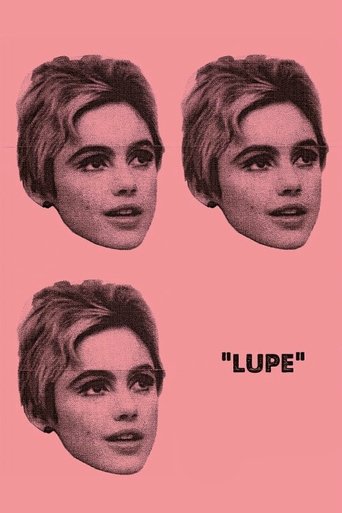
7.0Mexican actress Lupe Vélez's final hours as she overdoses on Seconal.
Lupe
1966
9.5Warhol and scenarist Ronald Tavel offer a brutal vision of the Hollywood casting couch with this record of ingenue Mario Montez performing a humiliating auditions for a dictatorial, unseen director.
Screen Test #2
1965
Two men verbally enact the chronology of an actor’s failed romantic connections and repeated suicide attempts. The two men maintain an intimate physical proximity, but as the film progresses, the actor becomes increasingly despondent, burdened by the process of reliving his past.
Suicide
1965