

Visual Effects
Eiji Tsuburaya
Born — Died
1901-07-07 — 1970-01-25
Place of birth
日本,京都府
Known for
Visual Effects
Credits
7 titles
Eiji Tsuburaya ranks alongside Willis H. O'Brien and Ray Harryhausen as one of the great visionary SFX masters of twentieth-century fantasy cinema. Best remembered as the amazing special effects genius behind the "Godzilla" series of monster films commencing in 1954, he also contributed effects to a host of other Japanese monster / fantasy / science fiction / drama / propaganda films for over four decades. Eiji Tsuburaya had a keen interest in the cinema from a young age, and legend has it that he acquired a second-hand movie projector when he was only ten years old, and pulled it apart and put it back together with relative ease. He began work as a cinematographer in Kyoto around 1919 a…
Known for
 7.0
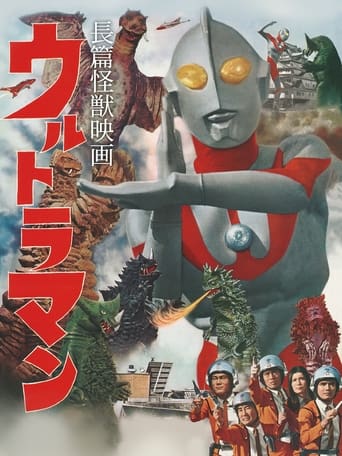
The film consists of re-edited material from the original television series Ultraman. Episodes 1, 8, 26, and 27 were used for the film. They were narrated by Hikari Urano as an "Ultraman Documentary". Allegedly only one new scene was shot, and that some parts of the movie where shot in black and white for unknown reasons. The movie screened at the same time as the Toho movie King Kong Escapes.
Ultraman: Monster Movie Feature
1967
 NR
Akio Jissoji's documentary on the production of Ultra Q. Interview with series creator Eiji Tsuburaya.
The Father of Ultra Q
1966
Tsuburaya served both as director and cinematographer of this feature-length national policy documentary, supported by the naval ministry, which creates a sketch of life among cadets aboard a naval training vessel on a voyage around Indochina, Malaya, Hawaii and the South Pacific islands. The film clearly outlines the economic motives behind Japan’s southward expansion, but also presents the music and dance traditions of various regions, in what has been termed “folklore through sound”.
Across the Equator
1936
 NR
A short compilation film made to be shown at Takarazuka Family Land which takes footage from several Showa era Godzilla films.
Do Your Best! Godzilla
1967
 5.0
No synopsis available yet.
Ultraman, Ultraseven: Great Violent Monster Fight
1969
 6.5
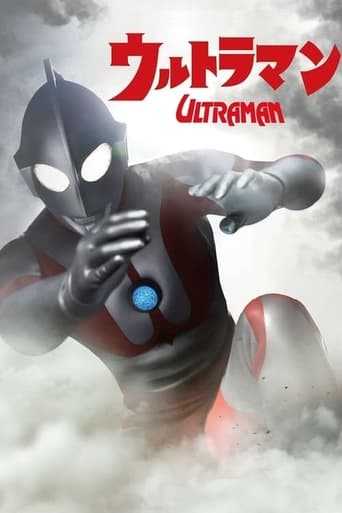
Theatrical version of episode 20 of Ultraman (1966 TV series). An enormous bird-monster is attacking motorists on Route 87. The Science Patrol discovers a supernatural link between the monster and a statue located nearby.
Ultraman: Terror on Route 87
1989
Film credits
Behind the camera
7.0The film consists of re-edited material from the original television series Ultraman. Episodes 1, 8, 26, and 27 were used for the film. They were narrated by Hikari Urano as an "Ultraman Documentary". Allegedly only one new scene was shot, and that some parts of the movie where shot in black and white for unknown reasons. The movie screened at the same time as the Toho movie King Kong Escapes.
Ultraman: Monster Movie Feature
1967
Tsuburaya served both as director and cinematographer of this feature-length national policy documentary, supported by the naval ministry, which creates a sketch of life among cadets aboard a naval training vessel on a voyage around Indochina, Malaya, Hawaii and the South Pacific islands. The film clearly outlines the economic motives behind Japan’s southward expansion, but also presents the music and dance traditions of various regions, in what has been termed “folklore through sound”.
Across the Equator
1936
NRA short compilation film made to be shown at Takarazuka Family Land which takes footage from several Showa era Godzilla films.
Do Your Best! Godzilla
1967
5.0No synopsis available yet.
Ultraman, Ultraseven: Great Violent Monster Fight
1969
6.5Theatrical version of episode 20 of Ultraman (1966 TV series). An enormous bird-monster is attacking motorists on Route 87. The Science Patrol discovers a supernatural link between the monster and a statue located nearby.
Ultraman: Terror on Route 87
1989
 7.0
Ravana, while dancing with animals, kidnaps Sita from Rama, and returns to Lanka to hide as Lankapura burns.
Ramayana
1942