
Directing
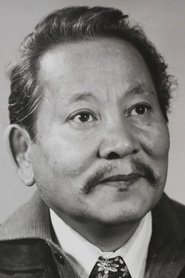
Mazhit Begalin
Born — Died
1922-02-22 — 1978-05-05
Place of birth
Semipalatinsk, Kazakh SSR, USSR
Known for
Directing
Credits
9 titles
MAZHIT BEGALIN February 22, 1922, Semipalatinsk, Kazakh SSR, USSR — May 5, 1978, Moscow, RSFSR, USSR. Film director, screenwriter, actor. Honored Art Worker of the Kazakh SSR (1977). He graduated from the Directing Department of VGIK in 1948 (workshop of S.A. Gerasimov and T.F. Makarova). Since 1950, he worked as a director at the Kazakhfilm studio. His father was the well-known Kazakh writer Sapargali Iskakovich Begalin (1895–1983). His wife was actress Lyudmila Ivanova (1925–1995). His son was actor and stuntman Nartai Begalin (1951–1993).
Known for
 7.0
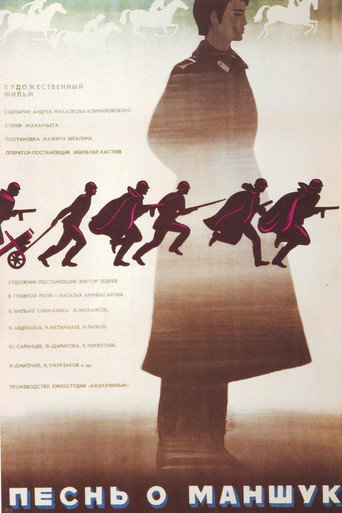
7.0The story of the hero of the Soviet Union, Manshuk Mametova, machine-gunner of the 21st Guards Rifle Division of the 3rd shock army of the Kalinin Front, the guards sergeant in charge. The first woman awarded the title of Hero of the Soviet Union for bravery. The film recreates the past and shows a day of combat life Manshuk and her comrades, who took unequal battle with German tanks.
The Song of Manshuk
1969
 NR
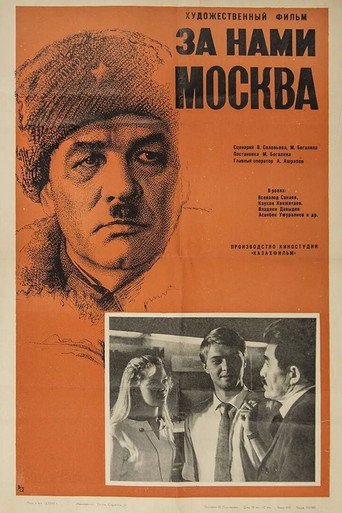
NRBased on the books and materials of Bauyrzhan Momyshuly and dedicated to the Panfilov division, which fought near Moscow in 1941, about the heroism of its soldiers, who stopped the fascists and on December 22, 1941 and went into a counterattack.
Moscow is Behind Us
1967
 5.8
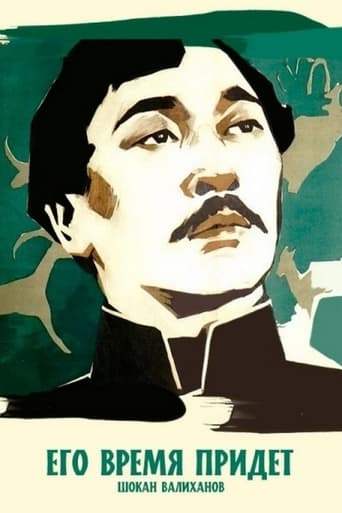
5.8Kazakh scientist and traveler, Chokan Valikhanov studied at St. Petersburg University and was well known in Russia. When sent to war against the Kazakhs, Valikhanov was forced to make a choice between Tzar and native land.
His Time Will Come
1958
A herdsman leaves his flock for the city, dreaming of becoming a cosmonaut, but he is rejected. Working a small job in a film studio, he is singled out for his looks and becomes a stand-in for a star actor.
Return to Earth
1959
 9.0
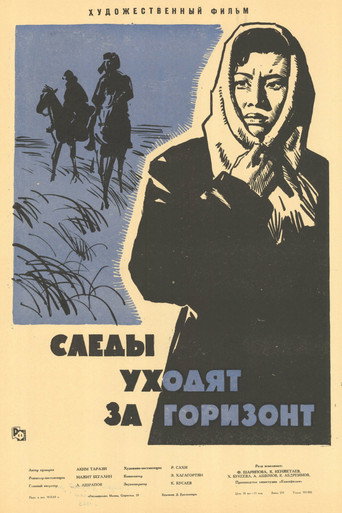
9.0Zhaukhaz leaves her father's house, as custom dictates and her stepmother wishes. Zhaukhaz does not love her future husband, but she does not dare to break the old custom. Zhaukhaz, along with her husband and his parents, lives in a remote high-altitude pasture. The entire family tends a flock of collective farm sheep. The daily life of the shepherd's family is harsh, and the work is monotonous: cleaning the kennels, feeding the sheep, and, on sunny and quiet days, taking them out for grazing. The winter house is surrounded by silence. Sometimes it seems scary. On one of those days, when she fell in love with a young machine operator from Tanabay's neighboring brigade, Zhauhaz realized how vast life was and how fragile the bonds of old customs that tied her to an unloved man were.
The Traces Go Beyond the Horizon
1965
 NR
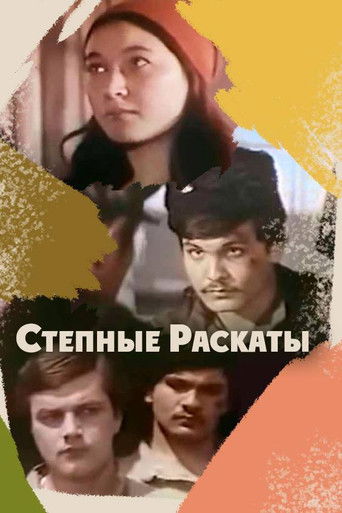
NRThe film is dedicated to the events of the Civil War, the offensive of Denikin and Kolchak's troops on Uralsk, and the defense of the city. Historical facts are presented in it on a significant scale, through the personalities and fates of many characters, with a wide introduction of mass and battle scenes.
Steppe Roar
1975
Film credits
1970s · 1 titles
Behind the camera
7.0The story of the hero of the Soviet Union, Manshuk Mametova, machine-gunner of the 21st Guards Rifle Division of the 3rd shock army of the Kalinin Front, the guards sergeant in charge. The first woman awarded the title of Hero of the Soviet Union for bravery. The film recreates the past and shows a day of combat life Manshuk and her comrades, who took unequal battle with German tanks.
The Song of Manshuk
1969
NRBased on the books and materials of Bauyrzhan Momyshuly and dedicated to the Panfilov division, which fought near Moscow in 1941, about the heroism of its soldiers, who stopped the fascists and on December 22, 1941 and went into a counterattack.
Moscow is Behind Us
1967
NRBased on the books and materials of Bauyrzhan Momyshuly and dedicated to the Panfilov division, which fought near Moscow in 1941, about the heroism of its soldiers, who stopped the fascists and on December 22, 1941 and went into a counterattack.
Moscow is Behind Us
1967
5.8Kazakh scientist and traveler, Chokan Valikhanov studied at St. Petersburg University and was well known in Russia. When sent to war against the Kazakhs, Valikhanov was forced to make a choice between Tzar and native land.
His Time Will Come
1958
A herdsman leaves his flock for the city, dreaming of becoming a cosmonaut, but he is rejected. Working a small job in a film studio, he is singled out for his looks and becomes a stand-in for a star actor.
Return to Earth
1959
9.0Zhaukhaz leaves her father's house, as custom dictates and her stepmother wishes. Zhaukhaz does not love her future husband, but she does not dare to break the old custom. Zhaukhaz, along with her husband and his parents, lives in a remote high-altitude pasture. The entire family tends a flock of collective farm sheep. The daily life of the shepherd's family is harsh, and the work is monotonous: cleaning the kennels, feeding the sheep, and, on sunny and quiet days, taking them out for grazing. The winter house is surrounded by silence. Sometimes it seems scary. On one of those days, when she fell in love with a young machine operator from Tanabay's neighboring brigade, Zhauhaz realized how vast life was and how fragile the bonds of old customs that tied her to an unloved man were.
The Traces Go Beyond the Horizon
1965
NRThe film is dedicated to the events of the Civil War, the offensive of Denikin and Kolchak's troops on Uralsk, and the defense of the city. Historical facts are presented in it on a significant scale, through the personalities and fates of many characters, with a wide introduction of mass and battle scenes.
Steppe Roar
1975
NRThe film is dedicated to the events of the Civil War, the offensive of Denikin and Kolchak's troops on Uralsk, and the defense of the city. Historical facts are presented in it on a significant scale, through the personalities and fates of many characters, with a wide introduction of mass and battle scenes.
Steppe Roar
1975