
Directing
Juan Guerrero
Born — Died
1936-03-23 — 1970-04-25
Place of birth
Mexico
Known for
Directing
Credits
8 titles
Juan Guerrero Sánchez (Mexico City, 1936 – United States, 1970), better known simply as Juan Guerrero, was a Mexican filmmaker. He studied Architecture at the National Autonomous University of Mexico (UNAM) and earned a Master's degree in Urban Planning at the Sorbonne in Paris. Upon returning to Mexico, he joined the UNAM as a professor, but in 1961, he returned to the Sorbonne for a year, this time to study film. He later enrolled at the University Center for Cinematographic Studies (CUEC/UNAM) and became part of the first generation of students at the school, where he made his first short film, El Verano de la Mariposa (The Summer of the Butterfly) (1964). Guerrero was also a professor a…
Known for
 NR
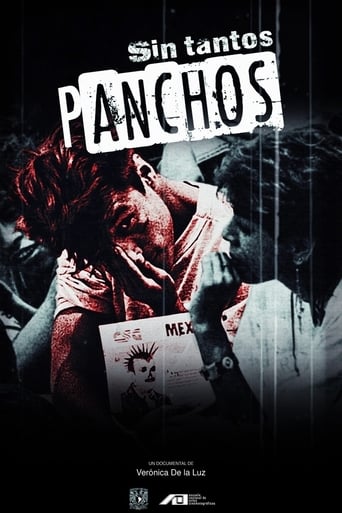
NRIn the eighties, different gangs arose in the suburban and marginal areas of Mexico City. This is a documentary about some of those gangs and the people who filmed them.
Sin tantos panchos
2019
 5.7
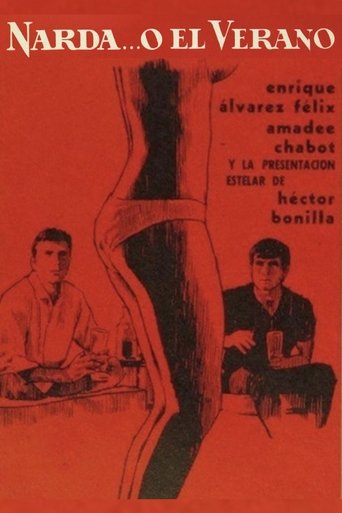
5.7Two friends on a summer getaway find and fall for a mysterious woman who will change their lives forever.
Narda or The Summer
1970
 6.0
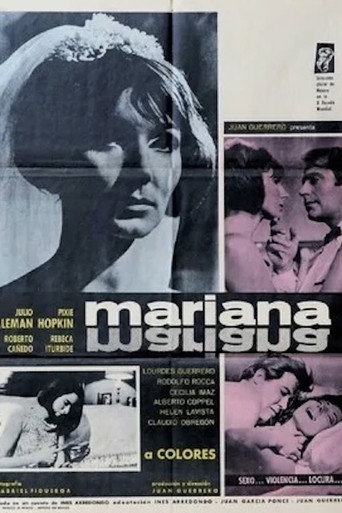
6.0As a teenager and student at a convent school, young Mariana runs away with her boyfriend, provoking the wrath of her father who sends her to Switzerland for ten years.
Mariana
1968
 5.7
5.7After going through the stages of courtship and marriage, Amelia and Jorge's apparent perfect love ends in estrangement, boredom, abandonment, and tragedy.
Amelia
1966
 6.3
6.3Mexican feature film
Cuatro mil años de deporte
1968
Film credits
Behind the camera
5.7Two friends on a summer getaway find and fall for a mysterious woman who will change their lives forever.
Narda or The Summer
1970
5.7Two friends on a summer getaway find and fall for a mysterious woman who will change their lives forever.
Narda or The Summer
1970
5.7Two friends on a summer getaway find and fall for a mysterious woman who will change their lives forever.
Narda or The Summer
1970
6.0As a teenager and student at a convent school, young Mariana runs away with her boyfriend, provoking the wrath of her father who sends her to Switzerland for ten years.
Mariana
1968
6.0As a teenager and student at a convent school, young Mariana runs away with her boyfriend, provoking the wrath of her father who sends her to Switzerland for ten years.
Mariana
1968
5.7After going through the stages of courtship and marriage, Amelia and Jorge's apparent perfect love ends in estrangement, boredom, abandonment, and tragedy.
Amelia
1966
6.3Mexican feature film
Cuatro mil años de deporte
1968