
Known for
 7.2
Theatre 625 is a British television drama anthology series, produced by the BBC and transmitted on BBC2 from 1964 to 1968. It was one of the first regular programmes in the line-up of the channel, and the title referred to its production and transmission being in the higher-definition 625-line format, which only BBC2 used at the time.
Theatre 625
1964
 6.7
Classic sitcom starring Eric Sykes and Hattie Jacques as brother and sister twins who have to tackle the trials and tribulations of suburban life.
Sykes
1972
 7.8
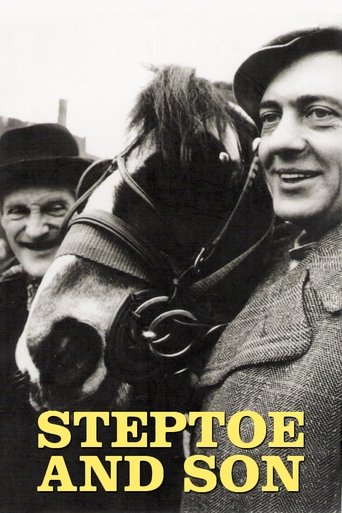
A father and son who work as rag-and-bone men live together in Shepherd's Bush, London. While Albert is content with their way of life, Harold aspires to better himself and build a life of his own, but his attempts are repeatedly thwarted by his father, leading to frequent clashes between the two.
Steptoe and Son
1962
Story Parade specialized in adaptations of modern novels. It was broadcast on June 5, 1964 and repeated on August 28, 1964. The teleplay was by Terry Nation (who invented "Blake's 7" and the Daleks in Dr. Who), and Elijah Baley was played by the late Peter Cushing. It also starred John Carson John Carson as R. Daneel Olivaw and Kenneth J. Warren. The master tapes of the program were erased, however a few clips from the production have turned up in various documentaries about Isaac Asimov's work.
Story Parade
1964
 7.2
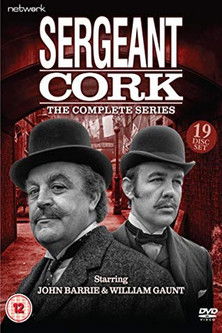
Sergeant Cork is a British detective television series which first aired between 1963 and 1968 on ITV. It was a police procedural show that followed the efforts of two police officers and their battle against crime in Victorian London. In all 66 hour-long episodes were aired during the five-year run, although the last episode was not broadcast until January 1968, 16 months after the others. Journalist Tom Sutcliffe has credited it as a first example of the use of the Victorian-era policeman in a television crime series. A 1969 review in The Age opined that rather than suspense, the strengths of the series were its "excellent period settings and wonderfully thick pea-soupers" which "add up to splendid evocative stuff", as well as the performance of star John Barrie. At no time during the whole series is Sergeant Cork's first name given.
Sergeant Cork
1963
Studio 4 is an anthology drama series utilising BBC Television Centre's Studio Four, and running for two series in 1962 on BBC One. It was envisaged as a sequel to Storyboard, a similar anthology series which had been transmitted the previous year.
Studio 4
1962
Film credits
1970s · 3 titles
 7.3
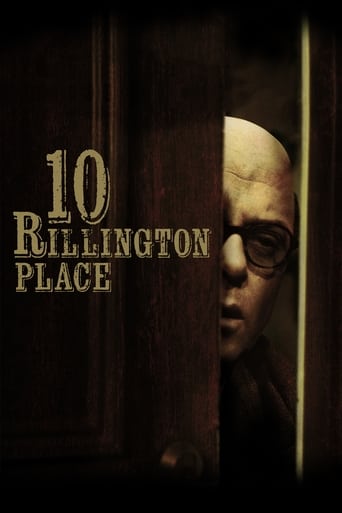
The story of British serial killer John Christie, who committed most or all of his crimes in the titular terraced house, and the miscarriage of justice involving Timothy Evans.
10 Rillington Place
1971
 2.6
Maria, a juvenile delinquent is stuck in a boring girls school for young offenders in Sunderland. A suggestive wink and a flash of her knickers at an elderly gardener is enough to convince the old sod to help Maria escape from the school.
The Yes Girls
1971
 8.0
When it's time to wet the baby's head, it's surprising the secrets that emerge...
I Can't See My Little Willie
1970
1960s · 3 titles
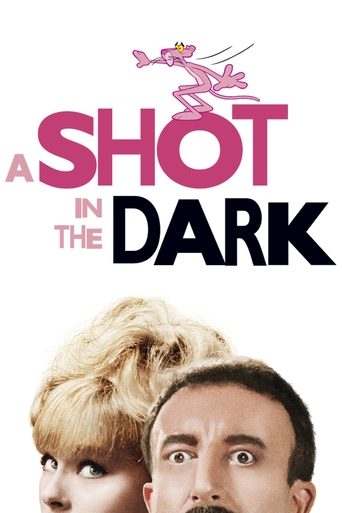 7.2
Inspector Jacques Clouseau, smitten with the accused maid Maria Gambrelli, unwittingly turns a straightforward murder investigation into a comedic series of mishaps, testing the patience of his irritable boss Charles Dreyfus as casualties mount.
A Shot in the Dark
1964
 NR
Roger Andover will inherit a fortune if he marries. But he is a solitary man with no ambition: human relationships mystify and dismay him. But to present a life-like female android as your wife: surely that will satisfy everyone? Andover finds more than he bargained for when his robot bride challenges his preconceptions about humanity.
Andover and the Android
1965
After a pop singer is murdered, the police have to figure out which of his many enemies is responsible.
Farewell Performance
1963
Series credits
7.2Theatre 625 is a British television drama anthology series, produced by the BBC and transmitted on BBC2 from 1964 to 1968. It was one of the first regular programmes in the line-up of the channel, and the title referred to its production and transmission being in the higher-definition 625-line format, which only BBC2 used at the time.
Theatre 625
1964
6.7Classic sitcom starring Eric Sykes and Hattie Jacques as brother and sister twins who have to tackle the trials and tribulations of suburban life.
Sykes
1972
7.8A father and son who work as rag-and-bone men live together in Shepherd's Bush, London. While Albert is content with their way of life, Harold aspires to better himself and build a life of his own, but his attempts are repeatedly thwarted by his father, leading to frequent clashes between the two.
Steptoe and Son
1962
Story Parade specialized in adaptations of modern novels. It was broadcast on June 5, 1964 and repeated on August 28, 1964. The teleplay was by Terry Nation (who invented "Blake's 7" and the Daleks in Dr. Who), and Elijah Baley was played by the late Peter Cushing. It also starred John Carson John Carson as R. Daneel Olivaw and Kenneth J. Warren. The master tapes of the program were erased, however a few clips from the production have turned up in various documentaries about Isaac Asimov's work.
Story Parade
1964
7.2Sergeant Cork is a British detective television series which first aired between 1963 and 1968 on ITV. It was a police procedural show that followed the efforts of two police officers and their battle against crime in Victorian London. In all 66 hour-long episodes were aired during the five-year run, although the last episode was not broadcast until January 1968, 16 months after the others. Journalist Tom Sutcliffe has credited it as a first example of the use of the Victorian-era policeman in a television crime series. A 1969 review in The Age opined that rather than suspense, the strengths of the series were its "excellent period settings and wonderfully thick pea-soupers" which "add up to splendid evocative stuff", as well as the performance of star John Barrie. At no time during the whole series is Sergeant Cork's first name given.
Sergeant Cork
1963
Studio 4 is an anthology drama series utilising BBC Television Centre's Studio Four, and running for two series in 1962 on BBC One. It was envisaged as a sequel to Storyboard, a similar anthology series which had been transmitted the previous year.
Studio 4
1962
A completely lost BBC1 drama series centred on the King family, who love, live, fight and work around a harbour in the Thames estuary.
King of the River
1966
A completely lost BBC1 drama series centred on the King family, who love, live, fight and work around a harbour in the Thames estuary.
King of the River
1966
The World of Wodehouse was a comedy television series, based on the Blandings Castle and Ukridge comedy stories by P. G. Wodehouse. The series, which followed The World of Wooster, was shown on BBC Television during 1967 and 1968. Apart from one or more extracts from a solitary episode of Blandings Castle broadcast in February 1967, all episodes of both series are lost.
The World of Wodehouse
1967
A young man journeys from a difficult childhood to maturity, exploring social injustice, personal development, and the complexities of human relationships. Initially broadcast on BBC One from January to April 1966, only nine of the thirteen episodes are believed to still exist.
David Copperfield
1966