
Known for
 7.3
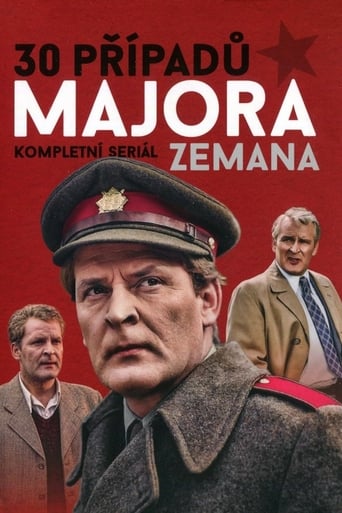
7.3Thirty Cases of Major Zeman is a Czechoslovak action-drama television show intended as a political propaganda to support the official attitude of the communist party. The series were filmed in the 1970s. Each episode encompasses one year, and investigations are stylized to that year. Most are inspired by real cases. The series follows the life of police investigator Jan Zeman during his career from 1945 to 1975.
Thirty Cases of Major Zema
1976
 7.5
7.5Sanitka was a Czech television, drama series, first broadcast in 1984 and eleven episodes were made. It starred Jaromír Hanzlík, Tomáš Juricka and Zlata Adamovská among others.
Sanitka
1984
No synopsis available yet.
Bližní na tapetě
1970
 NR
NRNo synopsis available yet.
Eliška a její rod
1966
 7.0
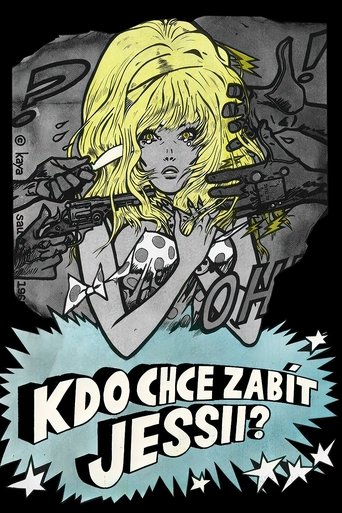
7.0In this zany Czechoslovakian comedy, a scientist invents a machine that projects a sleeping person's dream on a screen; disaster soon follows when the machine malfunctions and the cartoon-like dream characters become very real!
Who Wants to Kill Jessie?
1966
 6.8
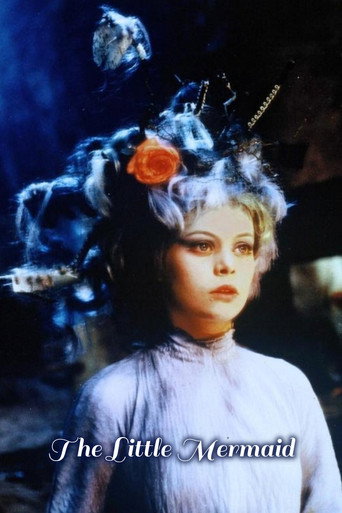
6.8The little mermaid rescues a prince from drowning and falls in love with him. To be with him, she makes a deal with the evil sorceress: her beautiful voice against a life on land.
The Little Mermaid
1976
Film credits
1990s · 2 titles
 4.0
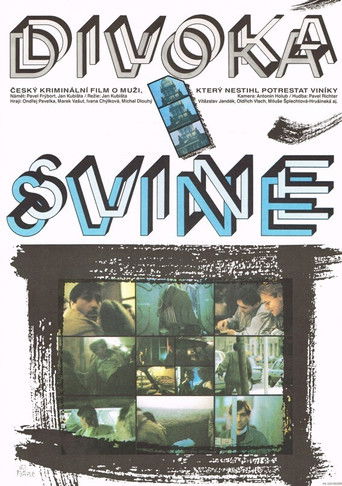
4.0Wild Swine is actually an ironic name for the great search operation of Prague's criminologists, who in a tangle of criminal activity of various kinds were digging around like wild swine before they managed to solve a complicated case. The story takes place in a variety of social spheres, from the Roma people to the world of Prague prostitutes and bakshellers to prominent people.
Divoká svině
1990
The common theme of the short story film is the famous duels between two important historical figures: Pushkin and Casanova. Pushkin's tragic duel, which ended his life prematurely, is portrayed in connection with the creation of his short story "The Dirty Shot", while Casanova's story is conceived in a rather ironic and humorous way. The point is that the famous seducer never actually seduced, on the contrary, all his life he was in a constant battle with female seductions.
Divoká srdce
1990
1980s · 10 titles
 6.4
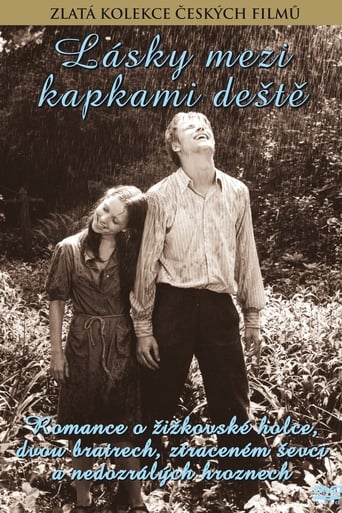
6.4Set in Prague during the years leading up to World War II, this family saga tells the story of a cobbler named Vincenc Bursik (Vladimir Mensik), who uproots his clan from the country to the city, only to suffer the loss of his wife and the failure of his shoe business within months. When his daughter moves away to go live with a wealthy businessman as his mistress, Vincenc is left to take care of his two sons, who spend their days in a secret garden vying for the affections of a teenage girl.
Love Between the Raindrops
1980
 9.0
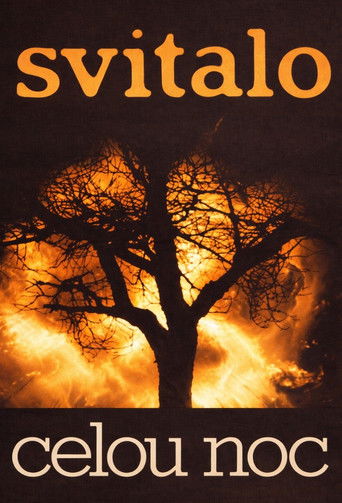
9.0The Czech film Svítalo All Night was made to commemorate the 35th anniversary of the liberation of Czechoslovakia by the Soviet Army and is dedicated to all those who fought and gave their lives in Prague in the May Uprising of 1945. Behind the historical events, the creators see mainly their simple, unassuming participants. Thus, we are presented with a number of apt portraits, whether it is the central hero Dr. Soukup and nurse Daniela on the side of the fighting Czechs, or a captain and a simple private in a Red Army unit coming to the aid of the fighting Prague, or an old, war-weary German major, who only realises the senselessness of the war at the sight of a fanatical, cynical lieutenant for whom Nazi ideology represents the meaning of life.
Svítalo celou noc
1980
A political drama dealing with the issues of contemporary construction and highlighting the various relationships within the party apparatus.
Na koho to slovo padne...
1980
 8.0
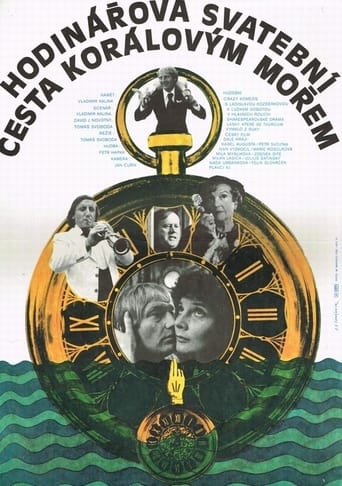
8.0This wacky musical comedy builds on absurd ideas, parodic humour and many variously subverted references to famous...
Hodinářova svatební cesta korálovým mořem
1980
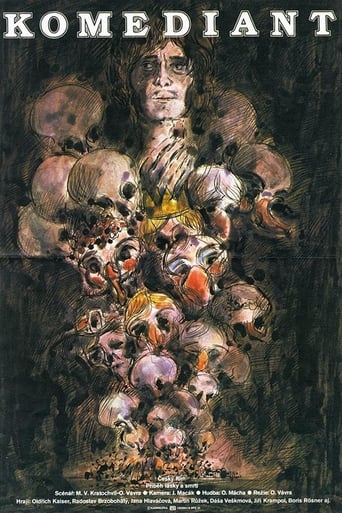 6.0
6.0Saxony, devastated by the Thirty Years' War, is led by the comedy troupe of the principal Fortunato. The student Vavrinec has fled Bohemia and greatly values the text of Shakespeare's tragedy Romeo and Juliet, which he has acquired on his wanderings around the world.
Komediant
1984
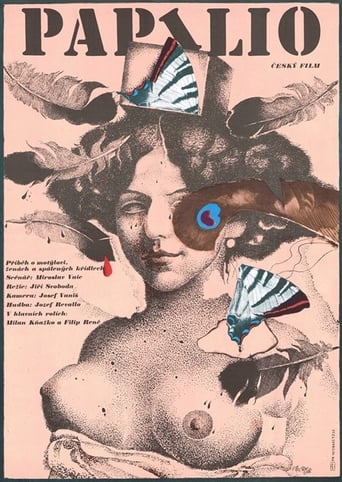 4.3
4.3František Cepl is a young man from a simple family. He graduated from a real school and was going to study technology. When the occupation came, he had to work as a factory assistant. There he meets an older man named Telec, whom everyone knows as Hrabě. He impresses František with his ostentatious disdain for work and his shameless flirtation with women. František, whom the Count calls Papilio (butterfly butterfly), is filled with youthful ideals, while the Count, on the other hand, is an extract of the crudest individualism. He has worked his way up from a student at a business academy and a theatre actor to a member of a pre-war gallery. He blackmails, steals, drinks, abuses women and, in a way, Papilio himself.
Papilio
1987
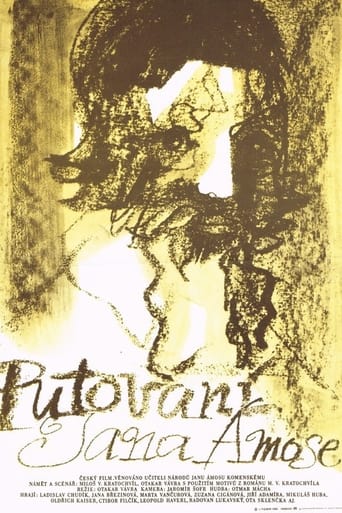 5.5
5.5The distressing fate of the Czech great Jan Amos Komenský, forced to leave his homeland after the White Mountain disaster. It depicts his encounters with various European personalities of the 17th century - the Queen of Sweden, artists and scientists. It emphasises the hero's nobility, but also his inner resilience, which allowed him to overcome many personal and professional tragedies. The parable of The Labyrinth of the World and the Paradise of the Heart becomes part of the story. However, Comenius's concept is sculpturally lifeless and, in particular, the religious dimension is "erased" from it. The simplistic biography therefore does not avoid schoolboyish dryness.
Putování Jana Amose
1983
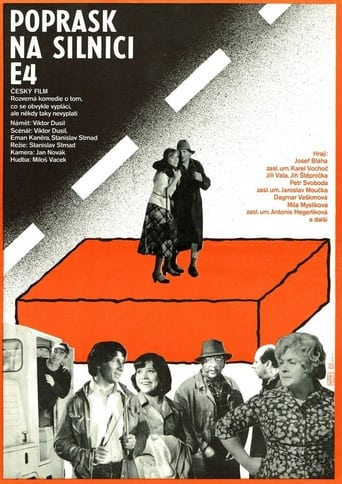 7.5
7.5Car transport of the locomotive is difficult, as the cargo is bulky. The three-man crew of the tractor therefore experiences many difficulties on the long journey across Bohemia...
Poprask na silnici E 4
1980
A young man from a poor proletarian family successfully graduates from university, meets a girl who grew up in an orphanage - and surprises his surroundings, greedy relatives and a friend from a rich bourgeois family, by refusing any benefits. He regularly visits his parents to help them build their house, trying to act honestly at all times.
Poslední vlak
1983
The aging police commissioner, who has a twenty-five-year-old fiancée, Olga, is disturbed at his sixtieth birthday party by the news from the administrator Psekov that his master, the cornet Klyausov, has been murdered. A commission, headed by an investigating judge, is sent to the estate of the debauched nobleman. The decisive evidence is a Swedish match.
Švédská zápalka
1983
1970s · 15 titles
6.8The little mermaid rescues a prince from drowning and falls in love with him. To be with him, she makes a deal with the evil sorceress: her beautiful voice against a life on land.
The Little Mermaid
1976
 6.4
6.4The heroes of this absurd comedy, full of confusion and humor are Dzharda Zemanek and Frantisek Liska.
A Nice Plate of Spinach
1977
 7.5
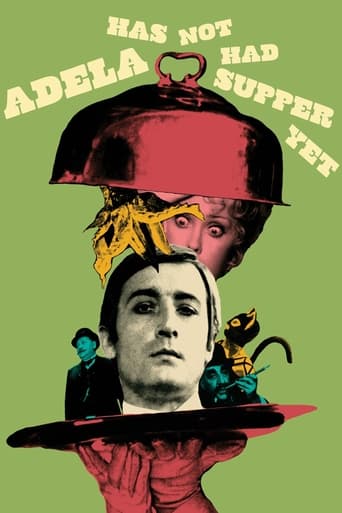
7.5When famous detective Nick Carter visits Prague, he becomes involved in strange case of a missing dog and even stranger carnivorous plant. He becomes convinced that he is standing against his greatest enemy, the Gardener, who supposedly died years ago in a swamp...
Adela Has Not Had Supper Yet
1978
 10.0
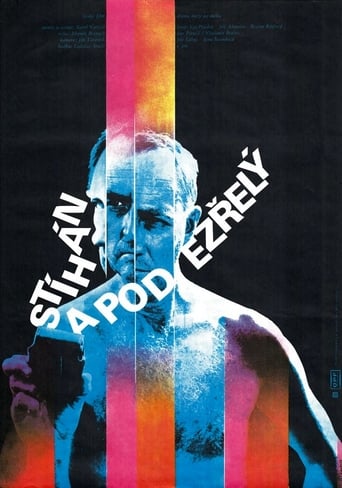
10.0Late at night Eva Trojanová returns home to an agitated husband; three days later, her body is found with bruises on her neck. Her spouse, missing after a business trip, becomes the prime suspect and flees to northern Bohemia. When investigators learn he is innocent, Captain Hart continues pursuing him, not as a criminal but as a desperate man whose plight may endanger himself or draw him into conflict with the law.
Chased and Suspected
1979
 9.0
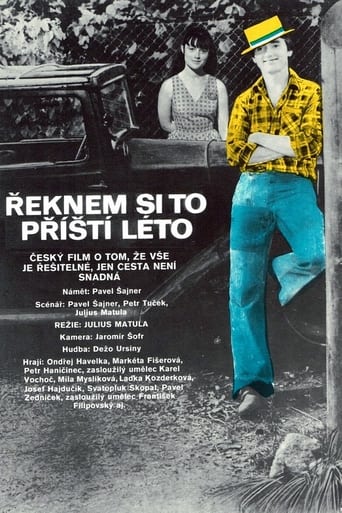
9.0Karel, a young man with an unknown past, but with a defined set of values and an ideal moral code, arrives in the village in the middle of the harvest. For the ordinary, down-to-earth villagers, Karel's lifestyle is hard to understand and they simply do not accept him into their midst. The summer ends and he leaves with his message again somewhere else. Perhaps he will return here next year to try to repeat his strange mission...
Řeknem si to příští léto
1978
 5.3
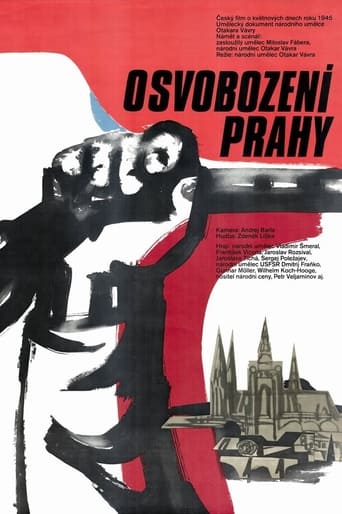
5.3On 20th of April 1945 the Soviet army launches its attack on Berlin. The end has come for Nazi Germany and Hitler decides to commit suicide. In Prague K.H. Frank (Nazi Secretary of State and Chief of police in the Protectorate of Bohemia a Moravia) discusses with his commanders how to transform the city into an impregnable fortress, but the Praguers do not intend to wait any longer. From the early hours of 4th of May people start assembling in the streets and tearing down German signs. On the next day, the 5th of May, the uprising begins.
The Liberation of Prague
1977
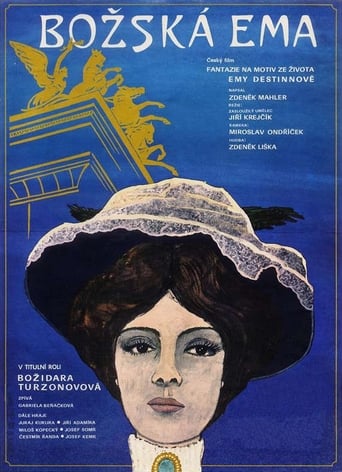 6.2
6.2The opera lady singer Ema Destinnová is in all her splendor at the American stages. But in Europe there rages war and she decides to return home to Bohemia.
The Divine Emma
1979
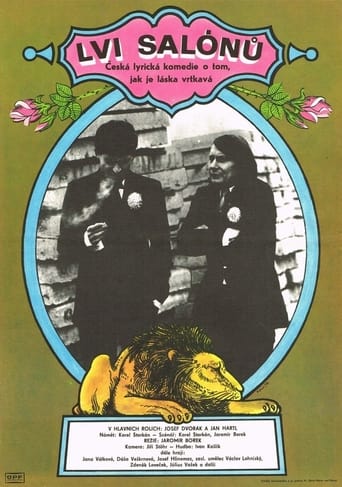 6.0
6.0A marquee stands on a sprawling Prague housing estate and is home to two young bricklayers, who have all sorts of life experiences waiting for them in the city. Around the two rural bricklayers absorbed by the big city, the entertainment is more than a little embarrassing, toothless, revealing that at the height of normalisation, even the jolly genre of drama fared poorly, and any satirical allusions were especially undesirable. With no sense of humorous exaggeration and no wittily punctuated plots, the story unfolds, showing how the characters, living in a marquee standing on a sprawling estate, face all the pitfalls of the "big world"...
Lvi salónů
1978
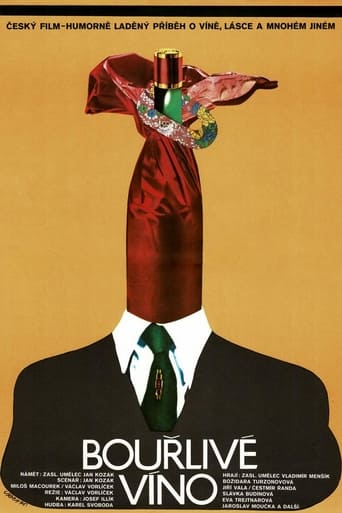 7.7
7.7It is the summer of 1968 and also in South Moravian Pálavice appear political clashes. The so far peacefully farming Unified farmers' cooperative starts splitting. Some of the farmers have found the cooperative called Vidrupa and want to deal with wine in private trade. Michal Janák, chairman of the farmers' cooperative is a deliberate man and refuses the latent return to the capitalism. As an excellent farmer he continues preparing planting out new vineyards. His adversaries do not agree - the returns will come many years later. Jozka Hrdlicka, an émigré, notices on the Austrian TV the interview with the representatives of Vidrupa and decides to visit his native village. The new suit and the hired car transform the bankrupt and criminal to the successful businessman with wine.
Wine Working
1976
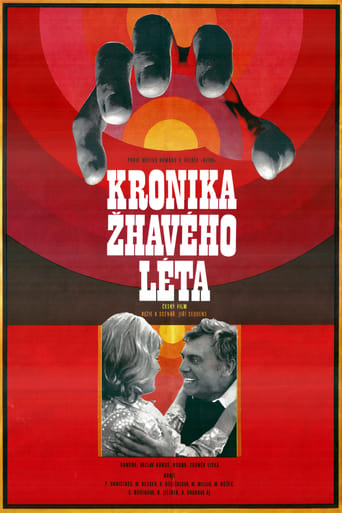 6.5
6.5A broadly drawn ideological epic set in the summer of 1947 in the borderlands of northern Bohemia: reactionary elements plot to undermine postwar social change while committed local communists struggle to organize workers and defend the emerging order. The narrative follows several archetypal figures—steadfast party activists, wary peasants, and obstructive reactionaries—whose clashes illustrate the claimed inevitability of working-class victory under communist leadership.
Kronika žhavého léta
1973
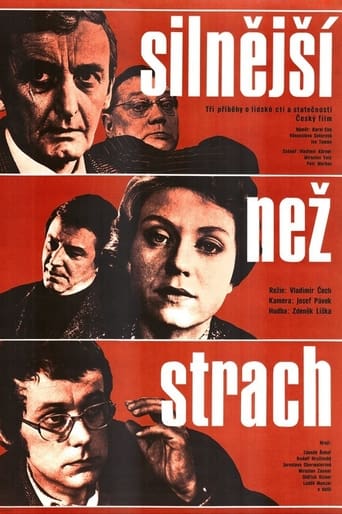 9.0
9.0A short story film in which the first story takes place at the end of the German occupation, when a resistance fighter is arrested while transporting leaflets. The second story takes place in the 1950s at a cattle shed. The final episode tells the story of a doctor terrorized by fleeing criminals.
Silnější než strach
1979
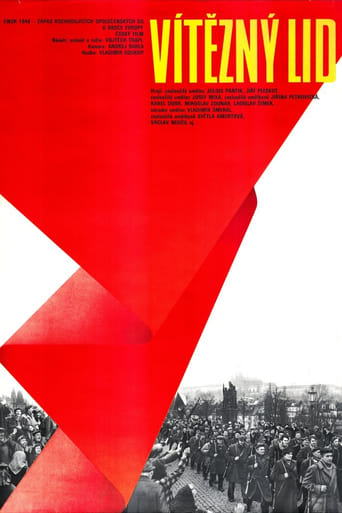 5.0
5.0February 1948. The struggle of decisive social forces for the heart of Europe.
Vítězný lid
1978
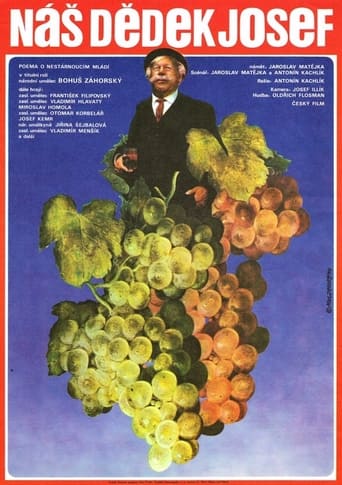 6.5
6.5Set in a 1950s Moravian wine village, an elderly Josef, guided by his quirky life philosophy and humor, recalls key moments from his past. Across nine seasonal vignettes filled with local folklore and customs, he and his fellow elders remain fully engaged in the joys and trials of village life.
Náš dědek Josef
1977
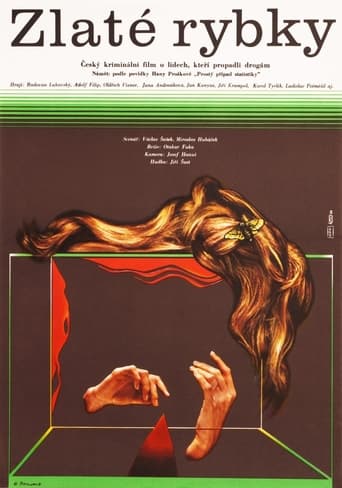 NR
NRPolice discover Eva Nejtková dead in her apartment and her husband Zdeněk unconscious from a shotgun wound. Captain Hora leads the investigation, noting that the killer struck Eva fatally and shattered her large aquarium, yet carefully transferred the goldfish into a smaller tank. Initial suspicion falls on Zdeněk’s apparent suicide attempt, but financial records and the absence of drugs at the scene shift focus. Detectives trace psychotropic medication supplies to Eva’s dealings with local addicts. As they question these “práškaři,” they uncover a network of illicit sales and potential motives tied to debts and blackmail. Clues from the supplier’s arrest and addicts’ testimonies gradually reveal whether Eva’s murder was linked to her clandestine drug trade or if a more personal betrayal lies at the heart of the crime.
Zlaté rybky
1978
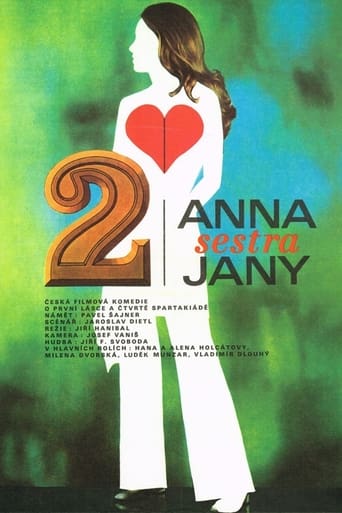 6.0
6.0Energetic Jana comes from Děčín to the metropolis for the Spartakiada, but her shy sister Anna is secretly going with her, looking for an opportunity to apologize to her boy Ondrej.
Anna, sestra Jany
1976
1960s · 6 titles
7.0In this zany Czechoslovakian comedy, a scientist invents a machine that projects a sleeping person's dream on a screen; disaster soon follows when the machine malfunctions and the cartoon-like dream characters become very real!
Who Wants to Kill Jessie?
1966
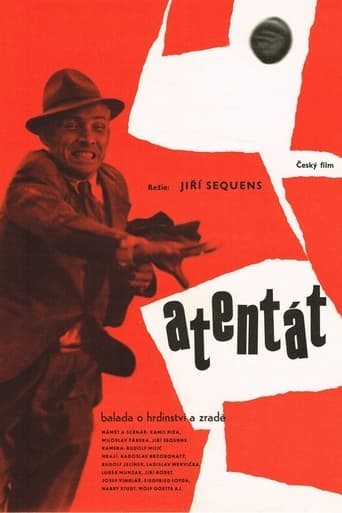 7.5
7.5In autumn 1941, Reich Protector Reinhard Heydrich’s brutal rule in occupied Bohemia and Moravia fuels Czech resistance. In spring 1942, the government-in-exile sends trained paratroopers led by Lt. Král on a mission to assassinate him. Masters Strnad and Vyskočil ambush Heydrich’s open Mercedes in Prague’s Libeň district, mortally wounding him despite a jammed submachine gun. Their success triggers harsh Nazi reprisals, mass executions, and an intense manhunt for the operatives.
Assassination
1965
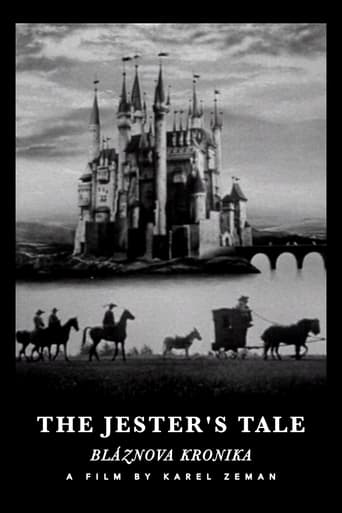 7.3
7.3During the Thirty Years' War, ploughman Petr, recruiter Matěj and country girl Lenka are caught up in both sides of the war and experience many adventures before they find happiness.
The Jester's Tale
1964
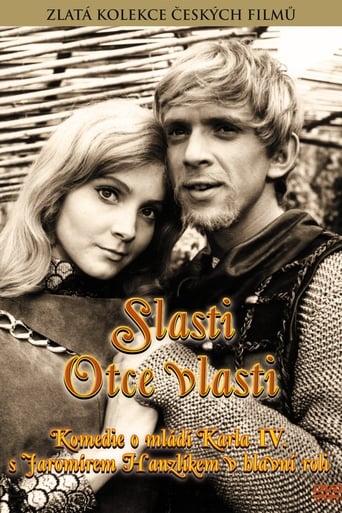 6.4
6.4The young Prince Charles (Jaromír Hanzlík), the future King of his country Charles IV, is being educated at the French court in the company of his fiancée Blanche (Daniela Kolárová). One day he receives a summons from his father John of Luxembourg (Milos Kopecký) in Italy. He leaves for Italy accompanied by a deputation from Bohemia. On the way the prince's company fights a battle with armed Milanese against heavy odds. Thanks to Charles's perspicacity, the prince's almost naked soldiers win through. In Lucca in Italy Charles joins his father, and here he experiences an amorous adventure and escapes from the traps laid by the Italian rebels.
Slasti Otce vlasti
1969
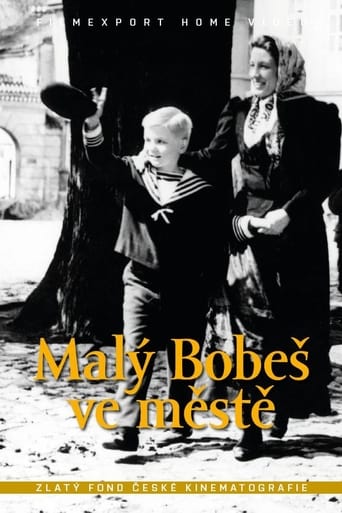 7.0
7.0A loose sequel to the film Little Bobes, it catches up with the title child hero in the town where he and his parents have moved. However, the expectations of a better existence are disrupted by the ever worsening social conditions in the 1930s, and living on the periphery of the big city allows even the little boy to see how evil the exploiters of the workers are. This is a graphic demonstration of how ideological features have also very insensitively crept into children's films. When Bobsha's father couldn't find work after an accident, he decided to sell the cottage and move to the city with his family. He lives in a small house on the periphery and the surrounding environment contrasts strongly with his former home. It takes Bobš a long time to get used to it. A loose sequel to the film "Little Bobesh".
Malý Bobeš ve městě
1962
Czech friends help refugees from Nazi Germany escape in 1939.
Prague at Zero Hour
1963
Series credits
7.3Thirty Cases of Major Zeman is a Czechoslovak action-drama television show intended as a political propaganda to support the official attitude of the communist party. The series were filmed in the 1970s. Each episode encompasses one year, and investigations are stylized to that year. Most are inspired by real cases. The series follows the life of police investigator Jan Zeman during his career from 1945 to 1975.
Thirty Cases of Major Zema
1976
7.5Sanitka was a Czech television, drama series, first broadcast in 1984 and eleven episodes were made. It starred Jaromír Hanzlík, Tomáš Juricka and Zlata Adamovská among others.
Sanitka
1984
No synopsis available yet.
Bližní na tapetě
1970
NRNo synopsis available yet.
Eliška a její rod
1966