

Directing
Michael Gitlin
Known for
Directing
Credits
8 titles
Michael Gitlin has been making media work since the mid-1980s. His early films and videos were most often engaged with teasing apart the mechanics of narrative. This period of work culminated in the short feature, "Berenice" (1996), which is very loosely adapted from the Edgar Allan Poe story of the same name and was included in the 1997 Whitney Biennial Exhibition.
Known for
 NR
Berenice is a meditation on a dream of lost plenitude, and its inversion into decay. The events depicted in the film concern the formation and dissolution of a utopian community in 1832, and the psychic and physical disintegration of two members of that community. In an allusion to the interiority of the main character, Berenice, whose flashbacks form the film’s narrating consciousness, the oblique and inward-turning fictive structure gives itself over to delirious visual asides. The film is partially adapted from the Edgar Allan Poe story of the same name. Additional primary sources used in constructing the film include texts by the 19th-century French utopian Charles Fourier and the collected letters from Brook Farm.
Berenice
1996
 NR
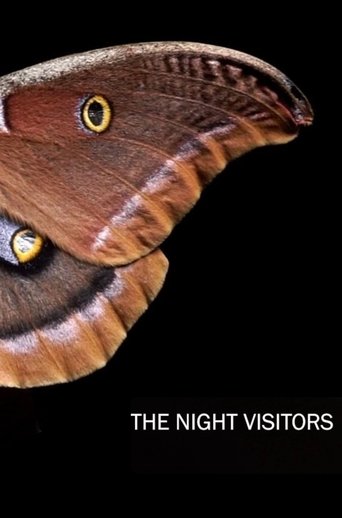
The Night Visitors is a movie about moths. In large and small fragments, looking both inward and out, through a critical lens that is by turns social and personal, the film closely examines these underknown creatures. While The Night Visitors is interested in moths as organisms, with fascinating life histories, staggering biodiversity, and a functional importance as indicators of climate change and habitat degradation, its engagement with them is not primarily entomological. Instead, the film looks at moths as aesthetic beings and as carriers of meaning, aiming for a deep encounter with the beauty and incommensurability of the profoundly other. The small hours of the night are threaded through with a sense of mortality and loss. Moths, with their trembling and exquisite impermanence, provide both a kind of solace and, in their diversity and difference, a focal point around which the desire to know can be organized.
The Night Visitors
2023
 NR
"One of the many disturbing portents of environmental catastrophe to emerge in recent years has been the massive die-off of North American birds: scientists now calculate that the continent’s population has plummeted by nearly 3 billion in only half a century." - Light Industry
The Birdpeople
—
The most beautiful planet deconstructed, played with, and put back together again.
Scan Platform Problems
—
 NR
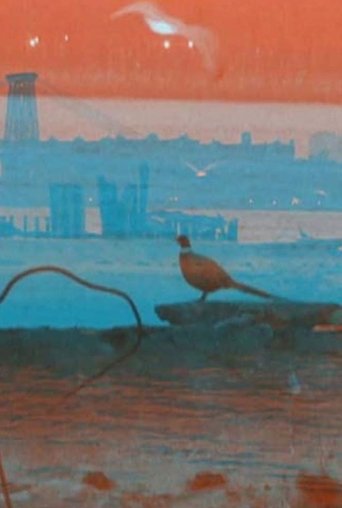
Eastern District Terminal documents a particular lost time and place: the Brooklyn waterfront after the end of its use as an industrial and shipping site, but before it became the front lawn for the shiny apartment towers to come. In that in-between moment, the space functioned as a “temporary autonomous zone.” Shot using a homemade 3D rig, the film wanders and turns through the zone and, along the way, encounters three of its denizens.
Eastern District Terminal
2018
 NR
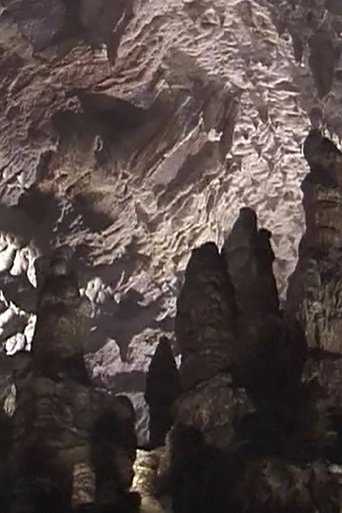
An essay on some aspects of the language and technology deployed in turning natural space into commercialized space, shot in nine different commercialized caverns.
Nine Guided Tours
2000
Behind the camera
NRBerenice is a meditation on a dream of lost plenitude, and its inversion into decay. The events depicted in the film concern the formation and dissolution of a utopian community in 1832, and the psychic and physical disintegration of two members of that community. In an allusion to the interiority of the main character, Berenice, whose flashbacks form the film’s narrating consciousness, the oblique and inward-turning fictive structure gives itself over to delirious visual asides. The film is partially adapted from the Edgar Allan Poe story of the same name. Additional primary sources used in constructing the film include texts by the 19th-century French utopian Charles Fourier and the collected letters from Brook Farm.
Berenice
1996
NRThe Night Visitors is a movie about moths. In large and small fragments, looking both inward and out, through a critical lens that is by turns social and personal, the film closely examines these underknown creatures. While The Night Visitors is interested in moths as organisms, with fascinating life histories, staggering biodiversity, and a functional importance as indicators of climate change and habitat degradation, its engagement with them is not primarily entomological. Instead, the film looks at moths as aesthetic beings and as carriers of meaning, aiming for a deep encounter with the beauty and incommensurability of the profoundly other. The small hours of the night are threaded through with a sense of mortality and loss. Moths, with their trembling and exquisite impermanence, provide both a kind of solace and, in their diversity and difference, a focal point around which the desire to know can be organized.
The Night Visitors
2023
NR"One of the many disturbing portents of environmental catastrophe to emerge in recent years has been the massive die-off of North American birds: scientists now calculate that the continent’s population has plummeted by nearly 3 billion in only half a century." - Light Industry
The Birdpeople
—
NR"One of the many disturbing portents of environmental catastrophe to emerge in recent years has been the massive die-off of North American birds: scientists now calculate that the continent’s population has plummeted by nearly 3 billion in only half a century." - Light Industry
The Birdpeople
—
The most beautiful planet deconstructed, played with, and put back together again.
Scan Platform Problems
—
NREastern District Terminal documents a particular lost time and place: the Brooklyn waterfront after the end of its use as an industrial and shipping site, but before it became the front lawn for the shiny apartment towers to come. In that in-between moment, the space functioned as a “temporary autonomous zone.” Shot using a homemade 3D rig, the film wanders and turns through the zone and, along the way, encounters three of its denizens.
Eastern District Terminal
2018
NRAn essay on some aspects of the language and technology deployed in turning natural space into commercialized space, shot in nine different commercialized caverns.
Nine Guided Tours
2000