
Known for
 6.8
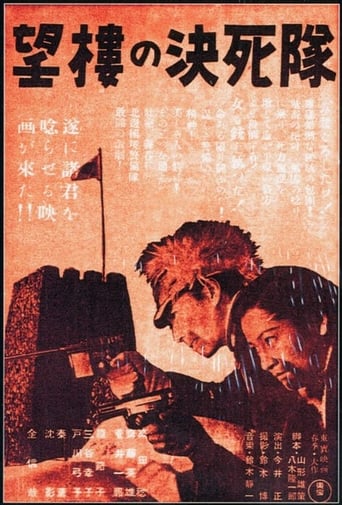
6.8Stalwart soldiers of the Japanese Empire – Japanese and Korean alike – stand in defense of a military outpost threatened by "bandits."
Suicide Troops of the Watchtower
1943
 NR
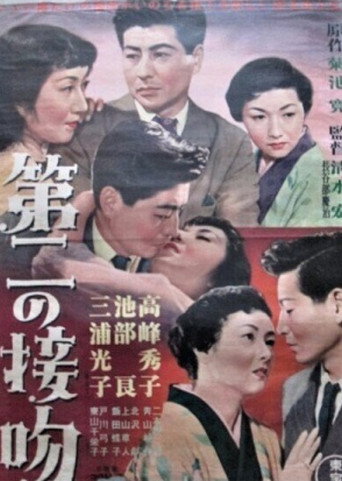
NRAs an orphan, Yamauchi Fumiko was taken in by the politician Kawabe Sotaro and raised by him. Perhaps because of their similar circumstances, she fell in love with Murakawa Sadao, a young man who had also been cared for by Kawabe after losing his father. Standing in the way of their romance is Kawabe’s only daughter Kyoko. She was in love with Murakawa, and Kawabe had even given his consent to their marriage. Through Kyoko’s scheming, Fumiko was forced into a blind date with Miyata, a senior executive at Murakawa’s company.
The Second Kiss
1954
 7.0
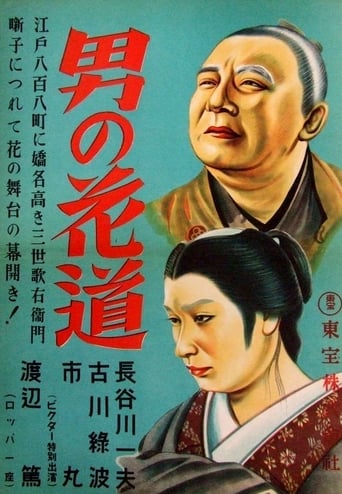
7.0No synopsis available yet.
A Man's Flower Road of Triumph
1941
 NR
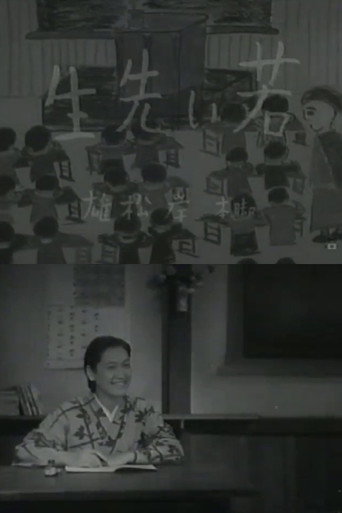
NRA novice city-based teacher's first assignment is to a fishing village's grade school. The young teacher's first week with her new students is enjoyable, but she gradually notices that many of the students are skipping school. Visiting her students after class, she realizes that many of them are charged with work and tasks like making money, toiling on the farm, doing housework or tending to their younger siblings. Many of them live in unhygienic homes due to poverty or overwork. She not only reports and explains the situation to the school's principal, but also attempts to improve the conditions by making textbooks, teaching cleanliness, and making her classes relevant.
Young Teacher
1942
This film focuses on Koreans living in Japan. The filmmaker’s humanism comes across in the portrayal of a girl living in a shabby tenement, the warmth of a Korean girl she meets, and the friendliness of this Korean girl’s family.
The Brick Factory Girl
1946
 10.0
10.0No synopsis available yet.
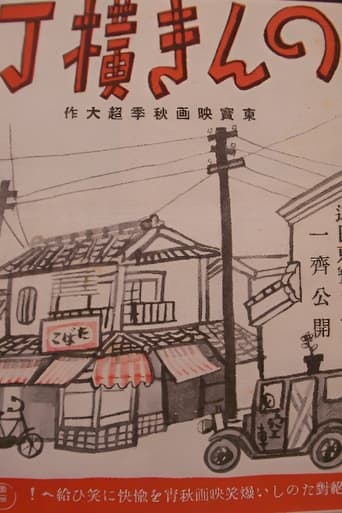
Easy Alley
1939
Film credits
1940s · 7 titles
6.8Stalwart soldiers of the Japanese Empire – Japanese and Korean alike – stand in defense of a military outpost threatened by "bandits."
Suicide Troops of the Watchtower
1943
7.0No synopsis available yet.
A Man's Flower Road of Triumph
1941
NRA novice city-based teacher's first assignment is to a fishing village's grade school. The young teacher's first week with her new students is enjoyable, but she gradually notices that many of the students are skipping school. Visiting her students after class, she realizes that many of them are charged with work and tasks like making money, toiling on the farm, doing housework or tending to their younger siblings. Many of them live in unhygienic homes due to poverty or overwork. She not only reports and explains the situation to the school's principal, but also attempts to improve the conditions by making textbooks, teaching cleanliness, and making her classes relevant.
Young Teacher
1942
This film focuses on Koreans living in Japan. The filmmaker’s humanism comes across in the portrayal of a girl living in a shabby tenement, the warmth of a Korean girl she meets, and the friendliness of this Korean girl’s family.
The Brick Factory Girl
1946
 7.0
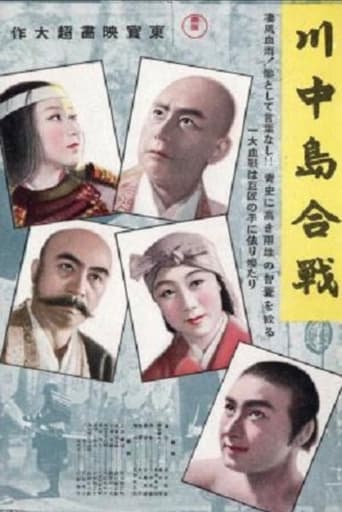
7.0This epic depicts the battle between Uesugi Kenshin and Takeda Shingen. The focus of the story is the struggle by the unit leader in charge of the main supply wagons and the supply troops to transport materiel to the Uesugi army. To this are added episodes involving an itinerant woman.
The Battle of Kawanakajima
1941
 NR
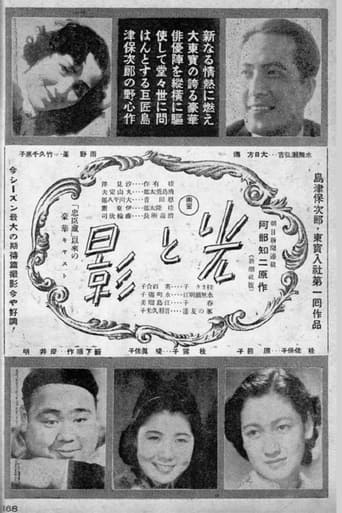
NRPart one of two.
Hikari to kage (Zenpen)
1940
 10.0
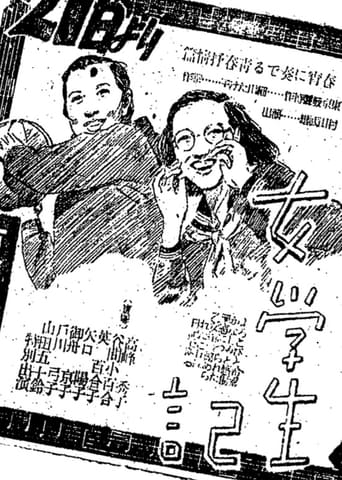
10.0A "slice-of life" film about a group of high school girls in 1940s Japan.
Schoolgirl Records
1941