
Acting
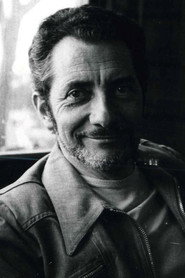
Francis Jeanson
Born — Died
1922-07-07 — 2009-08-01
Place of birth
Bordeaux, Gironde, France
Known for
Acting
Credits
5 titles
Francis Jeanson, born in Bordeaux on July 7, 1922, and died in Arès on August 1, 2009, was a French philosopher, notably known for his support of the FLN during the Algerian War. During World War II, after studying philosophy at the Faculty of Arts in Bordeaux, he escaped through Spain to avoid forced labor in Germany (STO) and joined the Free French Forces in 1943. A reporter for the newspaper Alger républicain in 1945, he met Albert Camus. Sartre entrusted him with the editorship of the journal Les Temps Modernes from 1951 to 1956. It was Jeanson himself who wrote the review of The Rebel, which definitively soured the relationship between Sartre and Camus. He became friends with Emmanuel…
Known for
 8.5
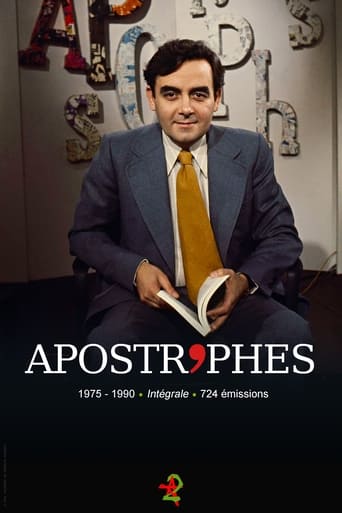
8.5Apostrophes was a live, weekly, literary, prime-time, talk show on French television created and hosted by Bernard Pivot. It ran for fifteen years (724 episodes) from January 10, 1975, to June 22, 1990, and was one of the most watched shows on French television (around 6 million regular viewers). It was broadcast on Friday nights on the channel France 2 (which was called "Antenne 2" from 1975 to 1992). The hourlong show was devoted to books, authors and literature. The format varied between one-on-one interviews with a single author and open discussions between four or five authors.
Apostrophes
1975
 7.0
7.0A small group of French students are studying Mao, trying to find out their position in the world and how to change the world to a Maoistic community using terrorism.
La Chinoise
1967
 10.0
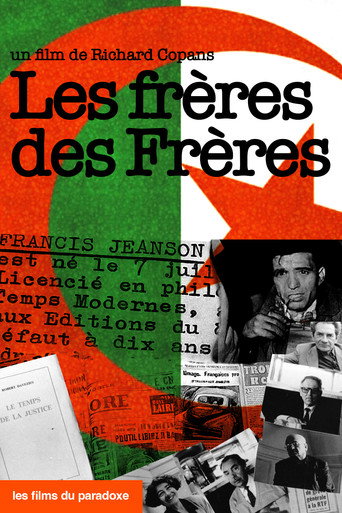
10.0From 1954 to 1962, during the Algerian War, French citizens provided concrete assistance to the FLN in France: sheltering refugees, forging documents, facilitating border crossings, and transporting funds. Whether committed to the ideals of the Republic or driven by Third Worldist revolutionaries, they sought to build a bridge of friendship between nations. They paid for their commitment with imprisonment and exile. Four veterans of the Jeanson network recall this period. Today, they are no longer seen as traitors or heroes, but as witnesses recounting "their" war... Silent for 30 years, the "Jeanson network" now bears witness to this history.
Brothers in Arms
1992
 8.0
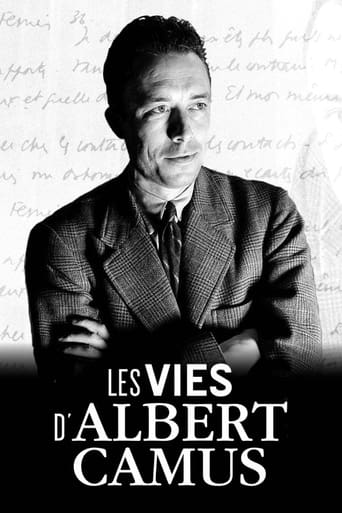
8.0Albert Camus died at 46 years old on January 4, 1960, two years after his Nobel Prize in literature. Author of “L'Etranger”, one of the most widely read novels in the world, philosopher of the absurd and of revolt, resistant, journalist, playwright, Albert Camus had an extraordinary destiny. Child of the poor districts of Algiers, tuberculosis patient, orphan of father, son of an illiterate and deaf mother, he tore himself away from his condition thanks to his teacher. French from Algeria, he never ceased to fight for equality with the Arabs and the Kabyle, while fearing the Independence of the FLN. Founded on restored and colorized archives, and first-hand accounts, this documentary attempts to paint the portrait of Camus as he was.
The Lives of Albert Camus
2020
 NR
NRNo synopsis available yet.
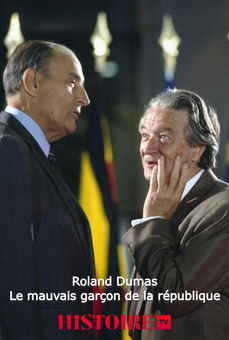
Roland Dumas, le mauvais garçon de la république
2018