
Acting
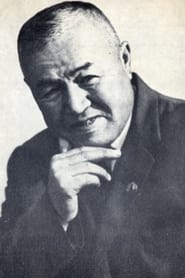
Rakhim Pirmukhamedov
Born — Died
1896-12-20 — 1972-02-15
Place of birth
Tashkent, Syr-Darya Oblast, Turkestan, Russian Empire (Tashkent Region, Uzbekistan)
Known for
Acting
Credits
29 titles
Known for
 7.6
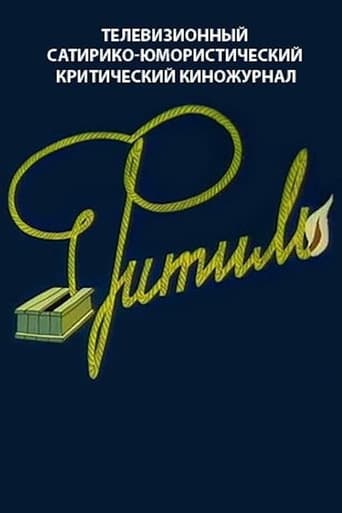
7.6Fitil is a popular Soviet/Russian television satirical/comedy short film series which ran for about 500 episodes. Some of the episodes were aimed at children, and were called Фитилёк, Fitilyok, Little Fuse. Each issue contained from the few short segments: documentary, fictional and animated ones. Directed by various artists, including Leonid Gaidai who presented his famous trio of Nikulin, Vitsin and Morgunov into the cast. It was called in USSR as "the anecdotes from the Soviet government".
Fuse
1962
 10.0
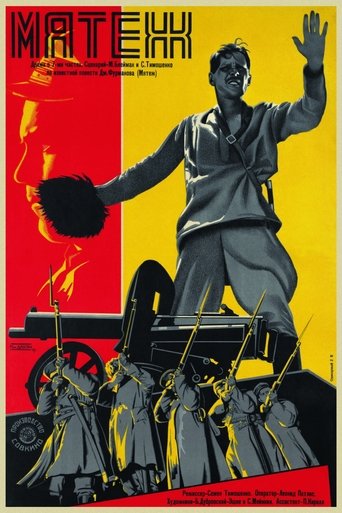
10.0Central Asia during the Civil War. The Jarkent battalion of the Red Army, located in the Verny (now Alma-Ata), receives an order from Frunze to go to the Fergana region to fight the Basmachi. A group of kulaks, with the support of local merchants and beys, incites the unconscious, wavering mass of the Red Army to revolt. The anti-Soviet agitation of counter-revolutionaries, demagogically exploiting the mood of war weariness, provokes an open mutiny in the battalion.
Mutiny
1929
 8.0
8.0No synopsis available yet.
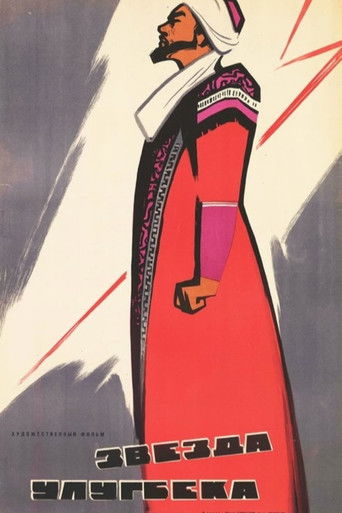
Star of Ulugbek
1965
 NR
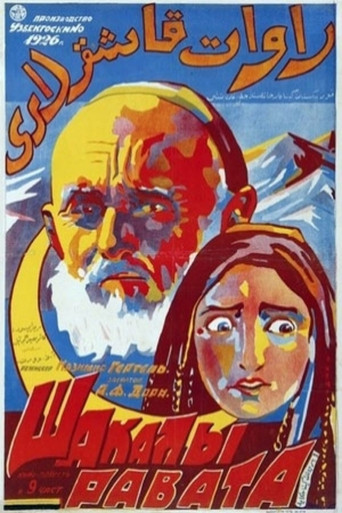
NRAt the center of the story is the family drama of farmer Jalil from the village of Rawat, his wanderings and attempts to save his beloved girl Karaman. Her father is in debt to the local bai Abdu-Nabi and gives his daughter to him as his wife. In the vicinity of the village, the remains of Akram Khan's Basmachi gang are rampaging. Abdu-Nabi maintains a close connection with Rawat’s “jackals”. Jalil goes to the mountains to the Basmachi...
Jackals of Rawat
1927
 7.5
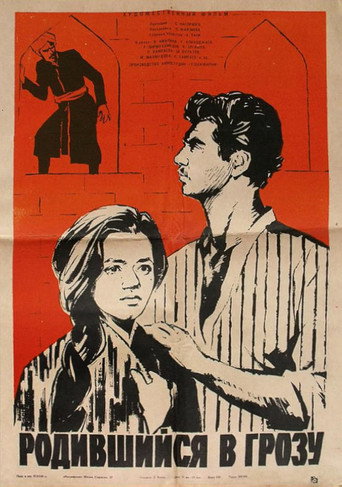
7.5During the Civil War, the young Uzbek playwright Muzaffar and the Russian girl Natasha, who became one of the first actresses in the Uzbek theater, unite their like-minded people to create a national theater. Amid rehearsals, performances, and the struggle for a new art, love blossoms between them. However, fanaticism, prejudice, and the harsh trials of the era stand in the way of their dream. The story of the first Uzbek theater's development becomes a story of great love, courage, and self-sacrifice.
Born in a Thunderstorm
1966
Summer of 1941. Mothers and wives of Uzbekistan escort their sons and husbands to the front. They are learning new professions and sending food trucks to the front.
At the Call of the Leader
1941
Film credits
1970s · 2 titles

1960s · 8 titles
8.0No synopsis available yet.
Star of Ulugbek
1965
7.5During the Civil War, the young Uzbek playwright Muzaffar and the Russian girl Natasha, who became one of the first actresses in the Uzbek theater, unite their like-minded people to create a national theater. Amid rehearsals, performances, and the struggle for a new art, love blossoms between them. However, fanaticism, prejudice, and the harsh trials of the era stand in the way of their dream. The story of the first Uzbek theater's development becomes a story of great love, courage, and self-sacrifice.
Born in a Thunderstorm
1966
 NR
NRAbout the fate of Hamza Hakim-zadeh Niyazi, an Uzbek poet, playwright, and public figure.
Hamza
1961
 10.0
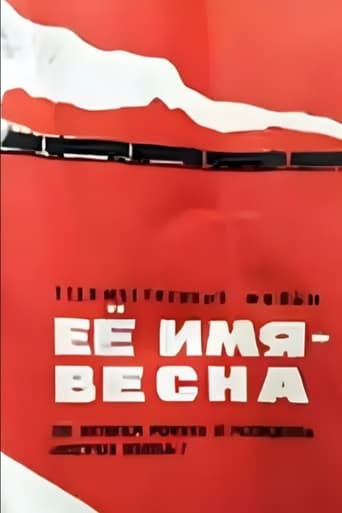
10.0The film takes place in Uzbekistan during the Great Patriotic War. Pulat and Bahor love each other, but the happiness of the heroes is prevented by a rich friend of the parents of a girl who sees her as her future wife.
Her Name Is Spring
1969
 8.0
8.0The comedy is based on the ancient legend of Tahir and Zuhr. The action has been transferred to our time. Various obstacles stand in the way of lovers, but in the end, despite all the machinations of others, Tahir and Zuhra find their happiness.
Likes or Dislikes?
1963
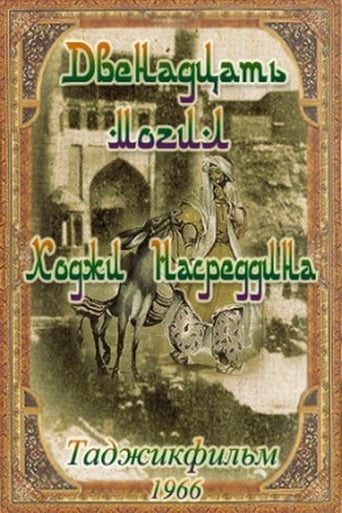 6.5
6.5Soviet film following Nasreddin
12 graves of Khoja Nasreddin
1967
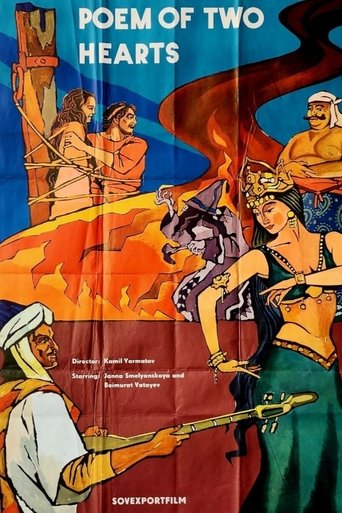 7.0
7.0Having once seen a portrait of the shah dancer Madina Banu, the singer Murad-ali falls in love with a beauty and sets off in search of her. The hero finds himself in the palace of the Shah, and soon becomes convinced of the reciprocity of his feelings. But his appearance becomes known to the Shah. An angry ruler offers him a choice: rejection of his beloved or the burning of both at the stake.
Poem of Two Hearts
1968
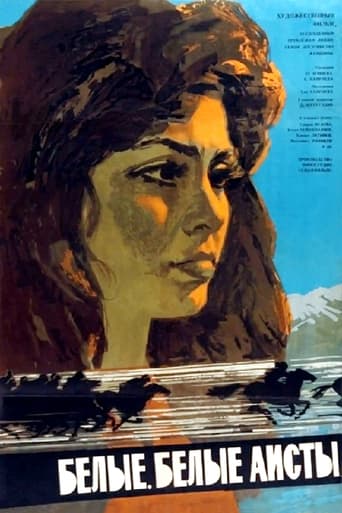 7.2
7.2Set in the rural village of White Storks, the story tackles the taboo subject of an extramarital affair. Strong-willed Malika, married but childless, is openly consorting with another man with whom she shares a seemingly tender bond.
White, White Storks
1967
1950s · 3 titles
 9.0
9.0Lenin signs a decree on the establishment of a university in Turkestan.
By Lenin's Scholarship
1958
 NR
NRThe Russian revolutionary Bashilov was exiled by the tsarist authorities to Turkestan, to the waterless Hungry steppe. Here he saw the lack of rights, poverty and humiliation of the people. The intimidated dehkans are afraid even to stand up for the little Batyr, the son of Hakim, who raised his hand against the bai. And only Bashilov stands up for the boy and adopts him.
The Sons Are Moving On
1958
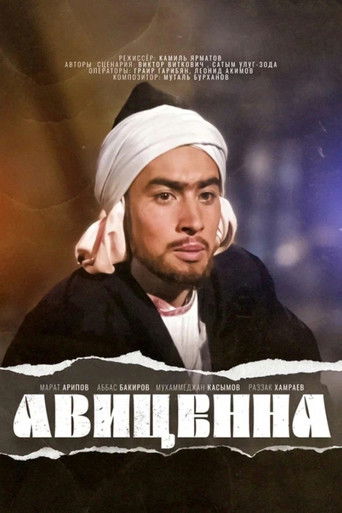 9.0
9.0The film is dedicated to the philosopher, doctor, scientist of the East and poet Abu-Ali Ibn-Sin, who lived in Bukhara in the 10th century and was known in Europe under the name of Avicenna. Bukhara. Eighteen-year-old doctor Ibn Sina saves the emir from a fatal illness. Refusing gold and honors, the young man only asks for admission to the emir's book depository as a reward. The study of the works of ancient scientists, philosophers, doctors, observations of nature, numerous experiments increase the knowledge of Ibn Sipa. The treacherous attack on Bukhara by the troops of the ruler of Ghazna Mahmud, who devastated the city and set the world's greatest book depository on fire, forced Ibn-Sina to leave his homeland. After many years of wandering, he, together with his student and assistant Juzjani, comes to the capital of Khorezm, Gurganj, to declare war on the plague raging here...
Avicenna
1957
1940s · 8 titles
Summer of 1941. Mothers and wives of Uzbekistan escort their sons and husbands to the front. They are learning new professions and sending food trucks to the front.
At the Call of the Leader
1941
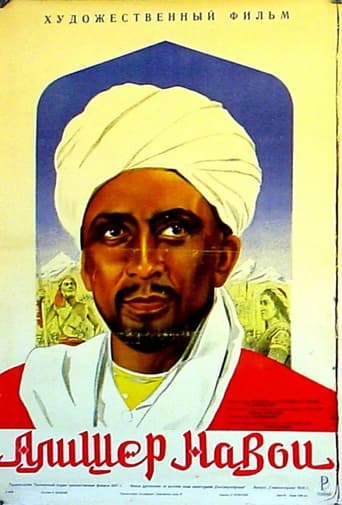 9.0
9.0Biographical drama about one of the most famous Uzbek poets of the 15th century, Alisher Navoiy.
Alisher Navoiy
1948
 NR
NRSurgeon Sahib Niyazi is developing a new method for healing bone fractures, but his first human operation was unsuccessful. His personal issues worsen due to his relationship with Anna, who criticizes his lack of attention and is considering a breakup, as she is being pursued by pilot Gani.
The Road Without Sleep
1947
In the late 1930s, Yuldashev, a journalist, came to one of the sanatoriums in Uzbekistan. He wants to write an article about a warrior hero. But everyone he talks to refers him to someone else, someone more worthy.
Ordinary Matter
1940
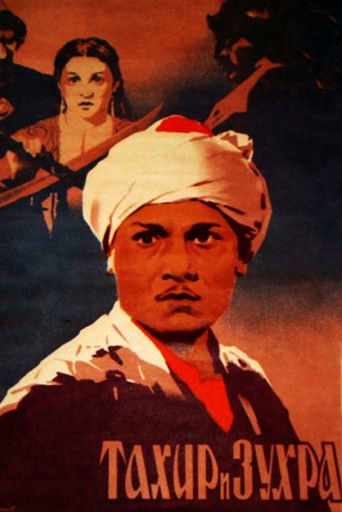 8.5
8.5A Romeo & Juliet-esque tale set in Uzbekistan.
Takhir and Zukhra
1945
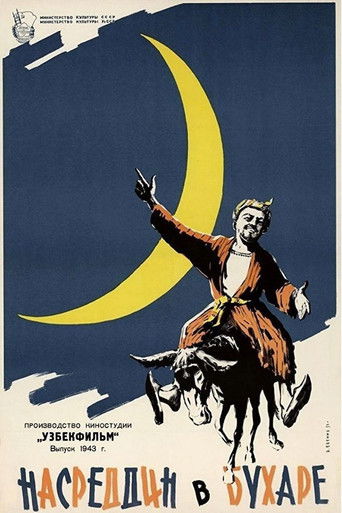 5.1
5.1Smart Man Nassredin easily penetrates into Bukhara Emir inner circle posing as Wise Man from Damascus. He becomes Emir trusted advisor, and even convinces the tyrant to relax the rule and release a lot of political prisoners (because stars favor this arrangement).
Nasreddin in Bukhara
1943
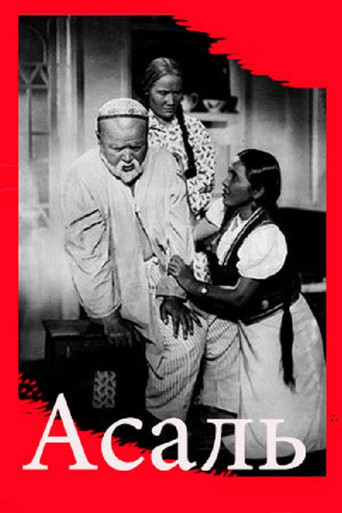 NR
NRThe famous textile worker Natasha Abrikosova travels from Moscow to Tashkent to introduce the innovative method of the Vinogradovs at a textile mill (E. Vinogradova was the film's technical consultant). However, the director of the plant, Rizaev (a hidden enemy), is trying with all his might to thwart Abrikosova's plan. Having chosen Asal as her assistant, the girl soon achieves a record output and, thereby, provokes Rizaev to an open crime.
Asal
1940
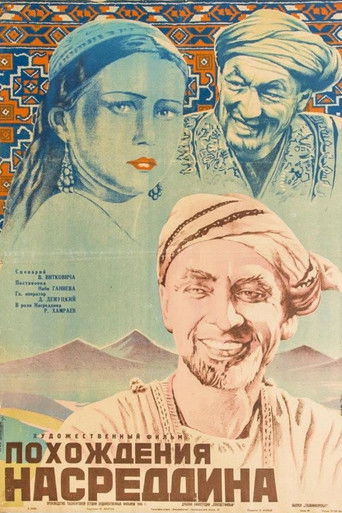 8.0
8.0A story about Nasreddin - a funny and adventurous hero of many Mid-Asian tales.
The Adventures of Nasreddin
1946
1930s · 2 titles
1920s · 5 titles
10.0Central Asia during the Civil War. The Jarkent battalion of the Red Army, located in the Verny (now Alma-Ata), receives an order from Frunze to go to the Fergana region to fight the Basmachi. A group of kulaks, with the support of local merchants and beys, incites the unconscious, wavering mass of the Red Army to revolt. The anti-Soviet agitation of counter-revolutionaries, demagogically exploiting the mood of war weariness, provokes an open mutiny in the battalion.
Mutiny
1929
NRAt the center of the story is the family drama of farmer Jalil from the village of Rawat, his wanderings and attempts to save his beloved girl Karaman. Her father is in debt to the local bai Abdu-Nabi and gives his daughter to him as his wife. In the vicinity of the village, the remains of Akram Khan's Basmachi gang are rampaging. Abdu-Nabi maintains a close connection with Rawat’s “jackals”. Jalil goes to the mountains to the Basmachi...
Jackals of Rawat
1927
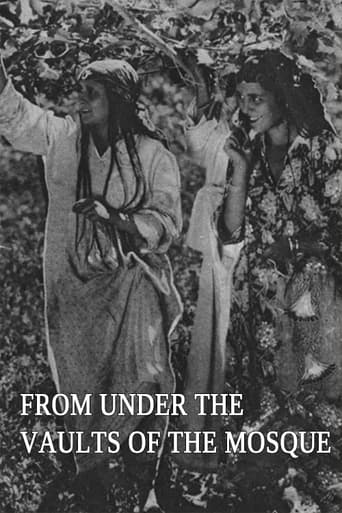 NR
NRAbout the struggle of the Uzbek people against the oppression of local feudal lords.
From Underneath the Arches of the Mosque
1928
 NR
NRJust married to Said Vali, a rich merchant, young and pretty Tilla Oi thinks she will surprise and please her husband by dressing in European style. What a mistake; not only does she immediately lose all his esteem but she begins what will be for her a terrible descent into hell.
The Leper
1928
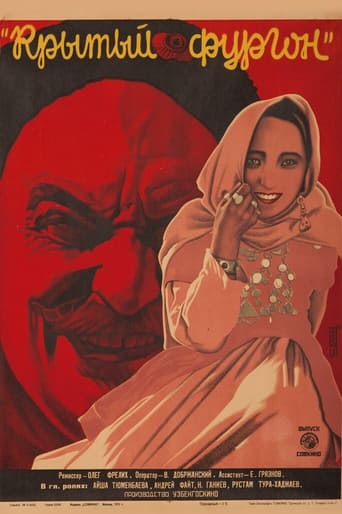 NR
NRKyrgyzstan during the civil war (1920s). It follows the drama of a young woman, Aidzhamal, who marries a man she doesn’t love, and her beloved shepherd, Kalymbet.
The Covered Wagon
1928