
Directing
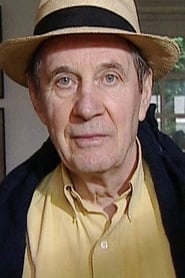
André S. Labarthe
Born — Died
1931-12-18 — 2018-03-05
Place of birth
Oloron-Sainte-Marie, Pyrénées-Atlantiques, France
Known for
Directing
Credits
70 titles
André S. Labarthe (18 December 1931 – 5 March 2018) was a French actor, film producer and director. He starred alongside Anna Karina in the 1962 film Vivre sa vie. He was the director of many television documentaries that profile specific individuals, beginning with Cinéastes de notre temps.
Known for
 7.5
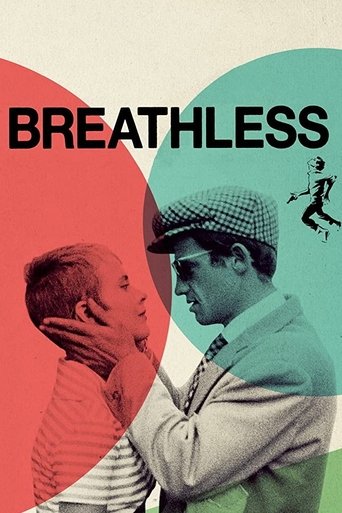
7.5A small-time thief steals a car and impulsively murders a motorcycle policeman. Wanted by the authorities, he attempts to persuade a girl to run away to Italy with him.
Breathless
1960
 7.7
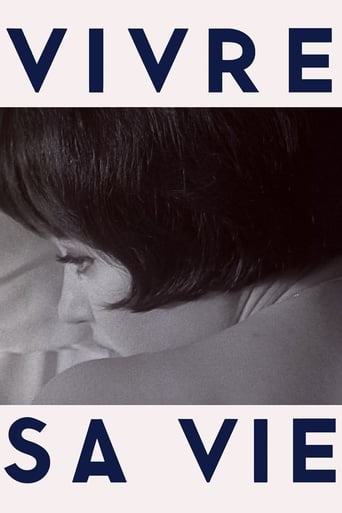
7.7Twelve episodic tales in the life of a Parisian woman and her slow descent into prostitution.
Vivre Sa Vie
1962
 6.5
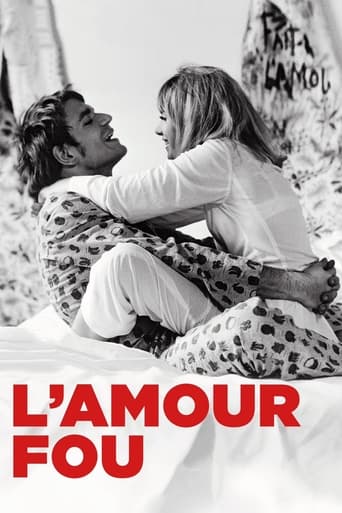
6.5A troubled marriage is tested by the couple's involvement in a theatrical production of Racine’s Andromaque.
L'Amour fou
1969
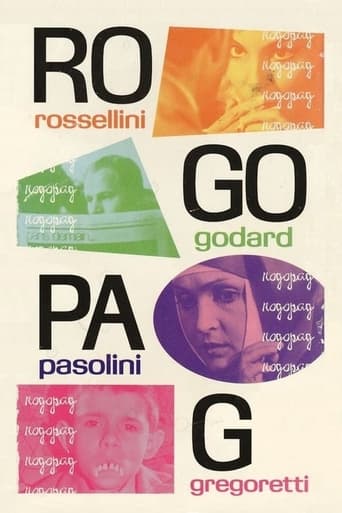
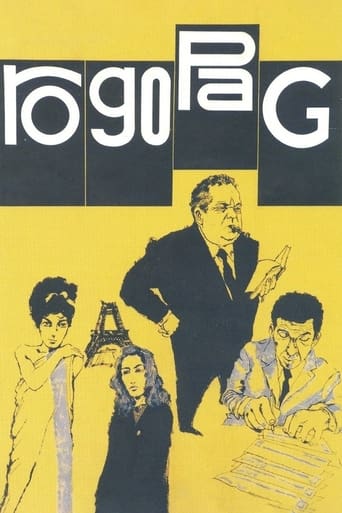 7.2
7.2Four short films by four different directors dealing with the principles of modern life. "Illibatezza" (Rossellini): The hostess Anna Maria, to dissuade an aggressive suitor who prefers maternal tendencies, assumes an unscrupulous attitude, obeying the suggestions of her distant boyfriend. "The New World" (Godard): The deflagration of an atomic bomb causes strange effects on the inhabitants of a city. "La ricotta" (Pasolini): During the filming of a film about a religious subject, the extra Stracci dies hanging on the cross due to an indigestion of ricotta. "Il pollo spante" (Gregoretti): While an expert illustrates to a board of merchants the most modern techniques to increase sales through the discovery of the secret self of the average consumer, the human story of a bourgeois who, following these suggestions, focuses on the purchase of a plot of land in the countryside.
Ro.Go.Pa.G.
1963
 6.3
6.3After leaving France in search of a better life in America, a television producer returns with a group of burlesque dancers to take the Paris club scene by storm.
On Tour
2010
 6.4
6.4In 1985, former oil rig worker Richard Linklater began a film screening society in Austin, Texas, that aimed to show classic art-house and experimental films to a budding community of cinephiles. Eventually incorporating as a nonprofit, the newly branded Austin Film Society raised enough money to fly in their first out-of-town filmmaker: James Benning. Accepting the invitation, Benning met Linklater and the two began to develop a personal and intellectual bond, leading to many future encounters. Starting in the 1960s, Benning had been creating low budget films mostly on his own, while Linklater had just begun to craft his first shorts. The filmmakers have remained close even as their careers have diverged. After the cult success of Slacker, Linklater went on to make films with Hollywood support. Benning, meanwhile, has stayed close to his roots and is mainly an unknown figure in mainstream film culture.
Double Play: James Benning and Richard Linklater
2013
Film credits
2010s · 8 titles
6.3After leaving France in search of a better life in America, a television producer returns with a group of burlesque dancers to take the Paris club scene by storm.
On Tour
2010
 NR
NRTwo enigmatic figures with code names, Costello and the Colonel, bound seemingly by some mysterious revolutionary past, engage in an intense conversation concerning the architecture surrounding them, with possible catastrophic consequences.
Incident Urbain
2014
 NR
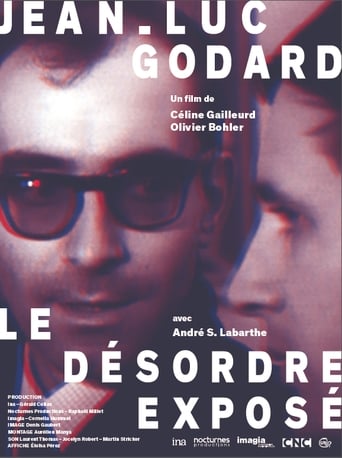
NRThe film retraces Jean-Luc Godard's notorious exhibition at the Centre national d'art et de culture Georges Pompidou in Paris between 11 May – 14 August 2006.
Jean-Luc Godard, Disorder Exposed
2012
 NR
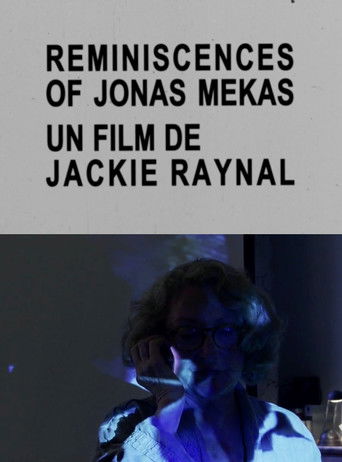
NRA “Cinéma, de notre temps” series episode directed by french filmmaker Jackie Raynal, originally aired 29 May 2016.
Reminiscences of Jonas Mekas
2016
 6.7
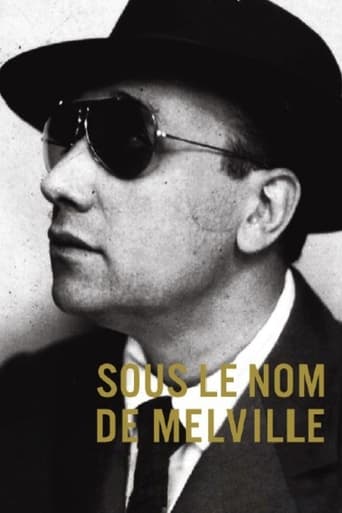
6.7Mixing interviews, rare archival footage and film extracts, the film shows how Melville's works were impacted by what he experienced in his youth during WWII, and how it structured his whole approach to cinema, not only in its thematic but also in its aesthetics.
Code Name: Melville
2010
 6.0
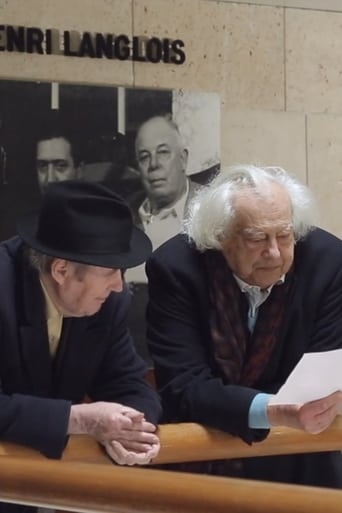
6.0Five, even six, variations on a theme, commentary and interpretation of the same photograph. An exercise to tell and summarize the history of the Cinémathèque française.
La photo
2014
 NR
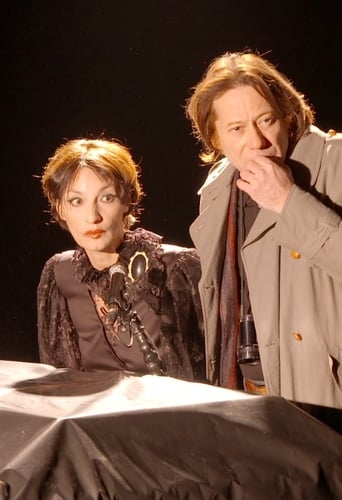
NROn the shooting or when talking about it, Mathieu Amalric is preparing Barbara, his film about the iconic singer, starring the incredible Jeanne Balibar.
Amalric, l’art et la matière
2018
 NR
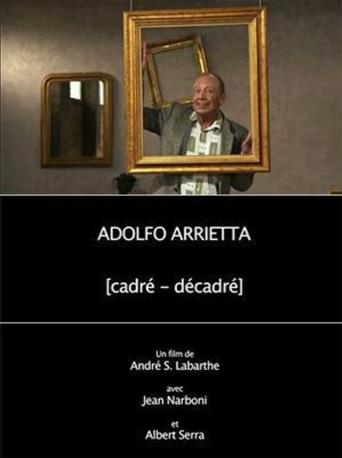
NRA “Cinéma, de notre temps” series episode directed by french film critic André S. Labarthe, originally aired sometime around 2015.
Adolfo Arrietta, (cadré - décadré)
2015
2000s · 3 titles
 7.5
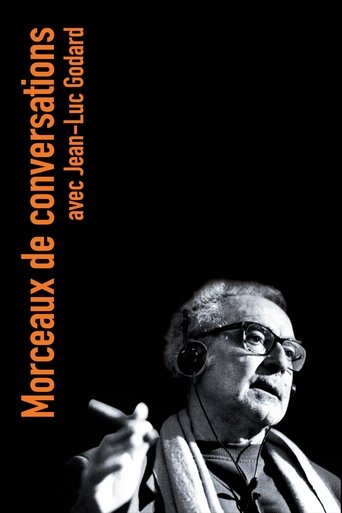
7.5In his meetings with various different people, Jean-Luc Godard develops his thinking about history, politics, the cinema, images and time, and this will lead to his exhibition as an artist at the Pompidou Centre. Jean-Luc Godard’s conversations with Dominique Païni, Jean Narboni, André S. Labarthe, Jean-Marie Straub, Danielle Huillet and Christophe Kantcheff were filmed at his home in Rolle, in his study, at the Fresnoy National Studio for the Contemporary Arts (in front of students) and in the exhibition rooms of the Pompidou Centre.
Fragments of Conversations with Jean-Luc Godard
2009
 NR
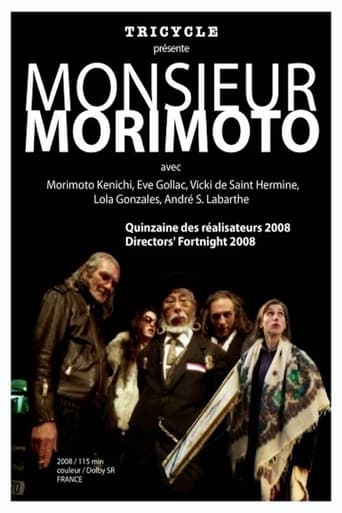
NRA retired Japanese ex-patriot living the life of a bohemian Parnassian painter in Paris loses his latest picture, and wanders into Belleville hoping to reclaim what is rightfully his. Along the way, the drifting stray cat comes into contact with a series of colorful dreamers on a never ending search for love - much like himself.
Monsieur Morimoto
2008
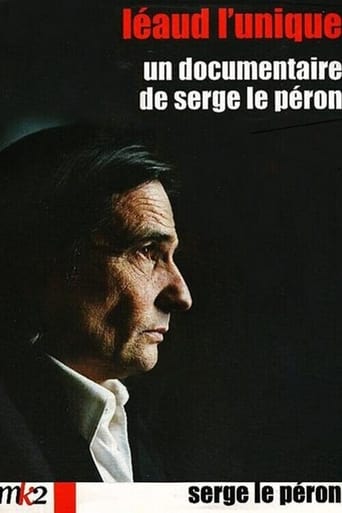 10.0
10.0Documentary about the work of Nouvelle Vague actor Jean-Pierre Léaud, with interview clips, film clips and contributions from directors and actors he has worked with.
Léaud l'unique
2001
1990s · 3 titles
 6.4
6.4Director Jean-Luc Godard reflects in this movie about his place in film history, the interaction of film industry and film as art, as well as the act of creating art.
JLG/JLG: Self-Portrait in December
1995
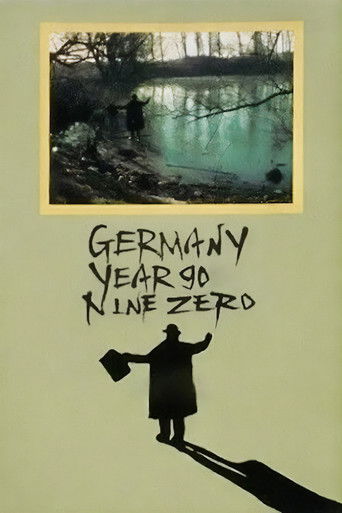 6.7
6.7The supremely world-weary Lemmy Caution, last seen in Godard's "Alphaville" (France/1965), has several strange encounters while trying to make his way from the former East Germany to "the west."
Germany Year 90 Nine Zero
1993
 6.2
6.2A famous French filmmaker is hired by a major Hollywood producer to make a documentary on the state of post-Cold War Russia. The filmmaker, though, subverts the project by stubbornly remaining in France and casting himself as the title character of Dostoyevsky's "The Idiot," offering up a series of typically Godardian musings on art, politics, the nature of images and the future of cinema.
The Children Play Russian
1993
1970s · 2 titles
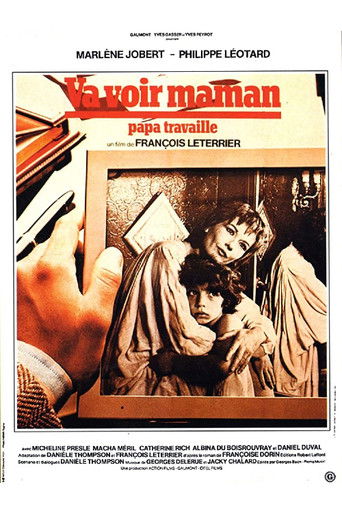 4.5
4.5Family mother and model wife, Agnes hits a vehicle while driving in Paris. She immediately falls in love with the driver of the damaged car.
Your Turn, My Turn
1978
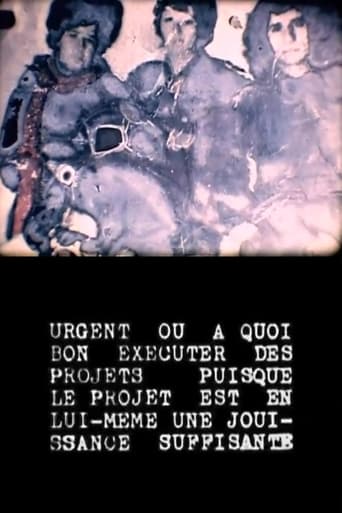 7.0
7.0Gérard Courant applies the Lettrist editing techniques of Isidore Isou to footage of late 70's pop culture. Courant posits that his cinema offers an aggressive détournement to the French mainstream, reifying a Duchampian view of film: "I believe in impossible movies and works without meaning... I believe in the anti-movie. I believe in the non-movie. I believe in Urgent... My first full length movie that is so anti-everything that I sometimes wonder if it really does exist!"
Urgent ou à quoi bon exécuter des projets puisque le projet est en lui-même une jouissance suffisante
1977
1960s · 13 titles
7.5A small-time thief steals a car and impulsively murders a motorcycle policeman. Wanted by the authorities, he attempts to persuade a girl to run away to Italy with him.
Breathless
1960
7.7Twelve episodic tales in the life of a Parisian woman and her slow descent into prostitution.
Vivre Sa Vie
1962
6.5A troubled marriage is tested by the couple's involvement in a theatrical production of Racine’s Andromaque.
L'Amour fou
1969
7.2Four short films by four different directors dealing with the principles of modern life. "Illibatezza" (Rossellini): The hostess Anna Maria, to dissuade an aggressive suitor who prefers maternal tendencies, assumes an unscrupulous attitude, obeying the suggestions of her distant boyfriend. "The New World" (Godard): The deflagration of an atomic bomb causes strange effects on the inhabitants of a city. "La ricotta" (Pasolini): During the filming of a film about a religious subject, the extra Stracci dies hanging on the cross due to an indigestion of ricotta. "Il pollo spante" (Gregoretti): While an expert illustrates to a board of merchants the most modern techniques to increase sales through the discovery of the secret self of the average consumer, the human story of a bourgeois who, following these suggestions, focuses on the purchase of a plot of land in the countryside.
Ro.Go.Pa.G.
1963
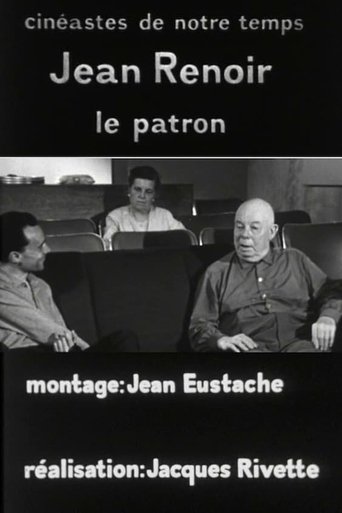 NR
NRIn the third part of a Cinéastes triptych on Jean Renoir, the director sits alone in a cinema analyzing scenes from La Marseillaise and The Rules of the Game, and discussing his editing and storytelling techniques.
Jean Renoir, le patron, 3e partie: La règle et l'exception
1967
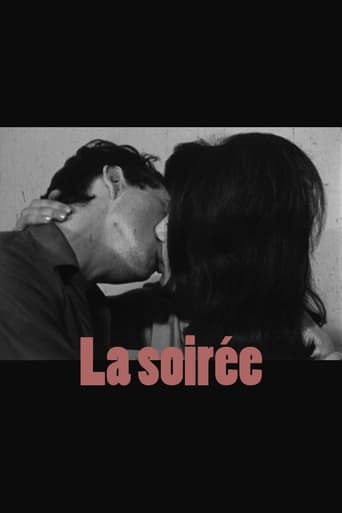 4.3
4.3Unfinished film by Jean Eustache . A couple kisses. A group of friends talk inside a room. One of them reads from a paper.
The Evening
1961
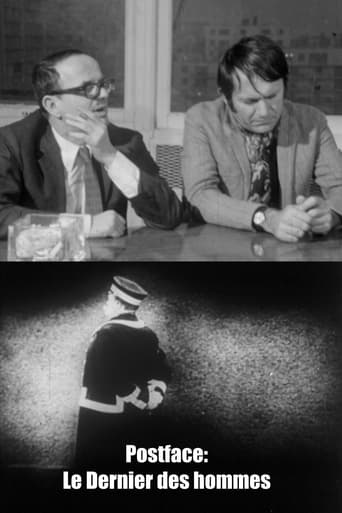 5.0
5.0Discussion between the critics André S. Labarthe, Jean Domarchi and director Marc'O, on a film of Murnau.
Postface : Le Dernier des hommes
1969
 7.9
7.9An overview of Luis Buñuel's career. Includes an interview with the filmmaker.
Luis Buñuel : Un cinéaste de notre temps
1964
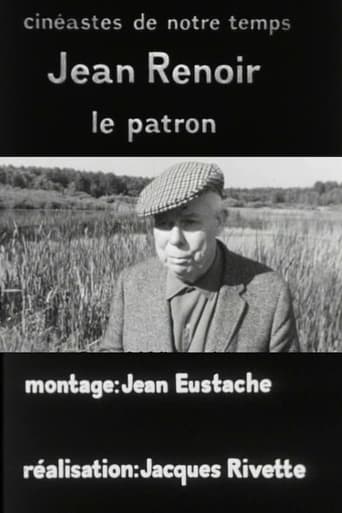 9.0
9.0The first of three documentaries by Rivette on Jean Renoir.
Jean Renoir, le patron, 1re partie: La recherche du relatif
1967
 8.3
8.3Second in the documentary trilogy from mastermind Jacques Rivette, featuring a conversation between Jean Renoir and Michel Simon, who celebrate their reunion by discussing, among other things, La Chienne (1931) and Boudu Saved from Drowning (1932).
Jean Renoir, le patron, 2e partie: La direction d'acteur
1967
 6.5
6.5This short film shows a young couple during a short period after the explosion of a nuclear bomb 120 km above Paris. The city appears unaffected, but the man begins to notice changes in the behavior of the people in general and in that of his girl friend in particular. Part of the Italian anthology film RoGoPaG (1962).
The New World
1963
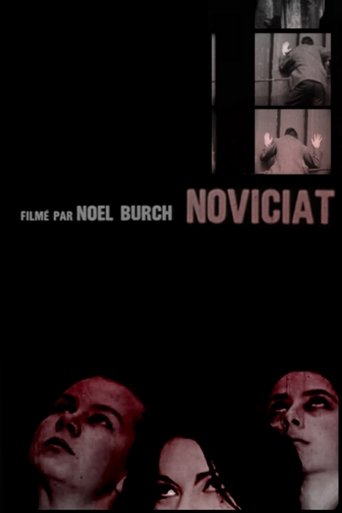 6.0
6.0A peeping tom caught spying on a women's self-defense class is taken captive by the class leader. At first the class uses him as a training dummy, but his treatment at the hands of the ladies steadily becomes more dangerous and humiliating.
Noviciat
1965
A “Cinéastes de notre temps” series episode directed by french film critics Noël Burch and André S. Labarthe, originally aired in two parts.
Alain Robbe-Grillet
1969
Behind the camera
6.4In 1985, former oil rig worker Richard Linklater began a film screening society in Austin, Texas, that aimed to show classic art-house and experimental films to a budding community of cinephiles. Eventually incorporating as a nonprofit, the newly branded Austin Film Society raised enough money to fly in their first out-of-town filmmaker: James Benning. Accepting the invitation, Benning met Linklater and the two began to develop a personal and intellectual bond, leading to many future encounters. Starting in the 1960s, Benning had been creating low budget films mostly on his own, while Linklater had just begun to craft his first shorts. The filmmakers have remained close even as their careers have diverged. After the cult success of Slacker, Linklater went on to make films with Hollywood support. Benning, meanwhile, has stayed close to his roots and is mainly an unknown figure in mainstream film culture.
Double Play: James Benning and Richard Linklater
2013
 8.0
8.0Amazing documentary shows rarely seen side of a master director. 1990 was a very good year for Martin Scorsese. After making a diverse group of films in the 80s, he reunited with Robert DeNiro for "Goodfellas" and later that year shot a segment for "New York Stories", an anthology film of three shorts by Scorsese, Woody Allen, and Francis Ford Coppola. During the editing, the French documentary series "Cinéma, de notre temps" filmed a documentary on the director, and it's a fascinating glimpse into his life, personality, and working habits as he edits his short with long-time collaborator Thelma Schoonmaker.
The Scorsese Machine
1990
8.0Amazing documentary shows rarely seen side of a master director. 1990 was a very good year for Martin Scorsese. After making a diverse group of films in the 80s, he reunited with Robert DeNiro for "Goodfellas" and later that year shot a segment for "New York Stories", an anthology film of three shorts by Scorsese, Woody Allen, and Francis Ford Coppola. During the editing, the French documentary series "Cinéma, de notre temps" filmed a documentary on the director, and it's a fascinating glimpse into his life, personality, and working habits as he edits his short with long-time collaborator Thelma Schoonmaker.
The Scorsese Machine
1990
NRIn the third part of a Cinéastes triptych on Jean Renoir, the director sits alone in a cinema analyzing scenes from La Marseillaise and The Rules of the Game, and discussing his editing and storytelling techniques.
Jean Renoir, le patron, 3e partie: La règle et l'exception
1967
 8.0
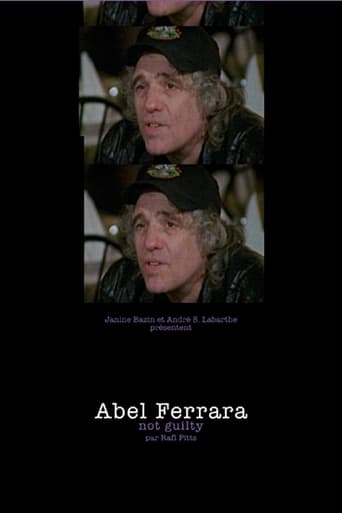
8.0Intimate portrait of Abel Ferrara: the result is an eccentric road movie, with the restless film maker as a charming, shabby guide around New York by night.
Abel Ferrara: Not Guilty
2003
 6.6
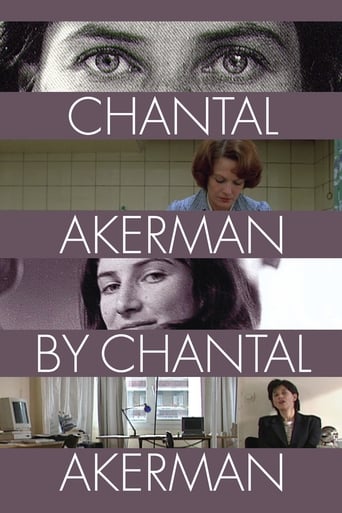
6.6Janine Bazin and André Labarthe approached Chantal Akerman about making a film for the series; eagerly, Akerman proposed a number of filmmakers—but all had already been done. So she suggested…“How about me?” Akerman creates a fascinating self-portrait that takes us through her career, aided by critics Emmanuel Burdeau and Jean Narboni and filmmaker Luc Moullet.
Chantal Akerman by Chantal Akerman
1997
 NR
NRJeanne Moreau, filmed by Jacques Rozier, meets with Jerry Lewis, Barbet Schroeder and Orson Welles, among others.
Jeanne Moreau : Vive le cinéma !
1972
A documentary about the dancer Sylvie Guillem on her daily round of classes, rehearsals and peformances.
Sylvie Guillem Au Travail
—
 6.6
6.6This film of interviews with the film director Jacques Rivette was produced in collaboration with Serge Daney, film critic from “Cahiers du cinéma”, then of “Liberation”. In the course of their conversations, the two speakers discuss Rivette’s career, his relationships with the other film makers of the new wave, his use of “mise en scene” and his working with actors.
Jacques Rivette, the Watchman
1990
 6.2
6.2An hour-long discussion between Fritz Lang and Jean-Luc Godard in which they discuss a variety of art forms, the role of the cinema, their collaboration together, and much more. (Filmed in 1964 but released for TV in 1967.)
The Dinosaur and the Baby
1967
6.2An hour-long discussion between Fritz Lang and Jean-Luc Godard in which they discuss a variety of art forms, the role of the cinema, their collaboration together, and much more. (Filmed in 1964 but released for TV in 1967.)
The Dinosaur and the Baby
1967
 NR
NRInterview with the French film director, conducted for television in 1978.
Ciné regards: Jacques Tati
1978
Part of the Cinéastes de notre temps series.
Éric Rohmer, preuves à l’appui
1994
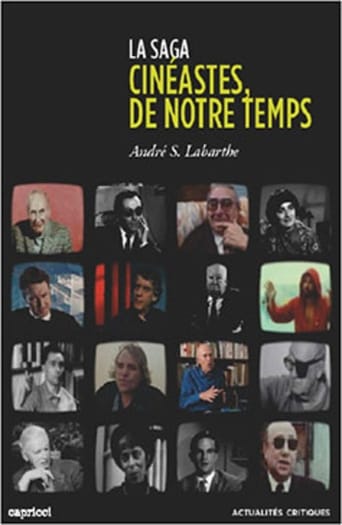 5.0
5.0No synopsis available yet.
Cinéastes de notre temps : Erich von Stroheim
2012
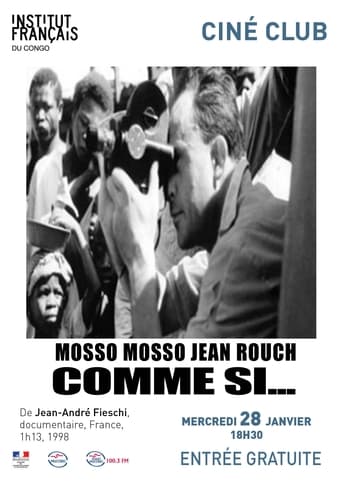 6.0
6.0No synopsis available yet.
Cinéma, de notre temps: Mosso, mosso (Jean Rouch comme si...)
1999
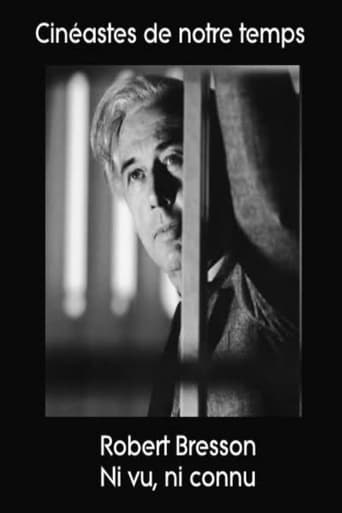 9.0
9.0An episode of the television program Cinéastes de notre temps in which the director gives his first on-camera interview.
Bresson: Without a Trace
1965
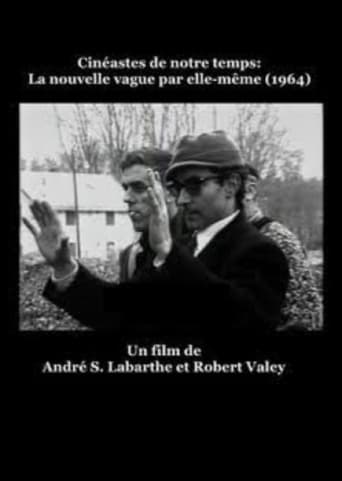 8.0
8.0Made for Cinéastes de notre temps series. In 1964, several French New Wave auteurs discuss the success and crisis of the wave. Featuring Claude Chabrol, François Truffaut, Jacques Rivette, Jean-Luc Godard, Jacques Rozier, Jacques Demy, Agnès Varda, Jean Rouch, and many others.
La Nouvelle Vague par elle-même
1964
6.0Five, even six, variations on a theme, commentary and interpretation of the same photograph. An exercise to tell and summarize the history of the Cinémathèque française.
La photo
2014
NROn the shooting or when talking about it, Mathieu Amalric is preparing Barbara, his film about the iconic singer, starring the incredible Jeanne Balibar.
Amalric, l’art et la matière
2018
 NR
NRNo synopsis available yet.
Antonioni, la dernière séquence
1985
9.0The first of three documentaries by Rivette on Jean Renoir.
Jean Renoir, le patron, 1re partie: La recherche du relatif
1967
8.3Second in the documentary trilogy from mastermind Jacques Rivette, featuring a conversation between Jean Renoir and Michel Simon, who celebrate their reunion by discussing, among other things, La Chienne (1931) and Boudu Saved from Drowning (1932).
Jean Renoir, le patron, 2e partie: La direction d'acteur
1967
A “Cinéastes de notre temps” series episode directed by french film critic André S. Labarthe, originally aired 4 June 1971.
Busby Berkeley
1971
“I Have to Make the Word Be Flesh” is an insightful and candid interview with the man himself about his films and his motivations. Cronenberg is cheerfully frank about his often grotesque images and controversial subject matter, and clearly relishes in the opportunity to explore the themes and motifs behind each one.
David Cronenberg: I Have to Make the Word Be Flesh
1999
“I Have to Make the Word Be Flesh” is an insightful and candid interview with the man himself about his films and his motivations. Cronenberg is cheerfully frank about his often grotesque images and controversial subject matter, and clearly relishes in the opportunity to explore the themes and motifs behind each one.
David Cronenberg: I Have to Make the Word Be Flesh
1999
NRA “Cinéma, de notre temps” series episode directed by french film critic André S. Labarthe, originally aired sometime around 2015.
Adolfo Arrietta, (cadré - décadré)
2015
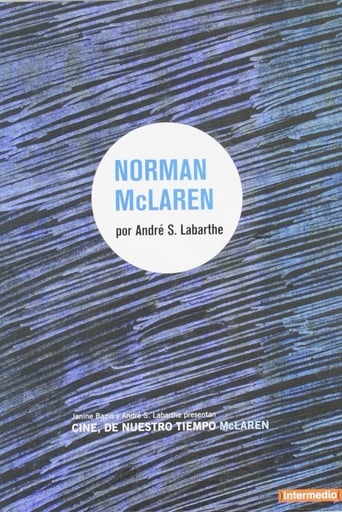 6.0
6.0No synopsis available yet.
Cinéastes de notre temps : Norman McLaren
1972
6.0No synopsis available yet.
Cinéastes de notre temps : Norman McLaren
1972
6.0No synopsis available yet.
Cinéastes de notre temps : Norman McLaren
1972
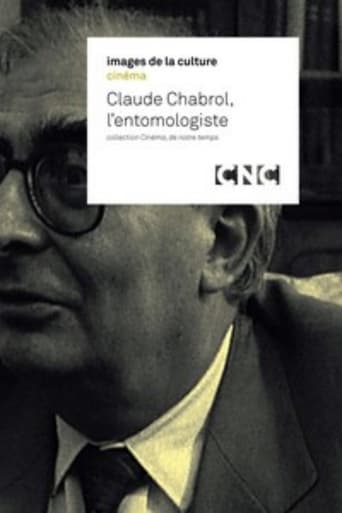 7.0
7.0Made for "Cinéma, de notre temps" series. In a peaceful residence near the Loire River, Chabrol raised his favorite characters : monsters. In this documentary, we can see him actively working on the adaptation of Simenon's novel "Betty", and answering the questions posed by Jean Douchet (his former colleagues at the magazine "Cahiers du Cinéma"). Excerpts from The Butcher (Le Boucher), Violette Nozière, The Hatter's Ghost (Les Fantômes du chapelier) and Masks (Masques) will punctuate their meaningful and witty conversation.
Claude Chabrol, l'entomologiste
1993
7.0Made for "Cinéma, de notre temps" series. In a peaceful residence near the Loire River, Chabrol raised his favorite characters : monsters. In this documentary, we can see him actively working on the adaptation of Simenon's novel "Betty", and answering the questions posed by Jean Douchet (his former colleagues at the magazine "Cahiers du Cinéma"). Excerpts from The Butcher (Le Boucher), Violette Nozière, The Hatter's Ghost (Les Fantômes du chapelier) and Masks (Masques) will punctuate their meaningful and witty conversation.
Claude Chabrol, l'entomologiste
1993
Bergala makes Erice wander about (DV in hand) between Madrid and Paris remembering those primeval scenes in his education as a filmmaker, retrieving places more alive than ever in his cinéphile memory. Paris-Madrid, allers-retours fuses genealogy & elegy, diving into the roots of Erice’s oeuvre.
Víctor Erice: Paris-Madrid allers-retours
2010
 7.5
7.5No synopsis available yet.
Filmmakers of Our Time: François Truffaut or the Critical Spirit
1965
Documentary on the use of color and black and white in contemporary arts through nine artists. A “Cinéastes de notre temps” series episode directed by french film critic André S. Labarthe, originally aired 16 March 1968.
Bleu comme une orange
1968
Episode of the French television series about the work of film director Jacques Becker. (A 27-minute excerpt from this show appears on the Criterion Collection's release of "Casque d'Or." )
Cinéastes de notre temps : Jacques Becker
1967
 8.0
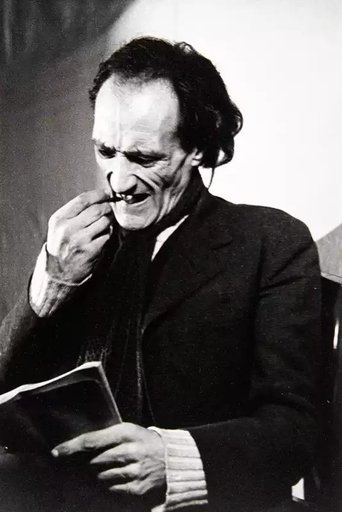
8.0The film retraces the last two years of Antonin Artaud.
Artaud cité, atrocité
2001
8.0The film retraces the last two years of Antonin Artaud.
Artaud cité, atrocité
2001
 NR
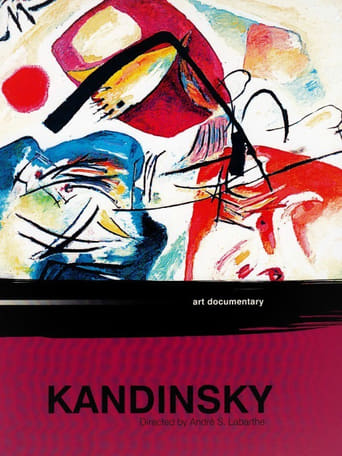
NRColour, form, area - this is the formula of the greatest pioneer of abstract painting. Kandinsky came to art late in life, but his impact through Der Blaue Reiter (The Blue Rider) and Bauhaus paved the way for modern art. In 1913, he created one of the first abstract pictures, the theoretical basis of which was inspired by his essay Uber das Geistige in der Kunst (On the Spiritual in Art). Accompanied by Mussorgsky's Pictures From An Exhibition Labarthe goes on a sensual journey which makes the soul resound with colours and forms. "A picture has to resound and must be bathed in an inner glow." Kandinsky
Kandinsky
1986
 NR
NRA “Cinéastes de notre temps” series episode directed by french film critic André S. Labarthe, originally aired 12 May 1969.
Conversation avec George Cukor
1969
Catherine Deneuve comments on passages from "L'Ève future" by Villiers de l'Isle-Adam. Episode of the TV program "Cinéma, cinémas".
Deneuve, revue de détails
1984