

Directing
Abdelkrim Baba Aissa
Born
1949-02-20 (77)
Place of birth
Béjaïa, Algeria
Known for
Directing
Credits
7 titles
Abdelkrim Baba-Aissa, born February 20, 1949 in Béjaïa (Algeria), nicknamed "Krimo Baba Aissa", is an Algerian actor, screenwriter and director. Self-taught, he made his debut in the theater, then on Algerian television as a assistant, then at ONCIC as director in the 70s. His career in a few dates: In 1976: He played in the film “Omar Gatlato” by Merzak Allouache. In 1978: He was assistant to A. Meddour in the production of the documentary series “Colonialisme Sans Empire”. 1979: Production of the sequel (on Algeria, black Africa, Angola, Iran and Chile). The part on Algeria was banned from broadcast and then destroyed. 1981: Production of the first fiction with the medium-length film “Le …
Known for
 9.0
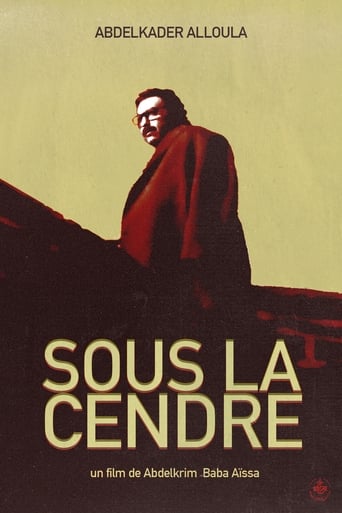
The Second World War. French authorities ban political parties and unions. In Algeria, the leaders of political and trade union organizations were arrested and interned in "surveillance" camps with more than 2,000 French and foreigners: communist activists, trade unionists, brigadists, Spanish republicans and other opponents of the Vichy regime. The Djenien Bourezg camp is one of these camps, located in southern Algeria and is one of the most formidable. An old activist for the Algerian national cause returns to the scene. He blows away the ashes that cover this part of history. And through it, we discover the hard fight of the camp inmates for respect and human dignity, under a fascist command.
Under The Ashes
1990
 6.5
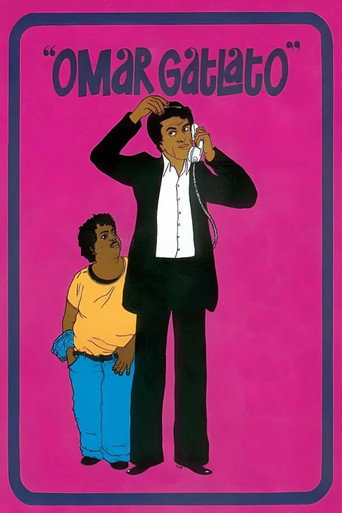
Omar, a young Algerian civil servant living in Algiers, navigating the monotony of everyday life, masculinity, and romantic fantasies in a society caught between tradition and modernity. A witty yet quietly melancholic portrait of urban Algerian youth, where the gap between dreams and reality is often as absurd as it is painfully familiar.
Omar Gatlato
1976
 10.0
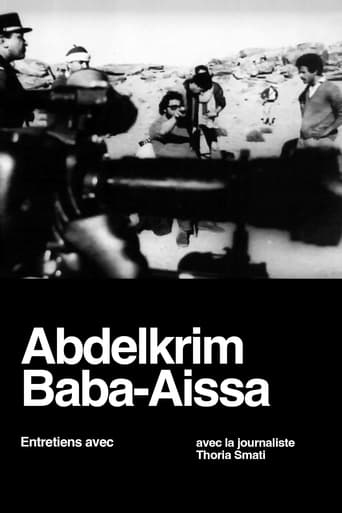
In 2024, Abdelkrim Baba Aissa, aged 75, engages in a series of filmed interviews with Algerian journalist Thoria Smati. They address the chronology of the rich and committed career of this self-taught Algerian actor, director, producer and screenwriter, who made his debut on Algerian television as an assistant director then at ONCIC as a director in the years 70.
Interviews with Abdelkrim Baba Aïssa
2024
 10.0
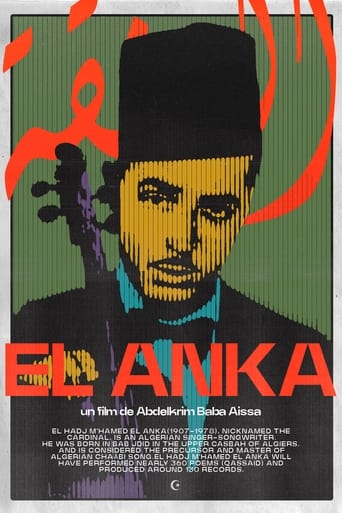
1/4 - In 1925, the young M’hamed El Anka replaced his master Nador at short notice. He realizes that he is far from mastering all the instruments of his art and begins a self-taught training program in Oud, the Arabic language, and religious singing in the hadra of Sidi Abderrahmane. 2/4 - In 1932, the young El Anka released 10 45 rpm records in Paris, including the first song from his composition "L'Exil". He is gradually “lightening” the Andalusian heritage. He made the pilgrimage to Mecca and wrote the famous song "El Mendouza". 3/4 - The 40s and 50s will confirm the maturity of the master, who consolidates the constituent elements of what is today called Chaâbi music. In the midst of the national liberation struggle, El Hadj M'hamed El Anka triumphs with the song "Youm El Djemâa". 4/4 - In 1962, El Anka sang of independence: "El hamdou lilah, mabqach listaâmar fi bledna". Activist, poet and musicologist Bachir Hadj Ali explains the artist’s exceptional style.
El Anka
1981
 10.0
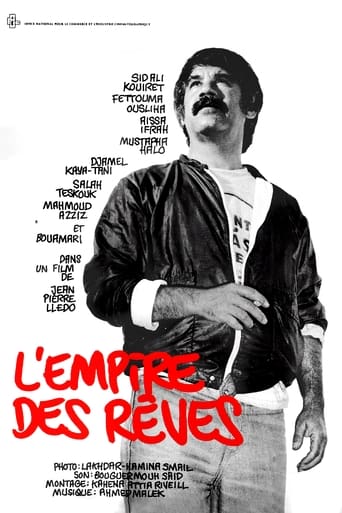
A stubborn director who wants to rediscover the Algiers of his childhood comes up against the “Hollywood” fantasies of his characters, non-professionals all hoping to be able to become “someone else”, at least for the duration of a film… Mise en abyme for a journey into megalomania…
The Empire of Dreams
1982
Film credits
Behind the camera
9.0The Second World War. French authorities ban political parties and unions. In Algeria, the leaders of political and trade union organizations were arrested and interned in "surveillance" camps with more than 2,000 French and foreigners: communist activists, trade unionists, brigadists, Spanish republicans and other opponents of the Vichy regime. The Djenien Bourezg camp is one of these camps, located in southern Algeria and is one of the most formidable. An old activist for the Algerian national cause returns to the scene. He blows away the ashes that cover this part of history. And through it, we discover the hard fight of the camp inmates for respect and human dignity, under a fascist command.
Under The Ashes
1990
10.01/4 - In 1925, the young M’hamed El Anka replaced his master Nador at short notice. He realizes that he is far from mastering all the instruments of his art and begins a self-taught training program in Oud, the Arabic language, and religious singing in the hadra of Sidi Abderrahmane. 2/4 - In 1932, the young El Anka released 10 45 rpm records in Paris, including the first song from his composition "L'Exil". He is gradually “lightening” the Andalusian heritage. He made the pilgrimage to Mecca and wrote the famous song "El Mendouza". 3/4 - The 40s and 50s will confirm the maturity of the master, who consolidates the constituent elements of what is today called Chaâbi music. In the midst of the national liberation struggle, El Hadj M'hamed El Anka triumphs with the song "Youm El Djemâa". 4/4 - In 1962, El Anka sang of independence: "El hamdou lilah, mabqach listaâmar fi bledna". Activist, poet and musicologist Bachir Hadj Ali explains the artist’s exceptional style.
El Anka
1981