
Acting
Arnold Peters
Born — Died
1925-06-03 — 2013-05-11
Place of birth
Hendon, Middlesex, England, UK
Known for
Acting
Credits
35 titles
Known for
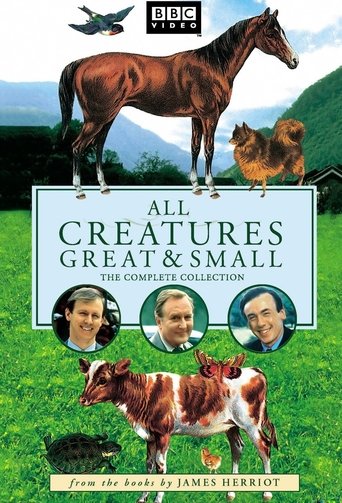 7.8
The trials and misadventures of the staff at a country veterinary office in Yorkshire. James Herriot, a young animal surgeon, moves to a small Yorkshire town to begin his first job.
All Creatures Great and Small
1978
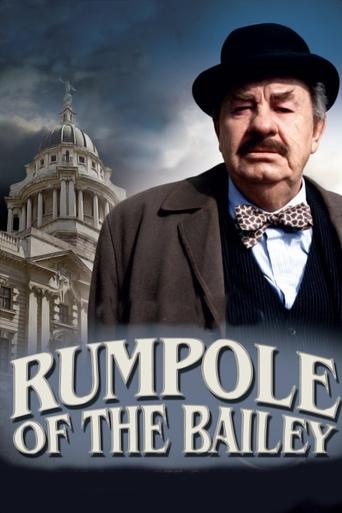 7.1
Rumpole of the Bailey is a British television series created and written by the British writer and barrister John Mortimer. It stars Leo McKern as Horace Rumpole, an aging London barrister who defends any and all clients, and has been spun off into a series of short stories, novels, and radio programmes.
Rumpole of the Bailey
1975
 7.5
Introducing the Walmington-On-Sea home guard. During WW2, in a fictional British seaside town, a ragtag group of Home Guard local defense volunteers prepare for an imminent German invasion.
Dad's Army
1968
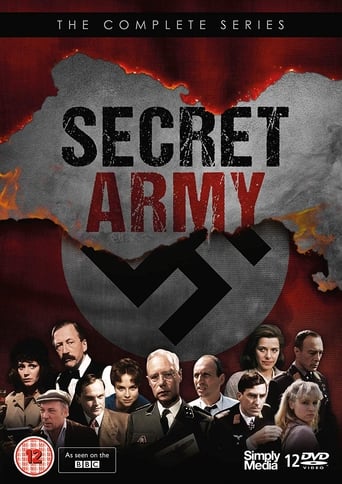 7.8
World War II drama about covert organisation Lifeline helping allied airmen escape after being shot down in occupied Europe, working with the Resistance and hiding from the Gestapo.
Secret Army
1977
 9.0
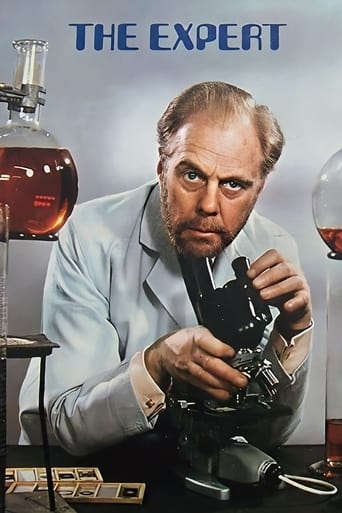
The Expert is a British television series produced by the BBC between 1968 and 1976. The series starred Marius Goring as Dr. John Hardy, a pathologist working for the Home Office and was essentially a police procedural drama, with Hardy bringing his forensic knowledge to solve various cases. The Expert was created and produced by Gerard Glaister. The series was also one of the first BBC dramas to be made in colour, and throughout its four series had numerous high quality guest appearances by actors such as John Carson, Peter Copley, Rachel Kempson, Peter Vaughan, Clive Swift, Geoffrey Palmer, Peter Barkworth, Jean Marsh, Ray Brooks, George Sewell, Anthony Valentine, Bernard Lee, Lee Montague, Geoffrey Bayldon, Mike Pratt, Edward Fox, André Morell, Brian Blessed, Nigel Stock, Philip Madoc and Warren Clarke.
The Expert
1968
 6.0
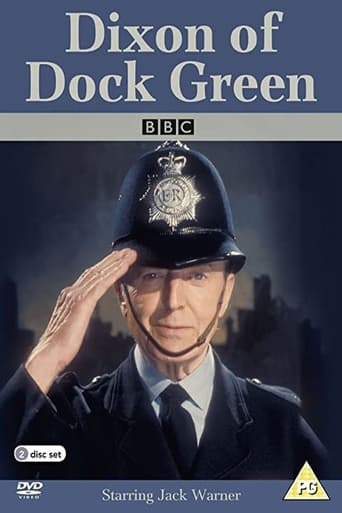
Dixon of Dock Green was a BBC television series following the activities of police officers at a fictional Metropolitan Police station in the East End of London from 1955 to 1976. Some episodes were later remade as a BBC radio series in 2005 and 2006.
Dixon of Dock Green
1955
Film credits
1980s · 4 titles
 6.7
A scientist who is obsessed with creating life finally does it, with tragic results.
Frankenstein
1984
 9.0
Alan and Sylvia fall in love and Alan gains a renewed sense of purpose. He begins to hope for an eventual release on licence. However both he and Sylvia have to face the fact that, for the foreseeable future, they cannot enjoy any physical intimacy. They decide to treat their affair as a long Victorian courtship.
Knockback: 2
1985
 NR
A tale of cat lovers, the social circle they inhabit, and the power struggles between them. Sukey is a beautiful Albanian Brown kitten, the sort that anyone would fall in love with. Sylvia Mortimer does – and so enters into the blue-rinsed world of pedigree cat-breeding, where competition is cut-throat and corruption knows no bounds.
Claws
1987
7.5In 1965, at the age of 25, Alan Ackland is sentenced to life imprisonment for the murder of a business associate. In 1971, Sylvia Barker, lonely and depressed after a failed marriage and with two young children to bring up alone, seeks a new direction in her life and applies to become a voluntary prison visitor. Several years later their paths cross.
Knockback: 1
1985
1970s · 3 titles
An insignificant little middle-aged man strikes a heinous bargain with an underworld expert. The man has a problem: his wife. A professional killer would seem to be the answer.
The Professional
1973
 NR
' You should have thrown the hand-grenade.' ' I've still got it!' An unexpected stranger arrives at the old people's home in Norway where a famous writer is kept in confinement after the war. Should he be brought to trial for collaborating with the Nazis? Or will the young partisan carry through his original plan to kill him?
Ice Age
1978
In a fictitious English parliament, various tactics are employed in the pursuit of power, even to the extent of bismerching member's of a politician's family.
The Prime Minister's Daughter
1970
Series credits
7.8The trials and misadventures of the staff at a country veterinary office in Yorkshire. James Herriot, a young animal surgeon, moves to a small Yorkshire town to begin his first job.
All Creatures Great and Small
1978
7.1Rumpole of the Bailey is a British television series created and written by the British writer and barrister John Mortimer. It stars Leo McKern as Horace Rumpole, an aging London barrister who defends any and all clients, and has been spun off into a series of short stories, novels, and radio programmes.
Rumpole of the Bailey
1975
7.5Introducing the Walmington-On-Sea home guard. During WW2, in a fictional British seaside town, a ragtag group of Home Guard local defense volunteers prepare for an imminent German invasion.
Dad's Army
1968
7.8World War II drama about covert organisation Lifeline helping allied airmen escape after being shot down in occupied Europe, working with the Resistance and hiding from the Gestapo.
Secret Army
1977
9.0The Expert is a British television series produced by the BBC between 1968 and 1976. The series starred Marius Goring as Dr. John Hardy, a pathologist working for the Home Office and was essentially a police procedural drama, with Hardy bringing his forensic knowledge to solve various cases. The Expert was created and produced by Gerard Glaister. The series was also one of the first BBC dramas to be made in colour, and throughout its four series had numerous high quality guest appearances by actors such as John Carson, Peter Copley, Rachel Kempson, Peter Vaughan, Clive Swift, Geoffrey Palmer, Peter Barkworth, Jean Marsh, Ray Brooks, George Sewell, Anthony Valentine, Bernard Lee, Lee Montague, Geoffrey Bayldon, Mike Pratt, Edward Fox, André Morell, Brian Blessed, Nigel Stock, Philip Madoc and Warren Clarke.
The Expert
1968
6.0Dixon of Dock Green was a BBC television series following the activities of police officers at a fictional Metropolitan Police station in the East End of London from 1955 to 1976. Some episodes were later remade as a BBC radio series in 2005 and 2006.
Dixon of Dock Green
1955
 7.3
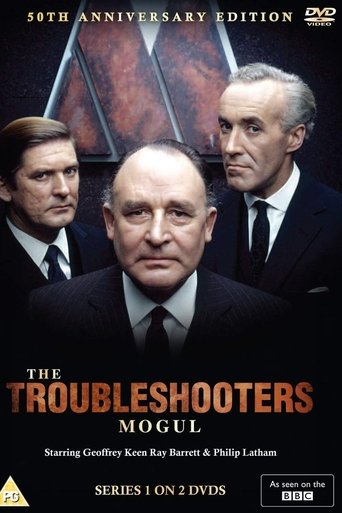
The Troubleshooters is a British television series made by the BBC between 1965 and 1972, created by John Elliot. During its run, the series made the transition from black and white to colour transmissions. The series was based around an international oil company – the "Mogul" of the title. The first series was mostly concerned with the internal politics within the Mogul organisation, with episodes revolving around industrial espionage, internal fraud and negligence almost leading to an accident on a North Sea oil rig.
The Troubleshooters
1965
 7.3
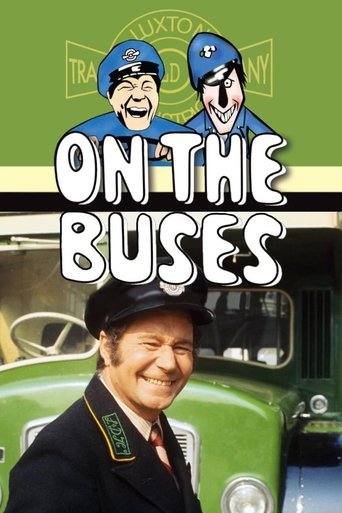
On the Buses is a British comedy series created by Ronald Wolfe and Ronald Chesney, broadcast in the United Kingdom from 1969 to 1973. The writers' previous successes with The Rag Trade and Meet the Wife were for the BBC, but the corporation rejected On the Buses, not seeing much comedy potential in a bus depot as a setting. The comedy partnership turned to a friend, Frank Muir, Head of Entertainment at London Weekend Television, who loved the idea; the show was accepted and despite a poor critical reception became a hit with viewers.
On the Buses
1969
 7.0
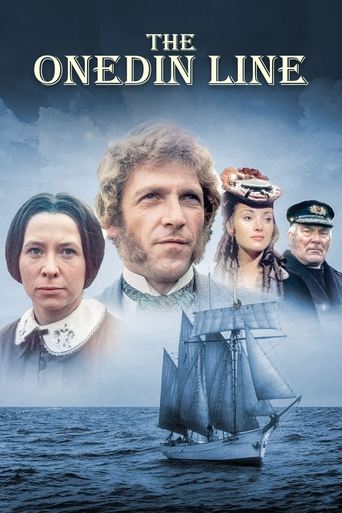
The Onedin Line is a BBC television drama series which ran from 1971 to 1980. The series was created by Cyril Abraham. The series is set in Liverpool from 1860 to 1886 and deals with the rise of a shipping line, the Onedin Line, named after its owner James Onedin. Around this central theme are the lives of his family, most notably his brother and partner, shop owner Robert, and his sister Elizabeth, giving insight into the lifestyle and customs at the time, not only at sea, but also ashore. The series also illustrates some of the changes in business and shipping, such as from wooden to steel ships and from sailing ships to steam ships. It shows the role that ships played in affairs like international politics, uprisings and the slave trade.
The Onedin Line
1971
7.0The Onedin Line is a BBC television drama series which ran from 1971 to 1980. The series was created by Cyril Abraham. The series is set in Liverpool from 1860 to 1886 and deals with the rise of a shipping line, the Onedin Line, named after its owner James Onedin. Around this central theme are the lives of his family, most notably his brother and partner, shop owner Robert, and his sister Elizabeth, giving insight into the lifestyle and customs at the time, not only at sea, but also ashore. The series also illustrates some of the changes in business and shipping, such as from wooden to steel ships and from sailing ships to steam ships. It shows the role that ships played in affairs like international politics, uprisings and the slave trade.
The Onedin Line
1971
 7.3
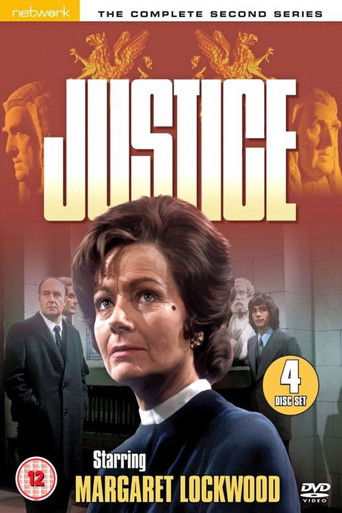
Justice is a British drama television series which originally aired on ITV in 39 hour-long episodes between 8 August 1971 and 16 October 1974. Margaret Lockwood stars as Harriet Peterson a female barrister in the North of England. It was made by Yorkshire Television and was based loosely on Justice Is a Woman, an episode of ITV Playhouse broadcast in 1969 in which Lockwood had previously also played a barrister. The theme music was Crown Imperial by William Walton.
Justice
1971
 8.0
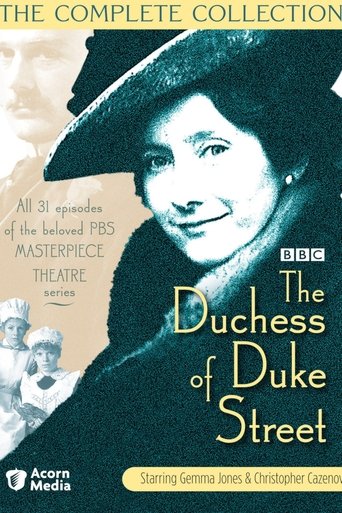
In Victorian London, Louisa Leyton works her way up from servant to renowned cook to proprietress of the upper-class Bentinck Hotel in Duke Street, St James's.
The Duchess of Duke Street
1976
8.0In Victorian London, Louisa Leyton works her way up from servant to renowned cook to proprietress of the upper-class Bentinck Hotel in Duke Street, St James's.
The Duchess of Duke Street
1976
 7.0
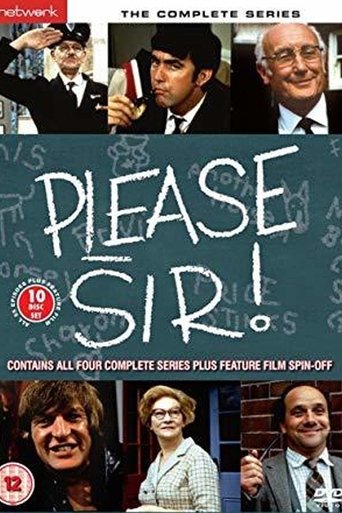
A hapless but caring teacher tries to control his class of unruly kids. The teacher sees much good and potential in his pupils, much to the dismay of his fellow teachers who have lost hope in these kids.
Please Sir!
1968
 8.2
Jeremy Brown, a language teacher, tries to make a living by teaching English to immigrants. With pupils from India, France, China, and many other countries, his lessons do not always go as planned.
Mind Your Language
1977
 6.8
Classic BBC comedy starring Robert Lindsay as revolutionary leader Wolfie Smith of the Tooting Popular Front. Hoping to emulate his icons, Wolfie forms the Tooting Popular Front with a small group of his friends. However, he soon finds himself struggling to get his ambitious plans off the ground due to his laid back attitude and lack of organisation.
Citizen Smith
1977
 8.2
Porridge is a British situation comedy broadcast on BBC1 from 1974 to 1977, running for three series, two Christmas specials and a feature film also titled Porridge. Written by Dick Clement and Ian La Frenais, it stars Ronnie Barker and Richard Beckinsale as two inmates at the fictional HMP Slade in Cumberland. "Doing porridge" is British slang for serving a prison sentence, porridge once being the traditional breakfast in UK prisons. The series was followed by a 1978 sequel, Going Straight, which established that Fletcher would not be going back to prison again. Porridge was voted number seven in a 2004 BBC poll of the 100 greatest British sitcoms.
Porridge
1974
 7.8
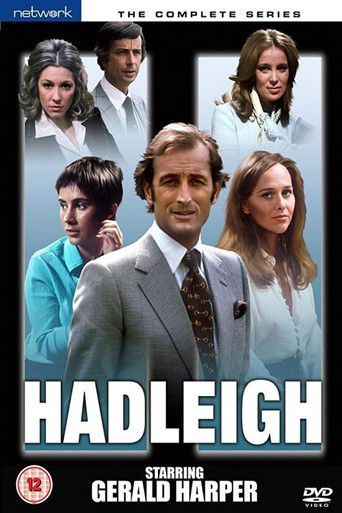
Hadleigh was a British television series made by Yorkshire Television which originally ran from 1969 to 1976. Developed by Robert Barr, it was a sequel to the writer's earlier Gazette for the same company. The theme music was composed by Alan Moorhouse and, from series 3, Tony Hatch. James Hadleigh played by Gerald Harper, was "the perfect squire, paternalistically careful of his tenantry's welfare, beloved in the village, respected in the council." A "knight in a shining white Aston Martin V8, he sets about correcting local injustices." His wife, from a lower-class background, was played by Hilary Dwyer. The series attracted around 17 million viewers at its peak.
Hadleigh
1969
 5.8
The Fosters is a British sitcom created and written by Jon Watkins and Eric Monte. It showcases the early work of Lenny Henry as the budding artist son of easygoing family man Samuel Foster (Norman Beaton). The series follows the day-to-day trials of Samuel, his lively wife Pearl (both immigrants from Guyana) and their three children on a South London housing estate.
The Fosters
1976
 8.0
A six-episode dramatisation of Henry VIII's relationships with each of his six wives. Each episode, with a different writer, is devoted to one wife, and is a complete play in itself.
The Six Wives of Henry VIII
1970
 7.0
Follows the private lives of seven British PMs who lived at Number 10 Downing Street between the 1780s and the 1920s: William Pitt the Younger, the Duke of Wellington (Arthur Wellesley), Benjamin Disraeli, William Ewart Gladstone, David Lloyd-George, Herbert Henry Asquith and James Ramsay MacDonald.
Number 10
1983
 7.6
Pennies From Heaven is a 1978 BBC television drama serial written by Dennis Potter. The title is taken from a song of the same name written by Johnny Burke and Arthur Johnston. It was one of several Potter serials to mix the reality of the drama with a dark fantasy content, and the earliest of his works where the characters burst into miming to popular 1930s songs. During the Great Depression, a sheet music salesman seeks to escape his dreary life through popular music and a love affair with an innocent schoolteacher.
Pennies from Heaven
1978
 7.0
Three generations of the Grant family live and work on the Severn Valley branch of the Great Western Railway, from the Victorian era to the Second World War.
God's Wonderful Railway
1980
 6.0
Malice Aforethought is a four-part 1979 BBC Two miniseries by Philip Mackie, adapted from Anthony Berkeley Cox's (pen name Francis Iles) 1931 noir novel of the same name. For ten years, Julia Bickleigh has despised and bullied her husband. For ten years Dr Bickleigh has dreamed of romance ... and escape.
Malice Aforethought
1979
 7.0
Arnie Cole and his wife Maud are an odd couple, having entered into the state of matrimony for purely practical reasons. However, their marriage of convenience gives way to genuine partnership as Maud becomes caught up in Arnie's ambitions to start his own film production company.
Flickers
1980
 5.0
Jude the Obscure is a British television serial directed by Hugh David and dramatised by Harry Green, based on Thomas Hardy's 1895 novel of the same name. Born into poverty, young Jude Fawley refuses to accept his lot in life. As his dreams are shattered one by one, his life gradually descends into tragedy.
Jude the Obscure
1971
 7.5
In 1860s France, Étienne Lantier, an unemployed railway worker, is clever but uneducated with a dangerous temper. Forced to take a back-breaking job at the Le Voreux mine when he cannot get other work, he discovers that his fellow miners are ill, hungry, and in debt, unable to feed and clothe their families. When conditions in the mining community deteriorate even further, Lantier finds himself leading a strike that could mean starvation or salvation for all.
Germinal
1970
Swizzlewick was a twice weekly 1964 BBC comedy drama series about the day-to-day events of a local council in a fictional Midlands town. The writers included David Turner who created the series. This series is principally remembered as an early target of 'Clean Up TV' campaigner Mary Whitehouse. An episode in August 1964 featured Mrs Smallgood, a parody of her, who was depicted launching a "Freedom from Sex" campaign with a friend. A scene with a prostitute was cut from another episode of the series, after a television studio worker leaked an advance copy of the script to her. She was told "It's too late to re-shoot.", and answered "I don't want re-shooting, I want cuts." She delivered a letter of complaint in person to the Postmaster General of the United Kingdom, who appears to have passed the matter on to the BBC, and the scene Mrs Whitehouse found offensive was cut. Turner resigned from the series.
Swizzlewick
1964