
Writing
Hugo Mac Dougall
Known for
Writing
Credits
16 titles
Known for
 10.0
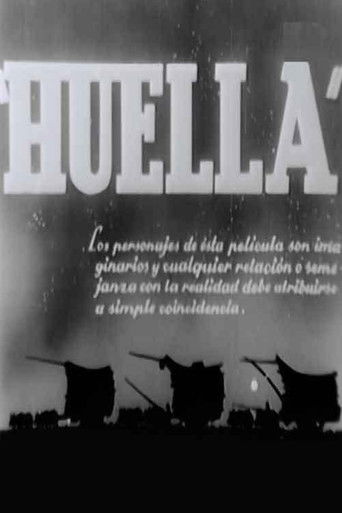
In 1840, a caravan of carts headed from Buenos Aires to Córdoba carrying merchandise, ammunition and prisoners, against the background of the struggles between the Unitarians and the Federalists.
Huella
1940
 7.2
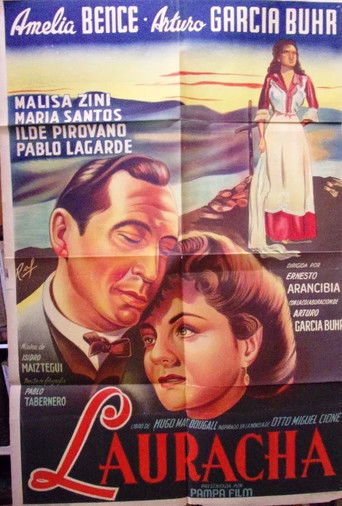
A man loves a woman of strong character but she abandons her
Lauracha
1946
 8.0
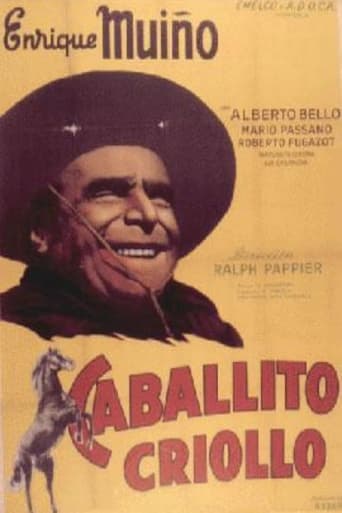
A young horse breeder will show his grandfather how they can adapt to the times and prove his theory.
Native Pony
1953
 9.0
After the May Revolution occurred, a young man abandoned his royalist uncle and became a drummer for the revolutionary army and his father's guide.
El tambor de Tacuarí
1948
 NR
At the core of this enormously bleak melodrama, there is a beautiful, passionate woman (Florence Marly, Chenal's wife) who capriciously oscillates between two men (Chiola, De Paula), even though she knows her fate is fatally linked to one of them.
El viaje sin regreso
1946
It narrates the struggle of a rural worker to rescue the daughter of a farmer from the clutches of a wicked foreman.
Nobleza gaucha
1937
Behind the camera
10.0In 1840, a caravan of carts headed from Buenos Aires to Córdoba carrying merchandise, ammunition and prisoners, against the background of the struggles between the Unitarians and the Federalists.
Huella
1940
7.2A man loves a woman of strong character but she abandons her
Lauracha
1946
8.0A young horse breeder will show his grandfather how they can adapt to the times and prove his theory.
Native Pony
1953
9.0After the May Revolution occurred, a young man abandoned his royalist uncle and became a drummer for the revolutionary army and his father's guide.
El tambor de Tacuarí
1948
NRAt the core of this enormously bleak melodrama, there is a beautiful, passionate woman (Florence Marly, Chenal's wife) who capriciously oscillates between two men (Chiola, De Paula), even though she knows her fate is fatally linked to one of them.
El viaje sin regreso
1946
It narrates the struggle of a rural worker to rescue the daughter of a farmer from the clutches of a wicked foreman.
Nobleza gaucha
1937
 7.0
An attempt to bring the famous novel by Dumas to the cinema, where the promenades of Montevideo such as Parque Rivera and the Castillo del Parque Rodó are transformed into French settings.
Los Tres Mosqueteros
1946
 NR
The action takes place in Comodo Rivadavia, and reenacts a 1907 mission lead by José Fuchs, who was supposed to find water but found oil instead.
Allá donde el viento brama
1963
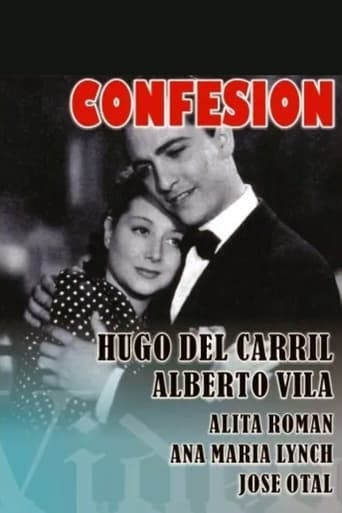 7.5
Group of tango musicians picks up an aspiring young chanteuse at one of their whistle stop engagements; film focuses on their collective path to stardom, romantic conflicts between the woman and two guys in the band and some peripheral crime-drama stuff.
Confesión
1940
 7.1
A singer is trapped in France by the unforeseen outbreak of World War II and a man who serves the German occupiers demands, in exchange for safe conduct for herself and her daughter, to act as a spy and informer for members of the Resistance.
El fin de la noche
1944
 7.0
The film is based on an old Argentine legend about an Aztec girl who is raped and murdered by vandals and dumped in a river. A flower blossoms at the place in which she was killed and misfortune falls upon the culprits.
Three Men of the River
1943
 9.0
The life of José Gabriel Brochero, the Cordovan priest who dedicated his life to those most in need.
The Gaucho Priest
1941
The story of different episodes that happen in each of the sections of a newspaper.
Ceniza al viento
1942
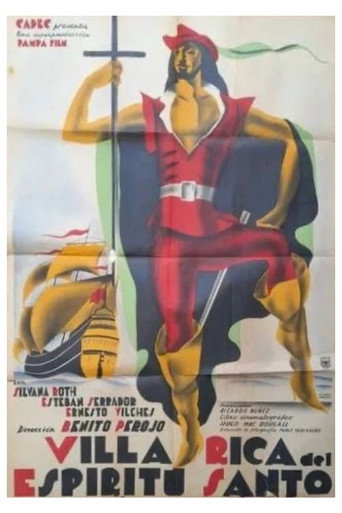 8.5
Spanish conquerors from the XVI century arrive in America to establish a population.
Villa Rica del Espíritu Santo
1945
A 1936 film.
Santos Vega
1936
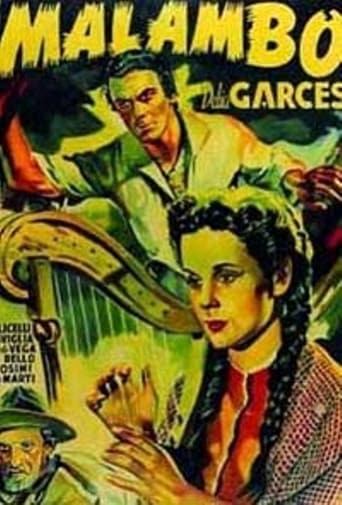 5.8
Based on a quechua legend, Malambo tells the story of a woman who lost her husband and son because of the greedy patrón of an hacienda. She swore that she would never remove the cloth over her eyes until her dead were avenged by the deaths of the patrón and his daughter. Nature seems to be on her side, since a drought has afflicted the land. Her other son, Malambo, accepts the duty of revenge. Malambo is no normal human: he is the runa-uturungo, or Hombre Tigre, of Quechua lore, and he cannot be wounded by bullets. He leads the obreros to rise in revolt and defeats the patrón. However, instead of killing the patrón's daughter--the blind Urpila --he falls in love with her, thereby breaking his mother's heart.
Malambo
1942