

Sound
J.T. Takagi
Known for
Sound
Credits
6 titles
J.T. Takagi is a third generation Japanese-American independent filmmaker who works as the Executive Director of Third World Newsreel, a media arts center in New York City. An award-winning filmmaker and sound recordist, Takagi’s directorial credits include The Women Outside, Community Plot, Homes Apart: Korea and Bittersweet Survival, the latter two made with Christine Choy. In addition to this, Takagi teaches at the City College of New York and the School of Visual Arts and works with several Asian American community groups.
Known for
 NR
This satiric comedy takes place in a building on New York's multi-ethnic Lower East Side. Four neighbors form an uneasy alliance after a case worker from family court is accidentally killed in their building.
Community Plot
1984
 NR
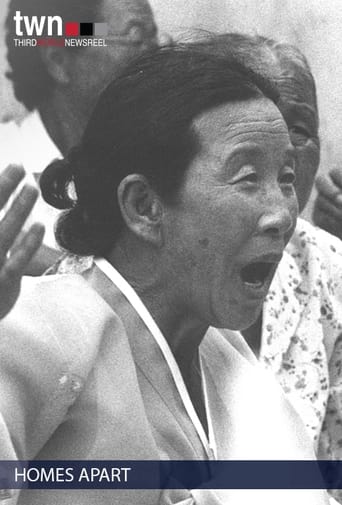
They speak the same language, share a similar culture and once belonged to a single nation. When the Korean War ended in 1953, ten million families were torn apart. By the early 90s, as the rest of the world celebrated the end of the Cold War, Koreans remain separated between North and South, fearing the threat of mutual destruction. Beginning with one man's journey to reunite with his sister in North Korea, filmmakers Takagi and Choy reveal the personal, social and political dimensions of one of the last divided nations on earth. The film was also the first US project to get permission to film in both South & North Korea.
Homes Apart: Korea
1991
 6.0
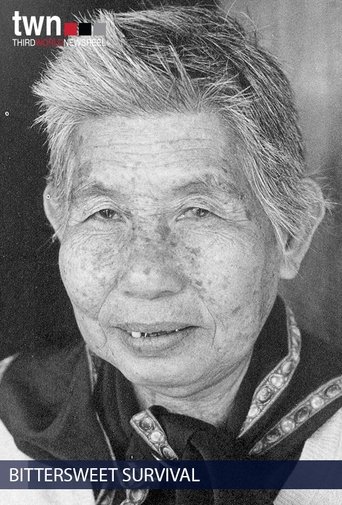
This documentary examines the re-settlement of South-East Asian refugees in the United States in the aftermath of the Vietnam War. The film begins with a montage of riveting footage depicting the devastating effects of the war. It then unveils the mixed reception given Vietnamese refugees in the United States, from battles with local fishermen in Monterey, California, to conflicts in Philadelphia where their arrival in the city's poorest neighborhoods kindled resentment in the Black community. The film also explores their struggle to cope with life in the U.S. and maintain their identity.
Bittersweet Survival: Southeast Asian Refugees in America
1982
Every day, 500,000 people from 117 different countries ride a subway that runs from Flushing to Times Square, going through Queens, the most culturally diverse region in the United States. This documentary follows four immigrant passengers: a Korean who works in Harlem, two Otavalen street vendors who work near Chinatown, and a gay Pakistani sari salesman on Fifth Avenue. Their lives and their conflicted relationships with the city and its other residents are juxtaposed with the subway they take each day to Manhattan and their dreams for the future.
The #7 Train: An Immigrant Journey
—
 1.0
They're called bar women, hostesses, or sex workers and "western princesses." They come from poor families, struggling to earn a decent wage, only to be forced into the world's oldest profession. They're the women who work in the camptowns that surround U.S. military bases in South Korea. In 40 years, over a million women have worked in Korea's military sex industry, but their existence has never been officially acknowledged by either government. In The Women Outside, a film by J.T. Orinne Takagi and Hye Jung Park, some of these women bravely speak out about their lives for the first time. The film raises provocative questions about military policy, economic survival, and the role of women in global geopolitics
The Women Outside
1996
Behind the camera
NRThis satiric comedy takes place in a building on New York's multi-ethnic Lower East Side. Four neighbors form an uneasy alliance after a case worker from family court is accidentally killed in their building.
Community Plot
1984
NRThis satiric comedy takes place in a building on New York's multi-ethnic Lower East Side. Four neighbors form an uneasy alliance after a case worker from family court is accidentally killed in their building.
Community Plot
1984
NRThey speak the same language, share a similar culture and once belonged to a single nation. When the Korean War ended in 1953, ten million families were torn apart. By the early 90s, as the rest of the world celebrated the end of the Cold War, Koreans remain separated between North and South, fearing the threat of mutual destruction. Beginning with one man's journey to reunite with his sister in North Korea, filmmakers Takagi and Choy reveal the personal, social and political dimensions of one of the last divided nations on earth. The film was also the first US project to get permission to film in both South & North Korea.
Homes Apart: Korea
1991
6.0This documentary examines the re-settlement of South-East Asian refugees in the United States in the aftermath of the Vietnam War. The film begins with a montage of riveting footage depicting the devastating effects of the war. It then unveils the mixed reception given Vietnamese refugees in the United States, from battles with local fishermen in Monterey, California, to conflicts in Philadelphia where their arrival in the city's poorest neighborhoods kindled resentment in the Black community. The film also explores their struggle to cope with life in the U.S. and maintain their identity.
Bittersweet Survival: Southeast Asian Refugees in America
1982
Every day, 500,000 people from 117 different countries ride a subway that runs from Flushing to Times Square, going through Queens, the most culturally diverse region in the United States. This documentary follows four immigrant passengers: a Korean who works in Harlem, two Otavalen street vendors who work near Chinatown, and a gay Pakistani sari salesman on Fifth Avenue. Their lives and their conflicted relationships with the city and its other residents are juxtaposed with the subway they take each day to Manhattan and their dreams for the future.
The #7 Train: An Immigrant Journey
—
1.0They're called bar women, hostesses, or sex workers and "western princesses." They come from poor families, struggling to earn a decent wage, only to be forced into the world's oldest profession. They're the women who work in the camptowns that surround U.S. military bases in South Korea. In 40 years, over a million women have worked in Korea's military sex industry, but their existence has never been officially acknowledged by either government. In The Women Outside, a film by J.T. Orinne Takagi and Hye Jung Park, some of these women bravely speak out about their lives for the first time. The film raises provocative questions about military policy, economic survival, and the role of women in global geopolitics
The Women Outside
1996