
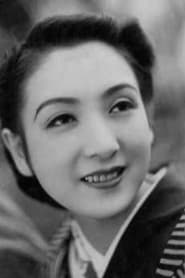
Acting
Hiroko Kawasaki
Born — Died
1912-04-05 — 1976-06-03
Place of birth
Daishi-cho, Kawasaki, Kanagawa, Japan
Known for
Acting
Credits
55 titles
Known for
 7.5
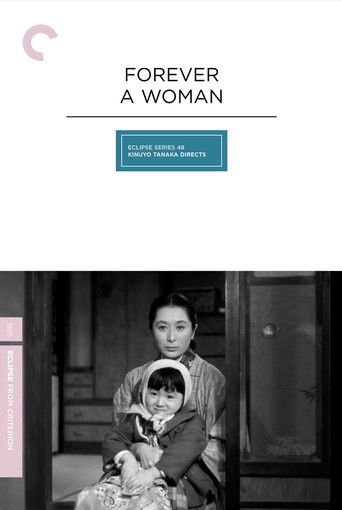
7.5Fumiko, mother of two and wife to an unfaithful man, shares her family life with her budding vocation as a poet. The beginning of her successful literary career coincides with her divorce and her breast cancer diagnosis. In her final stages, Fumiko meets a young journalist from Tokyo who wants to write a story on her experiences.
Forever a Woman
1955
 6.6
6.6A Japanese mountain inn patron's foot is cut by an ornamental hairpin accidentally left behind by a former patron, leading to much curiosity among the other patrons regarding her identity.
Ornamental Hairpin
1941
 NR
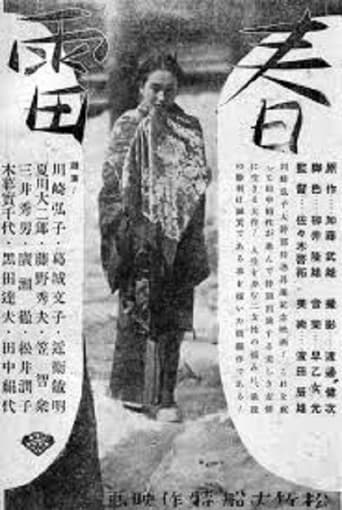
NREiko is an innocent young lady born into a wealthy family with nothing to offer. She was good at singing, and lived her life playing around with her cronies, organizing music concerts and so on. However, things change when her father's business fails and she was suddenly thrown out into the world without any foundation. Eiko has no one to support her after she loses her social status, and her only tutor, Shinnosuke (Natsukawa Daijiro) was the only one who was sincere. Eiko is a stickler for using everything she can get her hands on, and she quickly moves into Shinnosuke's house.
Spring Thunder
1939
 7.1
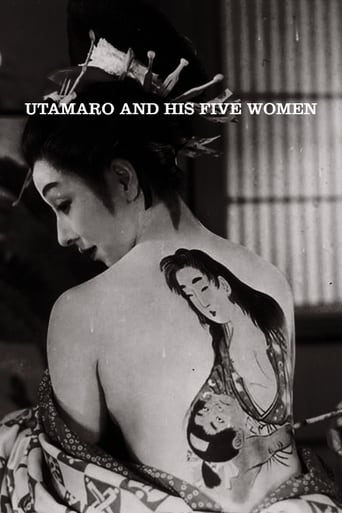
7.1Utamaro, a great artist, lives to create portraits of beautiful women, and the Tokyo brothels provide his models. A world of passion swirls around him, as the women vie for lovers, and, occasionally, his art gets him into trouble.
Utamaro and His Five Women
1946
 7.0
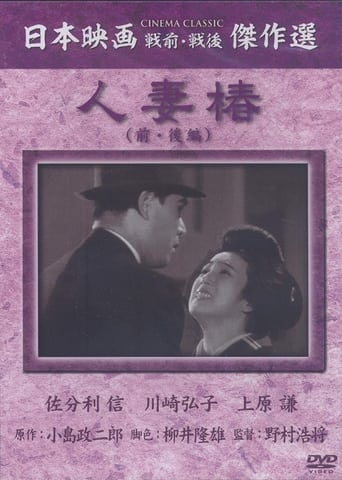
7.0The narrative is about a woman who faces hard times, when her husband is arrested for a crime committed by his boss. The woman also has a child to look after, and they end up meeting several colorful personalities.
Housewife Camellia
1936
 6.7
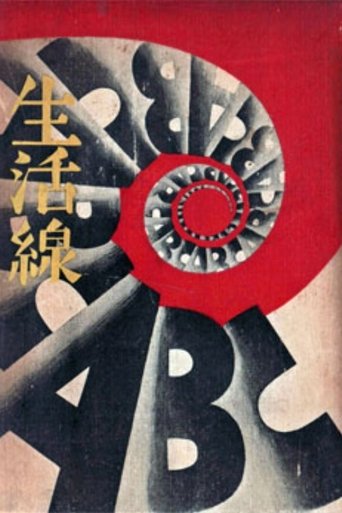
6.7Japanese silent film directed by Yasujirô Shimazu, originally released as a two-part movie on December 11, 1931.
ABC Lifeline
1931
Film credits
1950s · 7 titles
7.5Fumiko, mother of two and wife to an unfaithful man, shares her family life with her budding vocation as a poet. The beginning of her successful literary career coincides with her divorce and her breast cancer diagnosis. In her final stages, Fumiko meets a young journalist from Tokyo who wants to write a story on her experiences.
Forever a Woman
1955
 10.0
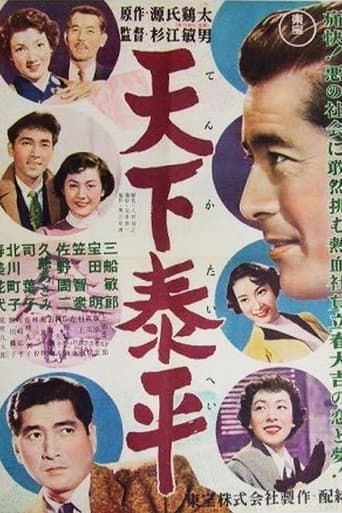
10.0No synopsis available yet.
All is Well
1955
 7.5
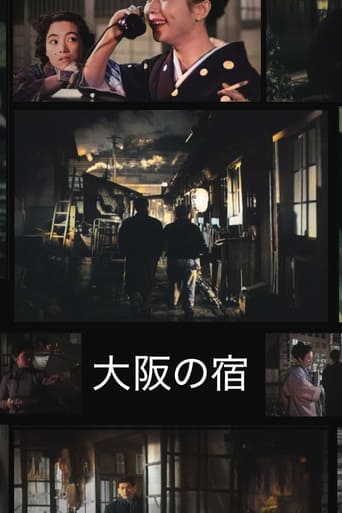
7.5Follows the story of an insurance company executive from Tokyo, Mr. Mito, who is demoted to the Osaka office. He takes a room at a small inn and tries to rebuild his life.
An Inn at Osaka
1954
 7.0
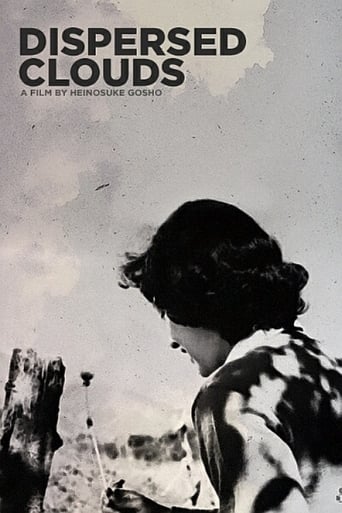
7.0Five women classmates from a college in Tokyo are on the first stretch of a walking tour when one of them, Masako, falls ill at a railway station. Osen, a middle-aged maid from a nearby inn, takes her in and nurses her, assisted by Dr. Minami, a young physician who diagnoses her illness as a mild case of pneumonia. With Masako in good hands and needing a few days to recuperate, her classmates continue their tour. Masako’s recovery, however, is hampered by her spoiled and immature nature and her determination to punish the world for the loss of her mother.
Dispersed Clouds
1951
 7.0
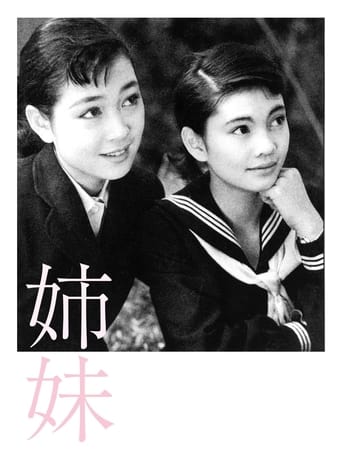
7.0Keiko and Toshiko are sisters who leave their mountain home, where their parents live in a hydroelectric plant company house to study in the city. They stay with their kind-hearted aunt and her jovial but heavy-drinking carpenter husband. Keiko, the 17-year-old eldest of five siblings, is gentle and responsible, while 14-year-old Toshiko is lively and childlike, affectionately called "Konchi."
Sisters
1955
 NR
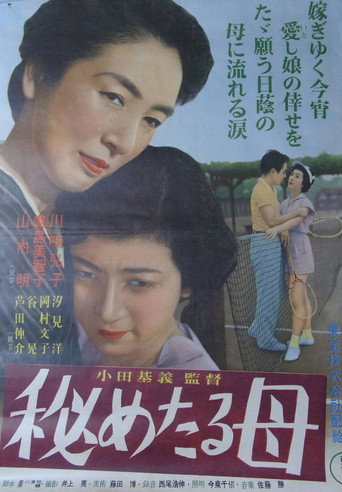
NRNo synopsis available yet.
Secret Mother
1953
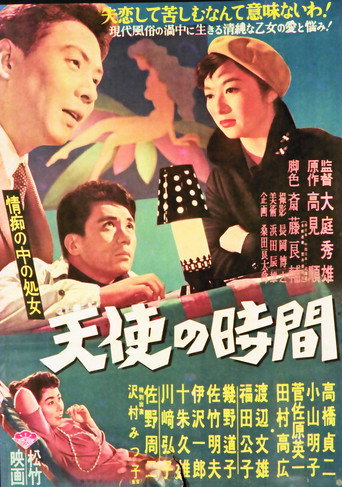 NR
NRFilm about the life of a bitter female reporter with a pure heart.
Angel Time
1957
1940s · 7 titles
6.6A Japanese mountain inn patron's foot is cut by an ornamental hairpin accidentally left behind by a former patron, leading to much curiosity among the other patrons regarding her identity.
Ornamental Hairpin
1941
7.1Utamaro, a great artist, lives to create portraits of beautiful women, and the Tokyo brothels provide his models. A world of passion swirls around him, as the women vie for lovers, and, occasionally, his art gets him into trouble.
Utamaro and His Five Women
1946
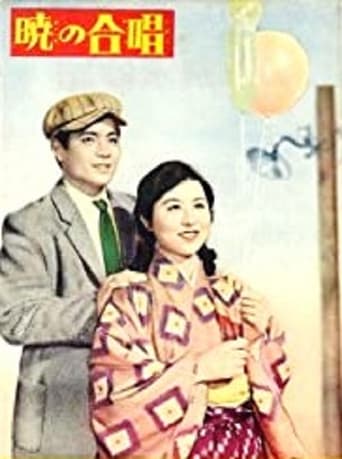 NR
NRA young girl gives up high school to help out family expenses and starts to work as a bus conductor.
Dawn Chorus
1941
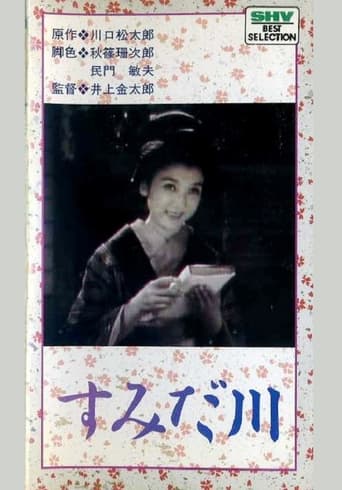 NR
NRInoue was something of a rarity in the sense, that he was a Shochiku house director who seems to have worked mostly in period films, often with big stars like Hasegawa or Bando. "Sumidagawa", named after the river that runs through Tokyo, is also a period film, but thematically a modern one. All the themes that you associate with the normal Shochiku women's films set in the present day are in this film, just in a different context: love, the planning of a marriage, career, family relations and societal melancholy. There is no action or swordplay.
Sumida River
1942
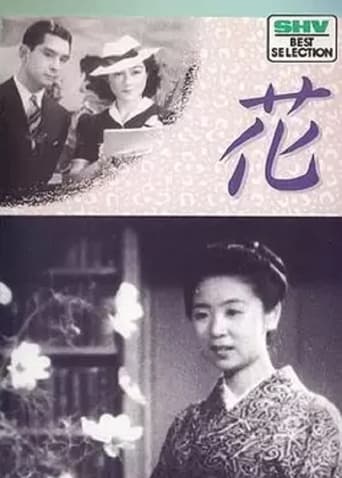 NR
NRMost of the students studying Ikebana with Kozoe Iemoto are daughters of rich Tokyo families. Kozoe meets and grows close to a doctor who proposes marriage but whose mother harbours ill feeling towards her because of an incident in the mountains where a child got into difficulties. Kozoe rejects the proposal but falls ill and when she recovers, decides to devote herself entirely to the world of flower arranging.
Flower
1941
1945 Japanese movie
Tengoku no hanayome
1945
Based on Japanese author Toshitaro Takeda's novel of the same name, the film centers around Takako, who unveils a past relationship between her husband and her best friend, and a child of theirs.
Namida no Sekinin
1940
1930s · 39 titles
NREiko is an innocent young lady born into a wealthy family with nothing to offer. She was good at singing, and lived her life playing around with her cronies, organizing music concerts and so on. However, things change when her father's business fails and she was suddenly thrown out into the world without any foundation. Eiko has no one to support her after she loses her social status, and her only tutor, Shinnosuke (Natsukawa Daijiro) was the only one who was sincere. Eiko is a stickler for using everything she can get her hands on, and she quickly moves into Shinnosuke's house.
Spring Thunder
1939
7.0The narrative is about a woman who faces hard times, when her husband is arrested for a crime committed by his boss. The woman also has a child to look after, and they end up meeting several colorful personalities.
Housewife Camellia
1936
6.7Japanese silent film directed by Yasujirô Shimazu, originally released as a two-part movie on December 11, 1931.
ABC Lifeline
1931
 NR
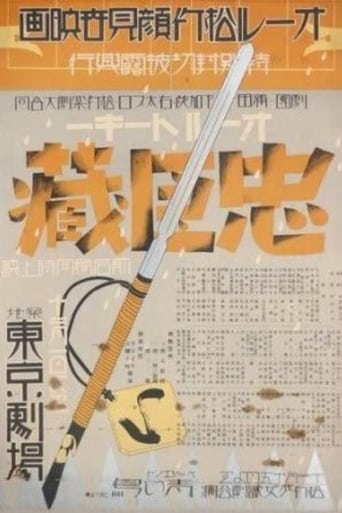
NRThis 1932 adaptation is the earliest sound version of the ever-popular and much-filmed Chushingura story of the loyal 47 retainers who avenged their feudal lord after he was obliged to commit hara-kiri due to the machinations of a villainous courtier. As the first sound version of the classic narrative, the film was something of an event, and employed a stellar cast, who give a roster of memorable performances. Director Teinosuke Kinugasa was primarily a specialist in jidai-geki (period films), such as the internationally celebrated Gate of Hell (Jigokumon, 1953), and although he is now most famous as the maker of the avant-garde silent films A Page of Madness (Kurutta ichipeji, 1926) and Crossroads (Jujiro, 1928), Chushingura is in fact more typical of his output than those experimental works. The film ranked third in that year’s Kinema Junpo critics’ poll, and Joseph Anderson and Donald Richie noted that 'not only the sound but the quick cutting was admired by many critics.
The Loyal 47 Ronin
1932
 8.0
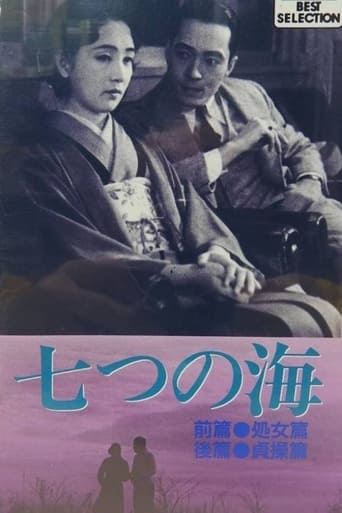
8.0Part two of Shimizu's major silent Seven Seas, a family drama of the intertwining fates of the rich, decadent Yagibashis and the far less prosperous Sone family.
Seven Seas: Chastity Chapter
1932
 6.0
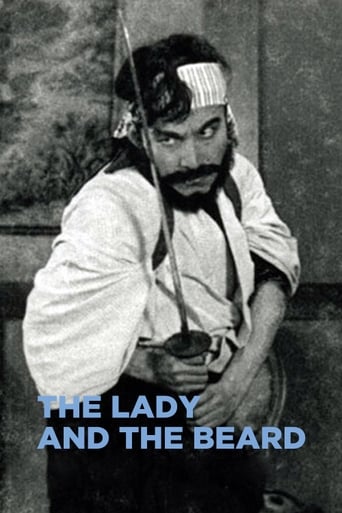
6.0Graduate Okajima finds his old-fashioned beard makes life difficult in a comedy exploring the tension between tradition and modernity.
The Lady and the Beard
1931
 6.1
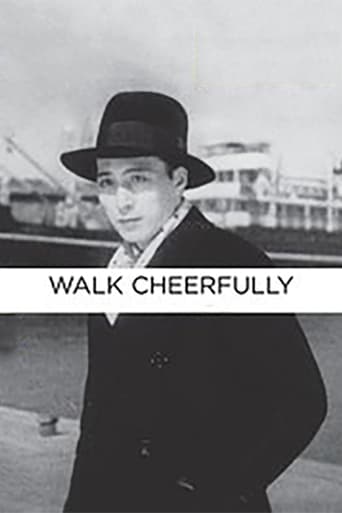
6.1Raucous small-time thief Kenji falls in love with sweet and simple Yazue, but when she finds out what kind of guy he really is, she leaves him until he proves to be honest. Kenji soon finds it's not so easy to get rid of one's past.
Walk Cheerfully
1930
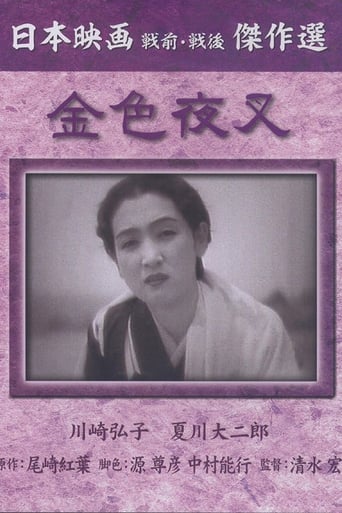 6.0
6.0A penniless orphan loses the woman he loves, when her family arranges a marriage to a wealthy playboy. He believes she was blinded by greed, and becomes a miser.
The Golden Demon
1937
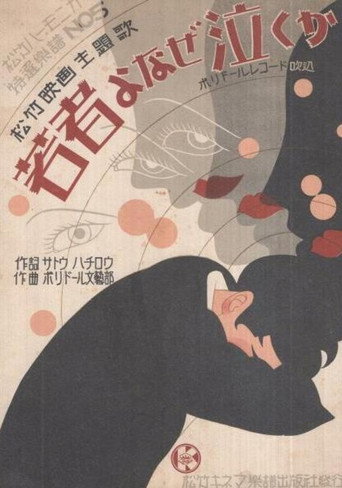 NR
NRA modern girl suddenly intrudes into a widower's family home.
Youth, Why Do You Cry?
1930
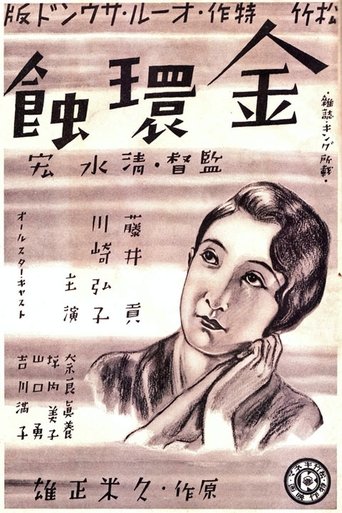 NR
NRThe story is centered around the devastating experiences of two villagers, Osaki Shuichi, and his cousin, Nishimiura Kinue, when they leave their hometown for the metropolis of Tokyo. They are in love with each other, but Kinue is expected to marry the lawyer Kanda Seiji. In consequence, Shukichi leaves for Tokyo, where he becomes tutor to the son of the rich Iwaki family. The heartbroken Kinue also makes her way to the capital, where she becomes a bar hostess.
Eclipse
1934
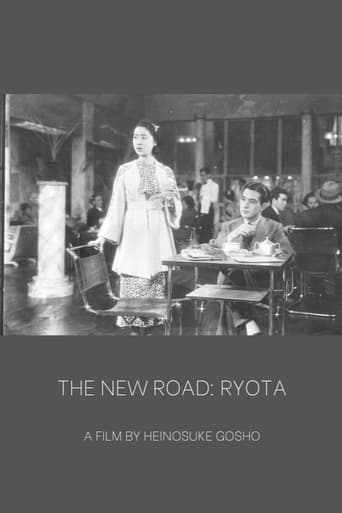 7.5
7.5The eldest daughter of a noble family is in love with an aviator while being courted by a fellow aristocrat she thinks is a dullard. Told from the perspective of Ryota. In this second part, we learn that Akemi is pregnant...
The New Road: Ryota
1936
 6.0
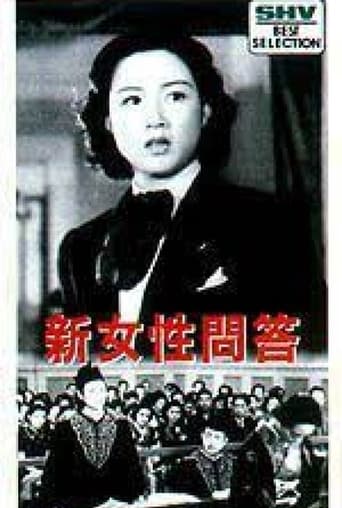
6.0Jie attended a women's university with the financial support of her geisha sister Oha and became a lawyer. The aim. Michiko, one of the seven best friends from the same women's college, is getting married. The man she's marrying is her sister's lover.
New Woman Question and Answer
1939
 8.5
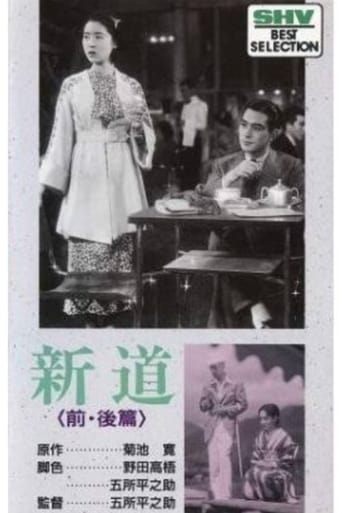
8.5The eldest daughter of a noble family is in love with an aviator while being courted by a fellow aristocrat she thinks is a dullard. This part is told from the perspective of Akemi.
The New Road: Akemi
1936
 7.0
7.0Michiko gets pregnant after a rape. She marries a boring business partner of her father to avoid the shame. Later she meets the rapist again who is now a union leader in opposition of her husband.
Silver Stream
1931
 7.5
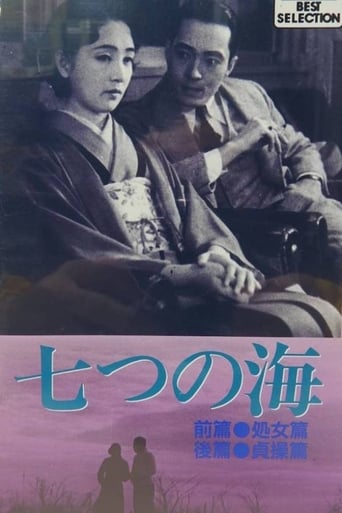
7.5The film is a lengthy work interweaving characters from different backgrounds and social strata in a narrative centered around the experiences of its heroine, Yumie Sone. Over two hours long, Seven Seas was released theatrically in two parts, with the first part entitled "Virginity Chapter" coming out in December 1931, while the second part, "Chastity Chapter," followed in March 1932. Near the beginning of the narrative, at a garden party given by the wealthy Yagibashi family in Tokyo, Yumie meets Takehiko, the Yagibashis' playboy son and the brother of Yumie's fiancé, Yuzuru. Yumie, a young middle-class woman, lives with her ailing father, a retired ministry official, an older sister, and a younger sister still a child (played by a very young Hideko Takamine). Takehiko, who has just returned from a trip to Europe, is attracted to Yumie and contrives to have her stay overnight at his family's mansion where he takes advantage of her.
Seven Seas: Virginity Chapter
1931
 NR
NRNo synopsis available yet.
Mother is Strong
1939
A newlywed couple faces tension when the wife, after her husband leaves for work, becomes completely unmotivated to handle household chores and goes back to sleep. Her neglect of daily duties starts to strain their marriage, and the couple is on the brink of divorce. However, a close friend of the husband, determined to save their relationship, introduces a hypnotist to uncover something.
The Groom Talks in His Sleep
1935
 8.0
8.0A young man falls in love with a prostitute and is disowned by his family. He is then drafted, and heads off to war. Script exists - considered to be a lost film.
Until the Day We Meet Again
1932
 NR
NRA Japanese wartime film directed by Yasushi Sasaki.
Marching Song
1937
 7.0
7.0A young couple is harrased by an uncle.
Happy Times
1933
 NR
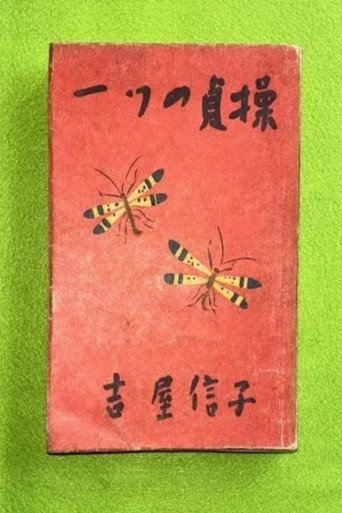
NRNo synopsis available yet.
一つの貞操
1935
 NR
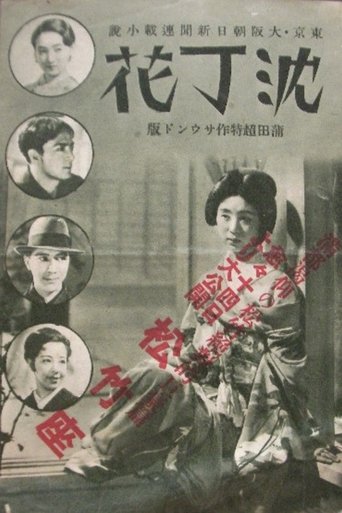
NRJapanese film from 1933, adapted from Masao Kume's serialized newspaper novel.
Daphne
1933
 NR
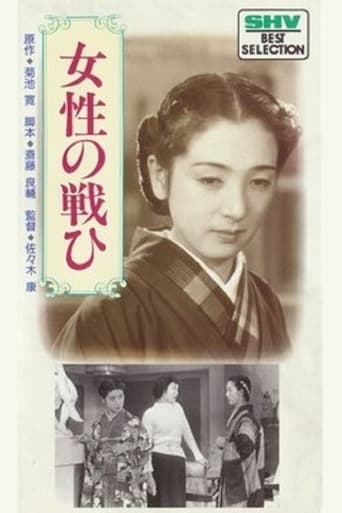
NRNaomi Tazawa (Hiroko Kawasaki), who works at Isetan Department Store, was told by an executive at a film company (Ken Uehara), that he was going to make a film about her. She was scouted to become an actress, but she held strong. Around that time, her adoptive father dies, and at the time of his death, she learns that her real father was a man of high rank.
Women at War
1939
Sakura Ondo was a sound adaptation based on a popular 1934 song, produced at the Shochiku Kamata Studio as part of a five-studio competition to create a film based on the same tune.
Sakura Ondo
1934
 9.0
9.0It is considered to be a lost film.
Love and Power
1930
 NR
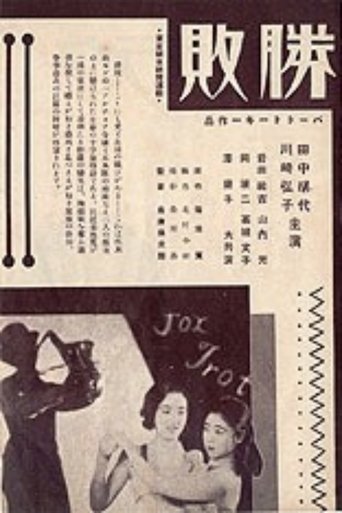
NRJapanese film from 1932, adapted from the novel by Kan Kikuchi. The first sound film from director Yasujiro Shimazu.
Victory or Defeat
1932
Based on the Sakatayama double suicide
Tengoku ni musubu koi
1932
Living Things a film by Heinosuke Gosho
Living Things
1934
No synopsis available yet.
天龍下れば
1933
Japanese silent film from 1932.
Love in Tokyo
1932
 8.0
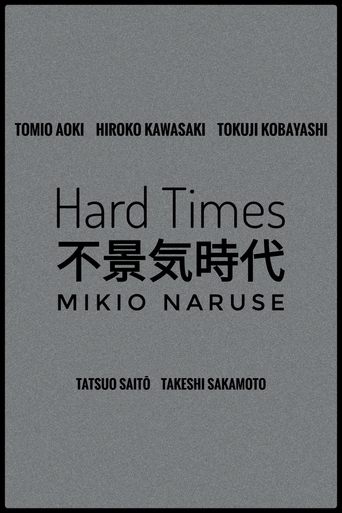
8.0Directed by Mikio Naruse. It is presumed to be lost.
Hard Times
1930
Miyake has a boyfriend, Daijiro Natsukawa, who is a novelist, but considering her future marriage, Miyake is also looking for a job for her, but Saburi, who was in her private car, does not come to his company. mosquito? She is told that she has to work.
Half Virgin
1938
Japanese silent film from 1932.
Storm Zone
1932
Japanese film from 1934, based on a novel by Itsuma Maki (real name Kaitarō Hasegawa).
Constellations on Earth, Part 2: Constellations
1934
Japanese film from 1934, based on a novel by Itsuma Maki (real name Kaitarō Hasegawa).
Constellations on Earth, Part One: Earth Chapter
1934
Shirō Kuroki, the adopted son of the Yamada family, shares a deep and mutual love with his foster sister, Kinuko Yamada. His commitment to political and social causes, however, provokes the anger of his foster father, who casts him out of the household. Forced into exile, Shirō faces hardship and struggle. The film was based on a serialized novel written by the poet Byakuren (real name Akiko Yanagiwara) and echoes the real-life scandal known as the Byakuren incident.
Song of Youth
1930
Japanese silent film from 1930. The second chapter of "The Big City: Labor" (1929).
The Big City: Explosion
1930
Japanese drama from 1934. A major production of Shochiku Studio, directed by Hiroshi Shimizu.
Mother of the East
1934
 NR
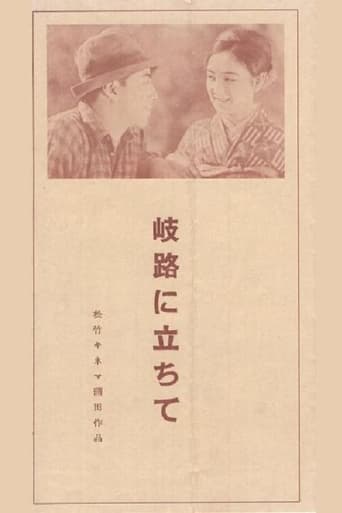
NRNo synopsis available yet.
At a Crossroads
1930